767 AD: A Lombard King, a Benedictine Monastery, and the Beginning of Villa Bibbiani's Thirteen Centuries
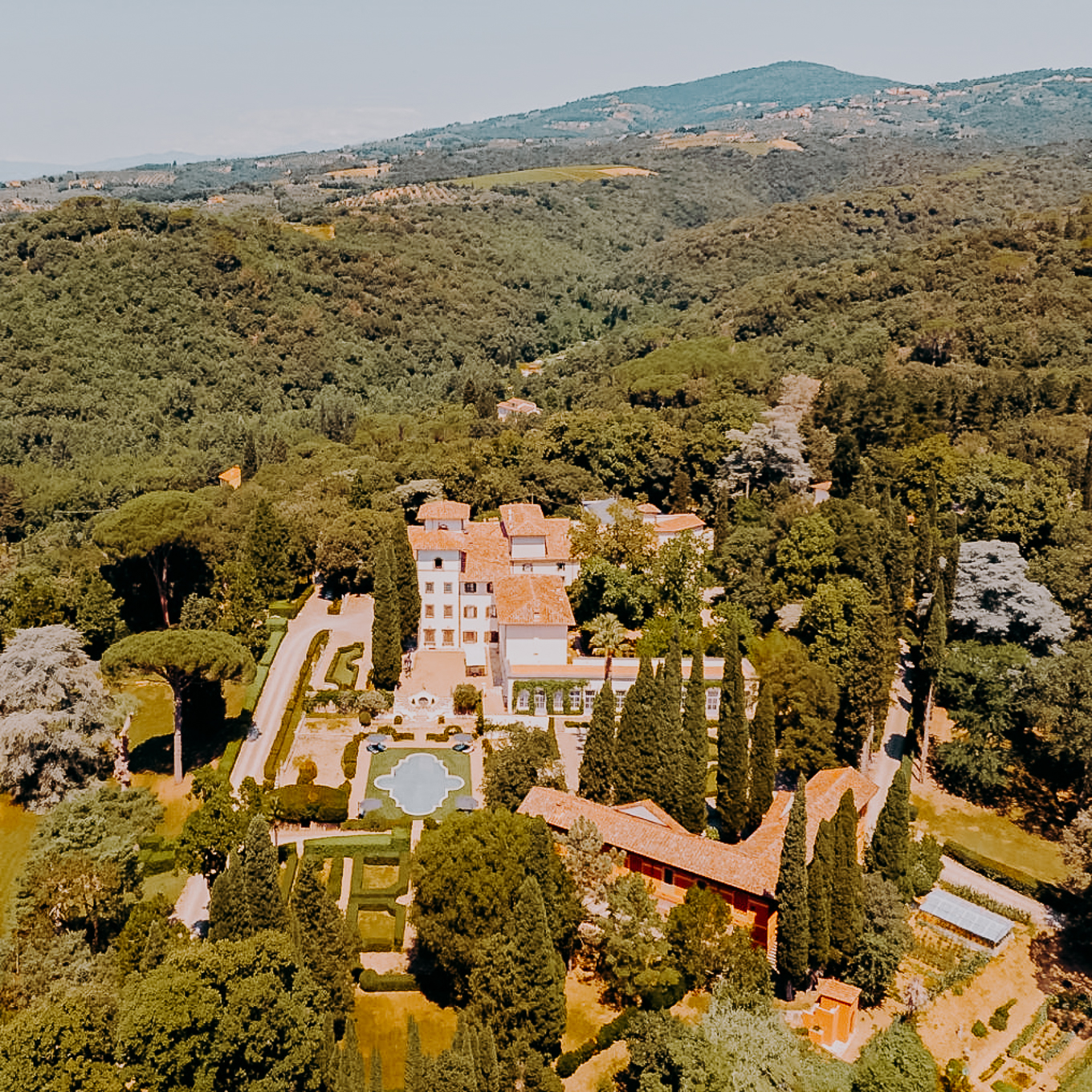
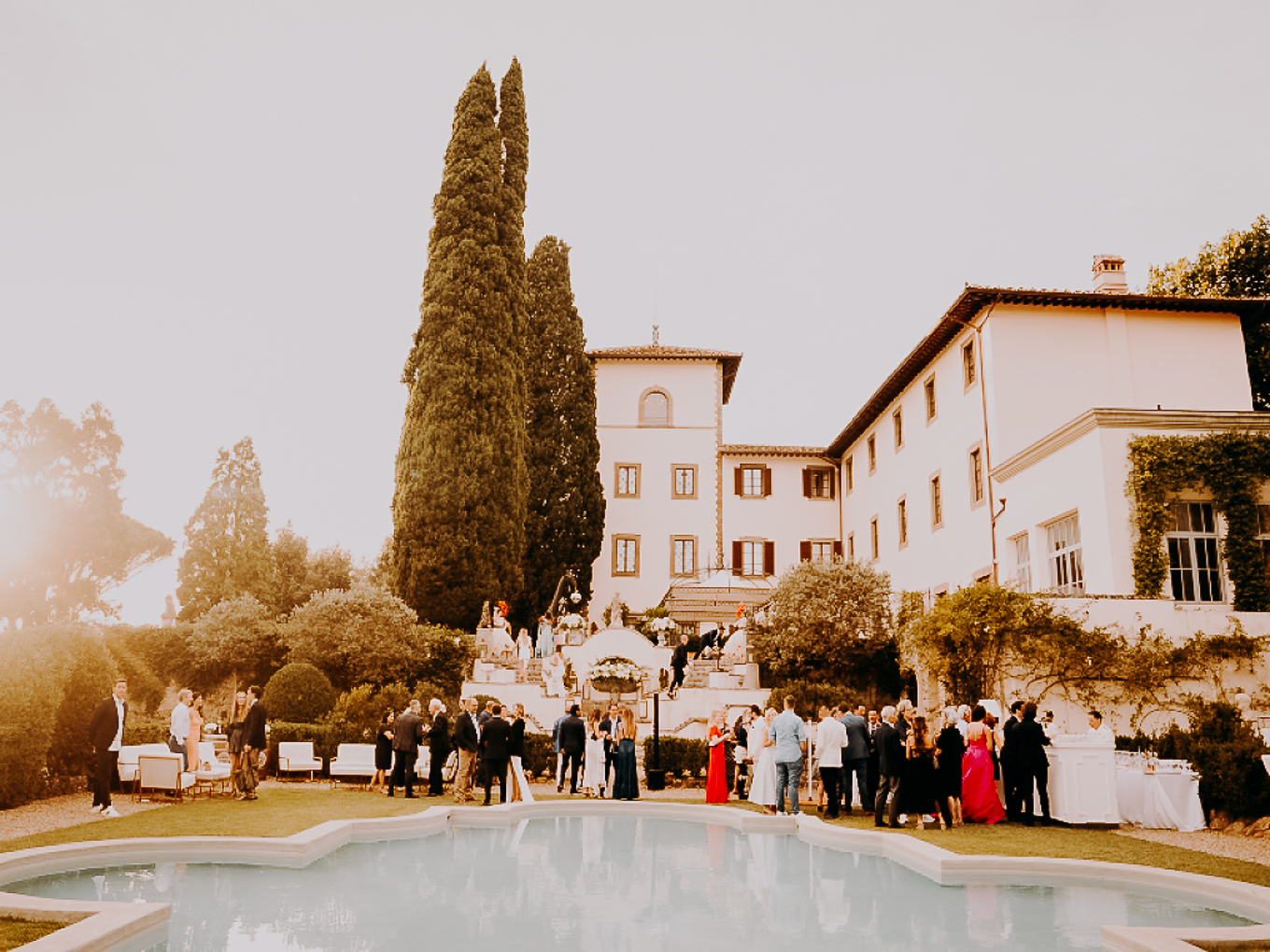
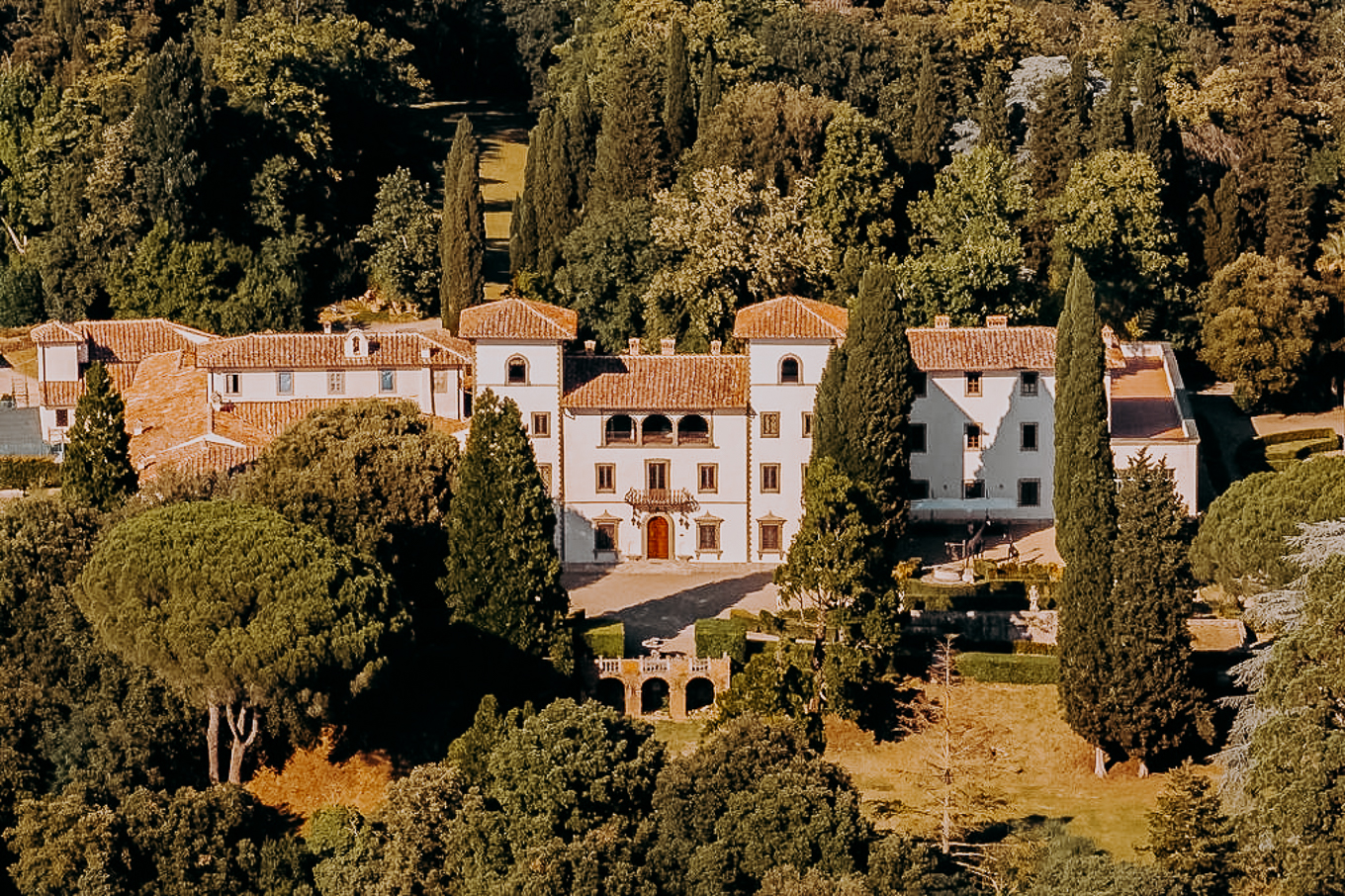
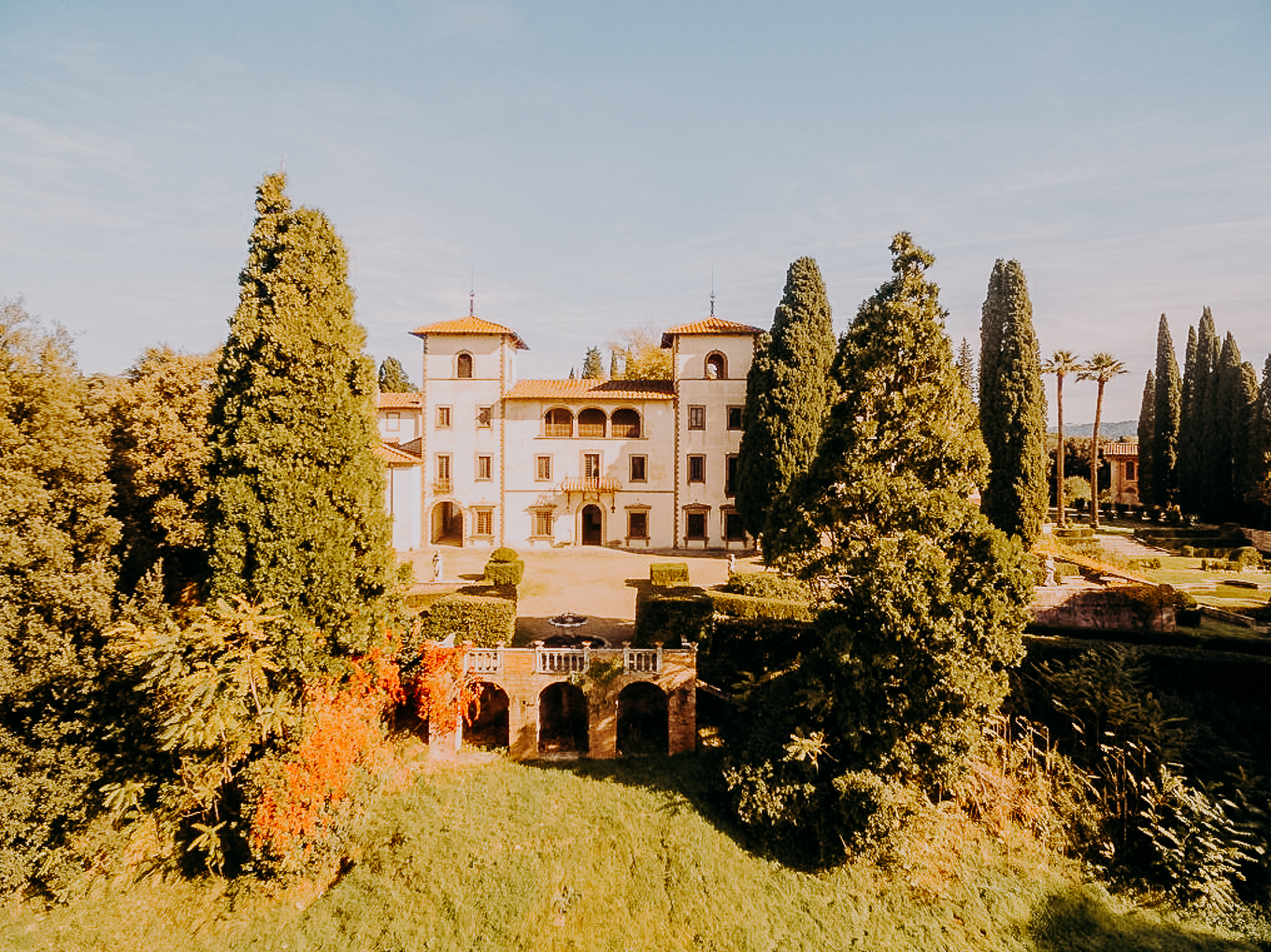
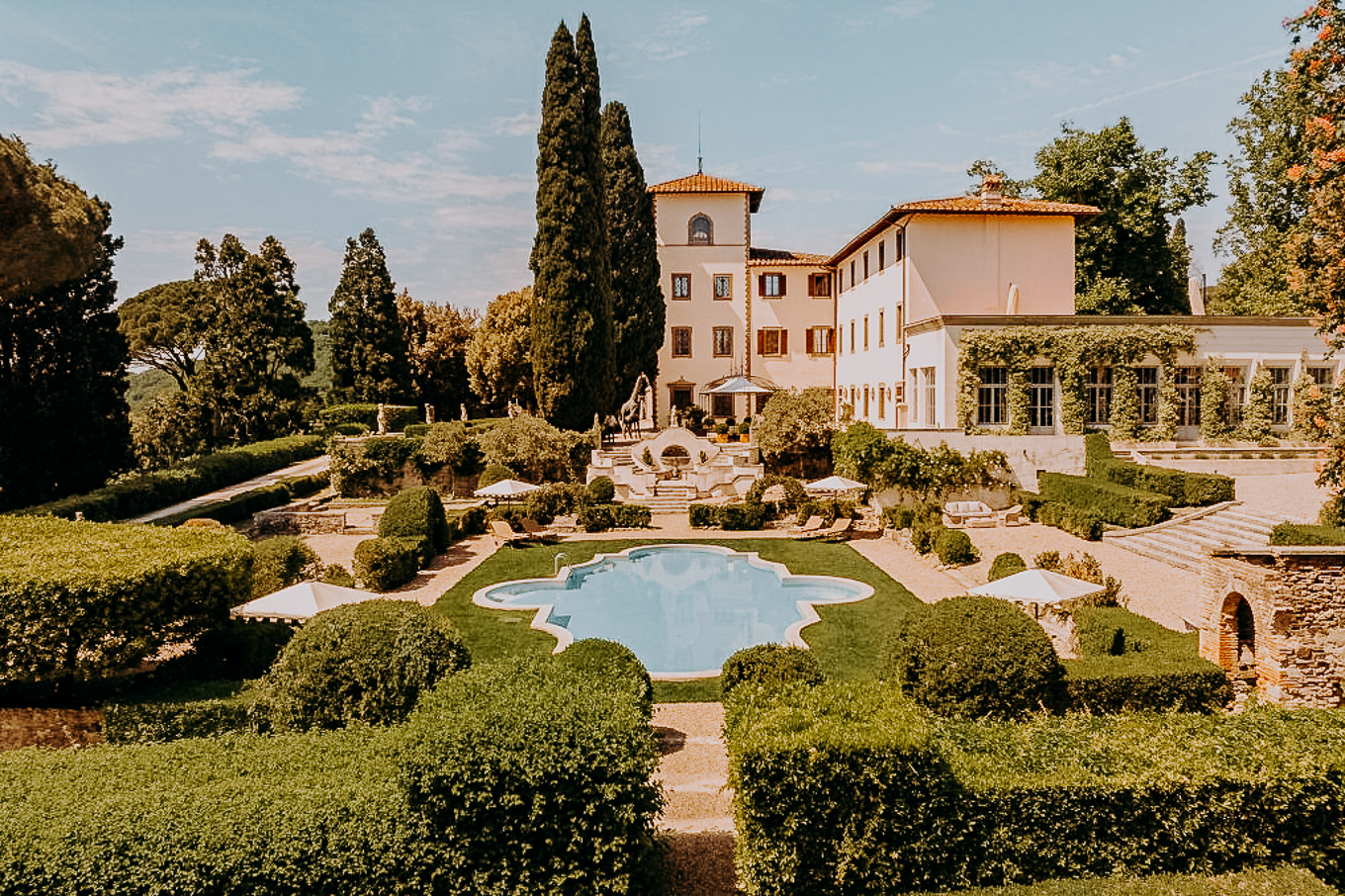
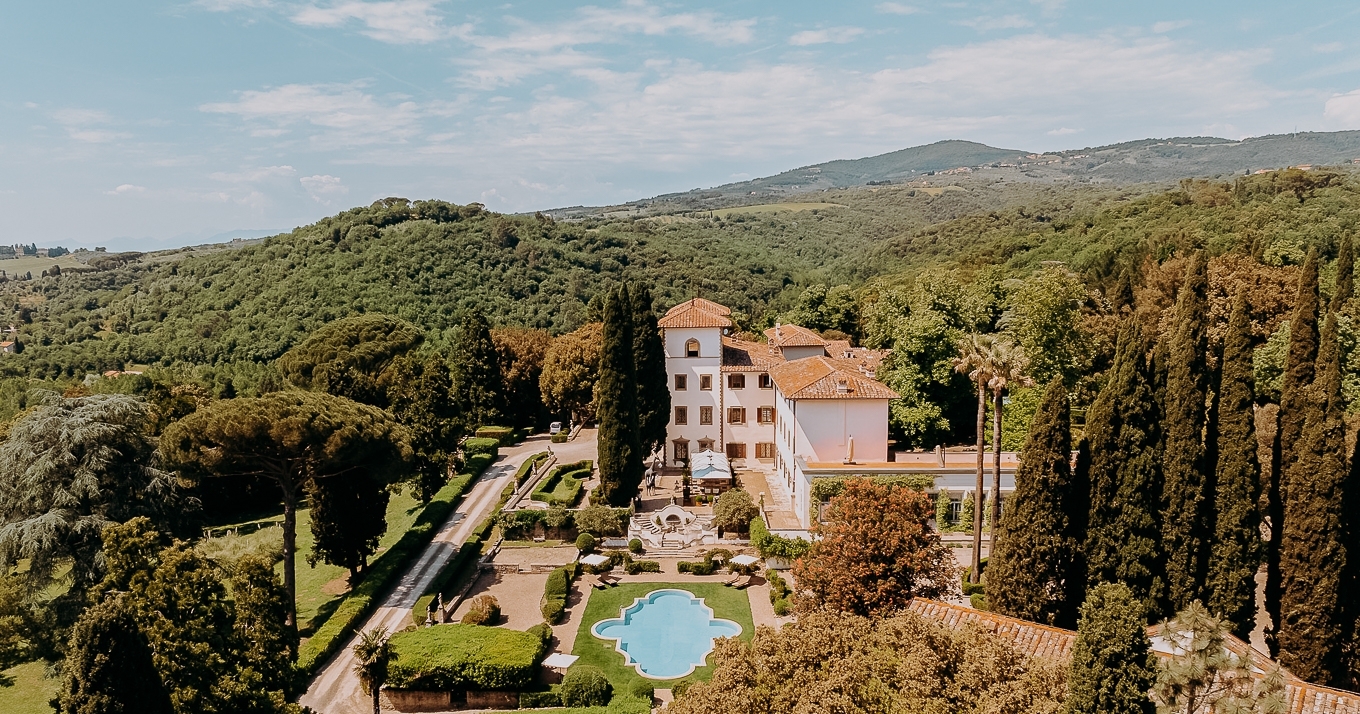
The first historical record of Villa Bibbiani is dated 767 AD. In that year, Desiderio — King of the Lombards, the last ruler of the Lombard Kingdom before Charlemagne — ceded the villa to a Benedictine monastery in Pistoia in remission of his sins. From that act of royal penance to the present, more than thirteen centuries of documented history have unfolded on these southern slopes of the Montalbano, in the Tuscan countryside between the Arno Valley and the territory of Vinci. The Medici family once lived here. The Frescobaldi — one of the great names in Italian wine — expanded their holdings here in the seventeenth century. In 1767, a Frescobaldi obtained from Pope Clement XIII a Plenary Perpetual Indulgence for the estate's private chapel: a personal favour from the Vatican that is still documented in two inscribed stone plaques within the chapel walls. In 1809, the property passed to Cosimo Ridolfi — founder of the first school of agronomy in Italy, president of the Accademia dei Georgofili, and the man historians know as the father of modern Italian agriculture — who gave the estate its twenty-hectare botanical garden of rare and exotic plants. No other wedding venue in this guide carries a documented history that begins in the eighth century. Villa Bibbiani does not merely contain history. It is built from it, layer by layer, name by name, over thirteen centuries.
I photograph weddings across the Florentine area and the surrounding Tuscan countryside, and the Montalbano territory — between the Arno Valley to the south and the Pistoiese hills to the north, with Vinci and its Leonardo connection immediately nearby — produces a quality of landscape and a depth of historical reference that the more touristically concentrated parts of Tuscany rarely match. Villa Bibbiani sits within this territory as if it were always meant to be here, which, in the strictest sense, it was.
The Frescobaldi Chapel: Consecrated by Pope Clement XIII, Inscribed in Two Stone Plaques
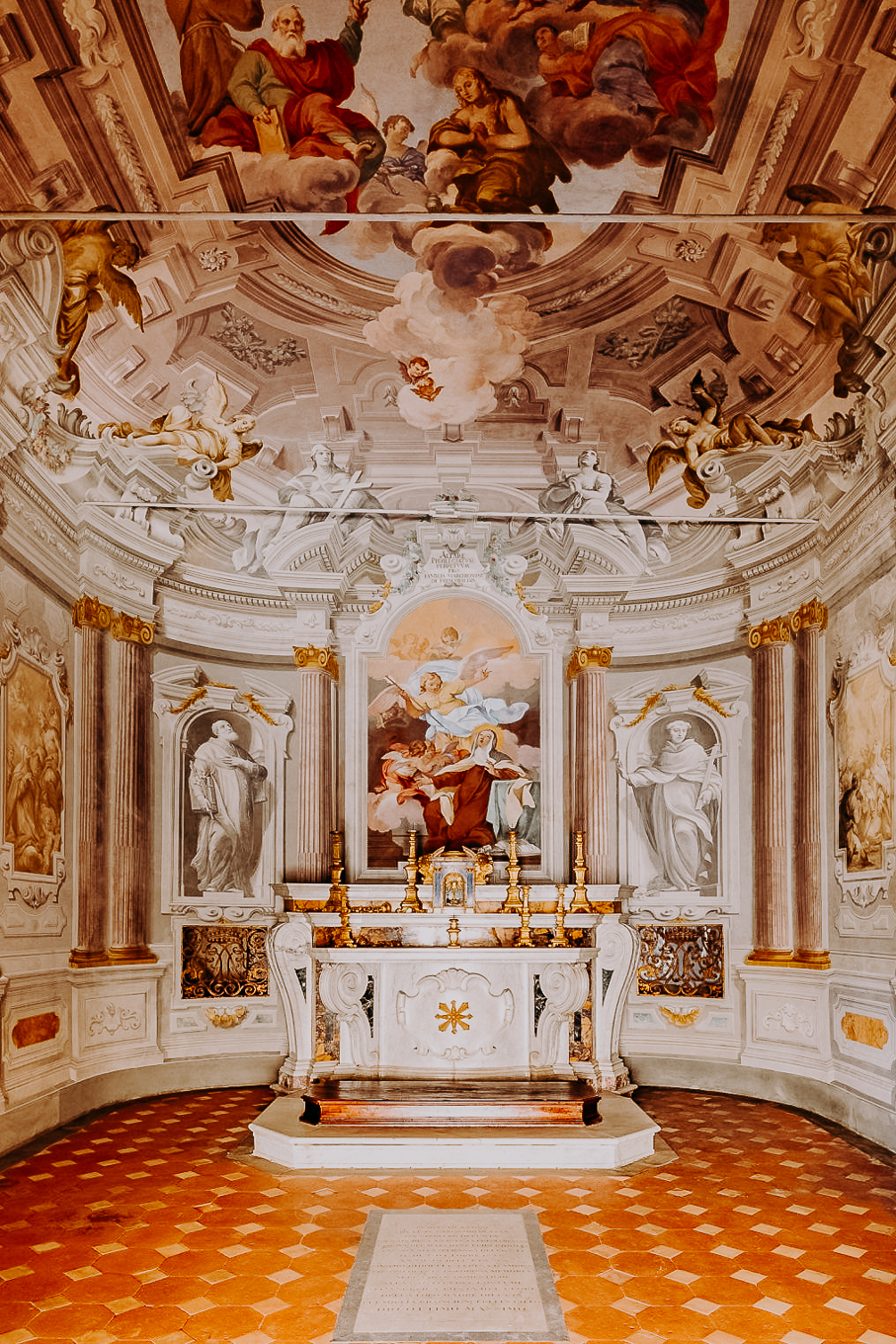
Of all the ceremony spaces in this guide, the seventeenth-century Frescobaldi chapel at Villa Bibbiani is the one whose history is most specifically, most documentably, most inscribed in actual stone. Two plaques within the chapel record the sequence of events. The first, dated 1754, commemorates Francesco Frescobaldi's act of recovering a sacred stone altar from the ancient crypt of a local saint — Santa Grania — and installing it in this chapel to be, in the language of the inscription, adorned more elegantly. The second plaque, dated 1767, records what happened thirteen years later: Francesco's son Giuseppe Frescobaldi petitioned Pope Clement XIII — Carlo Rezzonico of Venice, who reigned as pope from 1758 to 1769 and is remembered historically for his defence of the Jesuits against the unified pressure of the most powerful European monarchs — and received from him, as a personal favour, a Plenary Perpetual Indulgence for this altar. This is not a legend or a family tradition. It is inscribed on the walls of the chapel in Latin, still legible, still present.
The website of Villa Bibbiani says something about this that is worth quoting in spirit rather than in letter: to exchange vows in this chapel is to stand on a sacred relic, blessed by a Pope, in a space built as an act of lasting familial love. The Indulgence is perpetual, which means it is still in force. The stones of the altar are still the stones from Santa Grania's crypt. The chapel is still consecrated. Nothing about this setting is a reconstruction or a reference. It is the original thing.
The Arco dell'Uomo: An Etruscan Portal as Ceremony Setting
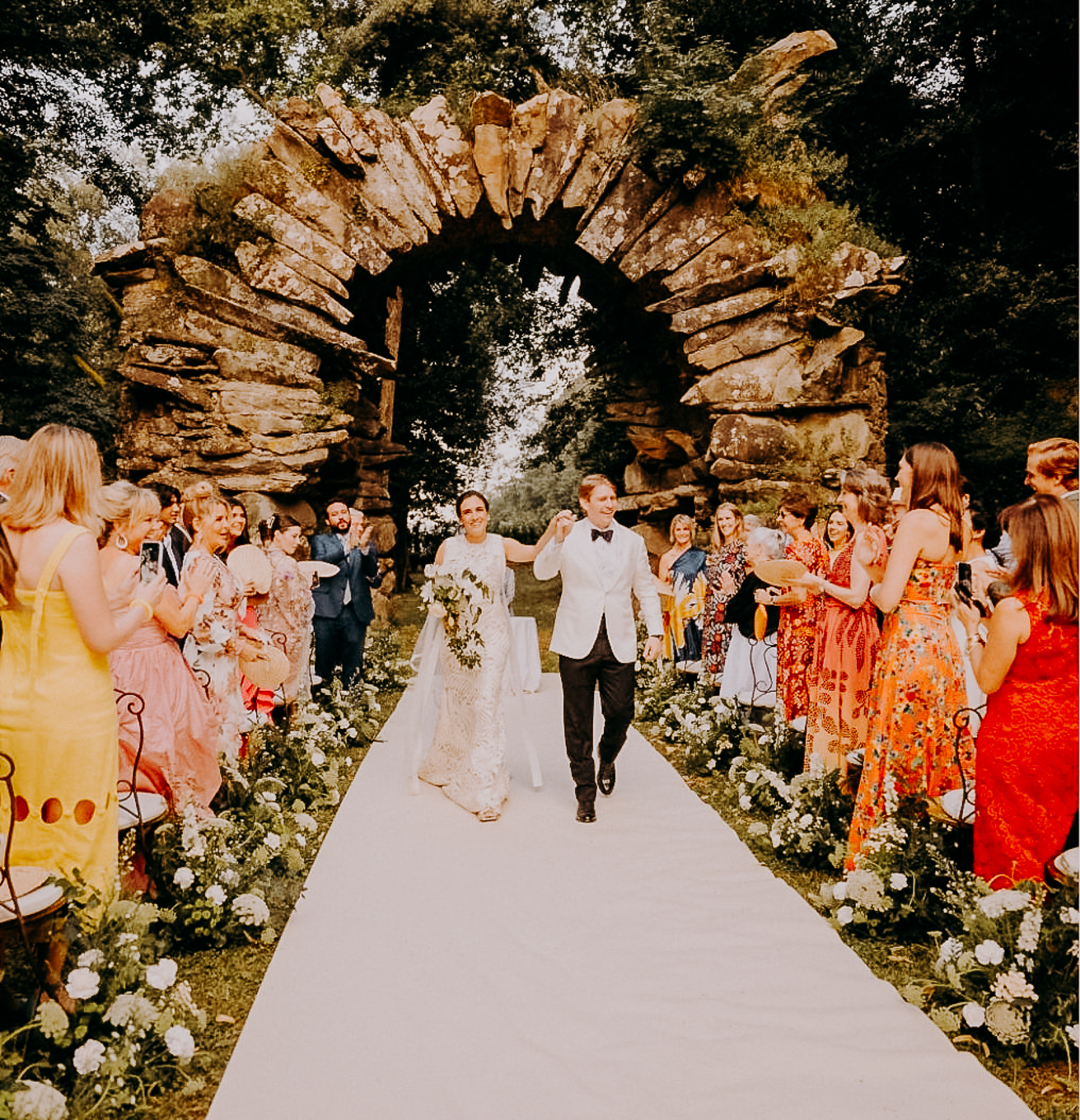
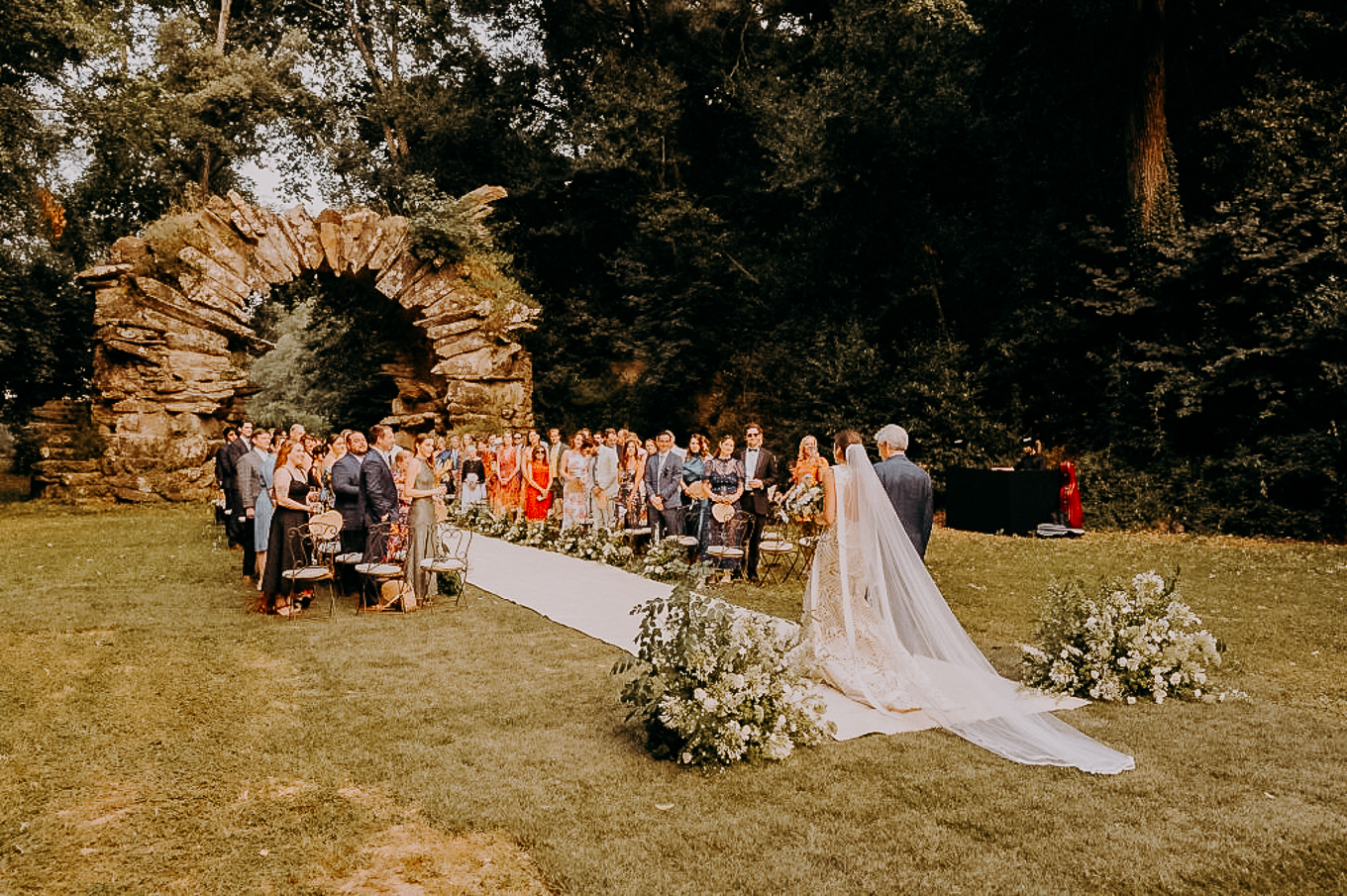
For outdoor ceremonies, Villa Bibbiani offers what it calls the Arco dell'Uomo — the Arch of Man. The estate describes it as an authentic monumental stone arch with origins in the Etruscan civilisation that flourished on this hill more than 2,500 years ago, likely once serving as the entrance to a sacred area, predating both the villa and the Roman Empire. Whether as a documented archaeological monument or as the estate's own framing of an ancient structure whose precise origins carry the weight of deep time, standing beneath it to exchange vows places the ceremony within a temporal frame that the most carefully designed modern ceremony setting cannot create. Surrounding it, the panoramic views extend over the Arno Valley — one of the most consistently beautiful landscape views in the Florentine countryside — framing the ceremony with a depth of natural and historical atmosphere that is, in the estate's own words, unrivalled in power, permanence, and timeless beauty.
Cosimo Ridolfi and the Twenty-Hectare Botanical Garden
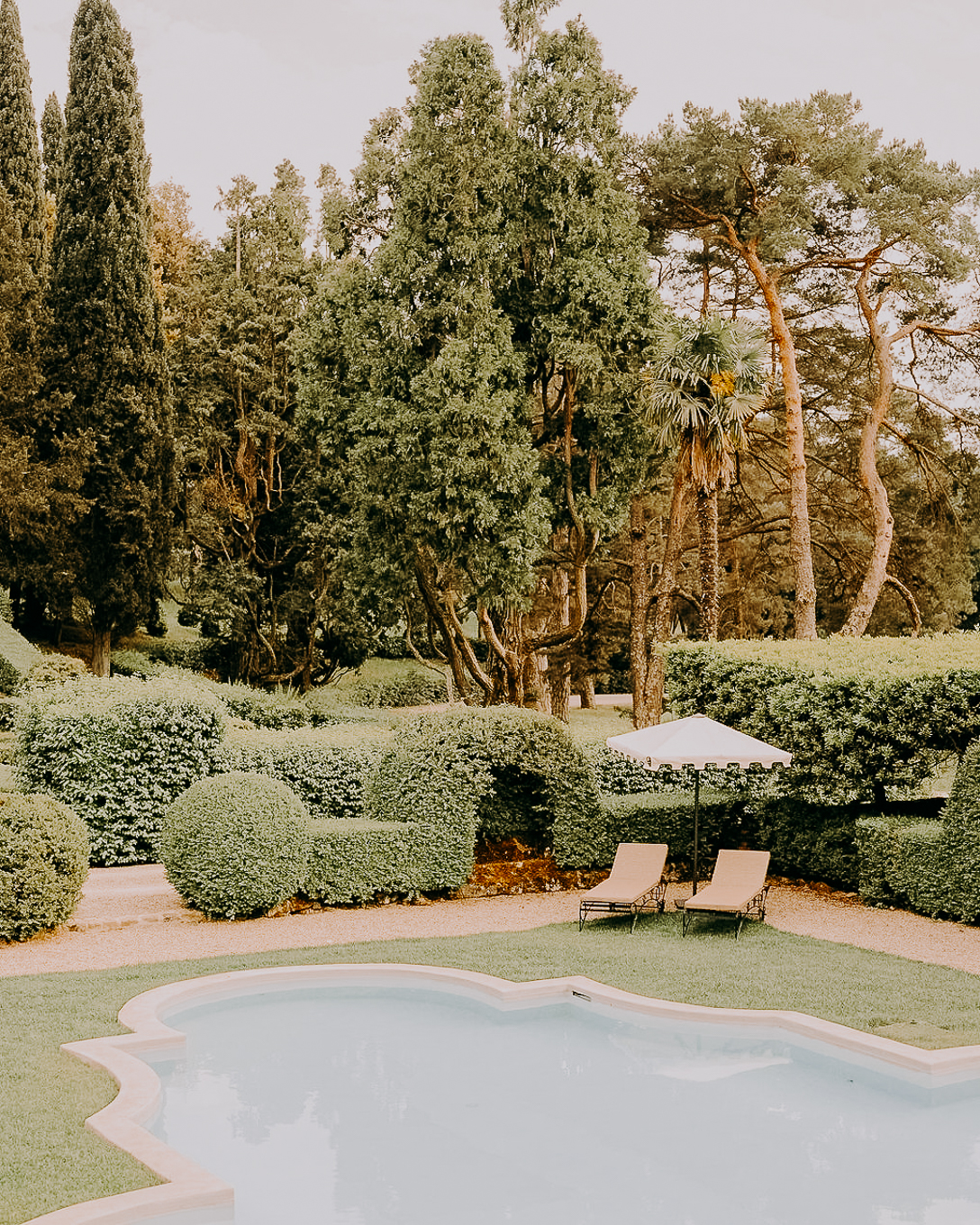
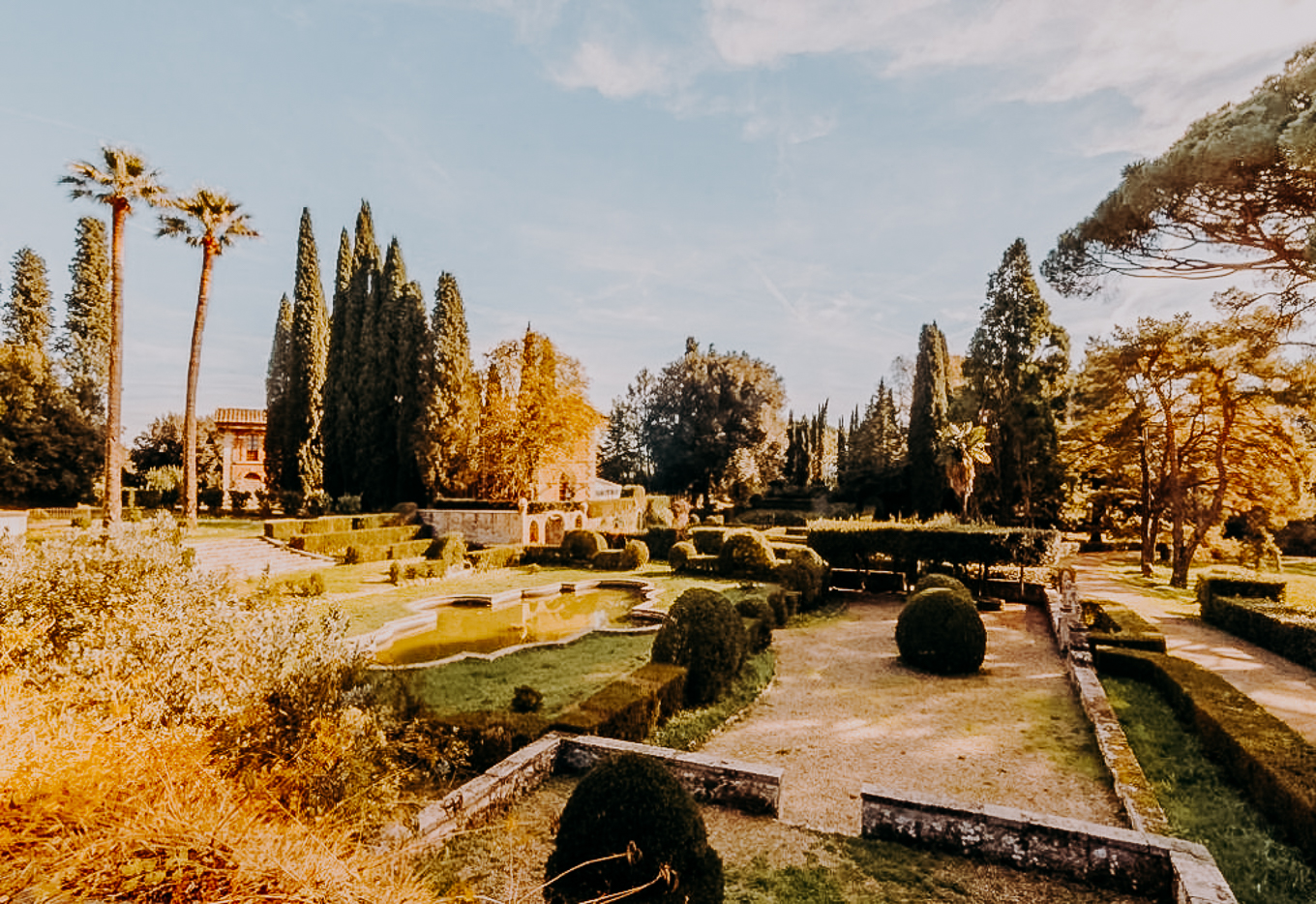
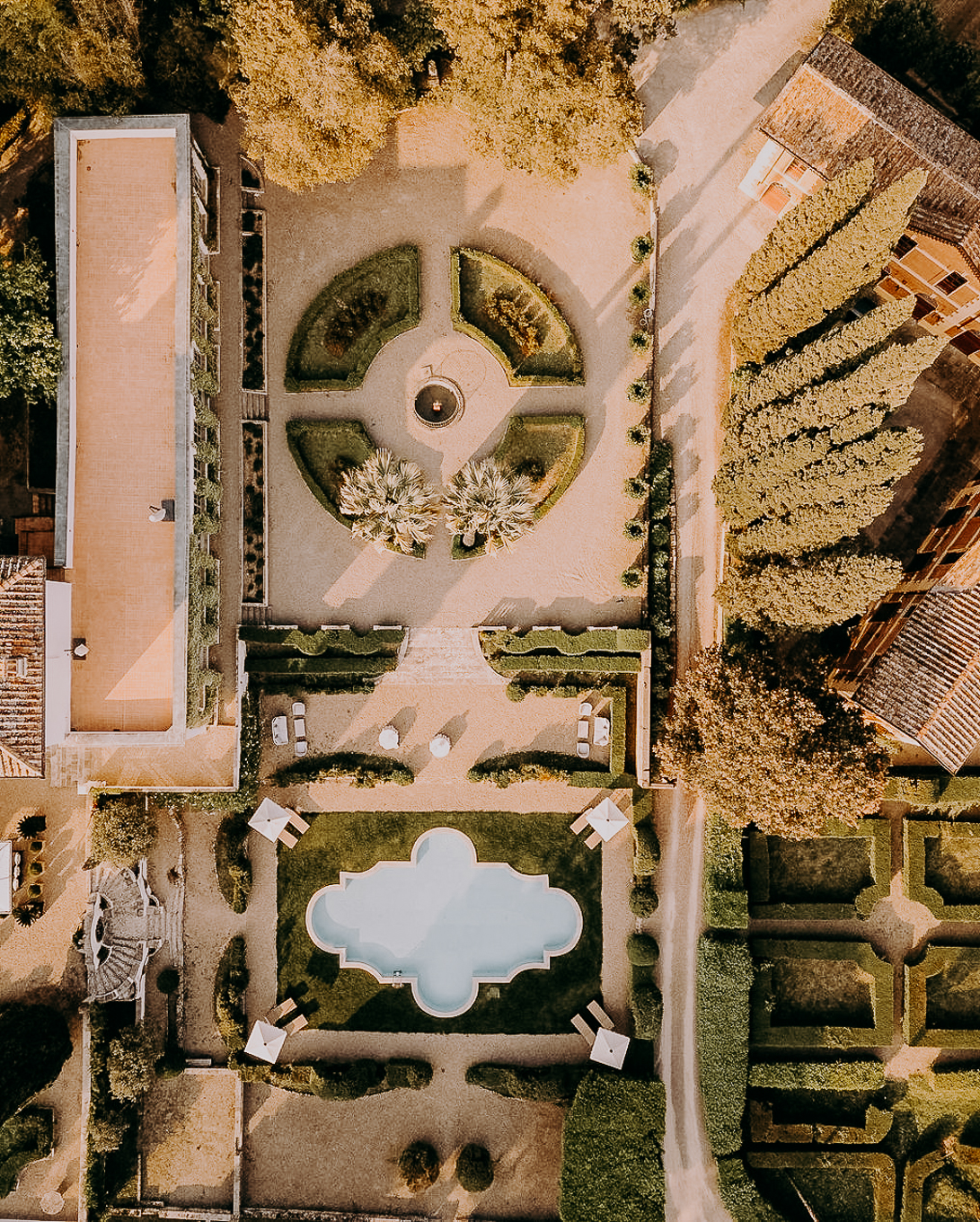
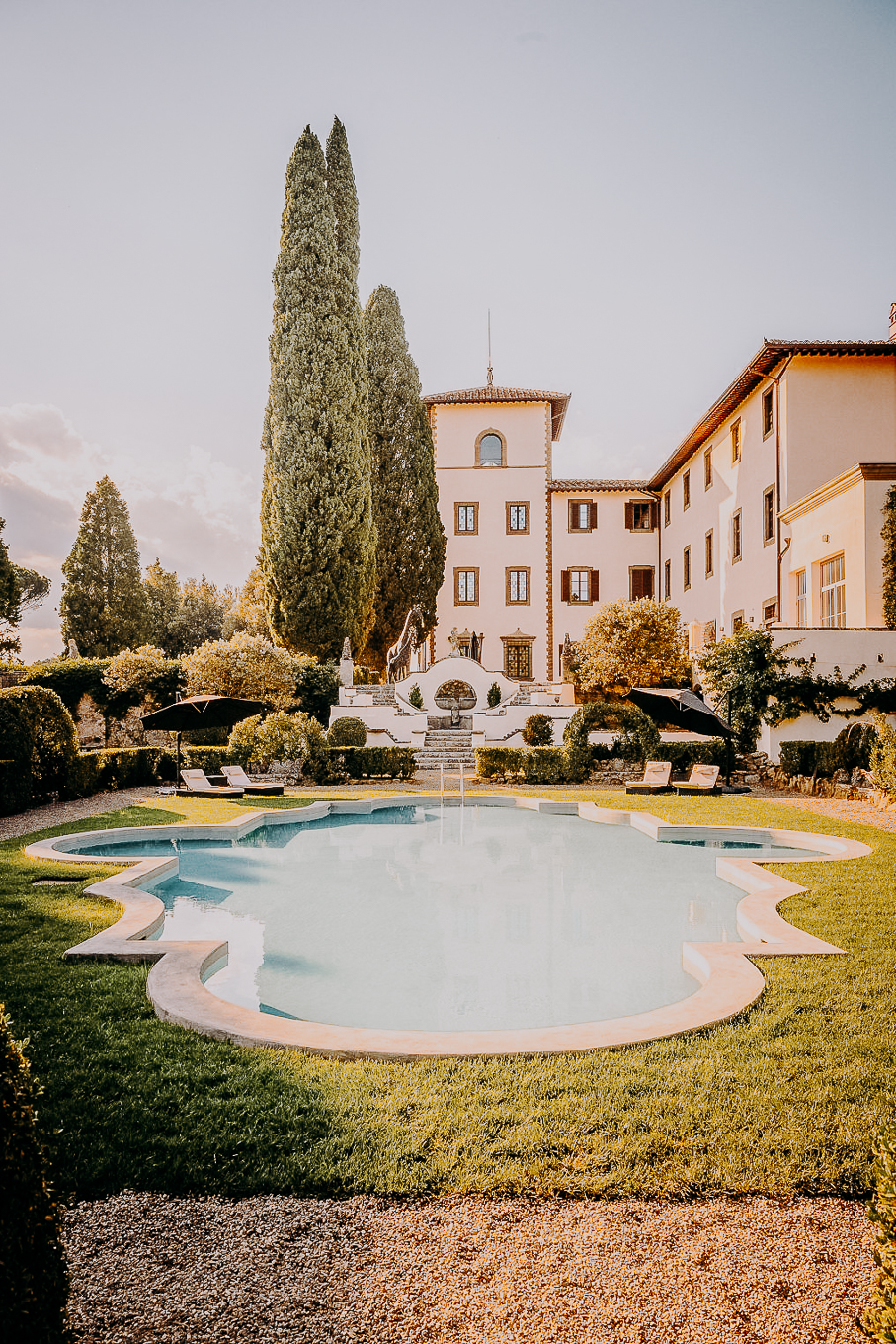
In 1809, Villa Bibbiani passed to Cosimo Ridolfi — and with him came one of the most consequential chapters in the estate's history. Ridolfi was not merely a Tuscan nobleman with an interest in horticulture. He was the founder of the first school of agronomy in Italy, established in Pisa; the president of the Accademia dei Georgofili, the oldest agricultural academy in the world; and the figure whom Italian historians of agriculture recognise as the father of modern Italian agriculture. His contribution to Villa Bibbiani was the twenty-hectare botanical garden that now surrounds the villa: a park of rare and exotic plant species assembled with the specific intelligence of a man who understood plants with a rigour that most of his contemporaries did not. The botanical park is not an ornamental garden. It is a scientific and aesthetic project that carries Ridolfi's intellectual ambition in its species list as clearly as his papers carry it in their arguments. For a wedding celebration — cocktail hour beneath centuries-old exotic trees, portrait sessions in a garden created by the father of Italian agriculture — the park provides a setting whose combination of botanical rarity and historical depth is unique among wedding venues in Tuscany.
The Grand Ballroom, the Theater, and the Grand Arch
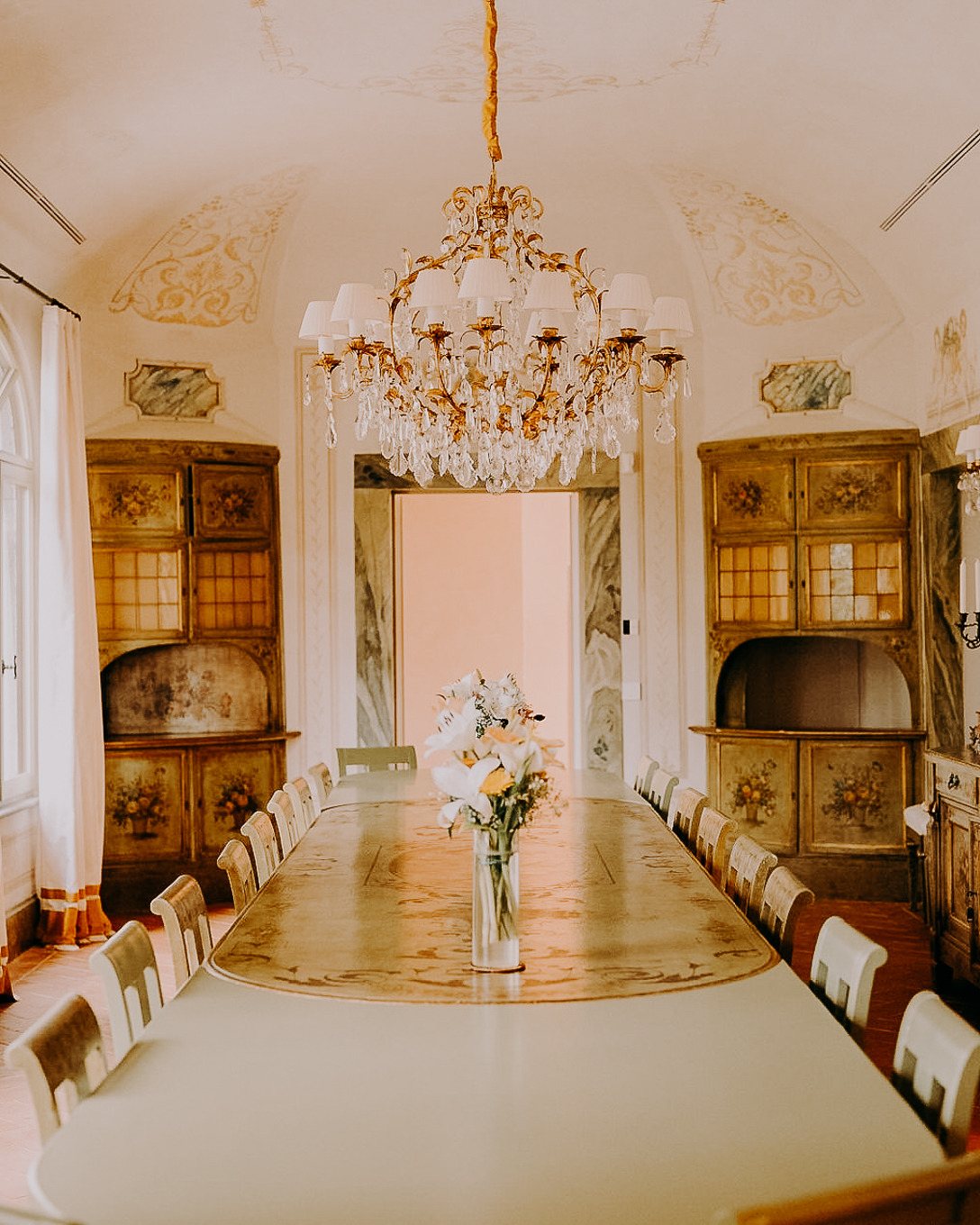
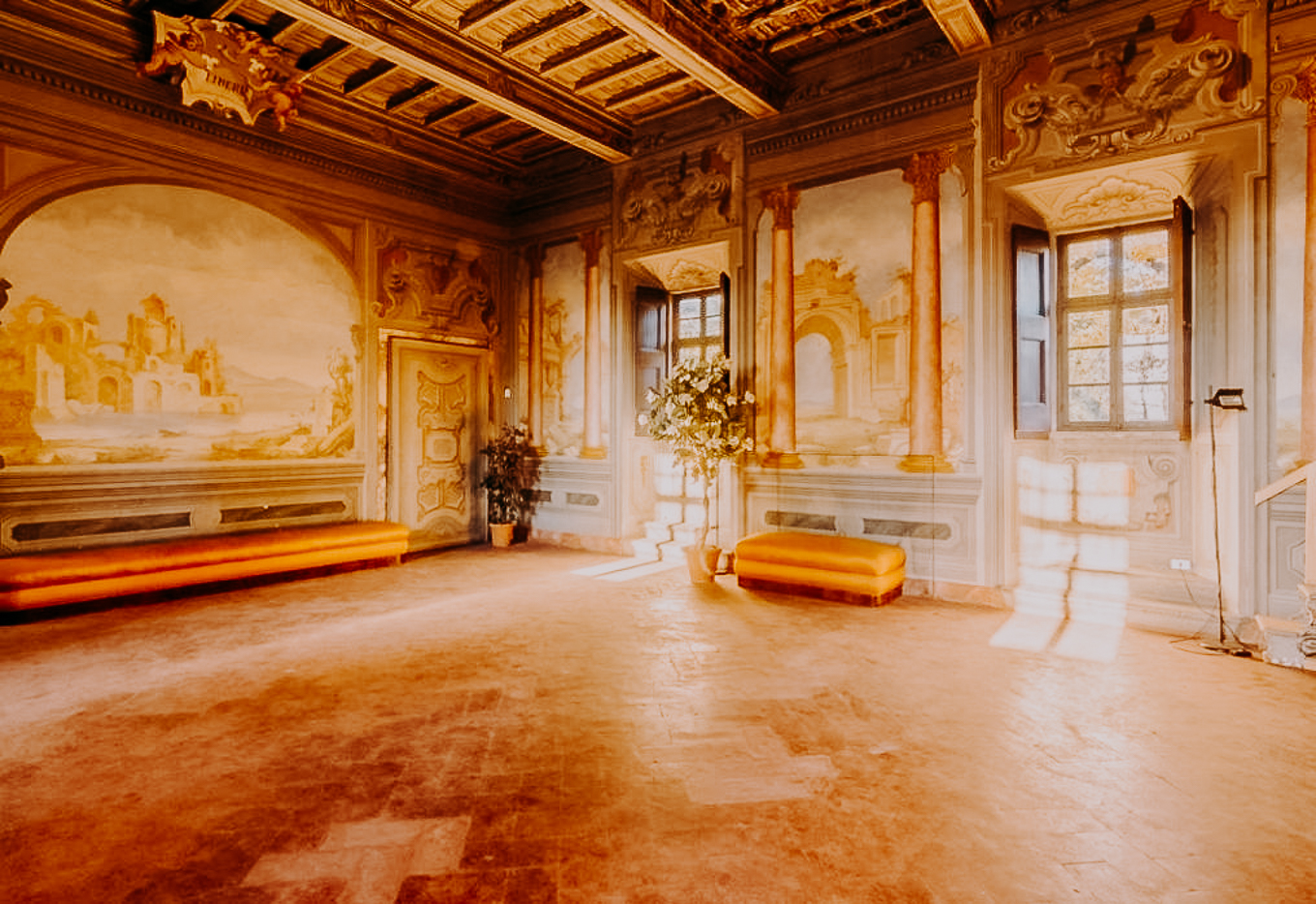
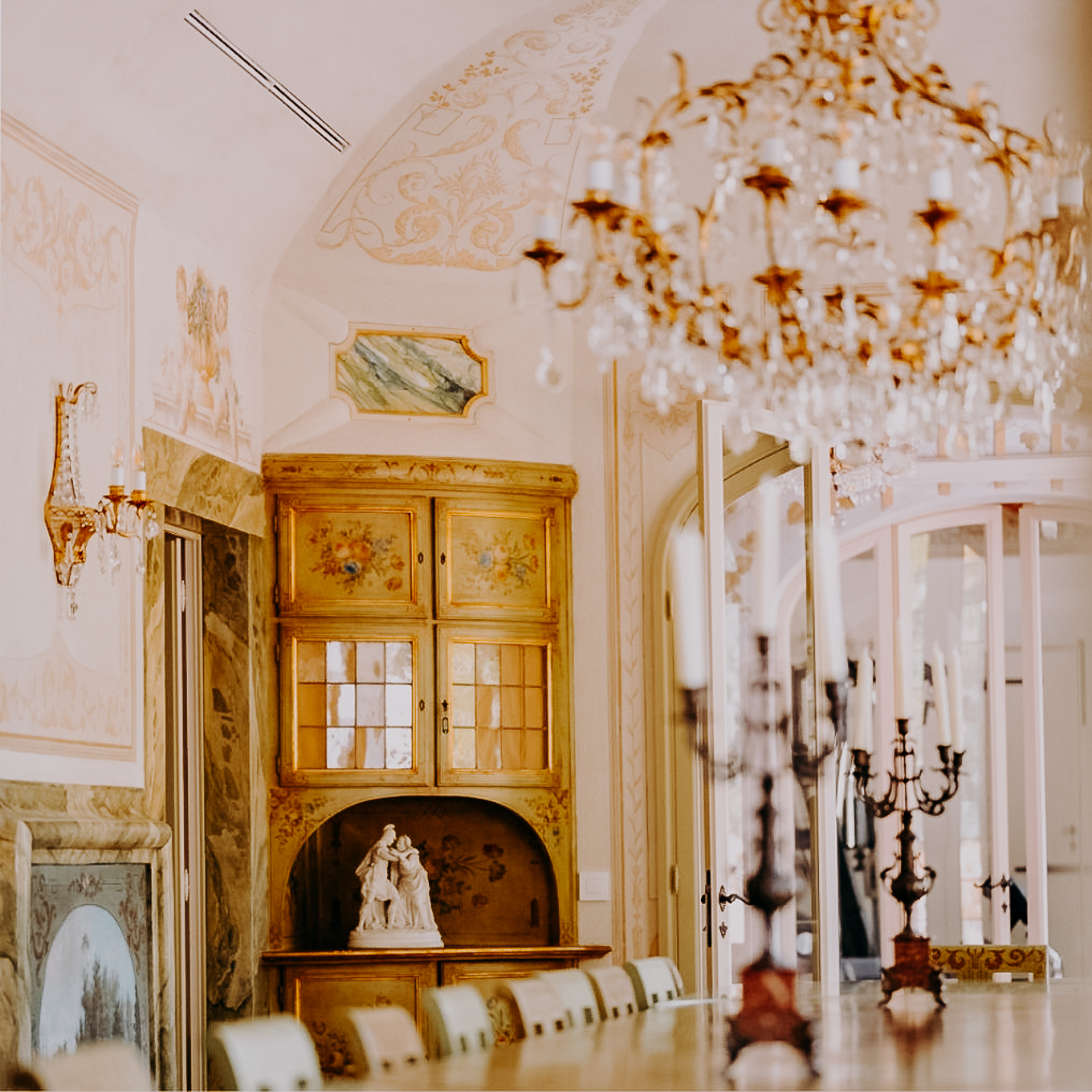
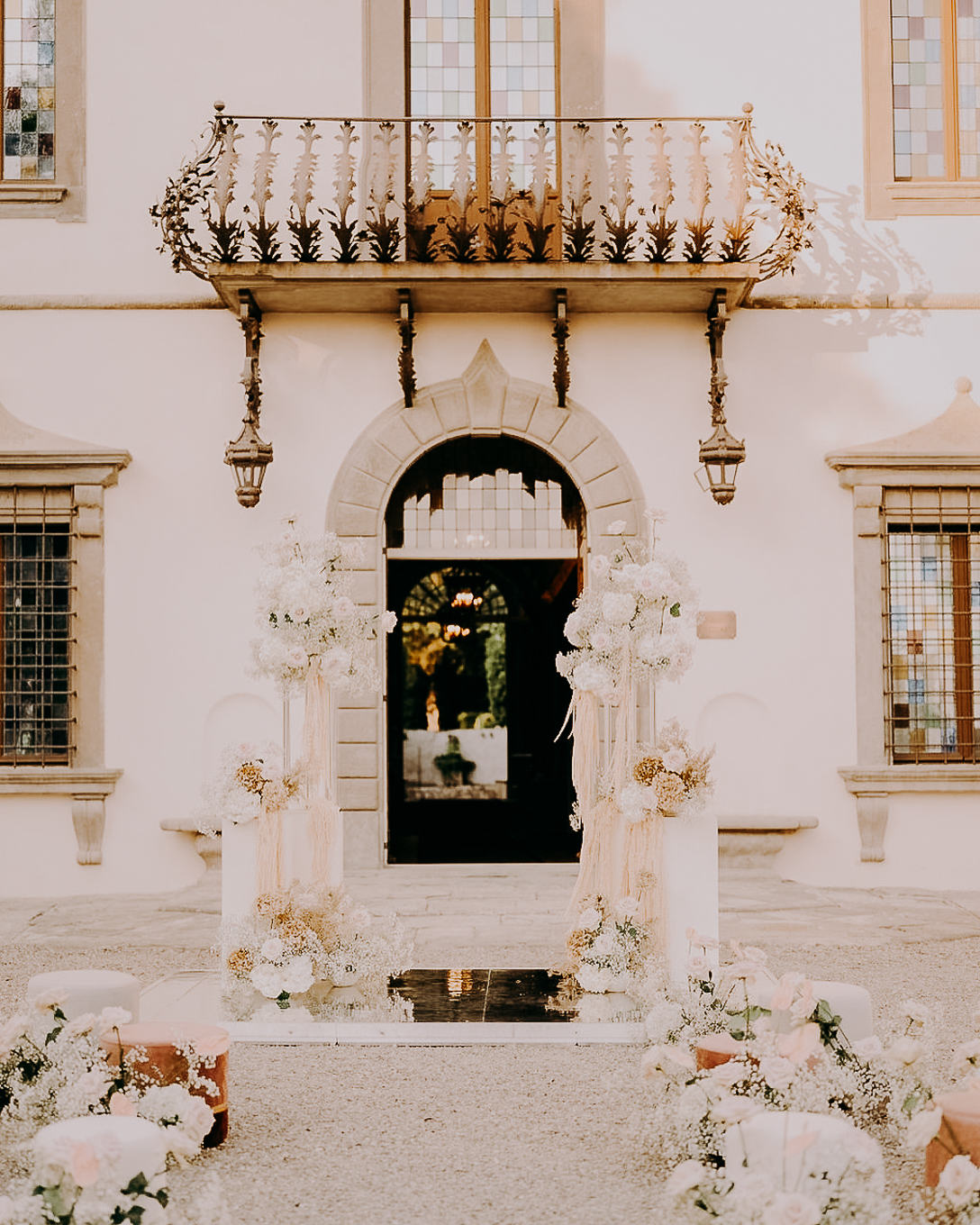
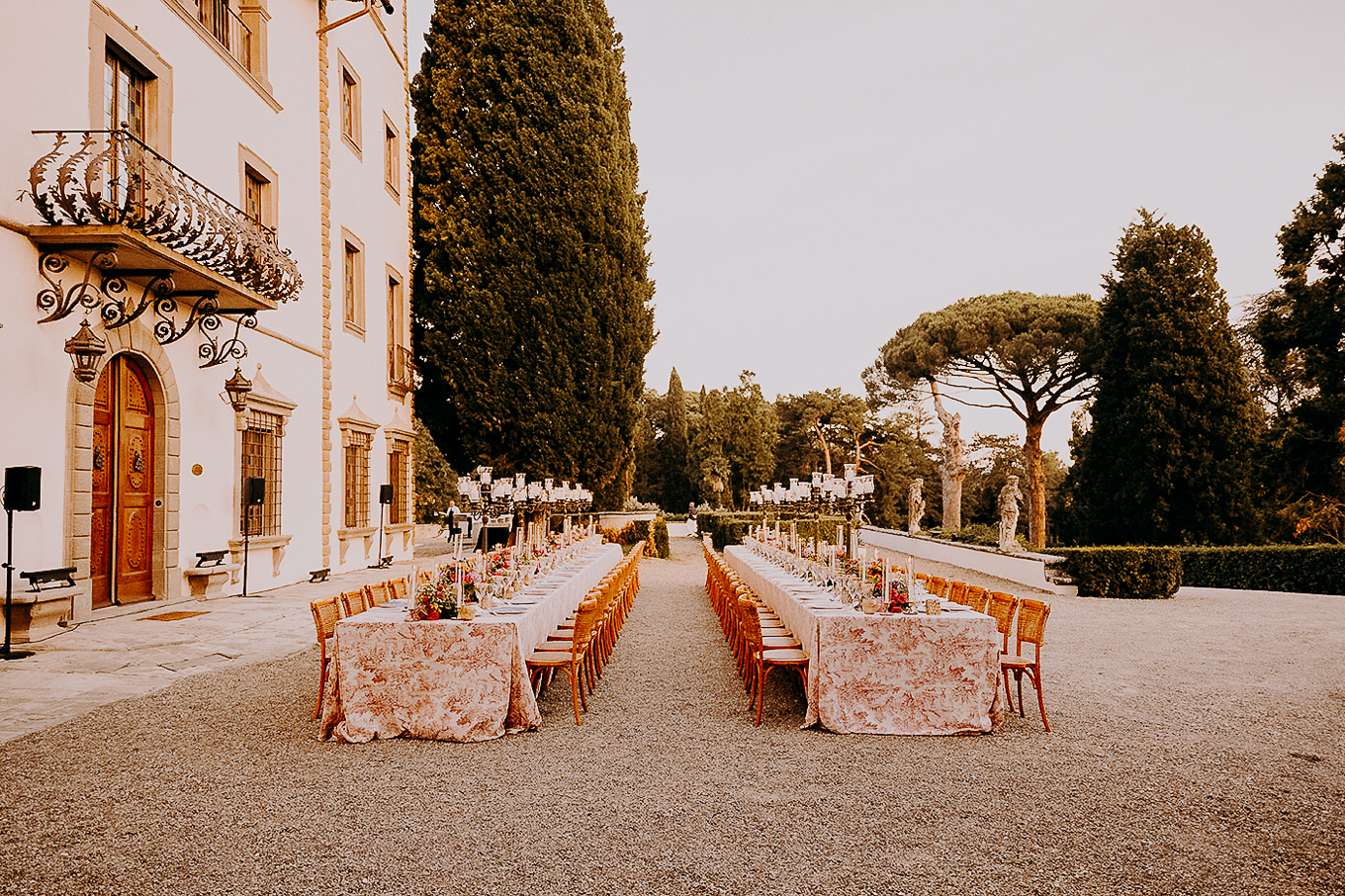
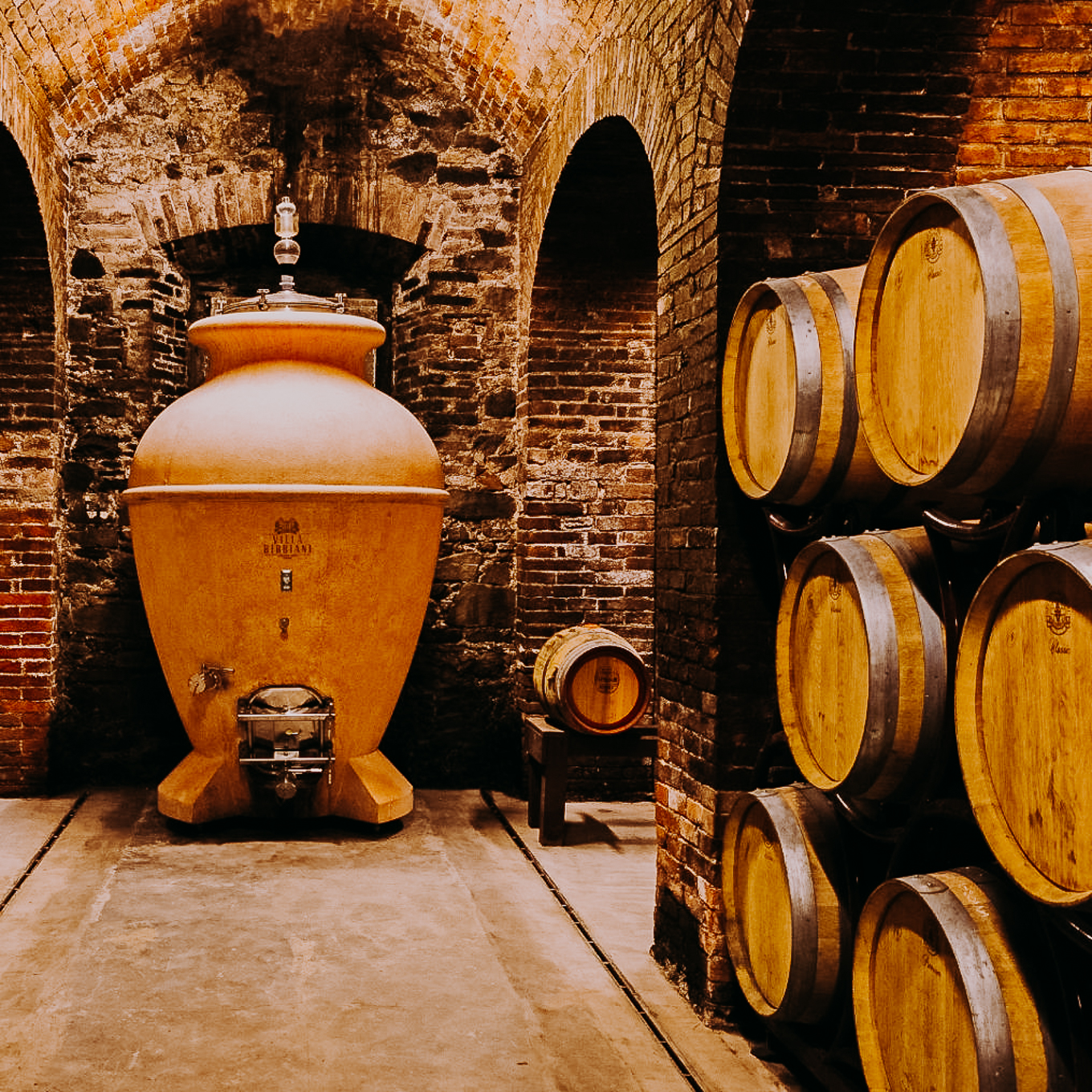
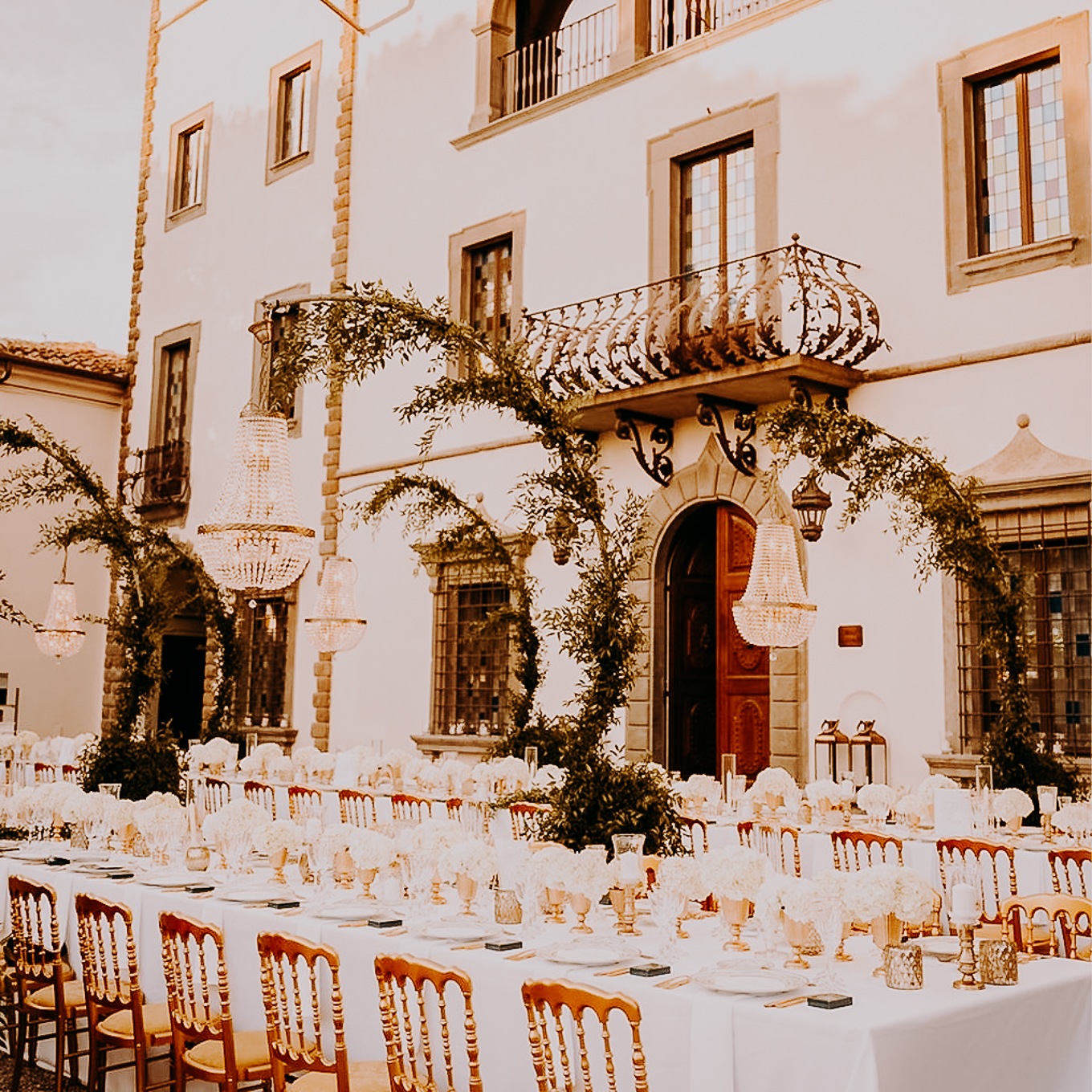
The event infrastructure of Villa Bibbiani matches the scale and ambition of its history. The Grand Ballroom provides the principal indoor space for receptions and dancing — an elegant, covered environment that the estate describes as impeccable for dining and allowing celebrations to continue until late in the night, regardless of weather. The Grand Arch of the villa — the iconic stone arch that is one of the most immediately recognisable architectural features of the estate — provides a ceremony and reception setting with the sweeping views and the architectural authority that make it the natural complement to the botanical park and the Etruscan arch as outdoor event environments. The estate also contains a private theater within the villa building, offering a further interior space of historical and architectural significance that can be incorporated into celebrations requiring a stage or performance setting. The in-house chef prepares Tuscan and Italian cuisine for events, and the estate's own winery — a long-standing production tradition at Villa Bibbiani — supplies wine that comes from the same land that Cosimo Ridolfi farmed in the early nineteenth century.
What does it feel like to exchange your vows under an Etruscan arch, in a garden created by the father of Italian agriculture, on land that a Lombard king gave to a monastery in 767 AD?
Villa Bibbiani does not ask you to imagine history. It gives you the stones. The inscriptions. The plagues with dates and names. Photographing inside that kind of material density requires one thing above all: the patience to let it speak rather than trying to illustrate it.
How Francesco worksGetting to Villa Bibbiani: Practical Information for International Couples
Villa Bibbiani is located on the southern slopes of the Montalbano, in the Florentine countryside between the Arno Valley and the territory of Vinci — the town that gave birth to Leonardo da Vinci, a few kilometres from the estate. Florence is the most convenient major city, accessible by car along the Arno Valley. Florence Airport serves European routes, and Pisa Galileo Galilei Airport is also accessible. The estate's concierge service offers transport arrangements including, remarkably, helicopter access — a detail that speaks to the scale and the calibre of its hospitality offer. For guests who want to combine a wedding stay in this territory with the cultural programme of Tuscany, the proximity of Vinci, the Arno Valley, and Florence makes the Montalbano area one of the most richly contextualised positions available at any historic estate in the region.
Villa Bibbiani: Questions From Couples Planning a Wedding at a Tuscan Estate of Over Thirteen Centuries
How does the legal wedding process work for foreign couples getting married at Villa Bibbiani?
Foreign nationals wishing to marry legally in Italy must begin the documentation process through the Italian consulate in their country of residence several months before the wedding date, with requirements varying by nationality. The estate's dedicated events team works with the best Italian suppliers and accompanies couples through every phase of the organisation. Whether the ceremony takes place in the consecrated Frescobaldi chapel, under the Arco dell'Uomo, beneath the Grand Arch, or in the botanical garden, the team manages all coordination, including the administrative requirements for international civil ceremonies.
What is the Plenary Perpetual Indulgence granted by Pope Clement XIII, and what does it mean for the chapel?
A Plenary Indulgence, in Catholic theology, is the full remission of the temporal punishment due to sin. The Perpetual nature of the Indulgence granted to the Frescobaldi chapel in 1767 means that it remains in force indefinitely, attached to the altar that Francesco Frescobaldi had recovered from the crypt of Santa Grania and installed in the chapel in 1754. The Indulgence was granted by Pope Clement XIII as a personal favour to Giuseppe Frescobaldi — a testament, according to Villa Bibbiani's own account, to the exceptional position and influence that the Frescobaldi family held in Rome at the time. Both events are inscribed in Latin on stone plaques within the chapel. For couples who want to exchange their vows in a space of specifically documented sacred history, the chapel at Villa Bibbiani offers something that cannot be replicated by any newly consecrated or recently restored chapel anywhere in Tuscany.
Who was Cosimo Ridolfi and why is the botanical garden significant?
Cosimo Ridolfi (1794–1865) was a Tuscan nobleman, politician, and agronomist who inherited Villa Bibbiani in 1809 and became one of the most significant figures in the history of Italian agriculture. He founded the first school of agronomy in Italy at Pisa and served as president of the Accademia dei Georgofili — the world's oldest agricultural academy — and is recognised by Italian historians as the father of modern Italian agriculture. The twenty-hectare botanical garden he created at Villa Bibbiani, planted with rare and exotic species from across the world, is the direct legacy of his scientific and aesthetic intelligence. It is not an ornamental park designed for a villa. It is a botanist's collection, assembled by someone who understood plants with professional rigour.
What is the Arco dell'Uomo and why does the estate call it Etruscan?
The Arco dell'Uomo — the Arch of Man — is a large stone arch on the estate that Villa Bibbiani describes as an authentic relic of the Etruscan civilisation that occupied this hill more than 2,500 years ago, likely serving as a monumental entrance to a sacred area. The estate frames the experience of marrying beneath it as a ritual that connects the couple's future to the deepest and most ancient past of Tuscany. Couples who want to understand the archaeological context and documentation of the arch are encouraged to ask the estate team directly, as its significance as a ceremony setting is best understood in dialogue with the property's own historical knowledge.
Is there a theater within the villa that can be used for wedding events?
Yes. Villa Bibbiani contains a private theater within the villa building, listed on the estate's own site alongside the chapel and the other principal spaces. Its use as part of a wedding celebration — for entertainment, for a performance, or as a distinctive gathering space — is something to discuss directly with the estate team when planning the event format.