A Medici Villa Looking Back at the Duomo: Getting Married at Villa Medicea di Lilliano, Grassina
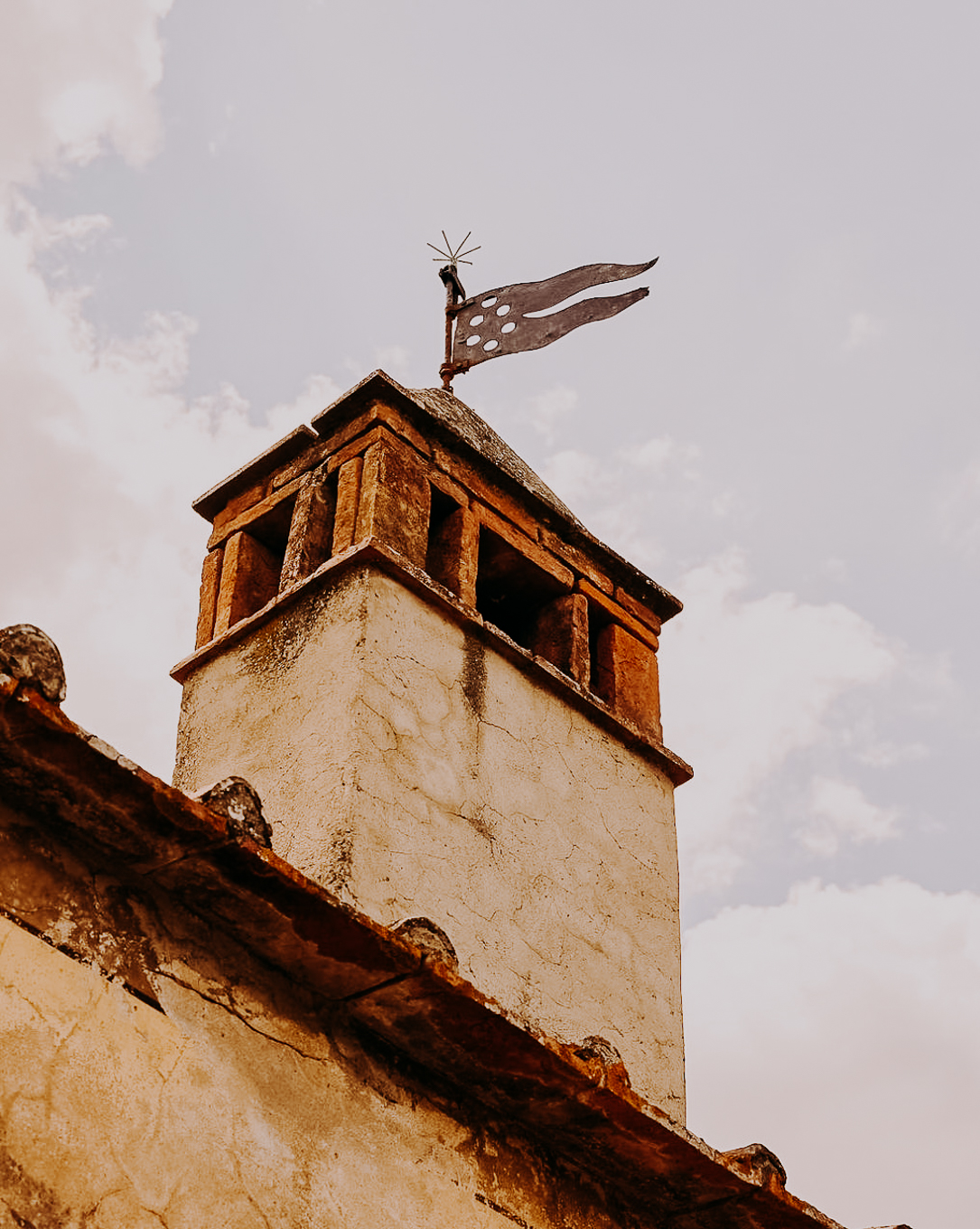
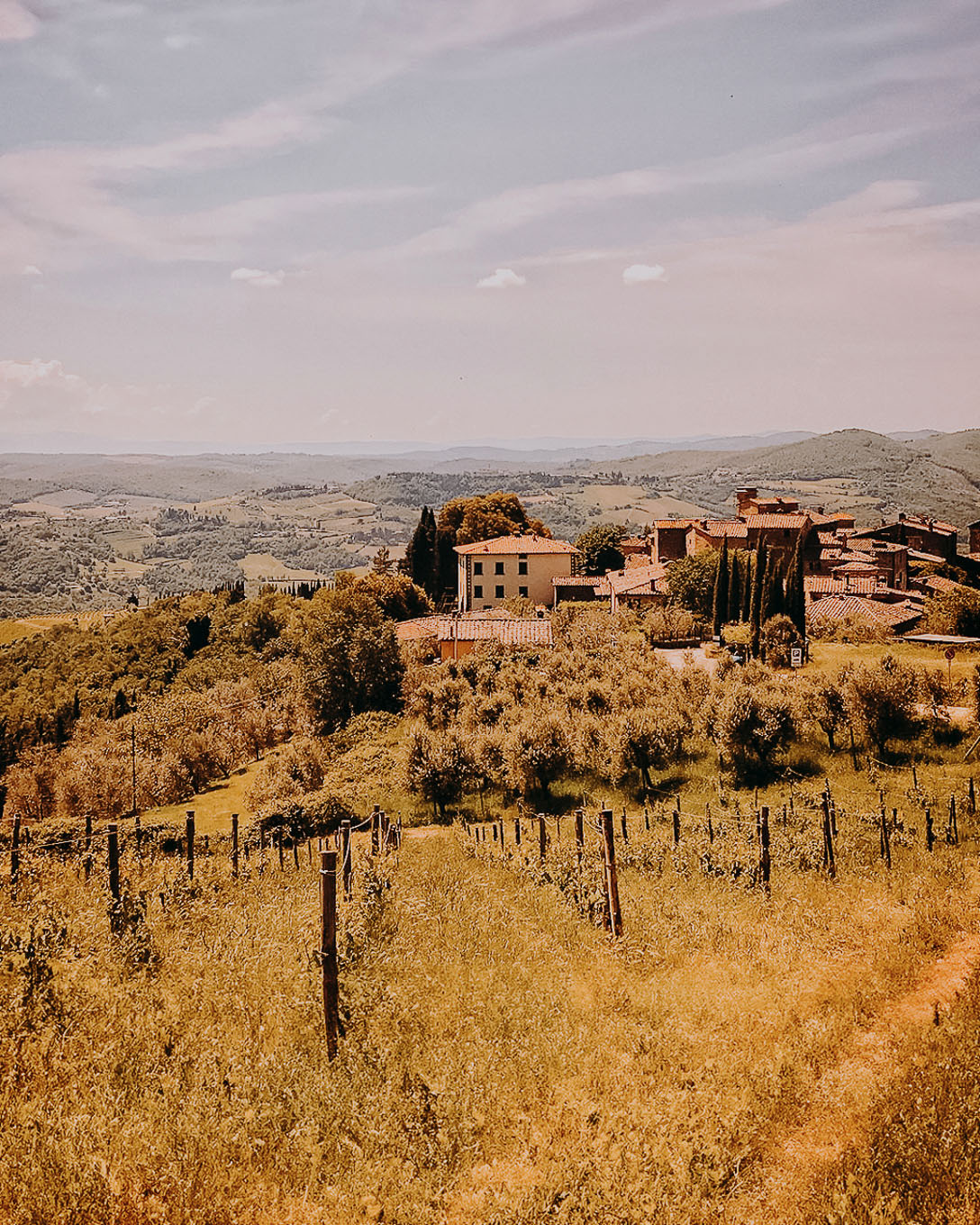
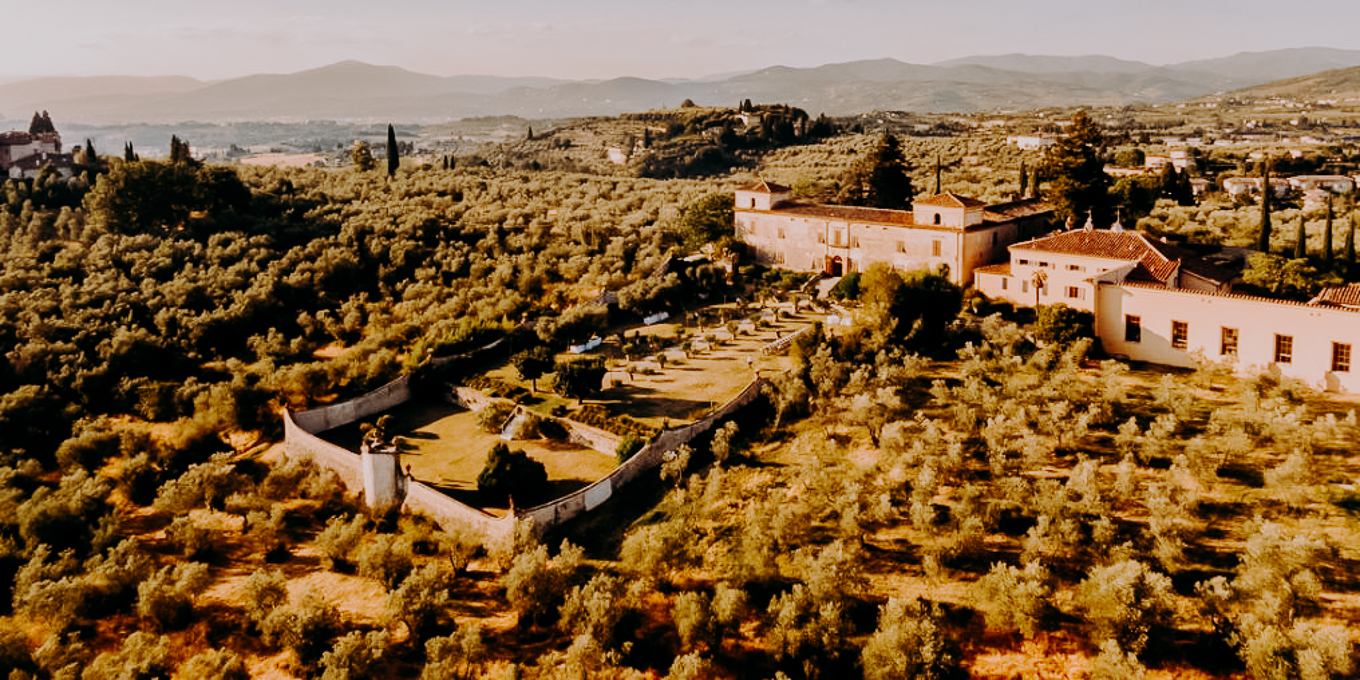
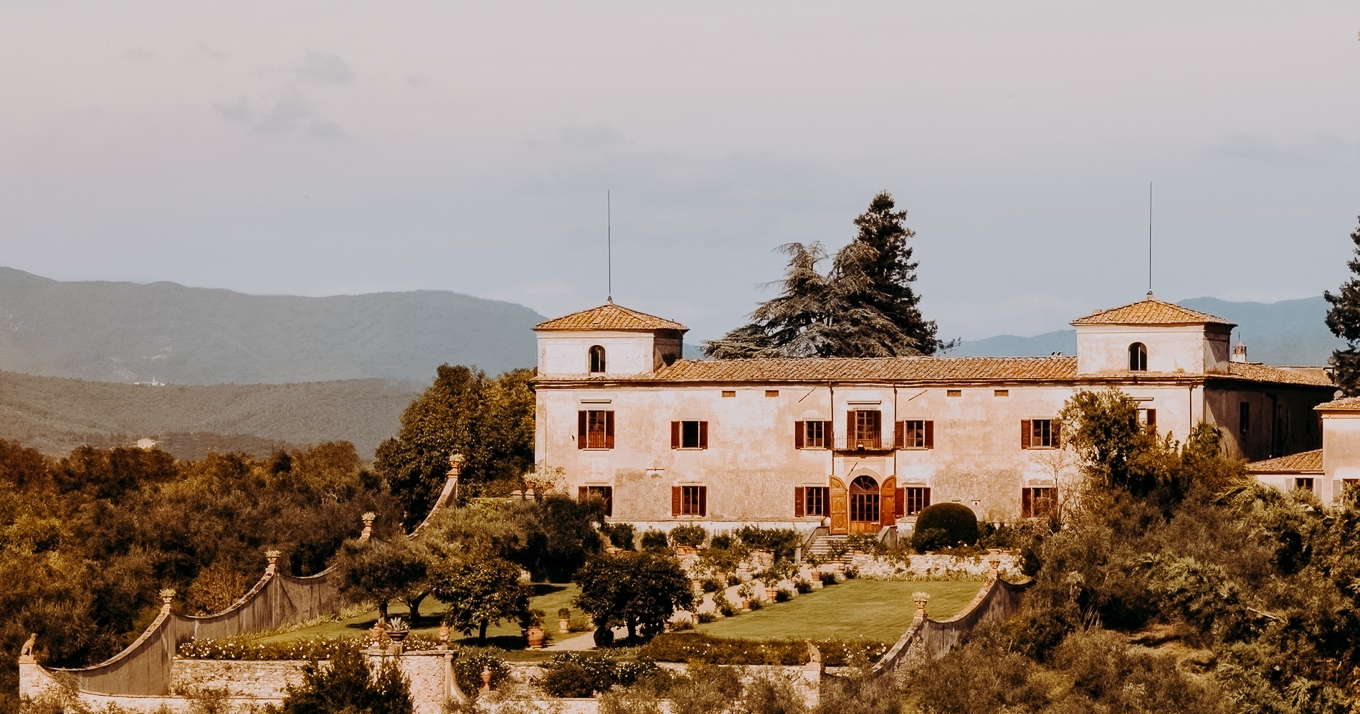
The Medici family did not merely commission art. They organised the physical landscape of Florence and its surrounding hills according to their political and aesthetic vision — and their villas, distributed across the Florentine countryside, were the nodes of that network. Villa Medicea di Lilliano, on the gentle hills above Grassina eleven kilometres south of Florence, was one of those nodes. Its origins are recorded from the eleventh century, and its Medicean identity is not a brand but a historical designation: this estate was theirs, part of the same system of rural properties through which the family managed the territory, the agricultural production, and the cultural landscape of the Florentine hills. From the Terrazza Medicea, looking north over the vineyards and the olive groves, the Brunelleschi dome appears on the horizon. The family that commissioned the dome, and the family that owned this estate, were the same family. For international couples planning a destination wedding near Florence who want to celebrate in a Medici villa with a view of the monument that the Medici made possible, Villa Medicea di Lilliano at Via Lilliano e Meoli 82 in Grassina is the most specifically and verifiably Medicean option available within easy reach of the city.
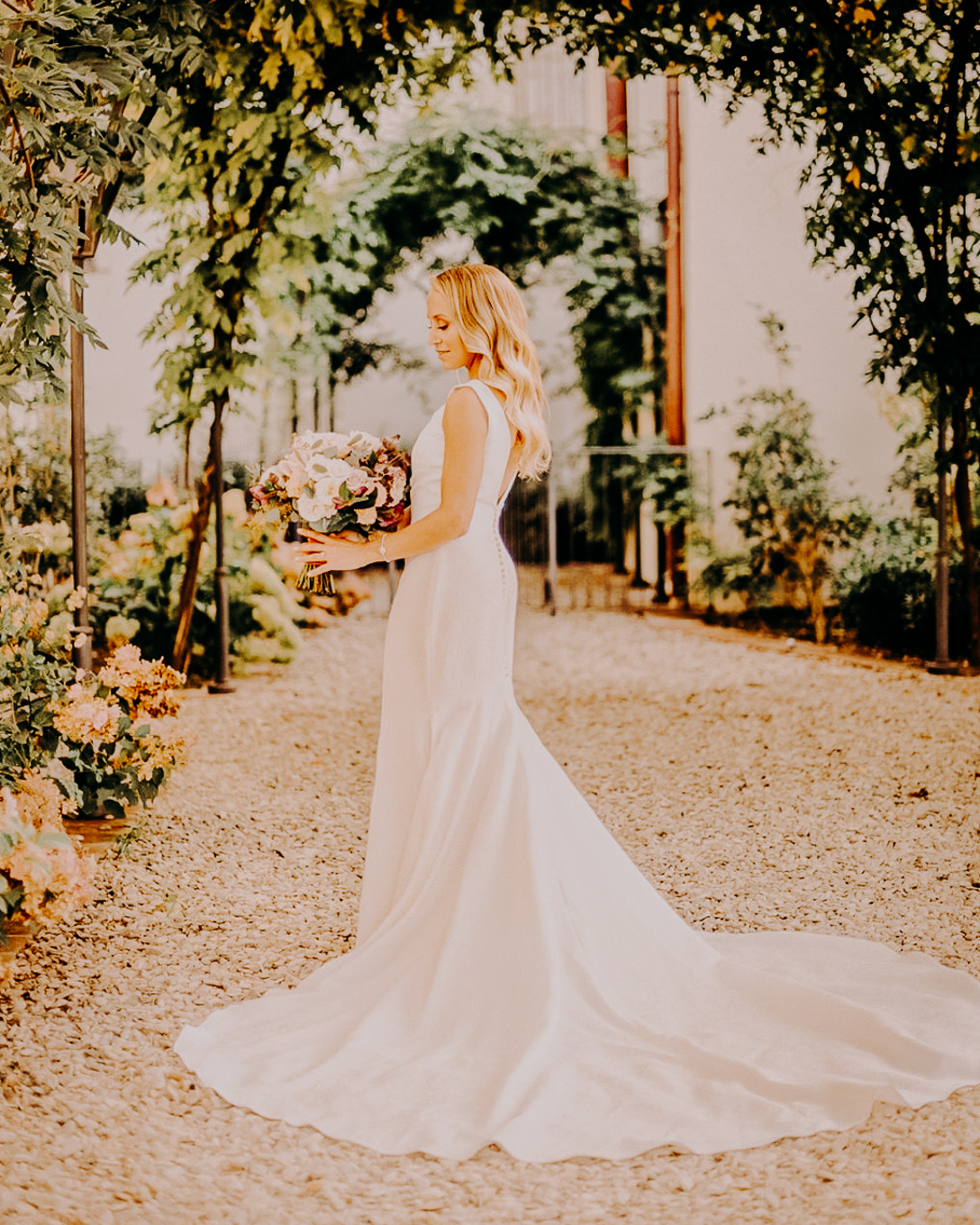
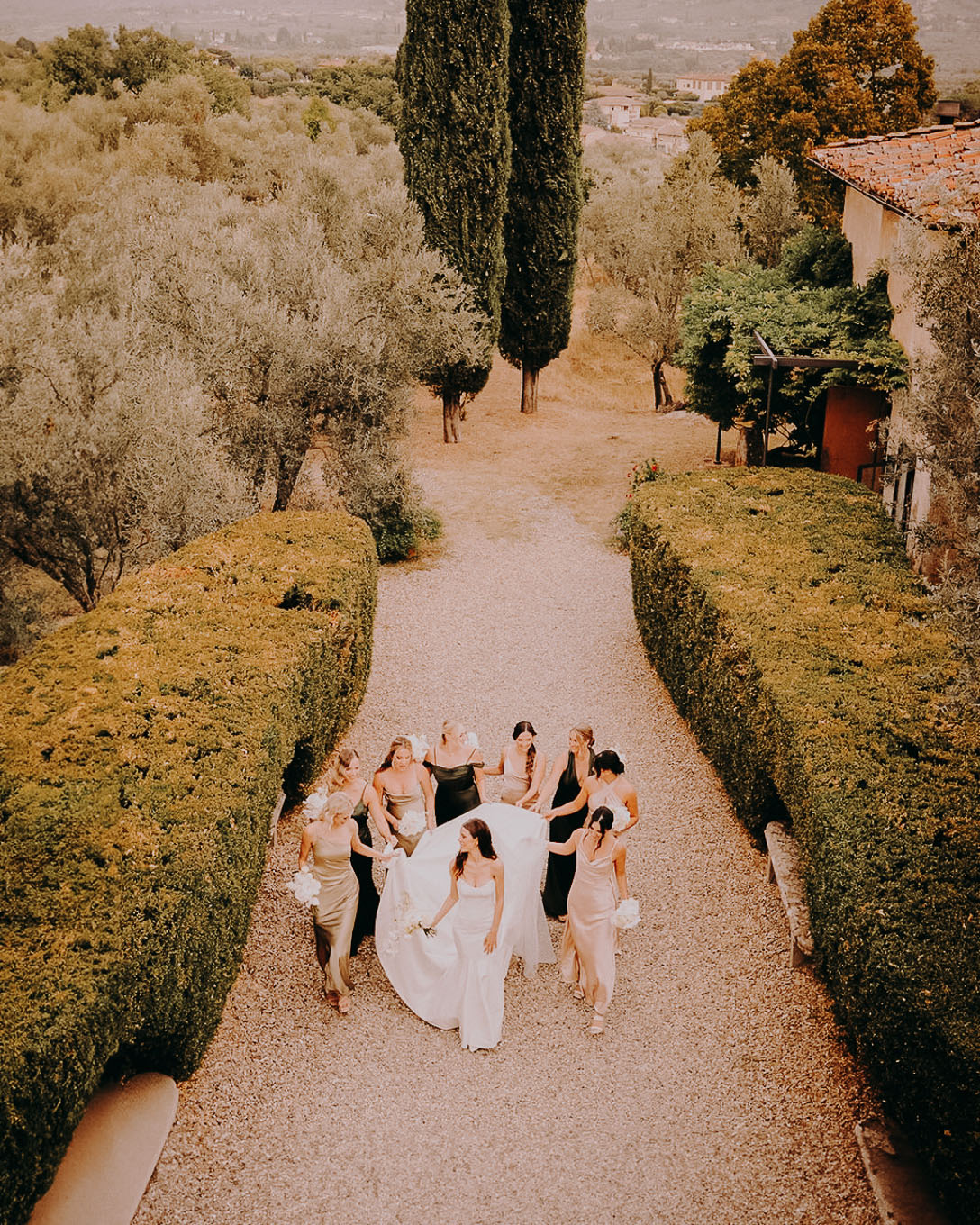
As a wedding photographer in and around Florence, I have worked repeatedly in this part of the Florentine hills — the gentle ridge between the Arno valley and the first Chianti slopes, where the city is close enough to be visible on the horizon but far enough to be part of the landscape rather than the immediate context. The light here, looking north toward the Duomo across seventy hectares of vine rows and olive trees, has a quality at golden hour that the more urban positions in the city itself cannot offer: warm, horizontal, agricultural, and entirely Tuscan.
Eleven Centuries and the Malenchini Family: The History of the Estate
The estate's historical record begins in the eleventh century — making Villa Medicea di Lilliano among the oldest continuously documented agricultural properties in the Florentine hills. After centuries of Medicean ownership, the villa passed in 1830 to the Malenchini family, who have managed it ever since: nearly two hundred years of the same family's continuous stewardship of the same land, the same vines, the same olive groves. This is not the history of a property that has changed hands repeatedly and been reinvented for successive owners. It is the history of an estate that has been deeply known and carefully tended by one family for almost two centuries, with the Medici's centuries-long presence before them. The Malenchini produce organic wine and olive oil from the estate's seventy hectares, maintaining the agricultural logic that has driven this property since its origins and giving the wine served at every wedding celebration here a direct connection to the land visible from the ceremony terrace.
The Cortile Mediceo, the Terrazza Medicea, and the View of the Duomo
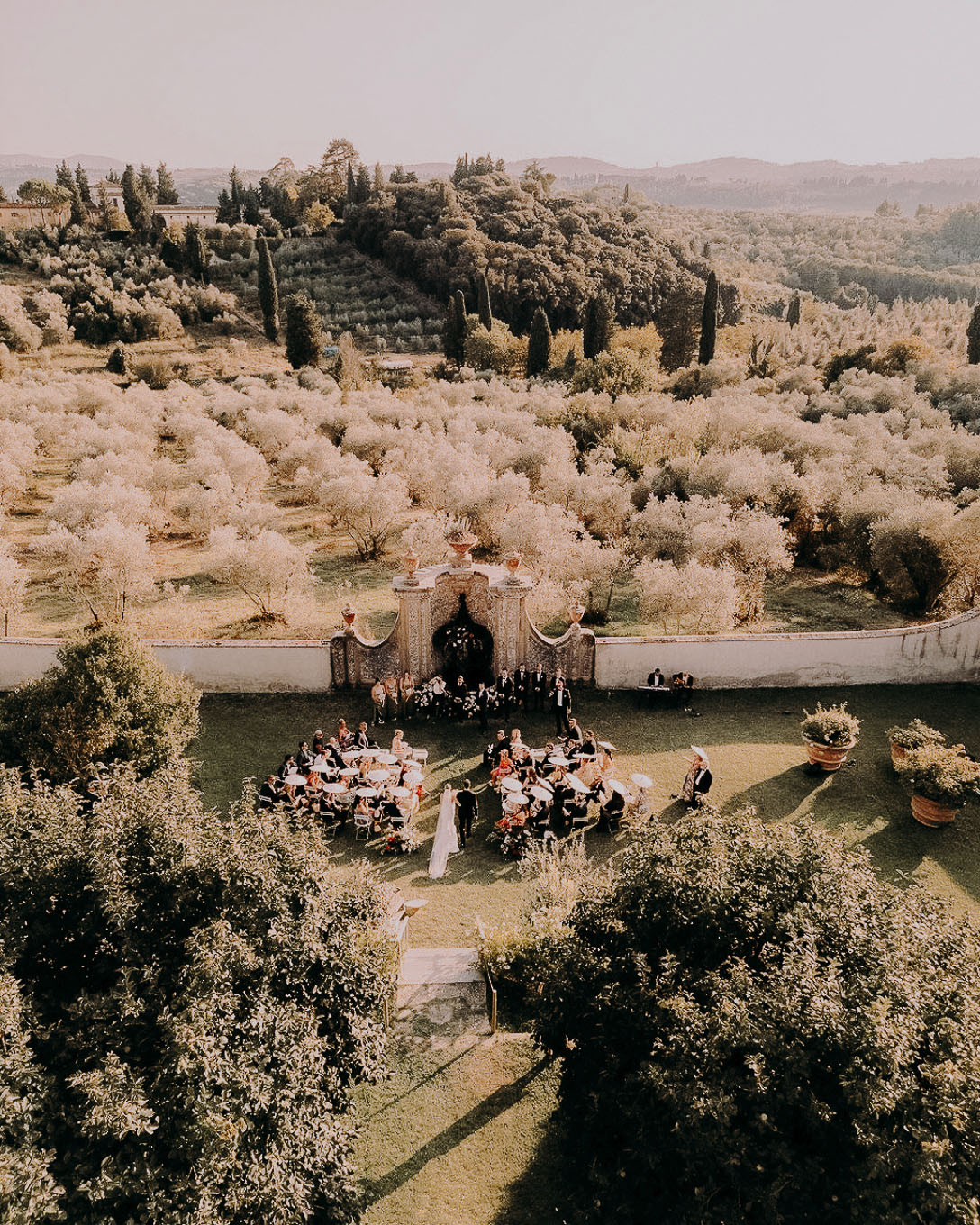
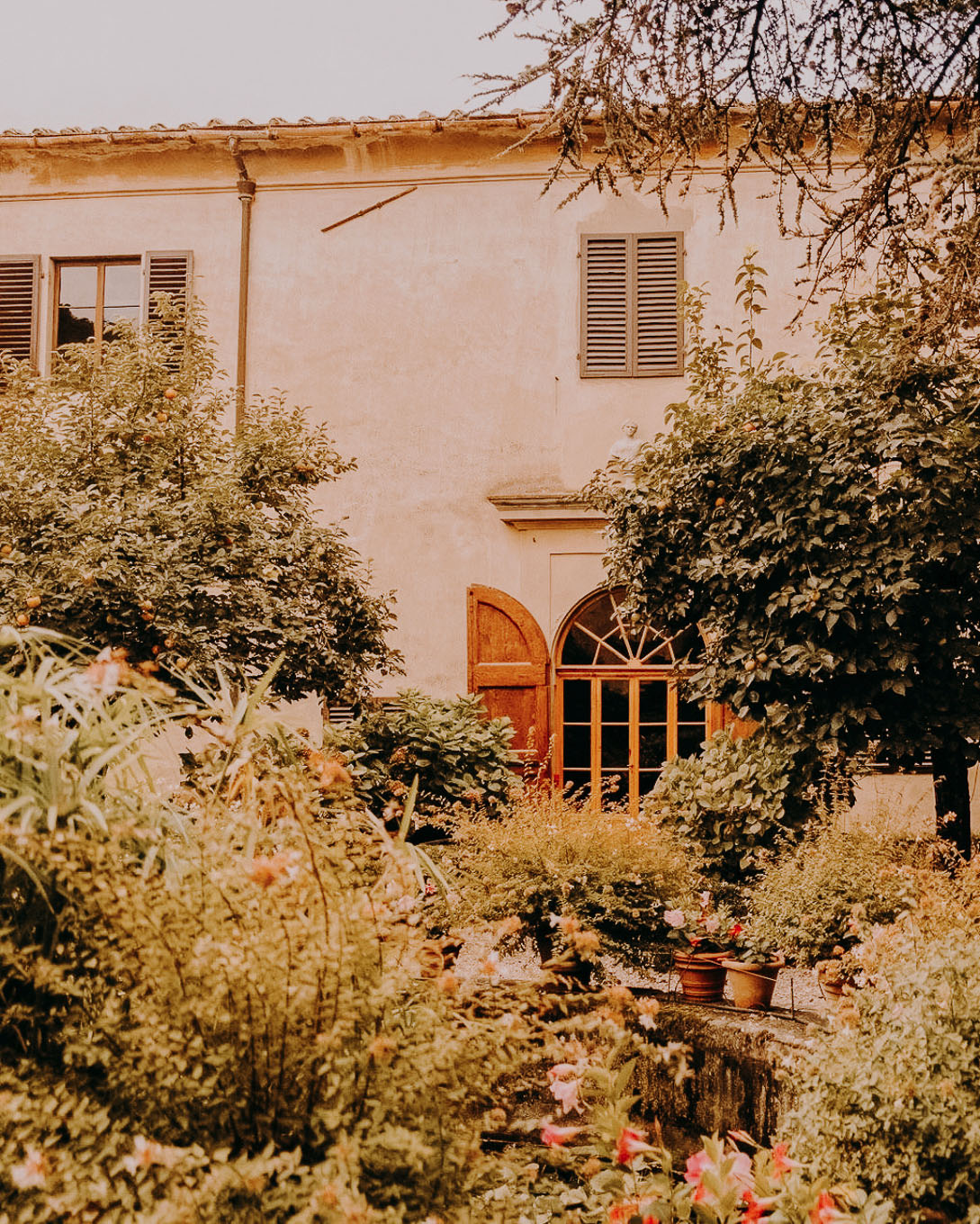
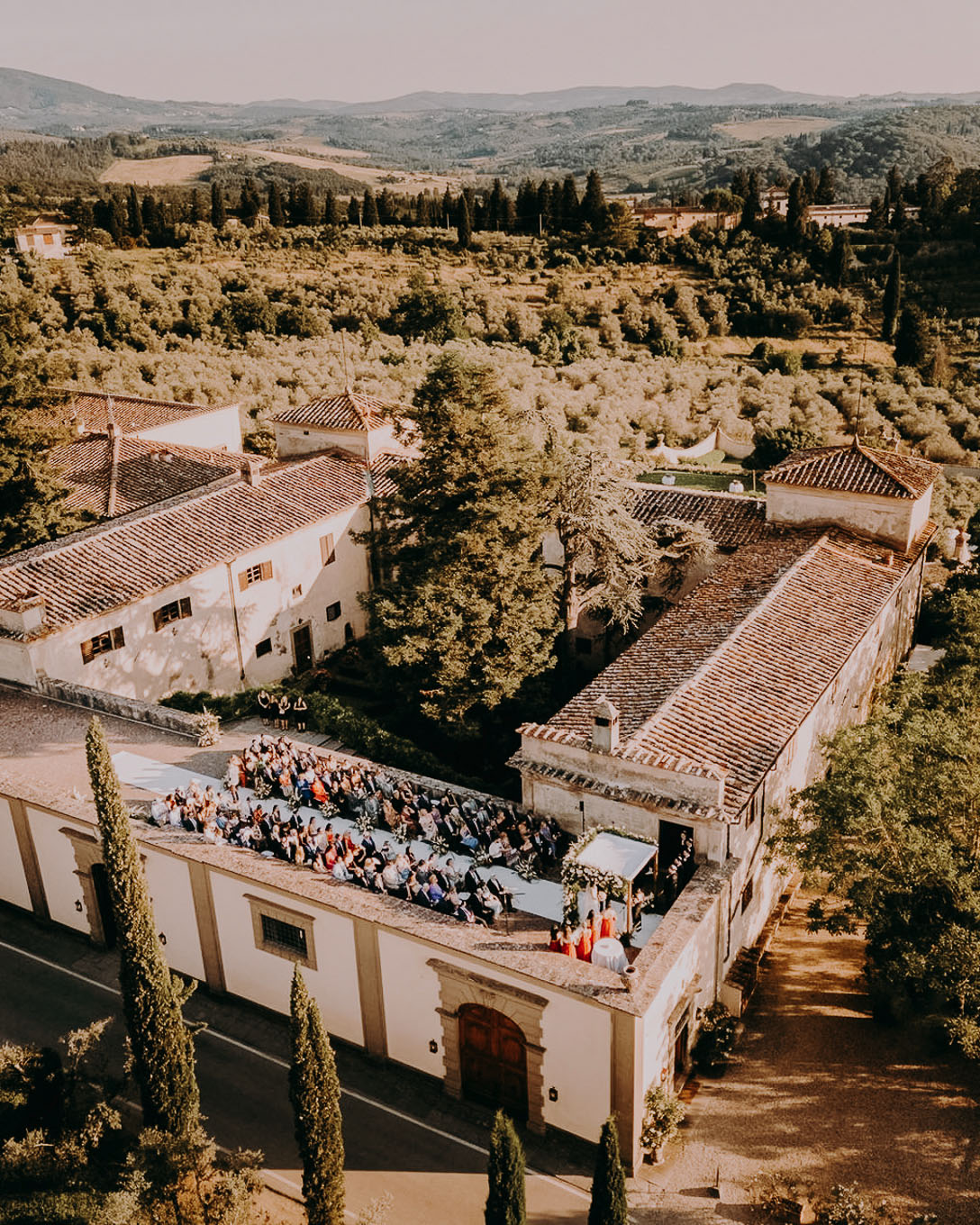
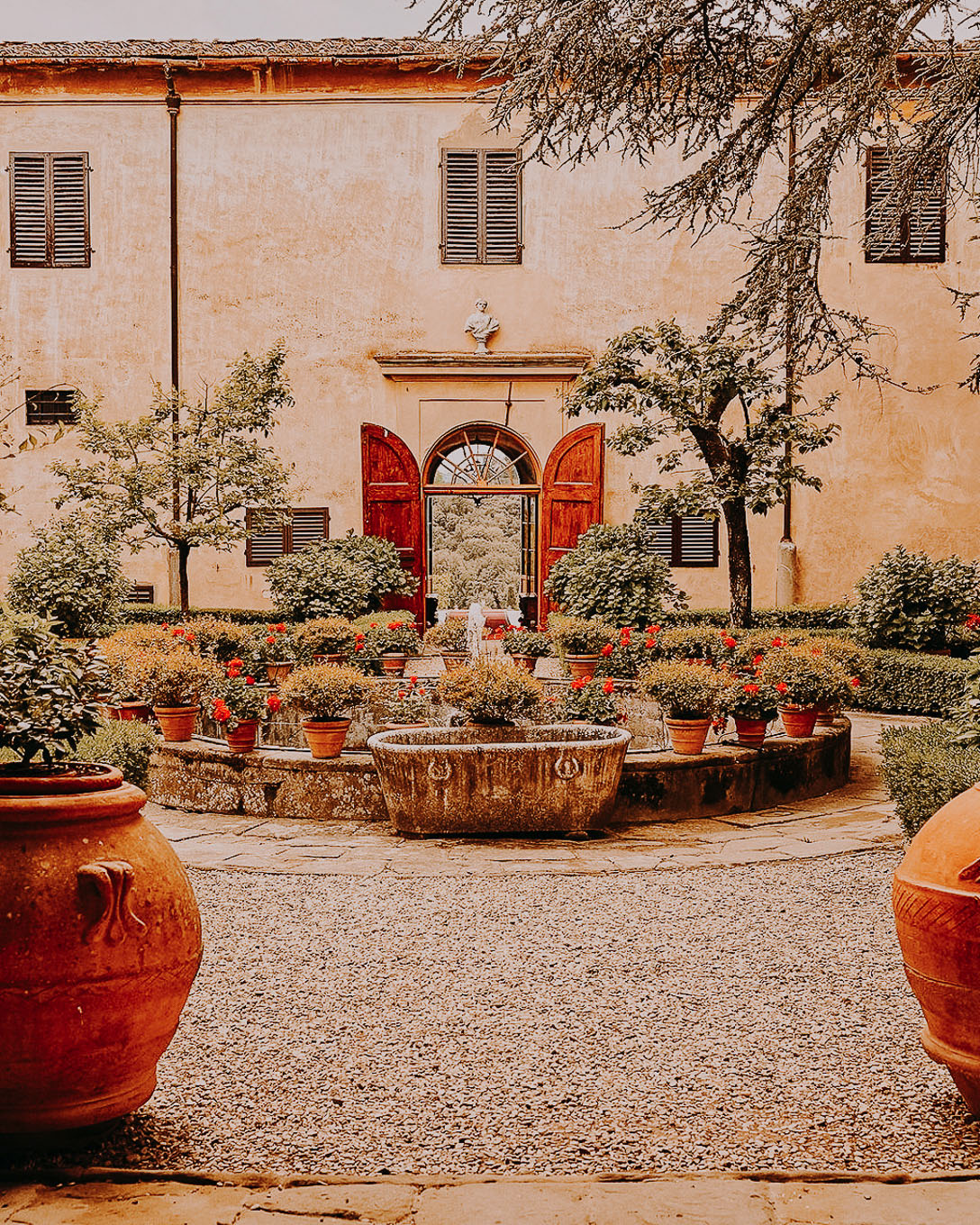
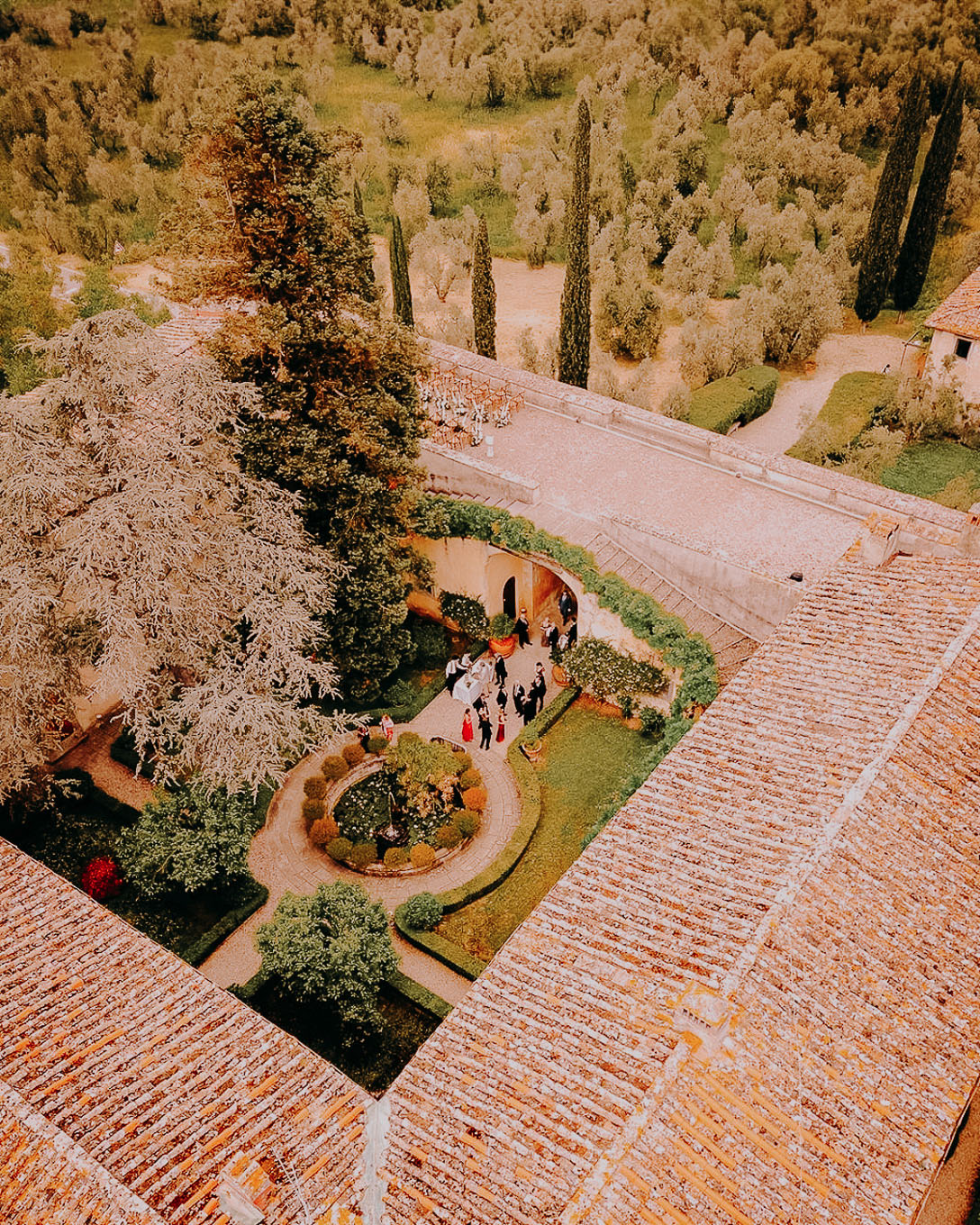
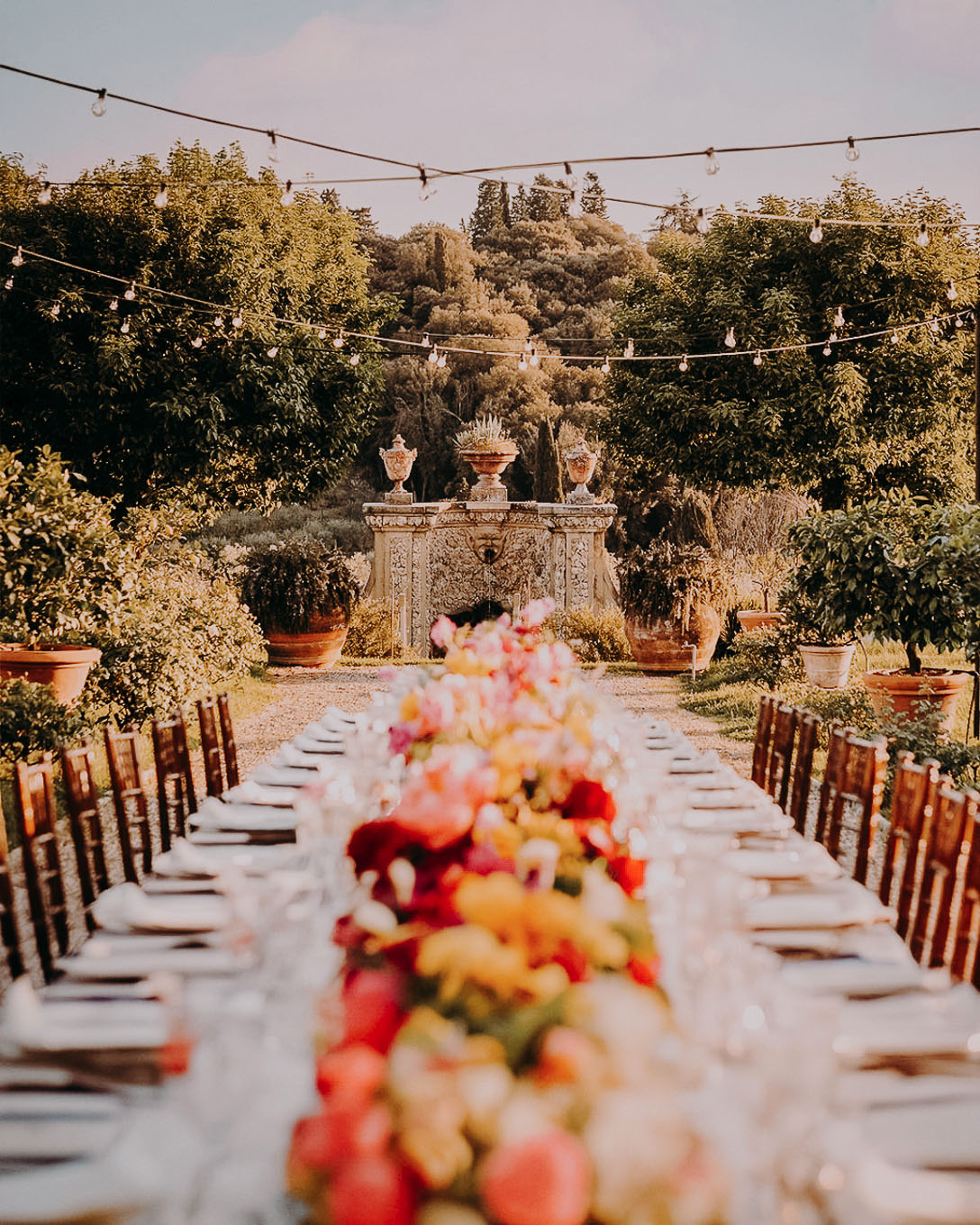
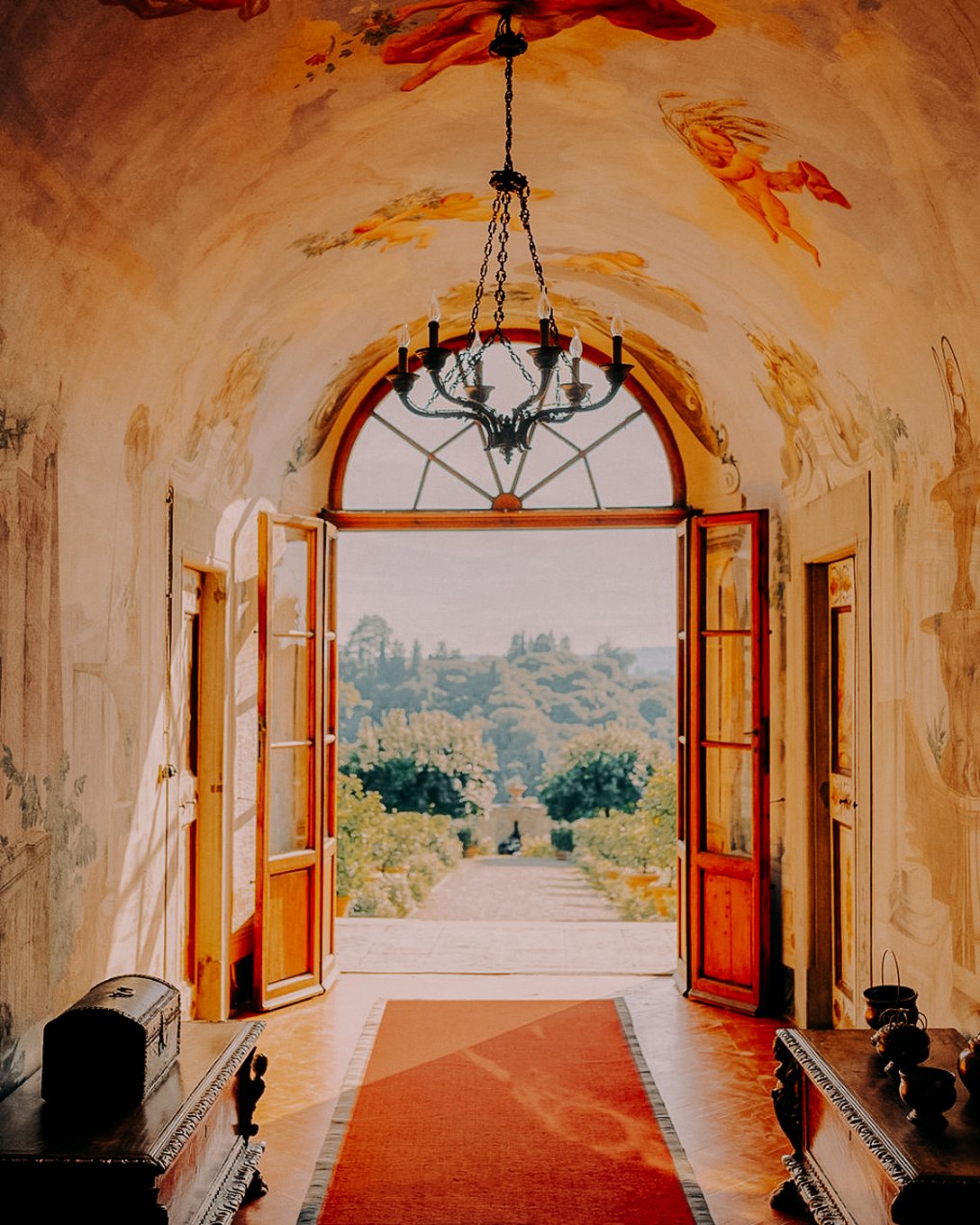
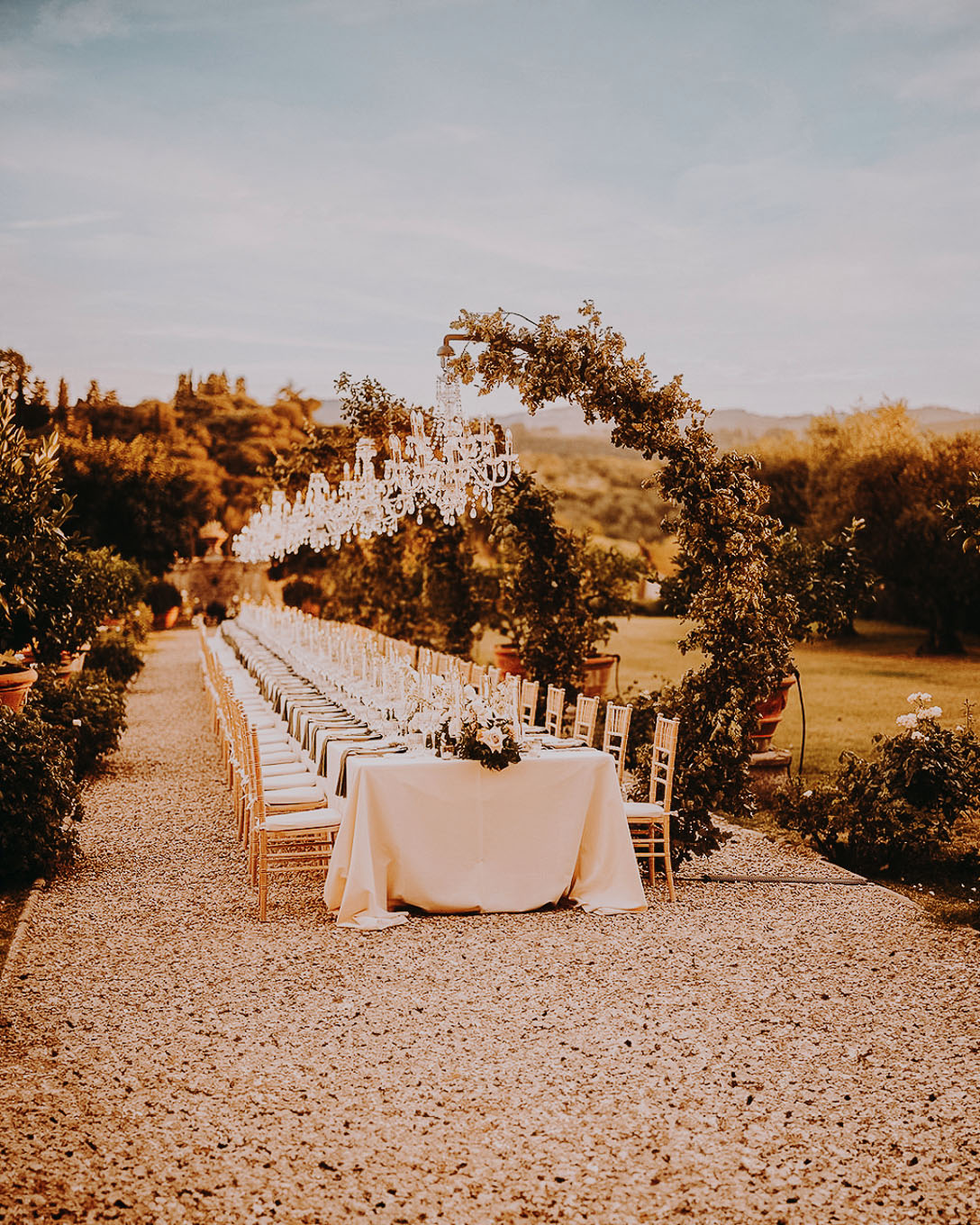
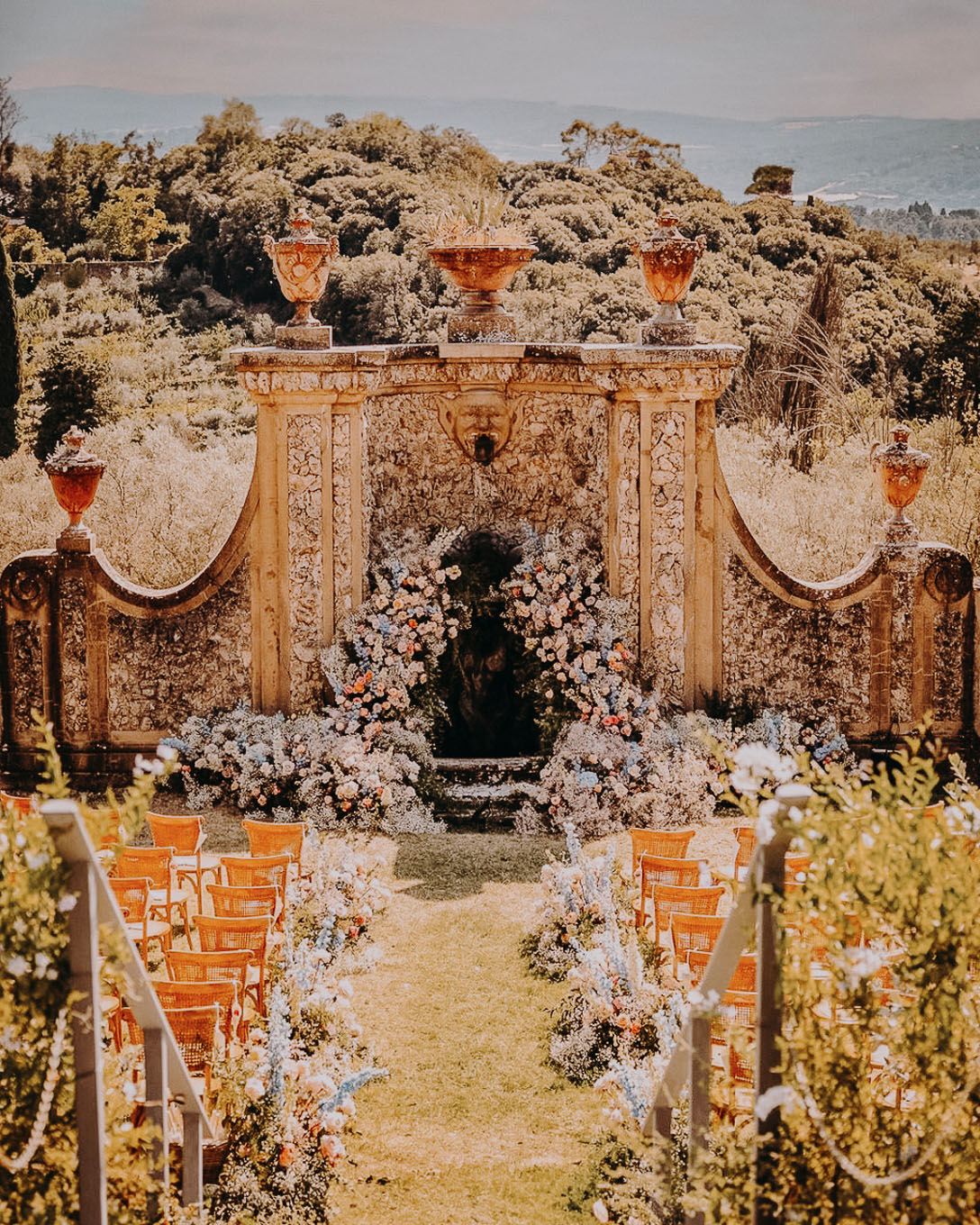
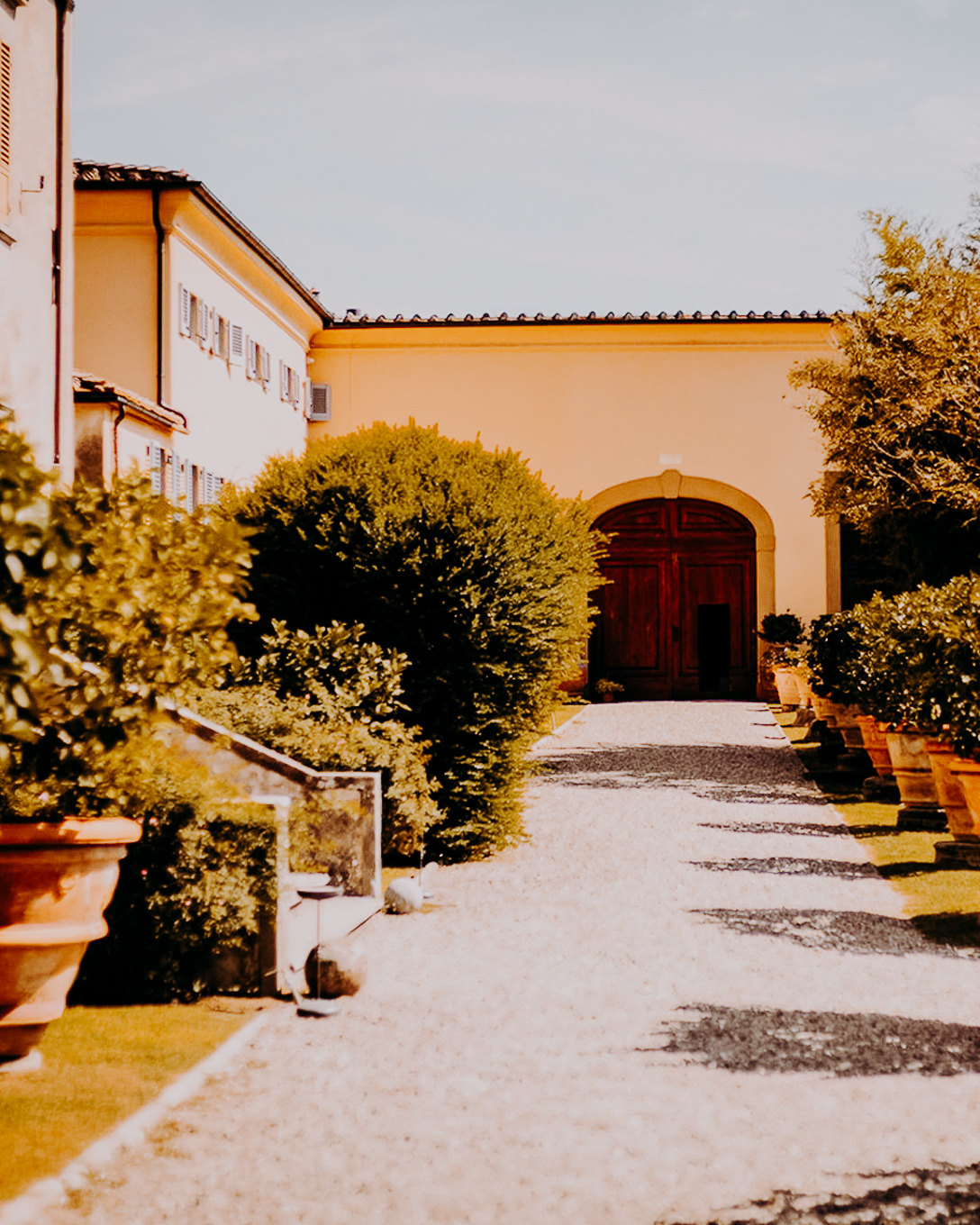
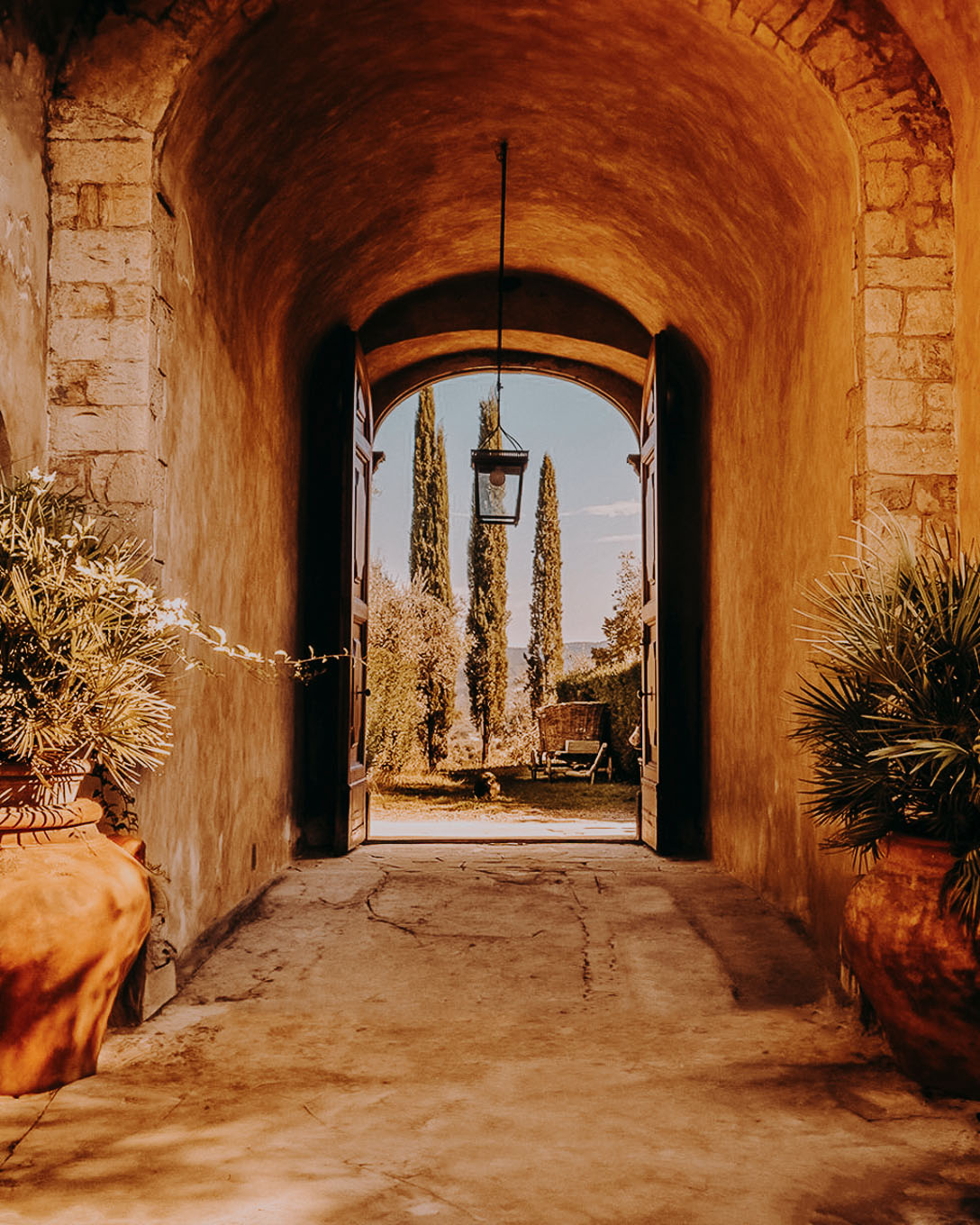
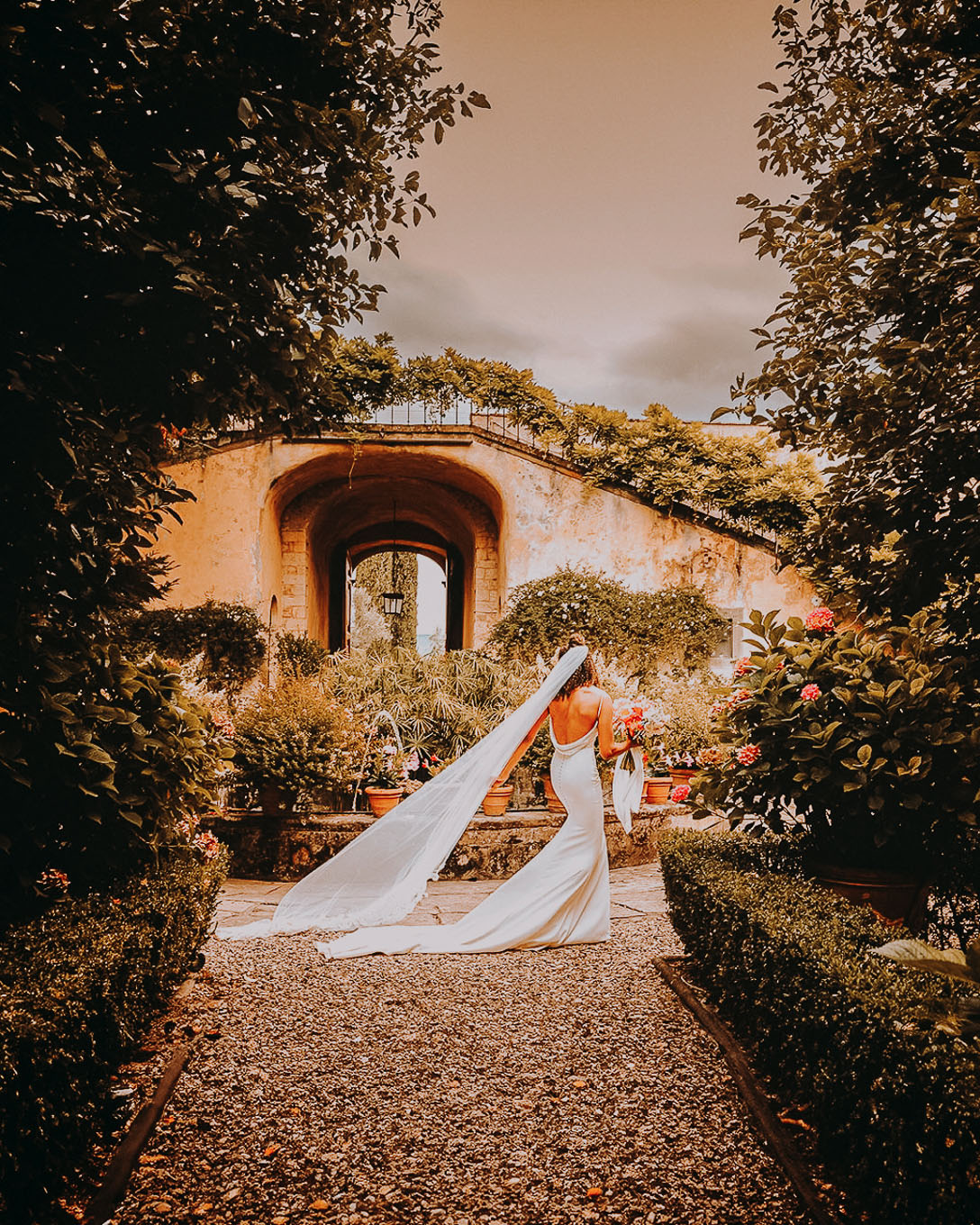
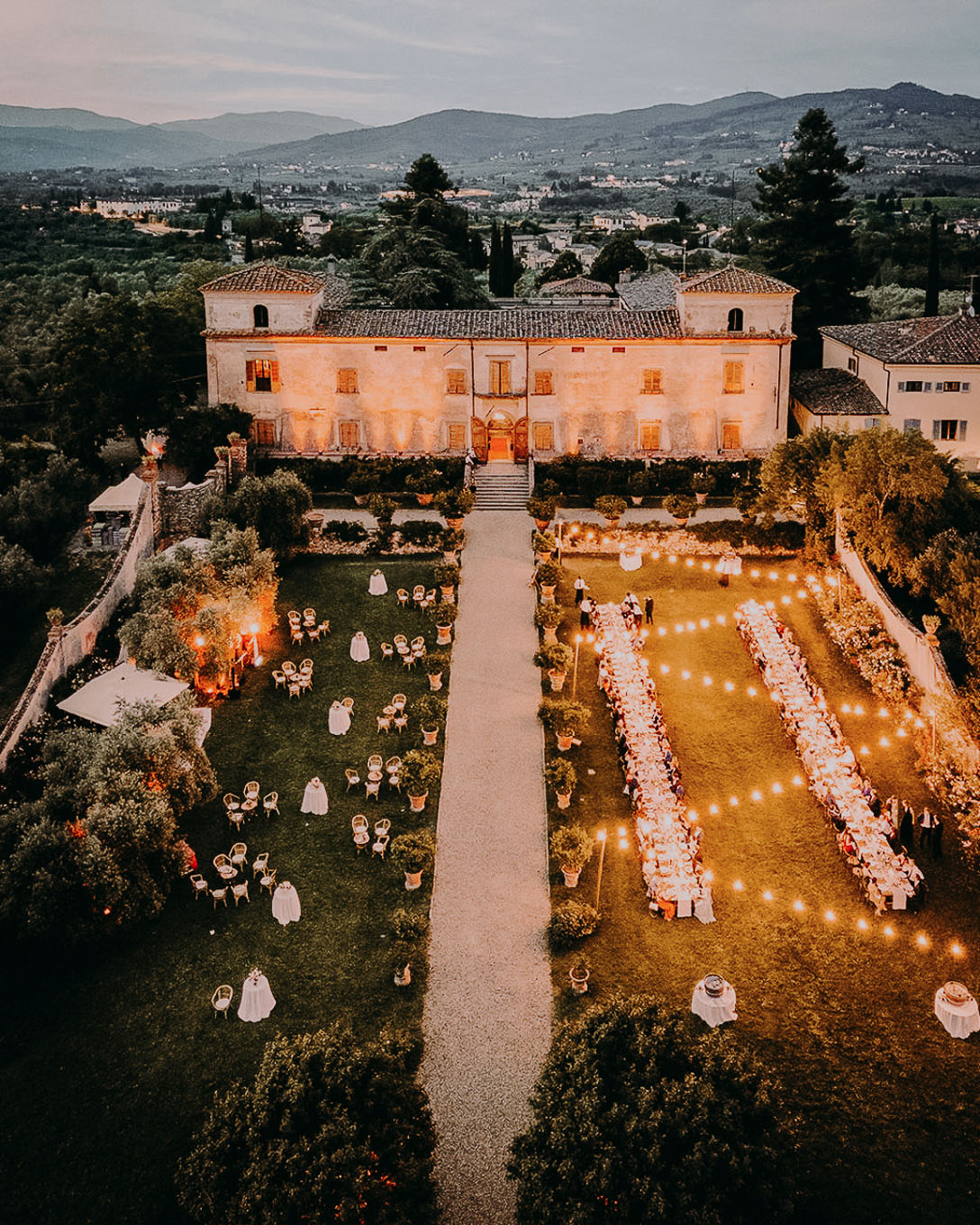
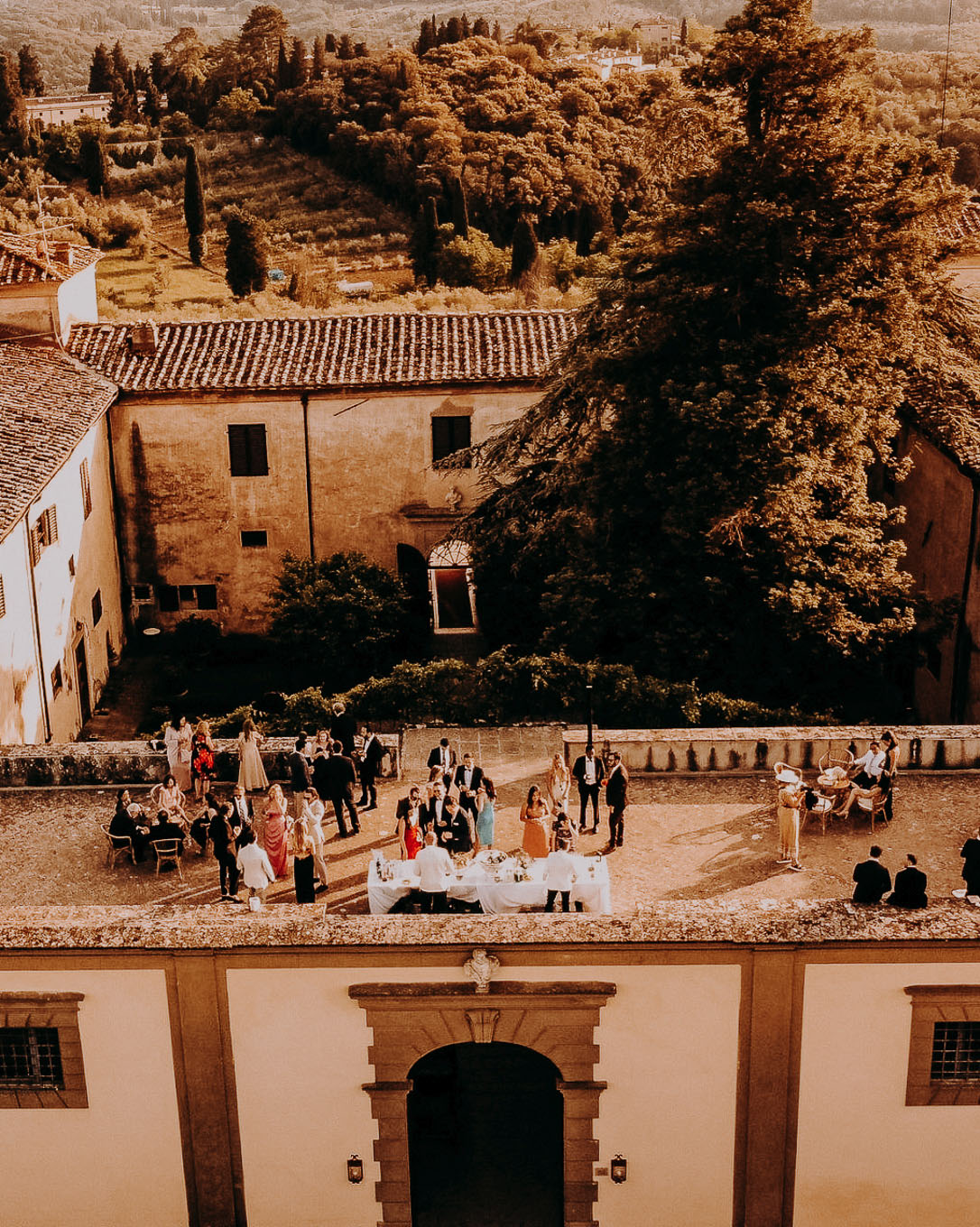
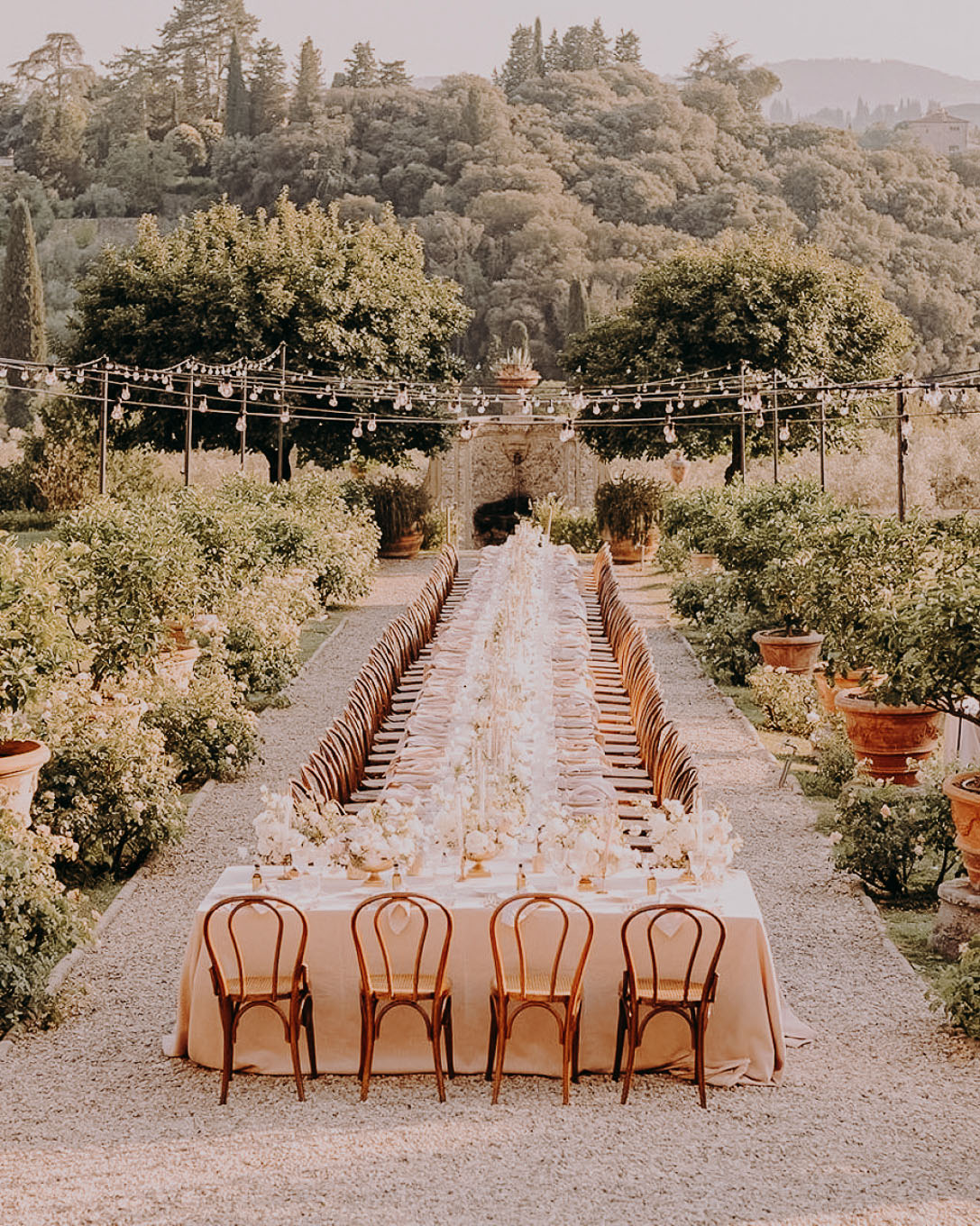
The progression of event spaces at Villa Medicea di Lilliano follows the architectural logic of the estate from the enclosed to the open: from the intimacy of the Cortile Mediceo to the panoramic breadth of the Terrazza Medicea. The Cortile Mediceo — the Medici courtyard — is the first space guests encounter on arrival: a fountain at its centre, an Italian garden of low box hedges arranged in the formal geometric pattern that the Renaissance codified and the Medici made their signature in property after property across the Florentine territory. From here, a staircase rises to the Terrazza Medicea — the terrace from which the entire composition of the Florentine landscape is visible, the Chianti hills rolling away in one direction and the city's skyline, with the Duomo's dome legible against the sky, opening up in the other. Open-air ceremonies on the Terrazza Medicea take place with this specific, historically charged panorama as their backdrop: the couple in the foreground, Florence and the dome that the Medici made possible in the distance, and the seventy hectares of organic vine rows and olive groves of the Malenchini family estate between them.
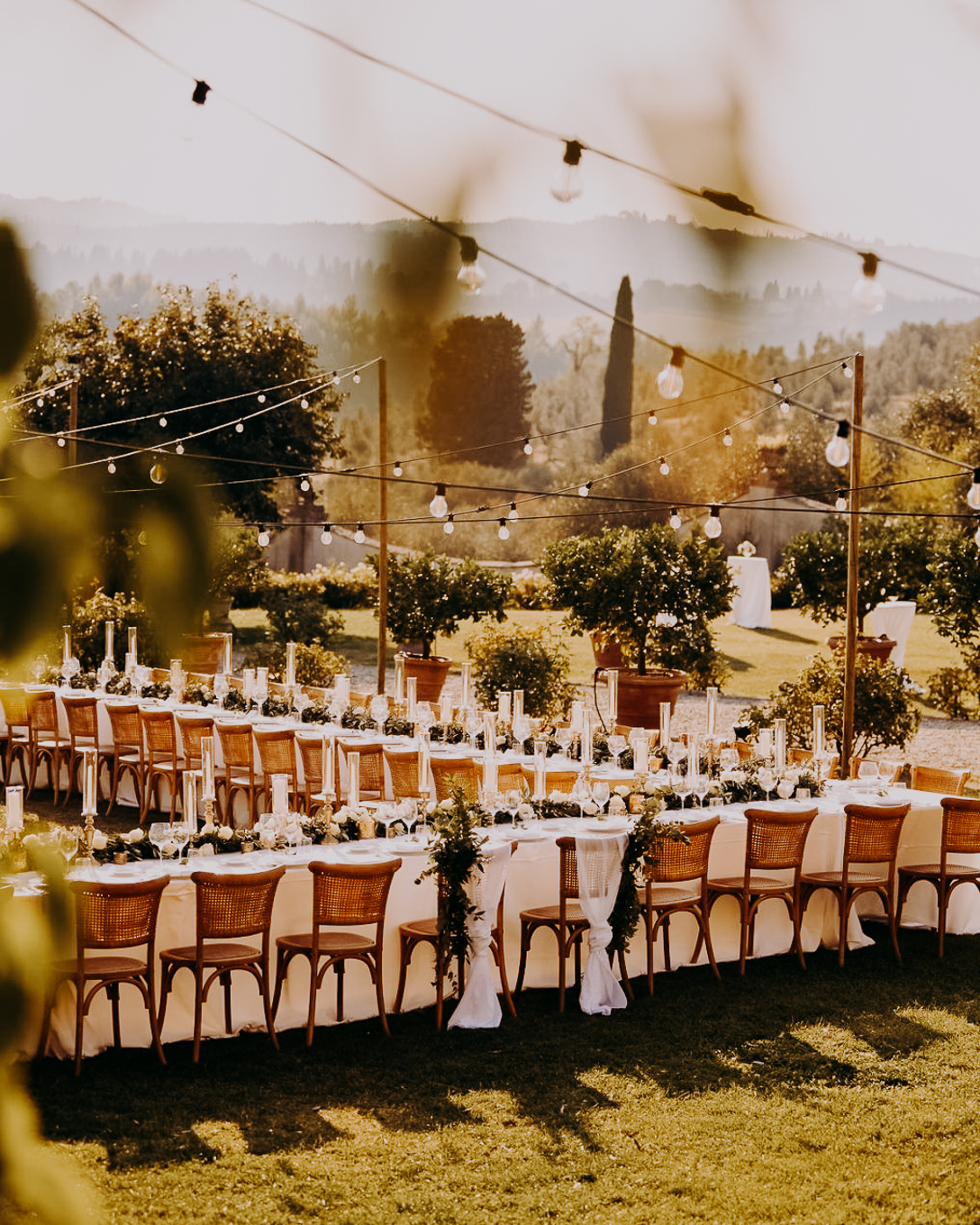
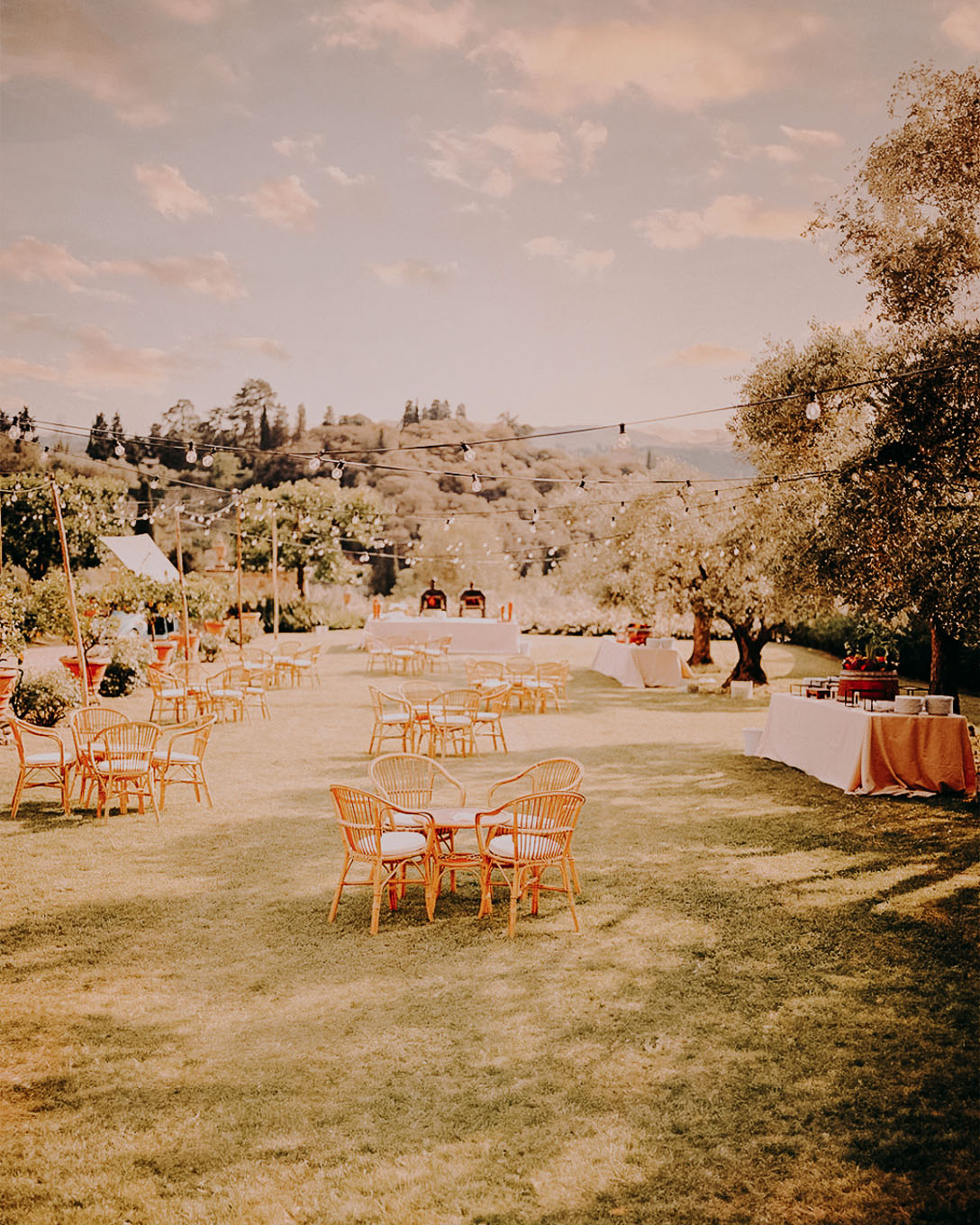
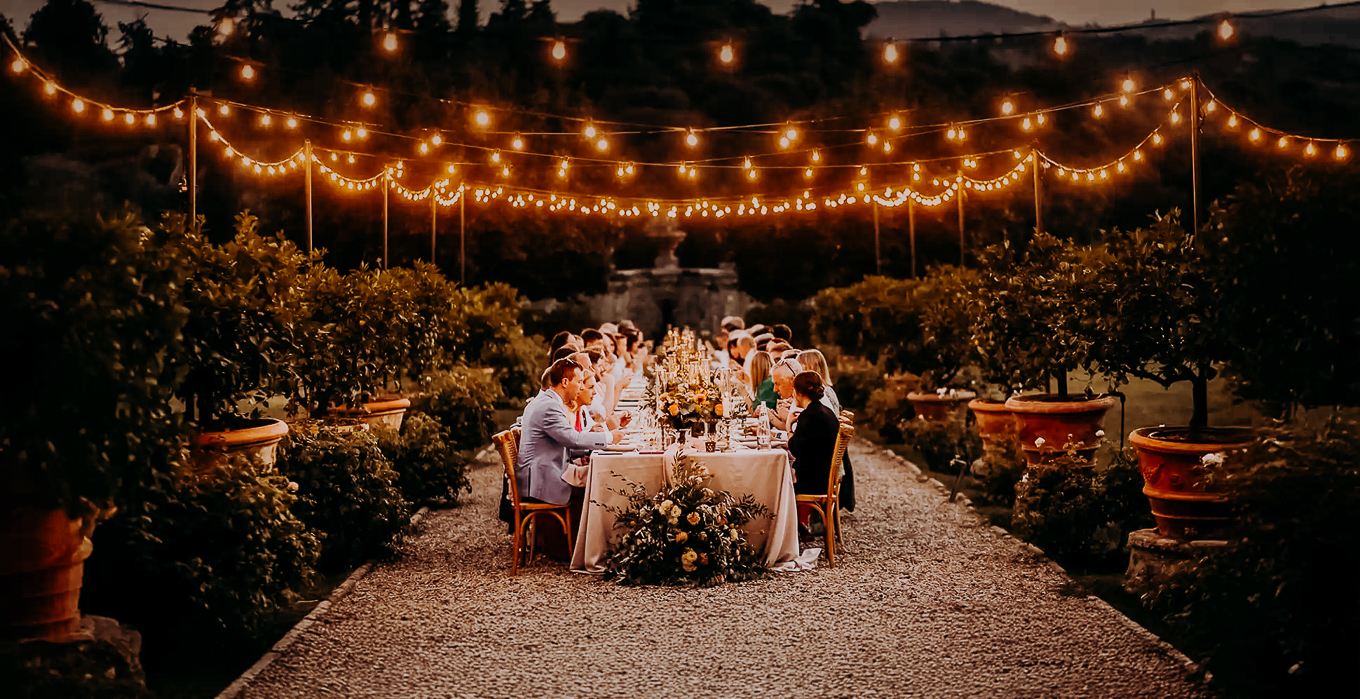
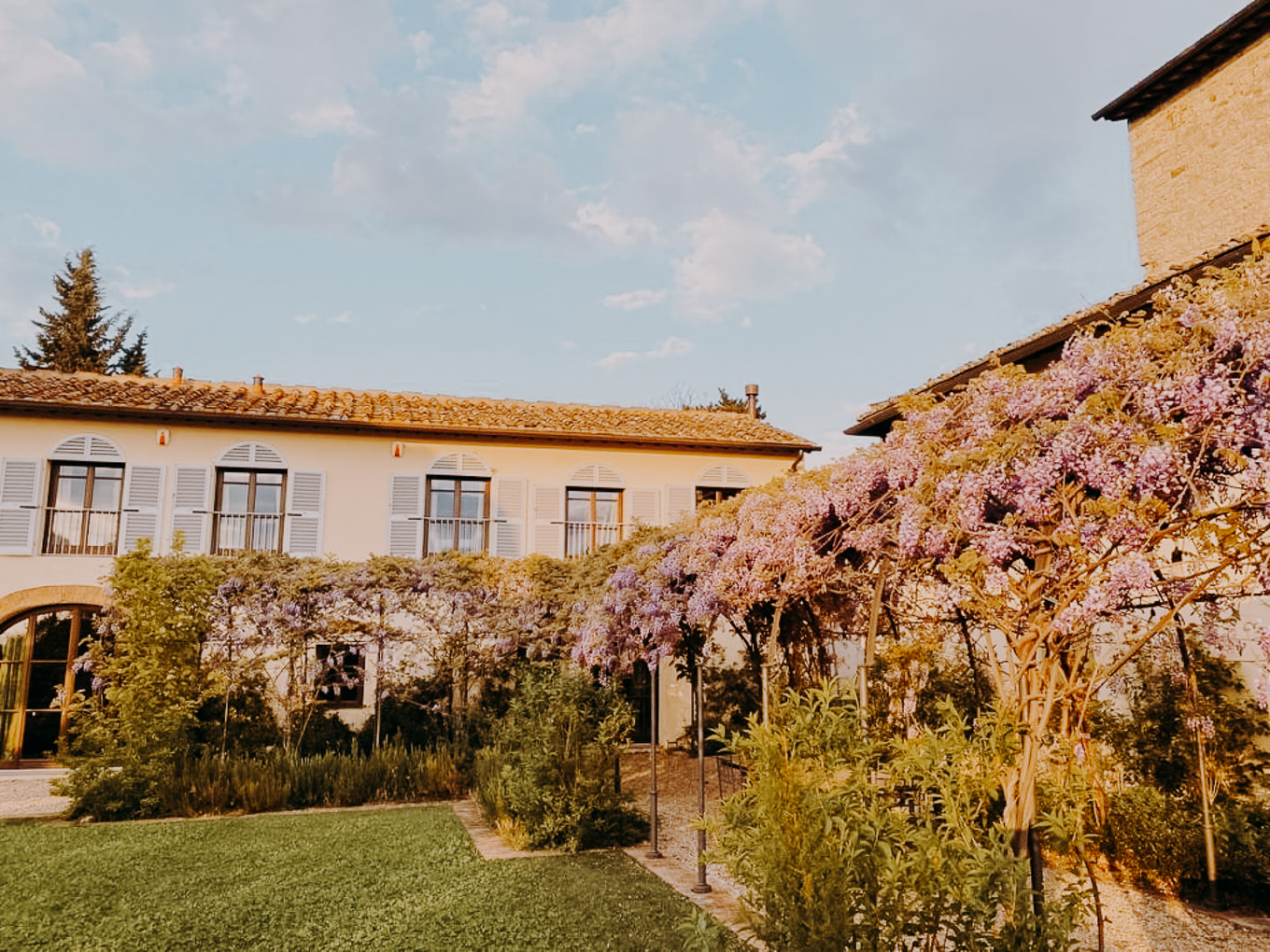
The walled garden and its terraces extend the outdoor space, giving different moments of the celebration different visual registers within the same property. For the aperitivo, for the transition between ceremony and dinner, for the hours when guests circulate and the estate reveals its different characters, this variety of outdoor positions — courtyard, terrace, walled garden, vineyard paths — gives Villa Medicea di Lilliano a spatial richness that few single estates in the Florentine hills can match.
The Limonaia: The Main Indoor Hall
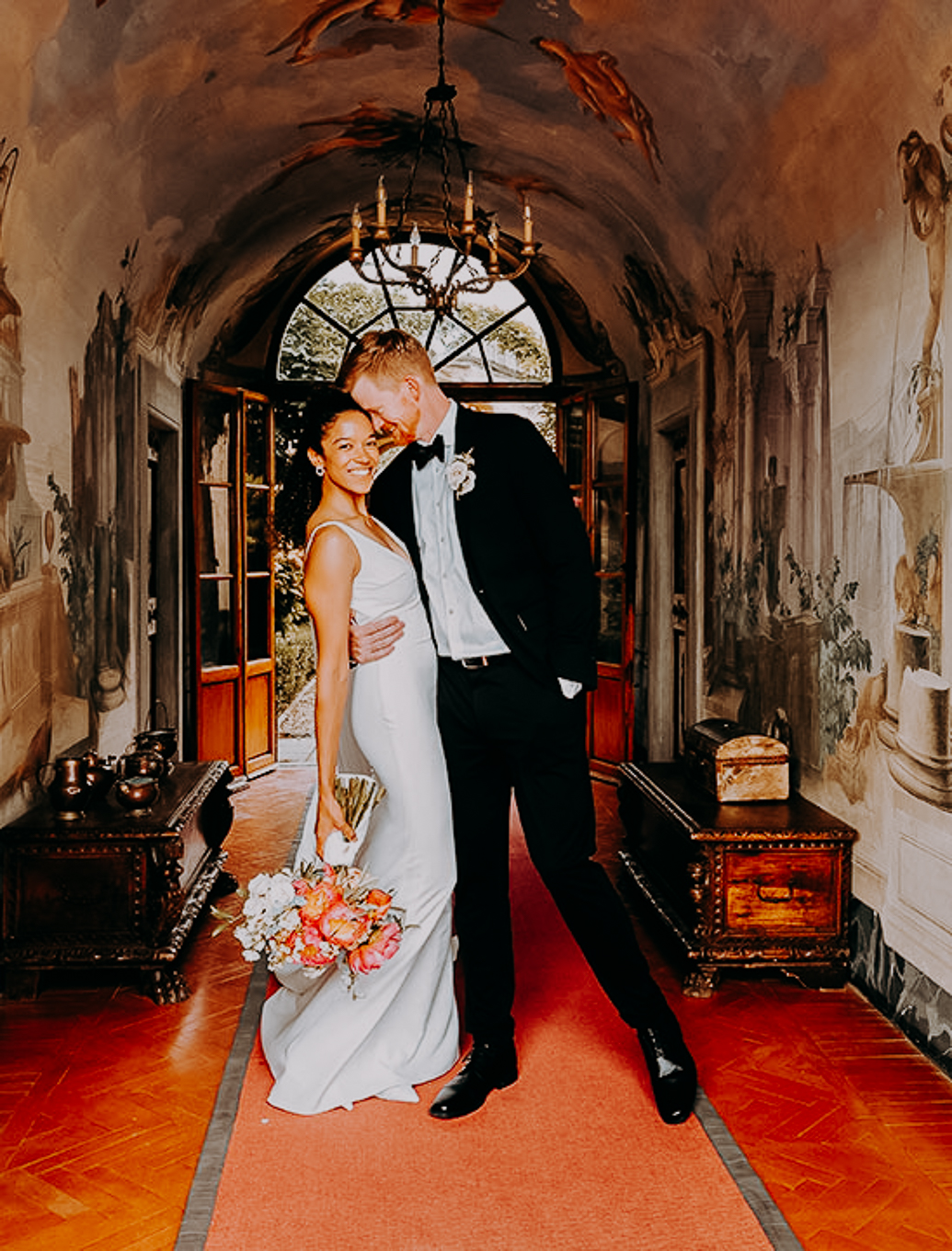
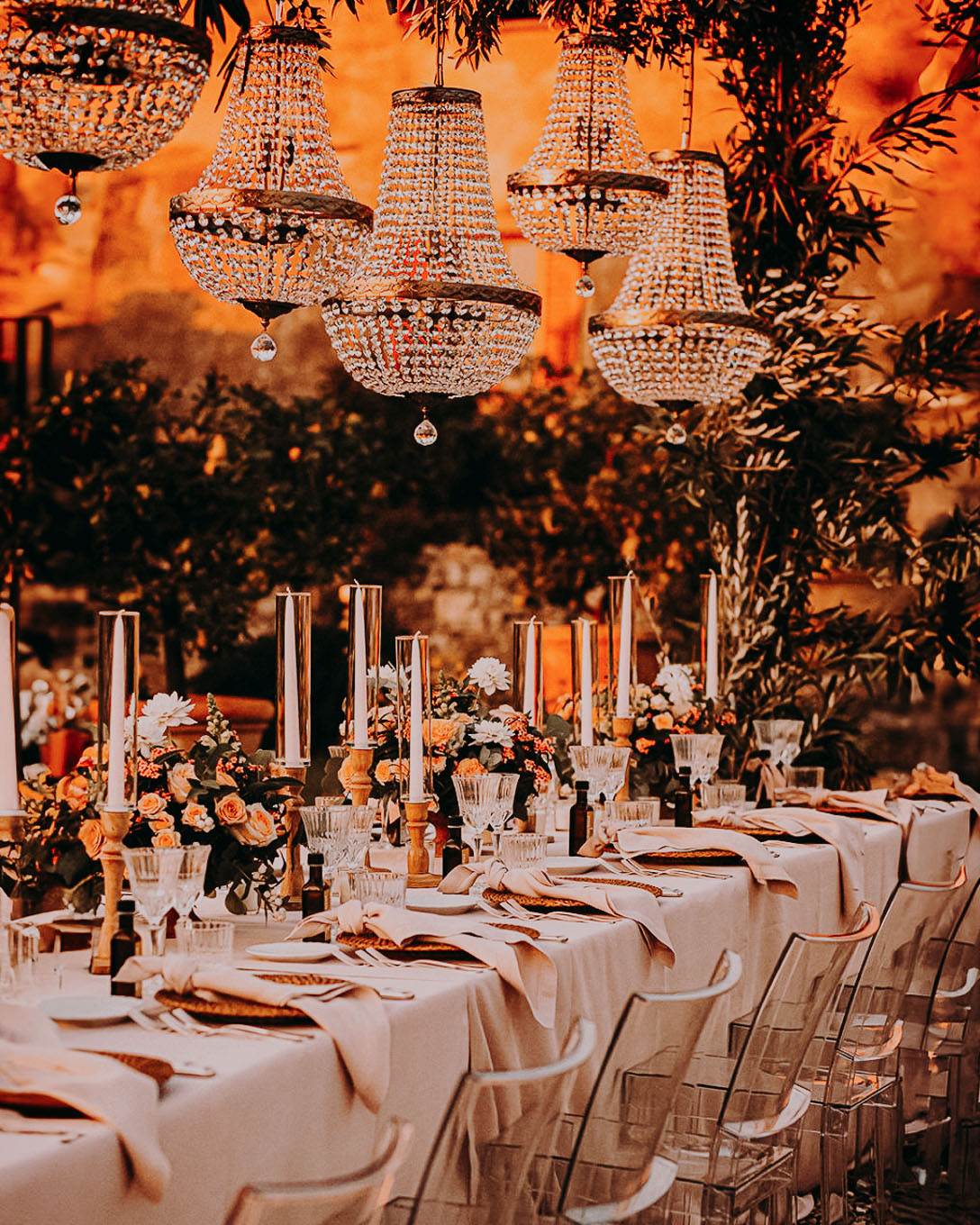
The Limonaia — the historic lemon house — is the estate's principal indoor reception space, functioning as the main ballroom for wedding dinners and dancing. Lemon houses, which are found at the great Florentine villas from the Medici period onward, were built to shelter citrus trees through the Tuscan winters: high-ceilinged, abundantly windowed, with proportions determined by the need to maintain light and temperature for tender Mediterranean plants. As event spaces, they carry those proportions into a contemporary celebration environment — the height, the light, the warmth — that a purpose-built hall cannot replicate. The Limonaia at Lilliano is the indoor environment that gives the celebration its all-weather option and its most formally elegant setting. The estate is licensed by the Comune di Bagno a Ripoli for legal civil ceremonies on site, which means that the formalities and the celebration can take place in the same estate without any visit to a municipal office.
Six Villas, Forty-Four Guests, and the Estate at Full Scale
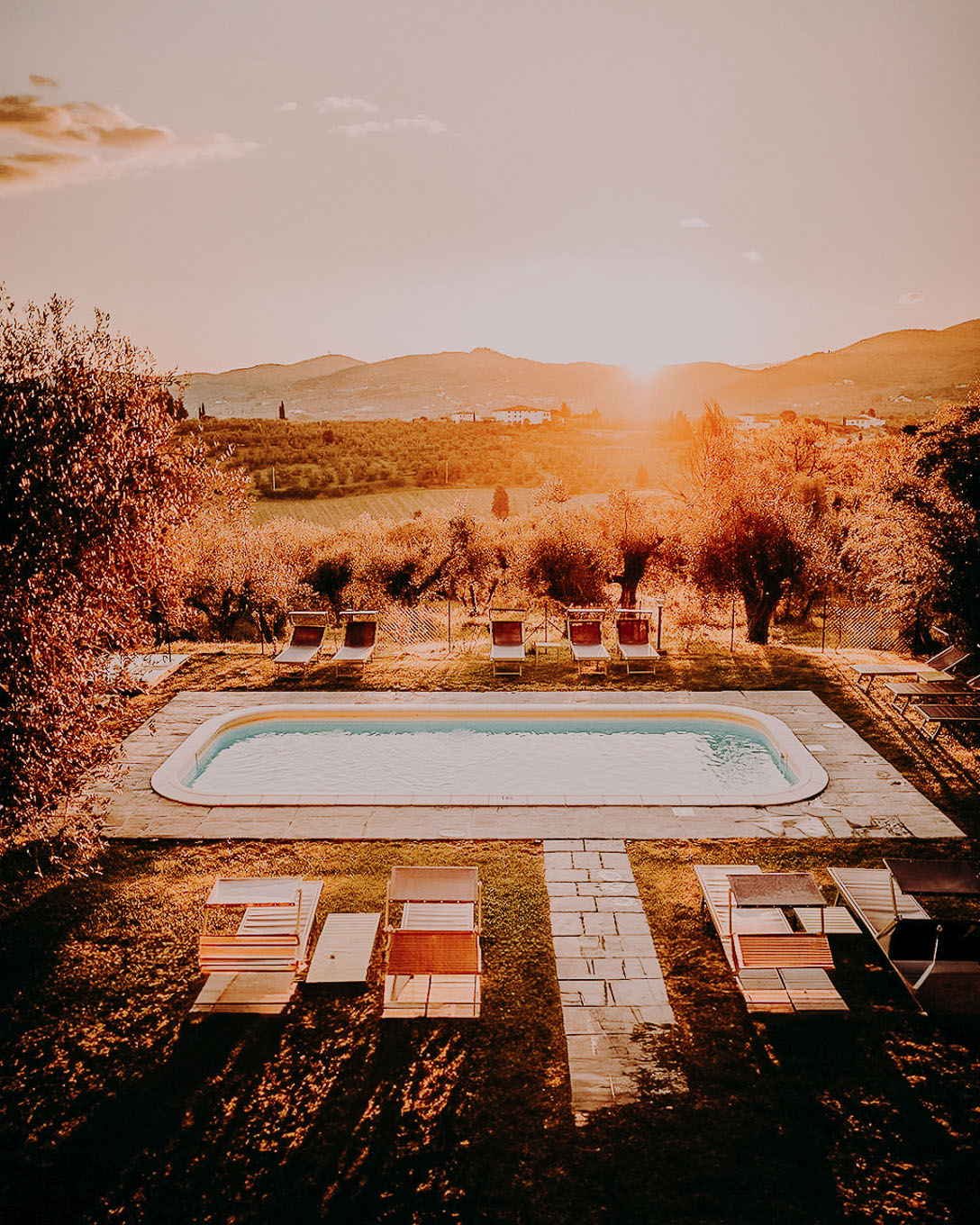
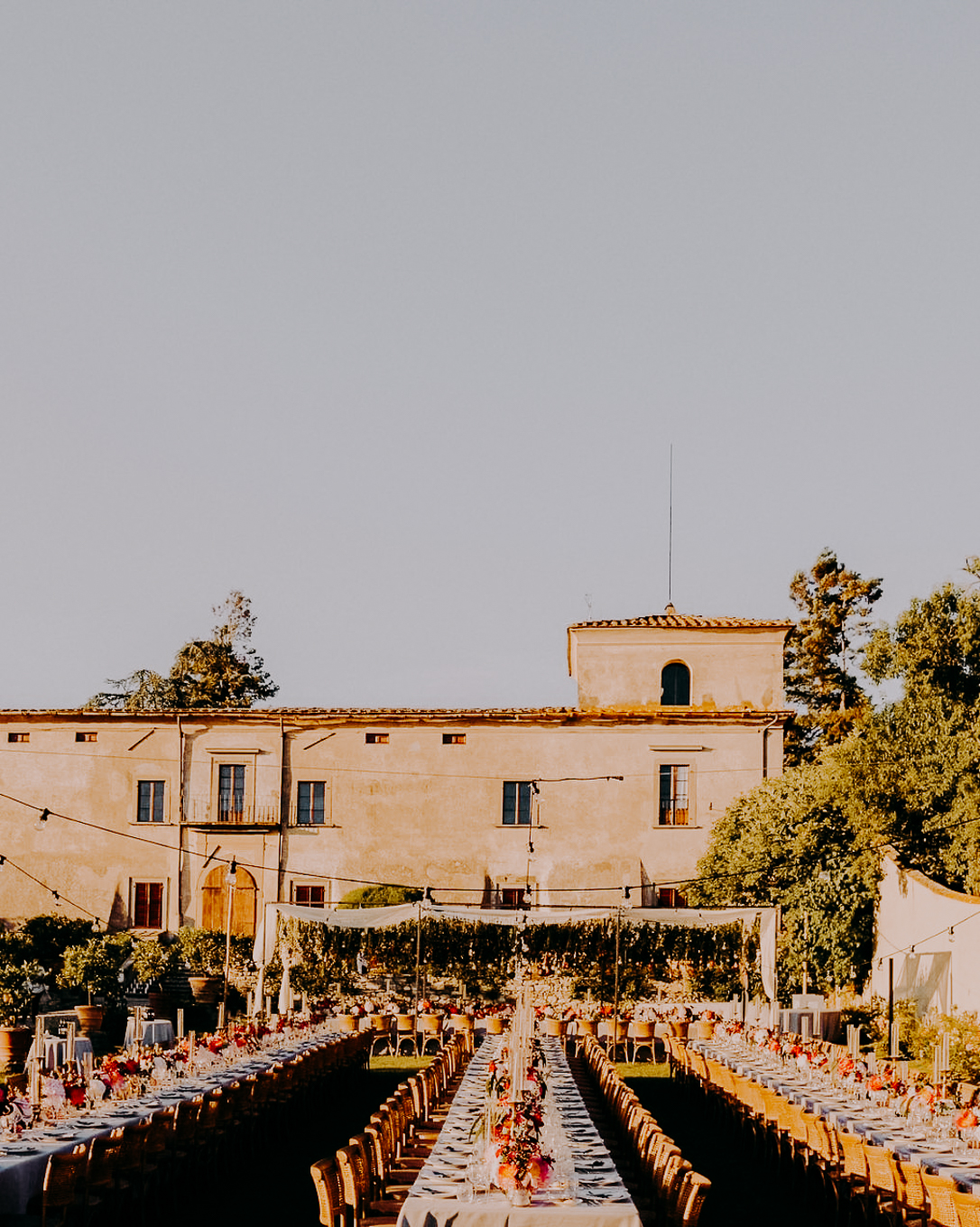
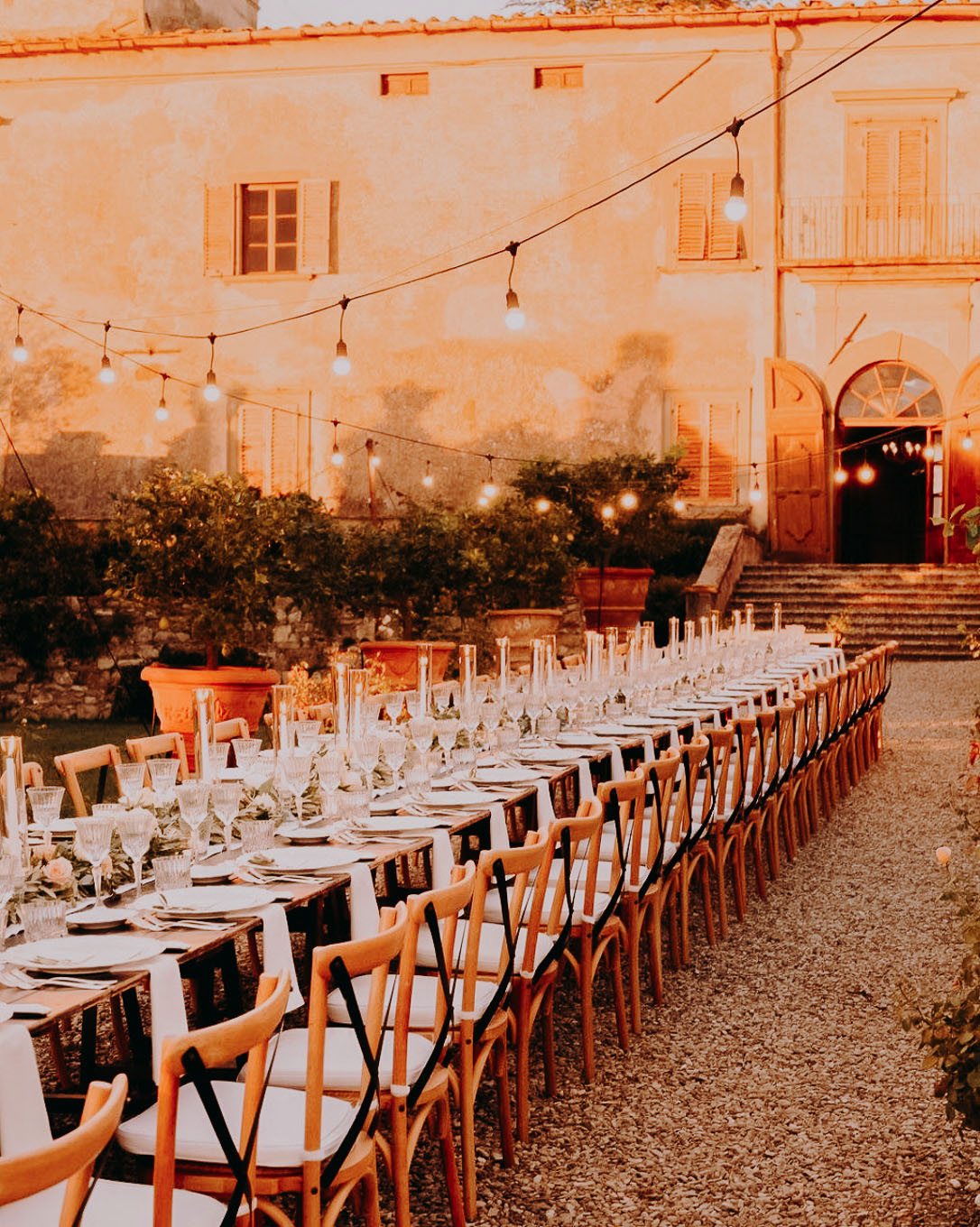
Villa Medicea di Lilliano accommodates its wedding guests across six independent private residences — each a self-contained villa, from single-room to five-room configurations — for a total of sixteen double rooms and accommodation for up to thirty-two guests in the main estate residences, or up to forty-four with additional beds. For wedding parties larger than this, the estate has established collaboration arrangements with nearby accommodation providers that can accommodate up to ninety-two additional guests within a short distance. The six villas share the estate's gardens, the swimming pool, and the common outdoor spaces — so that while each villa is private and independent, the total experience of the wedding group is that of a shared estate rather than a collection of separate lodgings. Golf carts are available for estate transport between the different residential buildings and event spaces, which speaks to both the scale of the property and the thoroughness of its practical infrastructure. The estate can host up to 250 guests for the celebration in its outdoor and indoor spaces combined.
If the Medici commissioned the Duomo and owned this estate, does the view from the Terrazza Medicea require any additional explanation?
The dome is on the horizon. The olive groves are in the foreground. The courtyard with its fountain and its box hedges was laid out by the same family that shaped the city visible behind it. Working here as a photographer means working in a place where the historical frame and the natural light have been doing most of the composition for several centuries.
How Francesco worksGetting to Villa Medicea di Lilliano: Practical Information for International Couples
Villa Medicea di Lilliano is located at Via Lilliano e Meoli 82, 50012 Grassina, in the Comune di Bagno a Ripoli, eleven kilometres south of Florence. Florence Peretola Airport is approximately fifteen kilometres away — around twenty minutes by car. Pisa Galileo Galilei Airport is approximately one hundred kilometres to the west and serves a wider range of international routes. The estate is also accessible by public transport from Florence. The two nearest villages, Grassina and Antella, are two kilometres from the property and provide basic facilities. Florence city centre — with the Uffizi, the Duomo, the Oltrarno, and every major museum and monument of the Renaissance capital — is twenty minutes away by car or taxi. For guests who want to combine a multi-day wedding stay at the estate with days in Florence, the proximity of the villa to the city makes it the most logistically convenient historic estate venue in the Florentine hills for those wishing to experience both the city and the countryside.
Villa Medicea di Lilliano: Questions From Couples Planning a Florentine Hills Wedding
How does the legal wedding process work for foreign couples getting married at Villa Medicea di Lilliano?
Villa Medicea di Lilliano is licensed by the Italian state — through the Comune di Bagno a Ripoli — to perform official civil ceremonies directly on the estate. This means that legally binding marriages can take place here without a separate visit to the town hall. For foreign nationals, the documentation process must begin through the Italian consulate in your country of residence, with requirements varying by nationality and the process typically starting several months before the wedding date. The estate team can advise on the specific administrative requirements for international couples and coordinate with the local municipal authorities throughout the process.
What is the Medici connection and how does it relate to the villa's history?
Villa Medicea di Lilliano takes the word "Medicea" in its name from its historical ownership by the Medici family — the most significant family in the political and cultural history of Florence, the patrons of Leonardo da Vinci, Botticelli, Michelangelo, and virtually every major artist of the Florentine Renaissance. The estate's origins are recorded from the eleventh century, and during the period of Medici dominance it formed part of their network of rural properties on the Florentine hills. In 1830 it passed to the Malenchini family, who have owned and managed it since. The Terrazza Medicea's view of the Brunelleschi dome — the great architectural achievement of the Renaissance Florence that the Medici shaped — gives this historical connection a visible, geographical dimension that is impossible to replicate at any other wedding venue in this part of Tuscany.
Can the estate accommodate larger wedding parties, and what is the maximum guest count for the celebration?
Yes. The estate's six independent private villas accommodate up to thirty-two guests on site (forty-four with additional beds), and the estate maintains collaboration with nearby accommodation providers for up to ninety-two additional guests. The maximum number of guests for the wedding celebration itself — across the estate's outdoor and indoor spaces — is 250. Golf carts are available for estate transport across the seventy-hectare property, making it practical to move guests between different spaces and buildings throughout the day.
Are there wines and olive oil produced on the estate, and can they be served at the wedding?
Yes. The Malenchini family produces organic wine and olive oil from the estate's seventy hectares of vineyards and olive groves — the same land visible from the Terrazza Medicea and the event spaces. The estate has a cellar where wine tastings are available for guests. The organic production reflects nearly two centuries of the Malenchini family's commitment to this specific agricultural territory, and serving their wine at a wedding celebration on the estate gives the dinner a direct and documentable connection to the land surrounding it.
What cooking and activity experiences are available at Villa Medicea di Lilliano for multi-day wedding guests?
The estate offers cooking classes, horse riding, jacuzzi and sauna, bicycle rental, and restaurant services. The concierge service can arrange excursions to the nearby Chianti villages of Greve and Panzano, day trips to Florence, and other activities tailored to the group's interests. The estate's stated philosophy — no hurry, simply calm and pure relaxation — shapes the rhythm of a stay here: the emphasis is on the quality of the time spent on the estate itself rather than on a programme of externally organised activities, though both options are available.