Where Marsilio Ficino Translated Plato: Getting Married at Villa Le Fontanelle, Florence
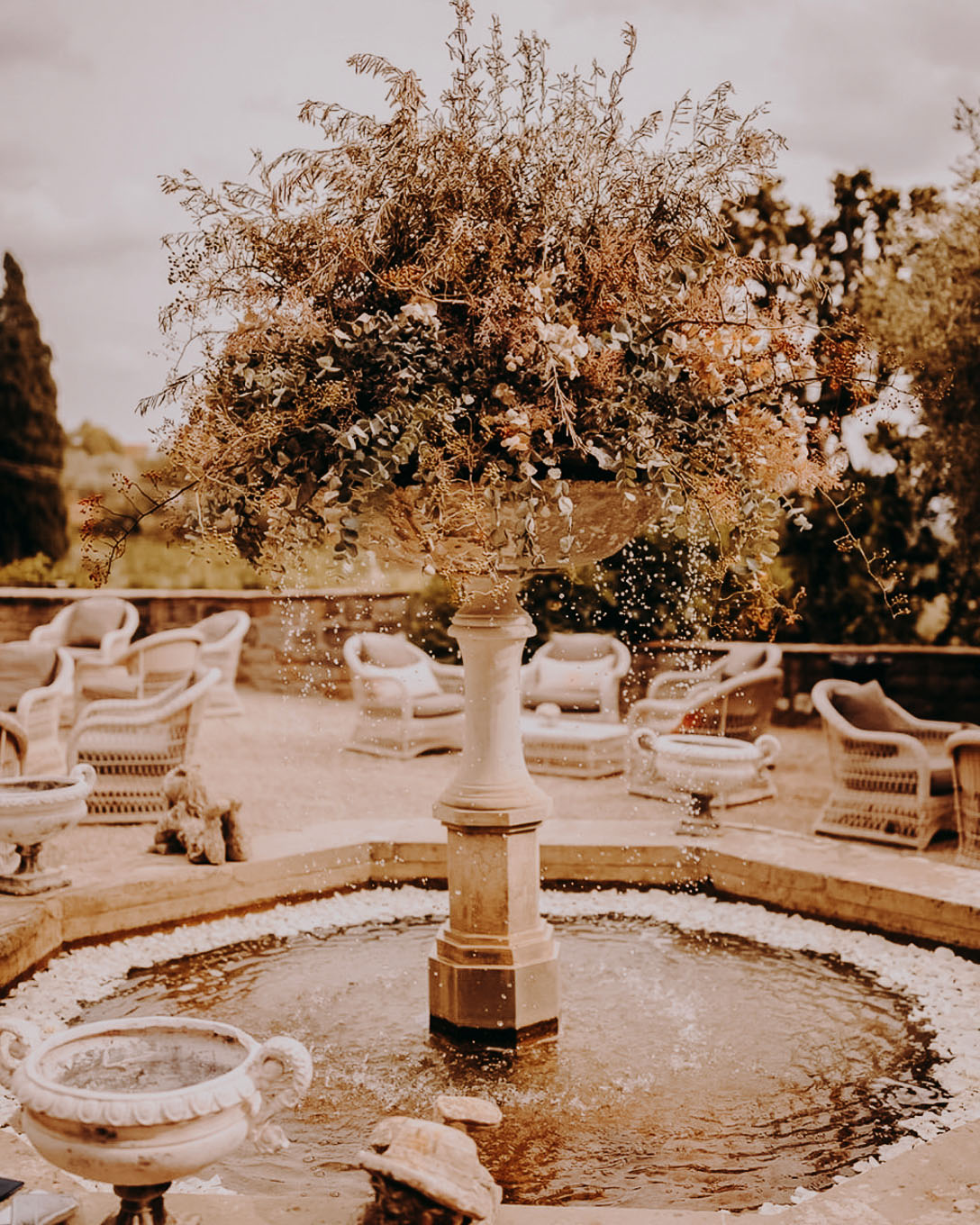
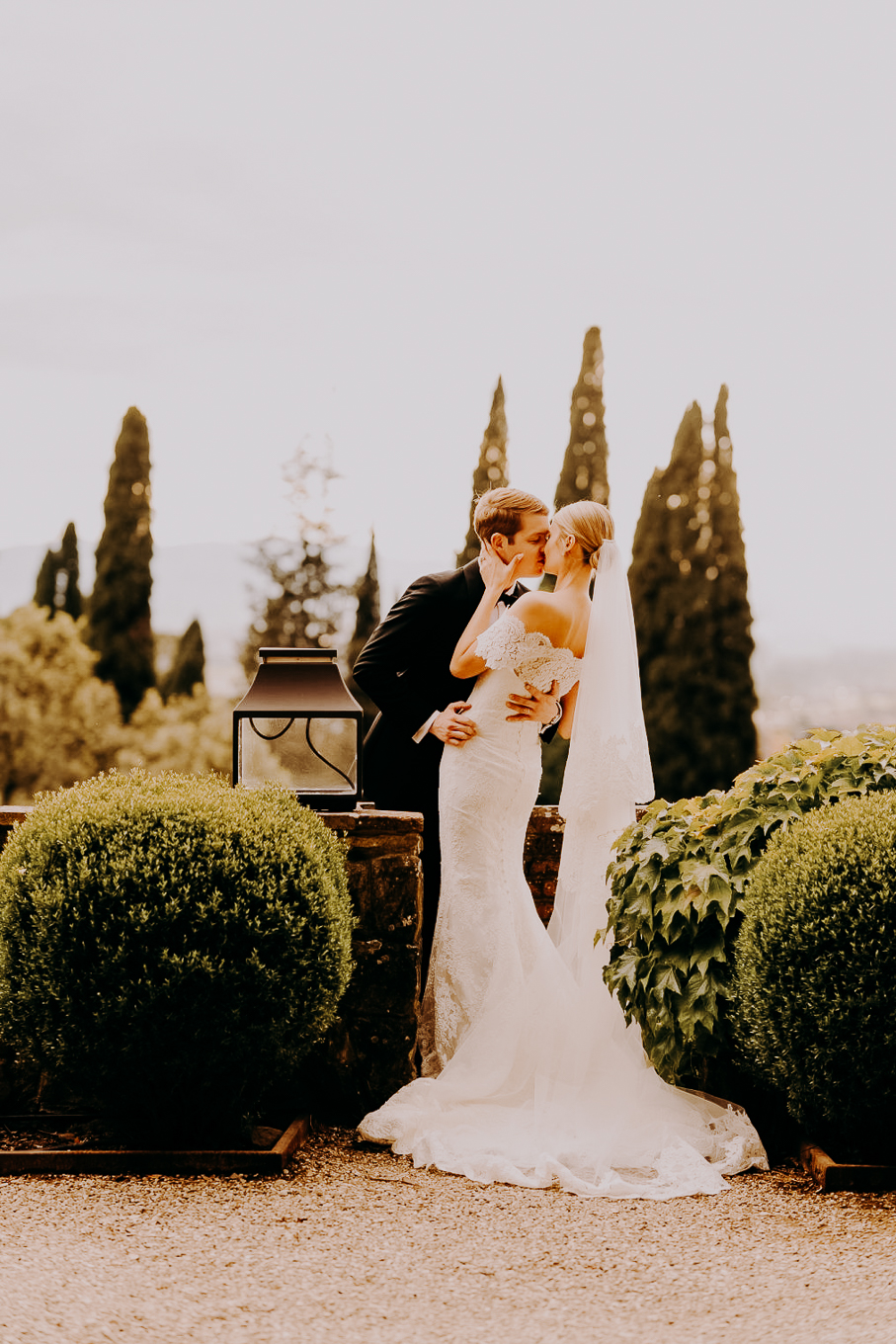
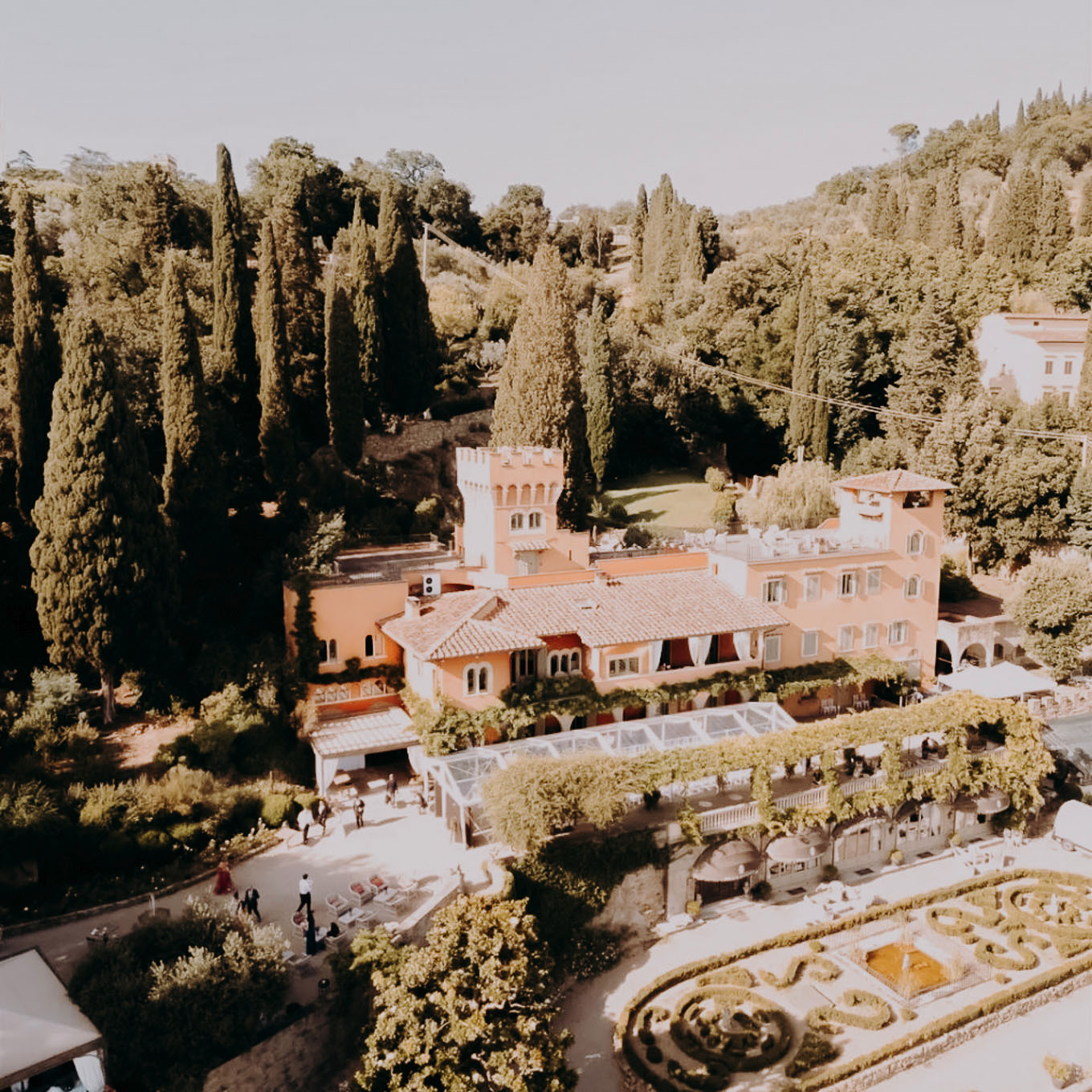
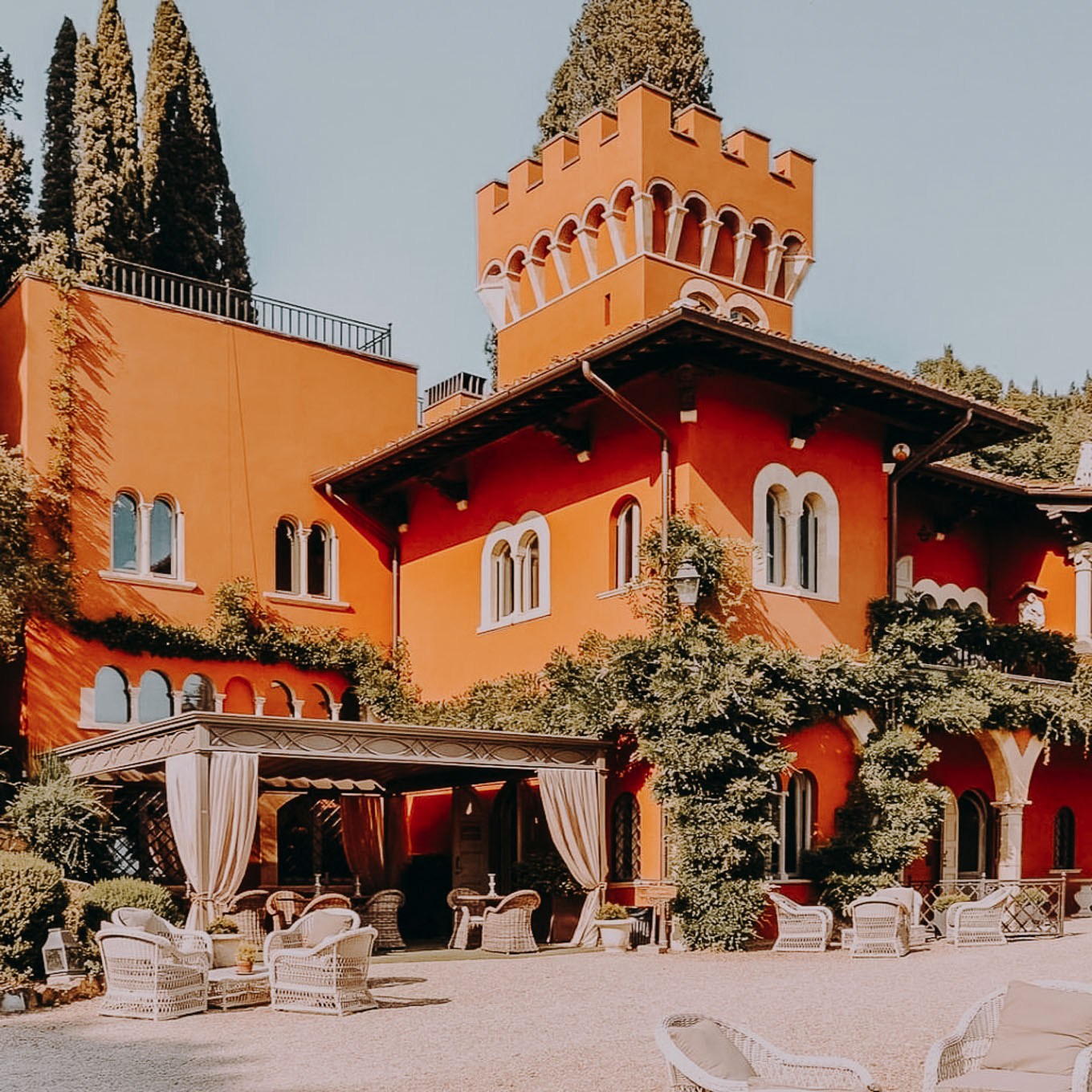
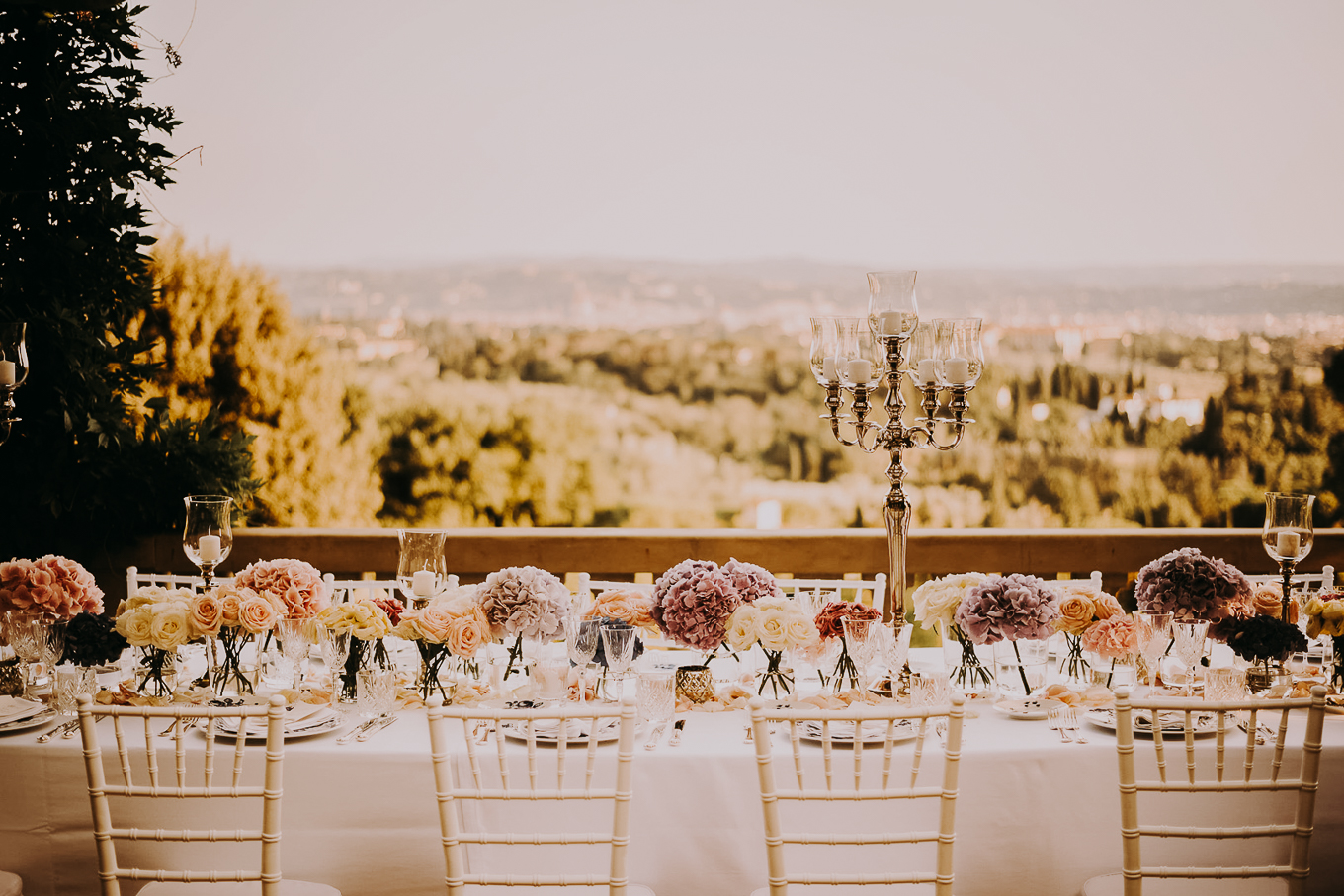
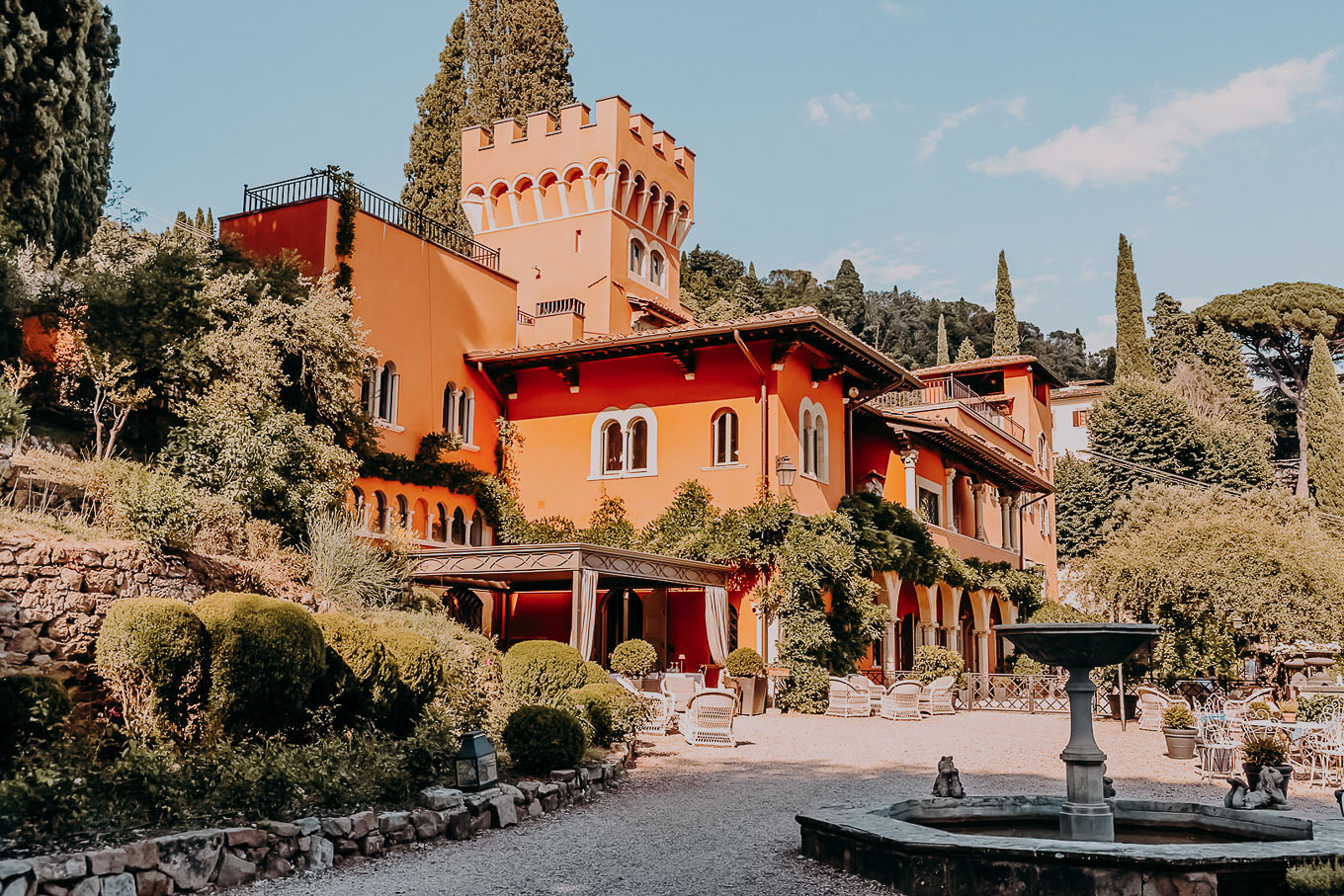
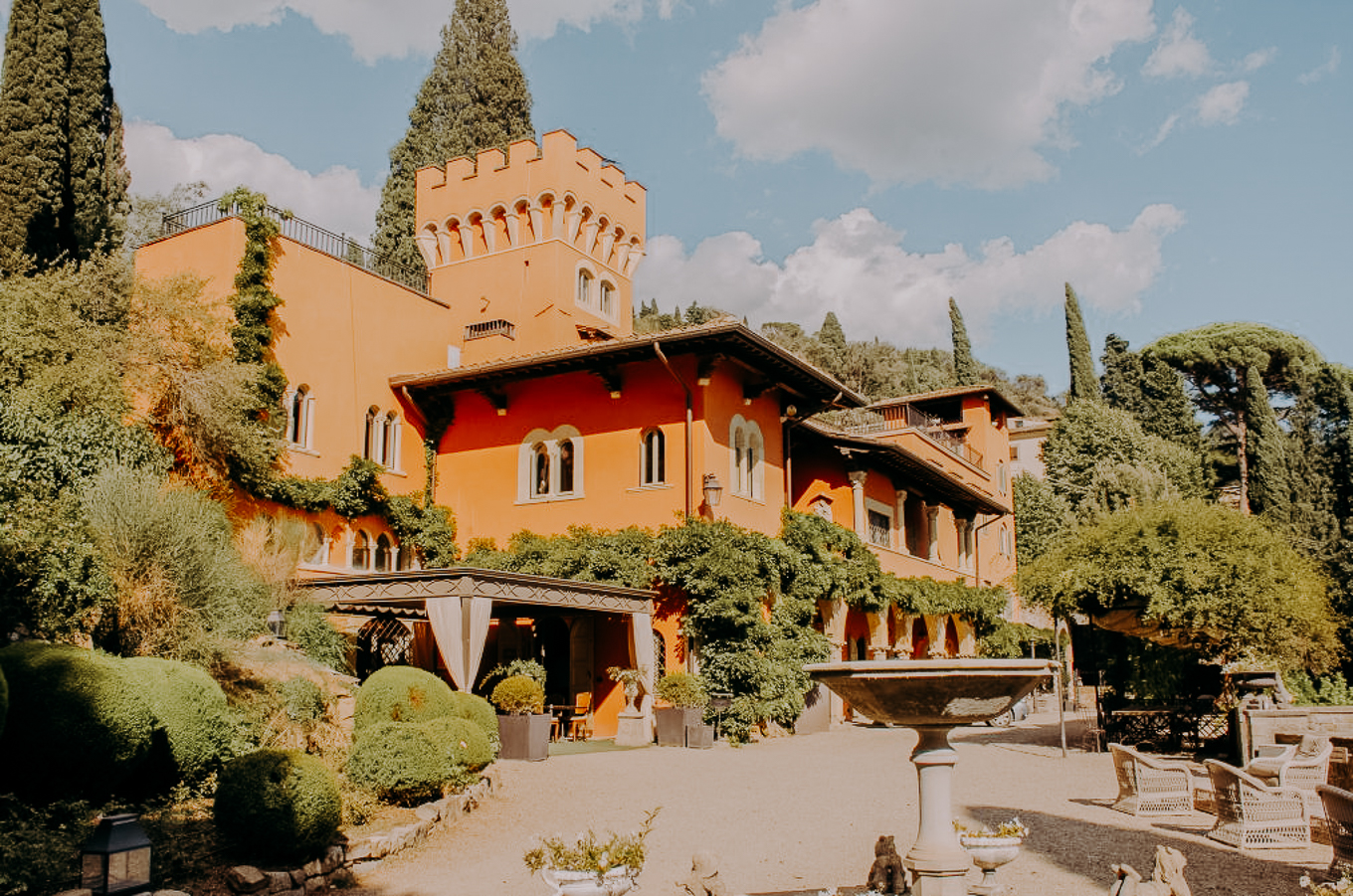
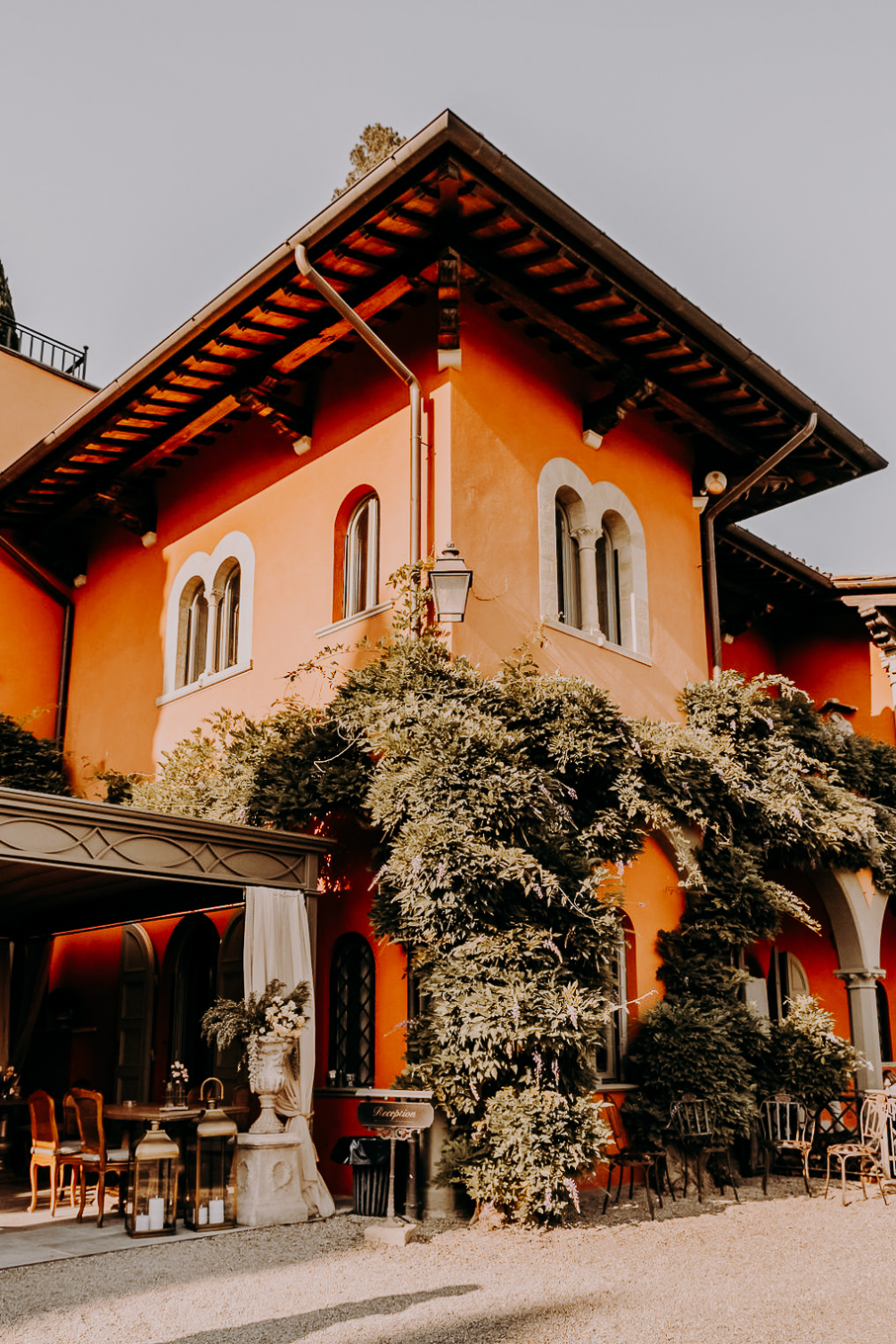
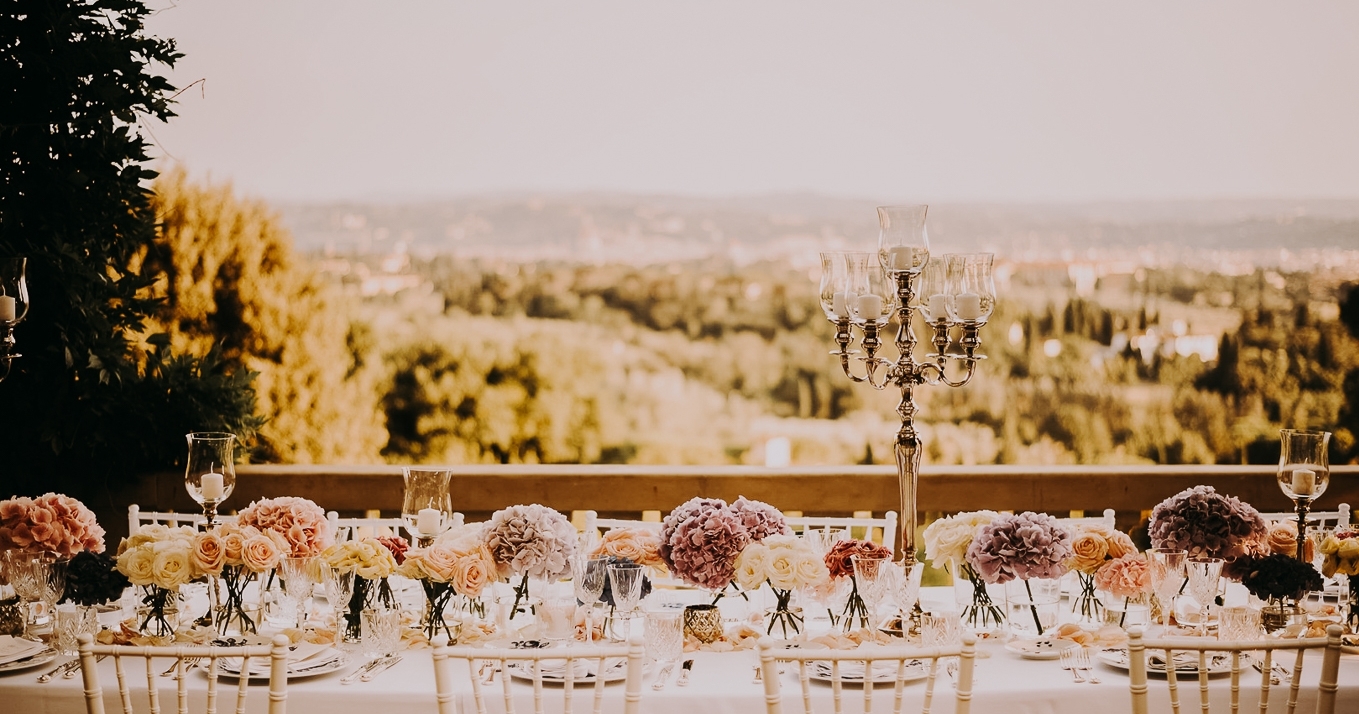
Most wedding venues have a history. Very few have a philosophical one. Villa Le Fontanelle, on Via di Careggi in Florence, was given by Cosimo de' Medici to Marsilio Ficino specifically for the translation of the Platonic Codices — the Greek manuscripts whose rendering into Latin by Ficino between the 1460s and 1480s made Plato's dialogues available to Renaissance Europe and changed the intellectual history of the Western world. It was here that Ficino, the most significant philosophical translator of the Florentine Quattrocento and an illustrious member of the Florentine Humanist movement, founded the Platonic Academy. The Academy is still present, symbolically, in the garden: a siren placed inside the marble basin of the Italian garden commemorates the institution that this property housed. The siren is still there. The garden is still there. The view from the hillside — Florence below, the Tuscan countryside beyond, the green of the 19th-century Romantic garden wrapping the estate in a silence that is specific to this hill above the city — is still entirely itself. For international couples planning a destination wedding in Florence who want a venue whose history is not architectural but intellectual, not political but philosophical, Villa Le Fontanelle is unlike any other place available within the city's boundaries.
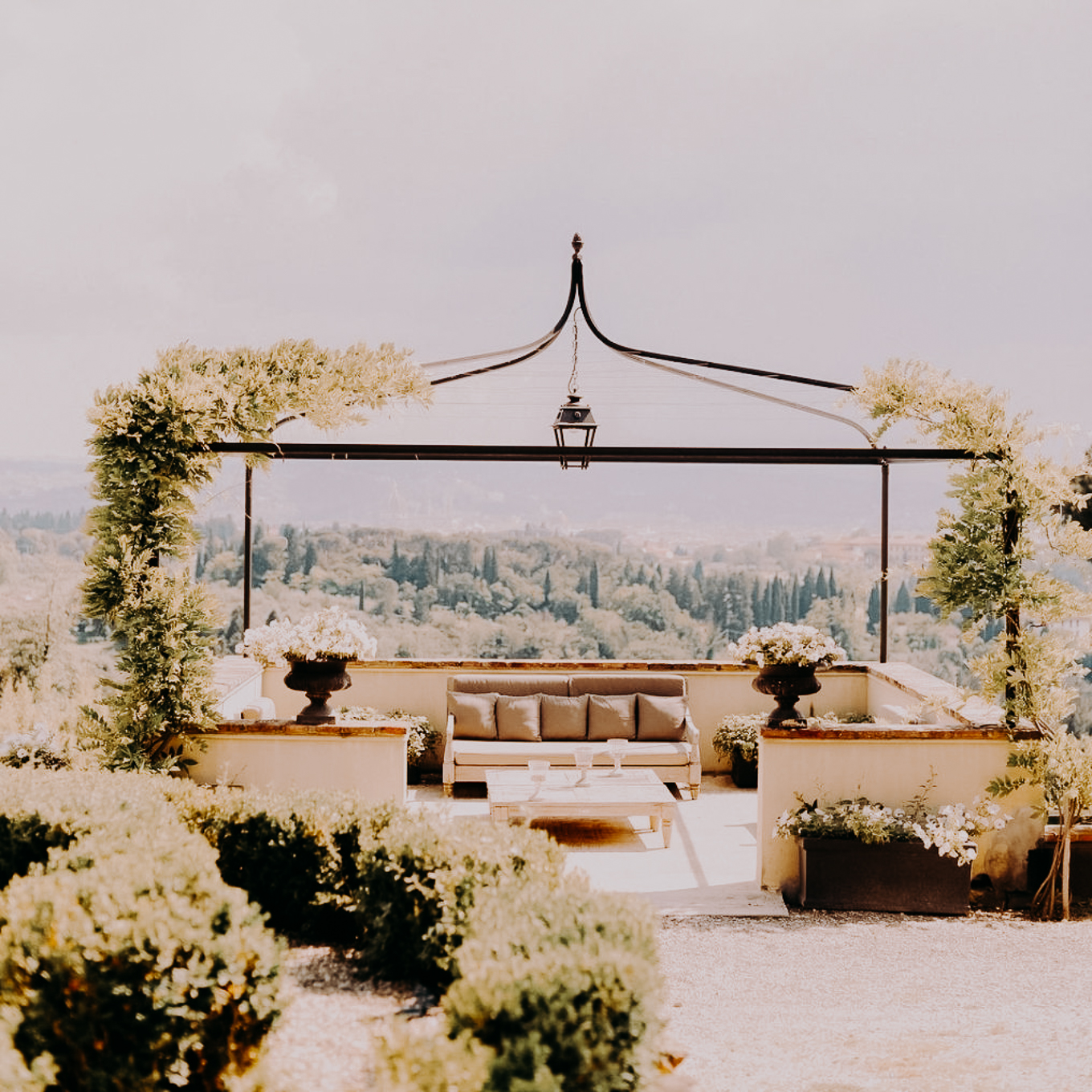
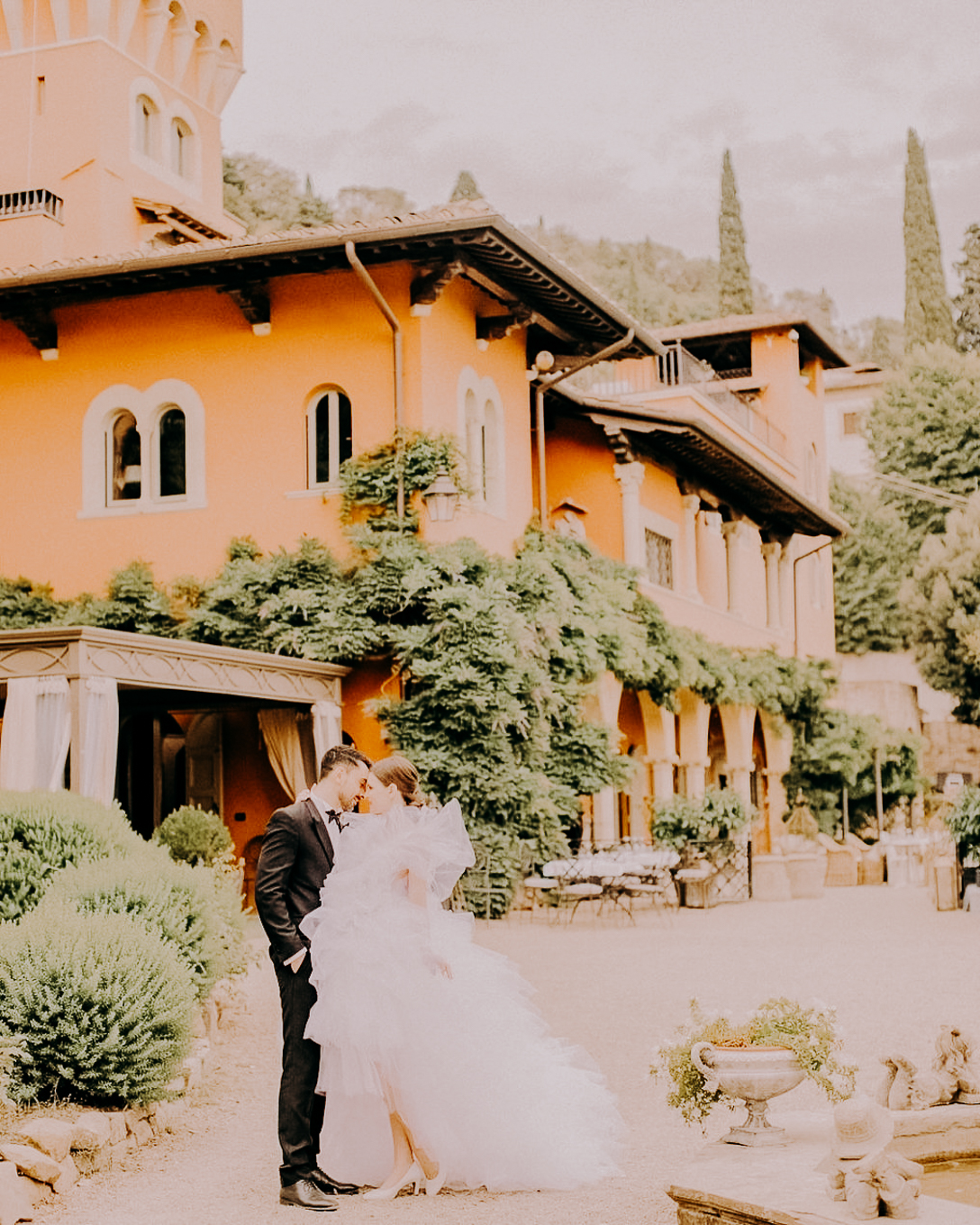
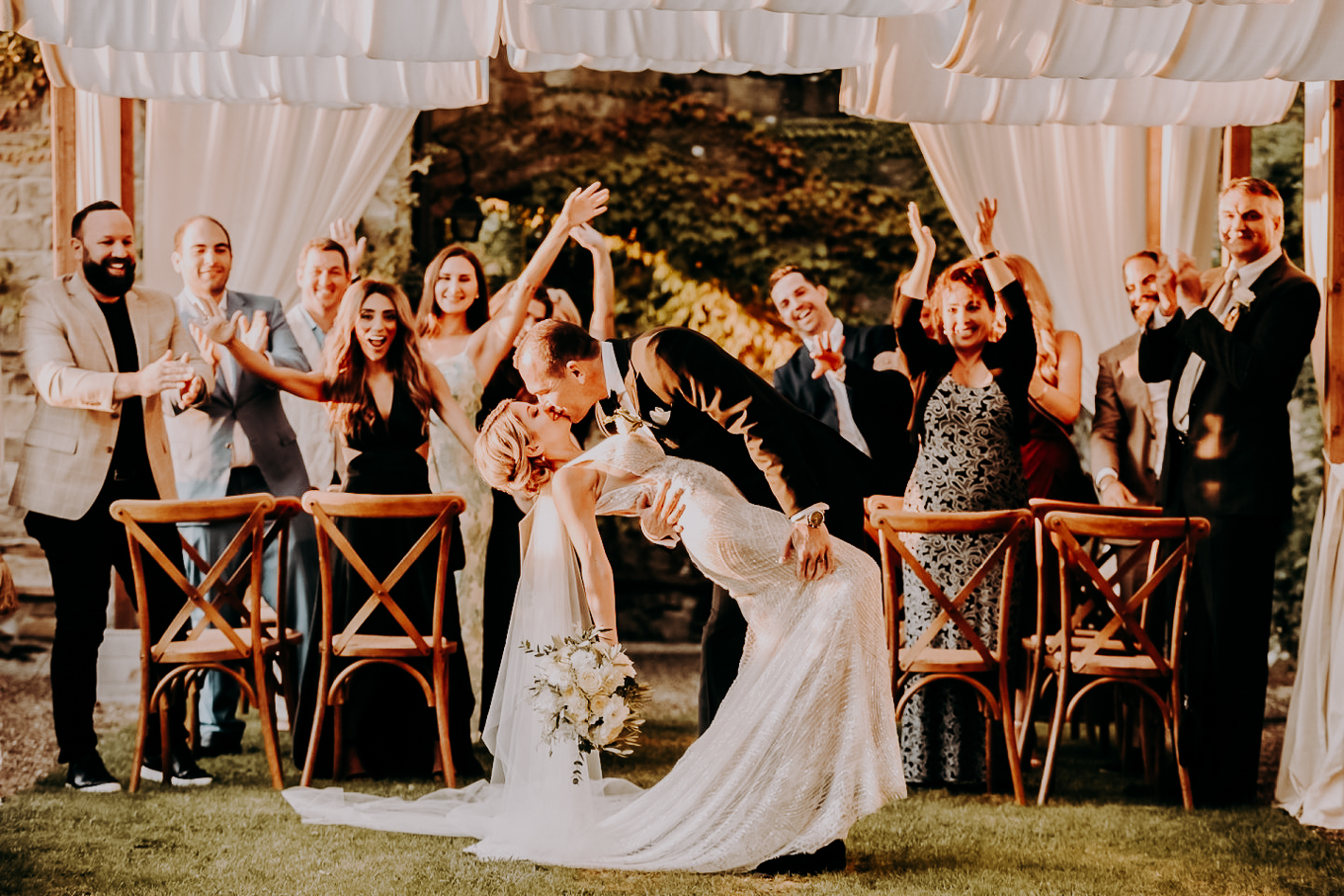
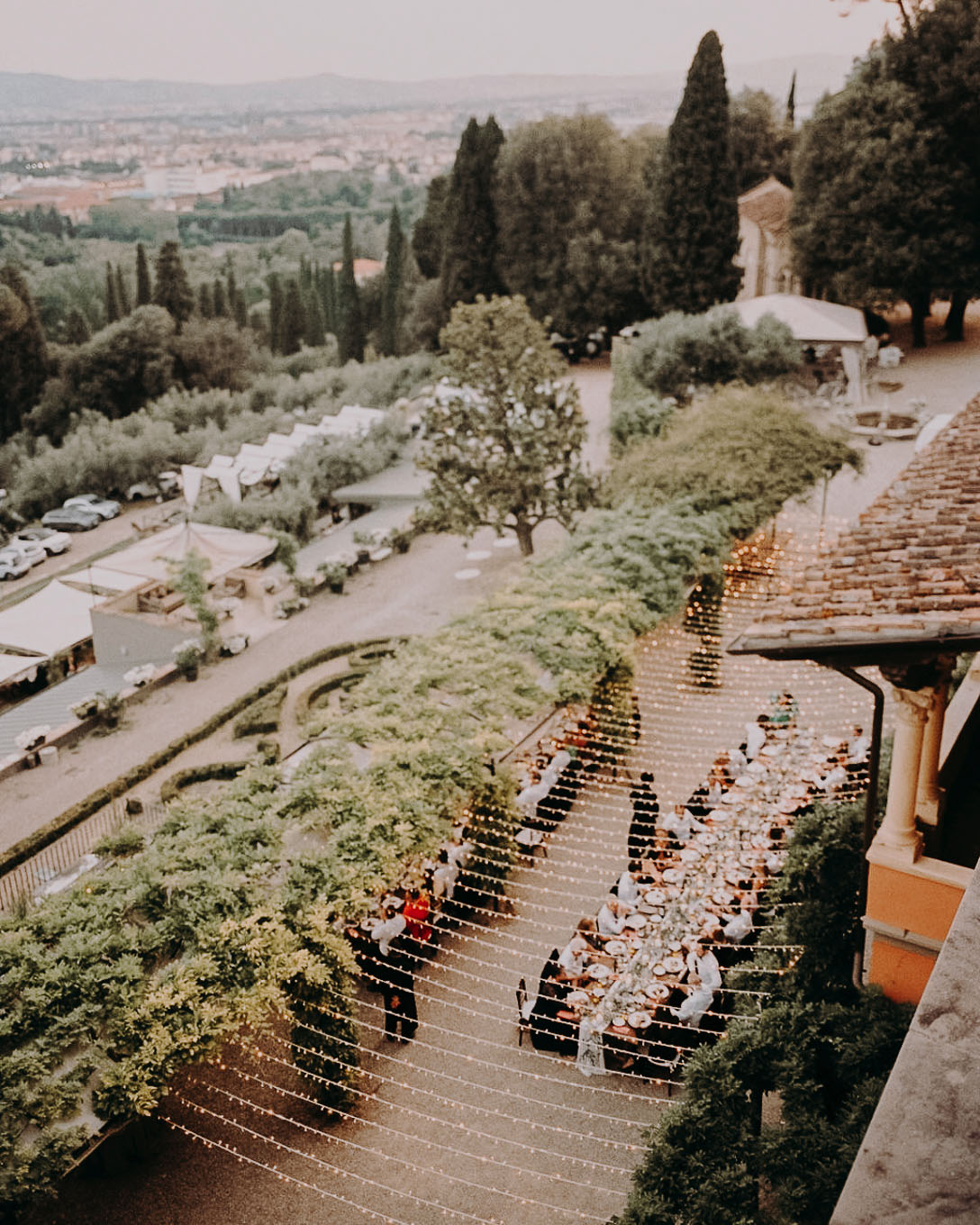
I work as a wedding photographer in Florence, and the particular position of Villa Le Fontanelle — on Via di Careggi, within the municipality of Florence, surrounded by the other Medici villas of this northern Florentine hill — gives it a quality of urban proximity and natural enclosure that very few properties within the city can offer. The garden's 30,000 plants and the view of Florence from the terrace exist within minutes of the Duomo. That compression of city and countryside is specific to this address.
Cosimo de' Medici, Marsilio Ficino, and the Platonic Academy
The history of Villa Le Fontanelle begins as a small farmhouse — a podere contadino — that Cosimo de' Medici granted to Marsilio Ficino as the working base for the most significant philosophical translation project of the Renaissance. Ficino's task was to render into Latin the complete works of Plato, which had been largely inaccessible to Western European readers since the fall of Rome. He did it here — in this property, on this hill above Florence, within sight of the city whose intellectual culture his work was helping to transform. The Platonic Academy that Ficino founded at this property was not a formal institution with a building and a curriculum but a circle of philosophers, writers, and thinkers who gathered around Ficino's translations and his Neoplatonic synthesis: Lorenzo de' Medici, Pico della Mirandola, Angelo Poliziano, and others who defined the high moment of Florentine Humanism. The marble basin in the Italian garden, with its siren, marks the site of that foundation. No other wedding venue in Florence, and perhaps in Italy, can claim to have been the working home of this specific intellectual project.
The Chapel: Mosaics, a Starry Ceiling, and Blown Glass Windows
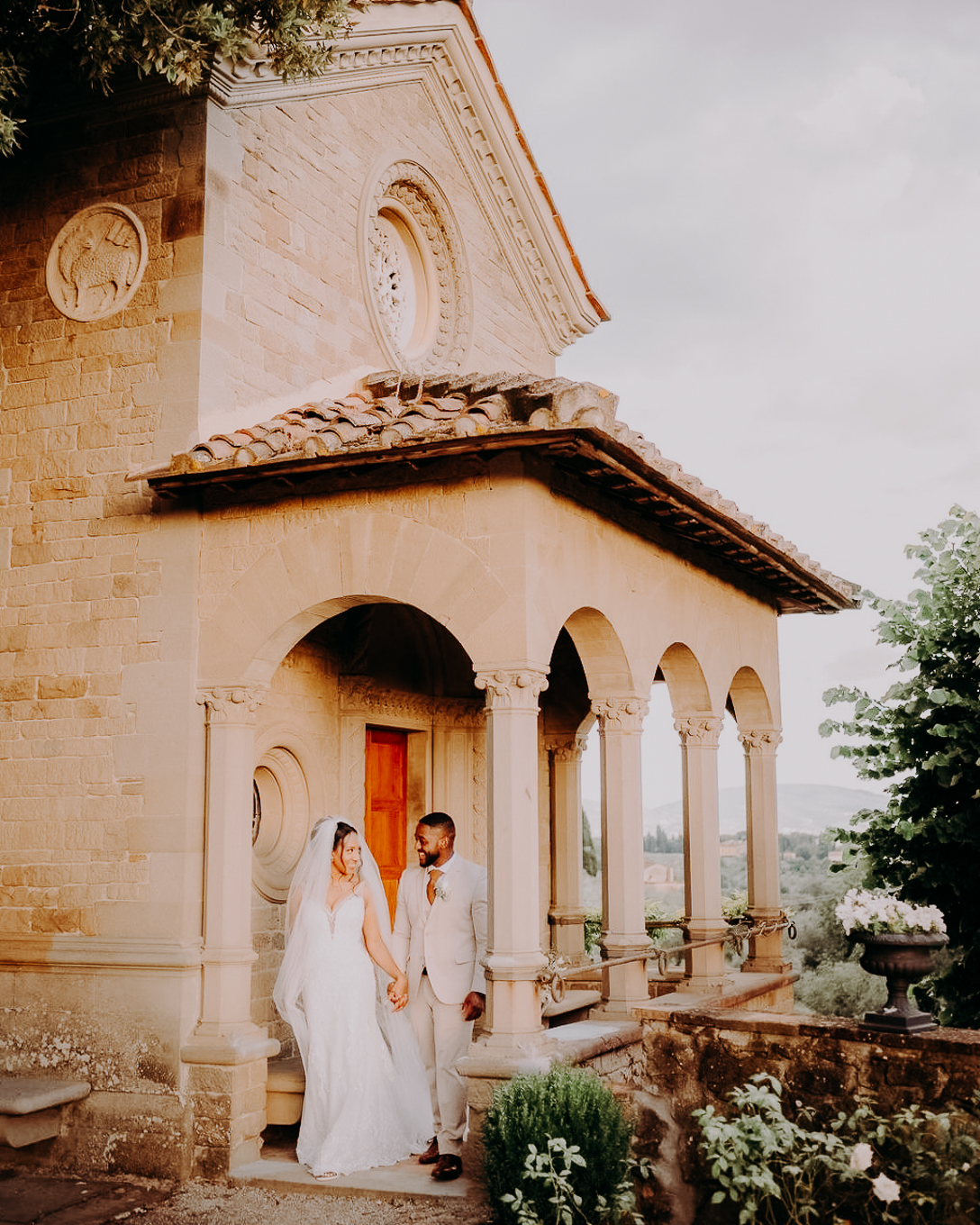
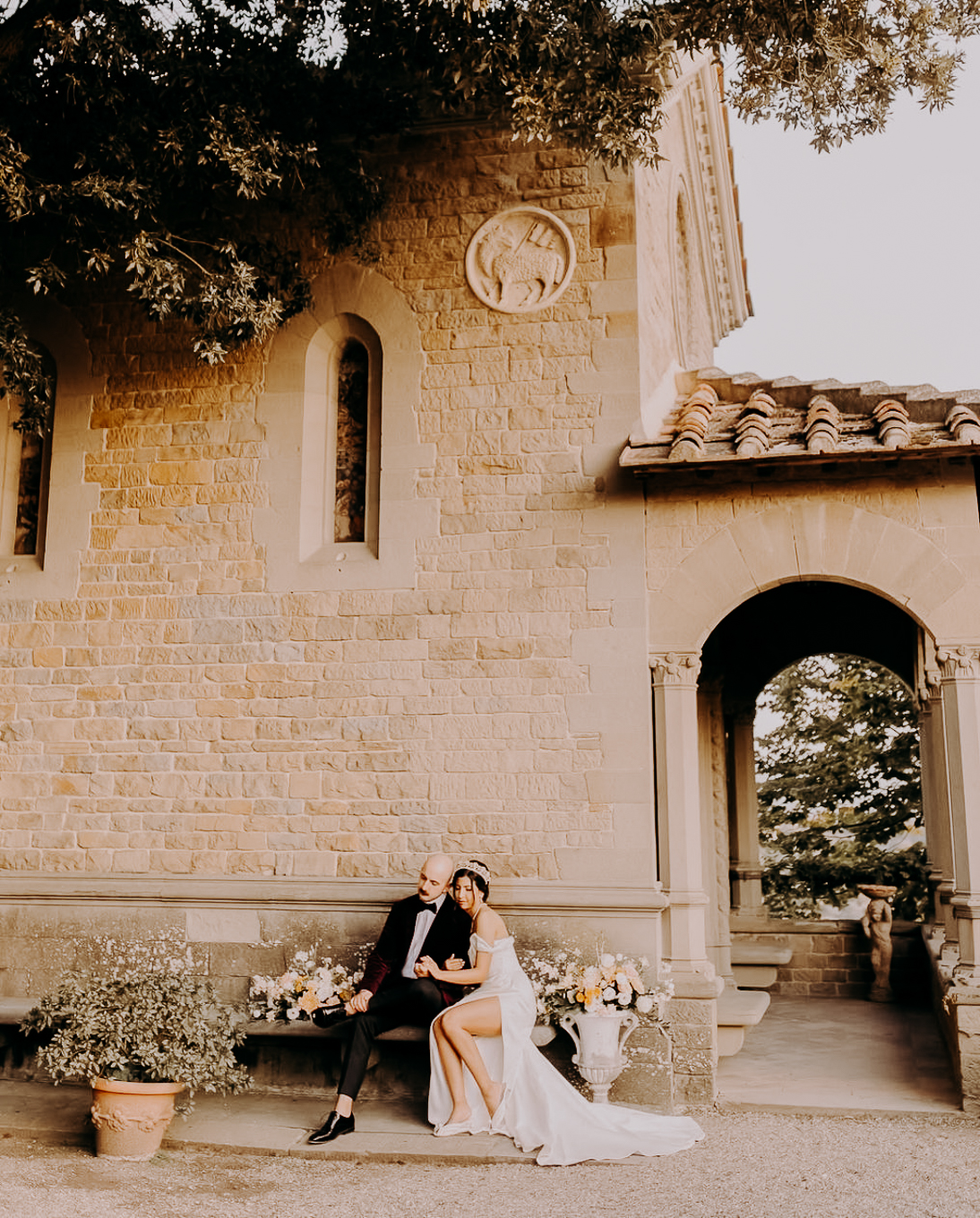
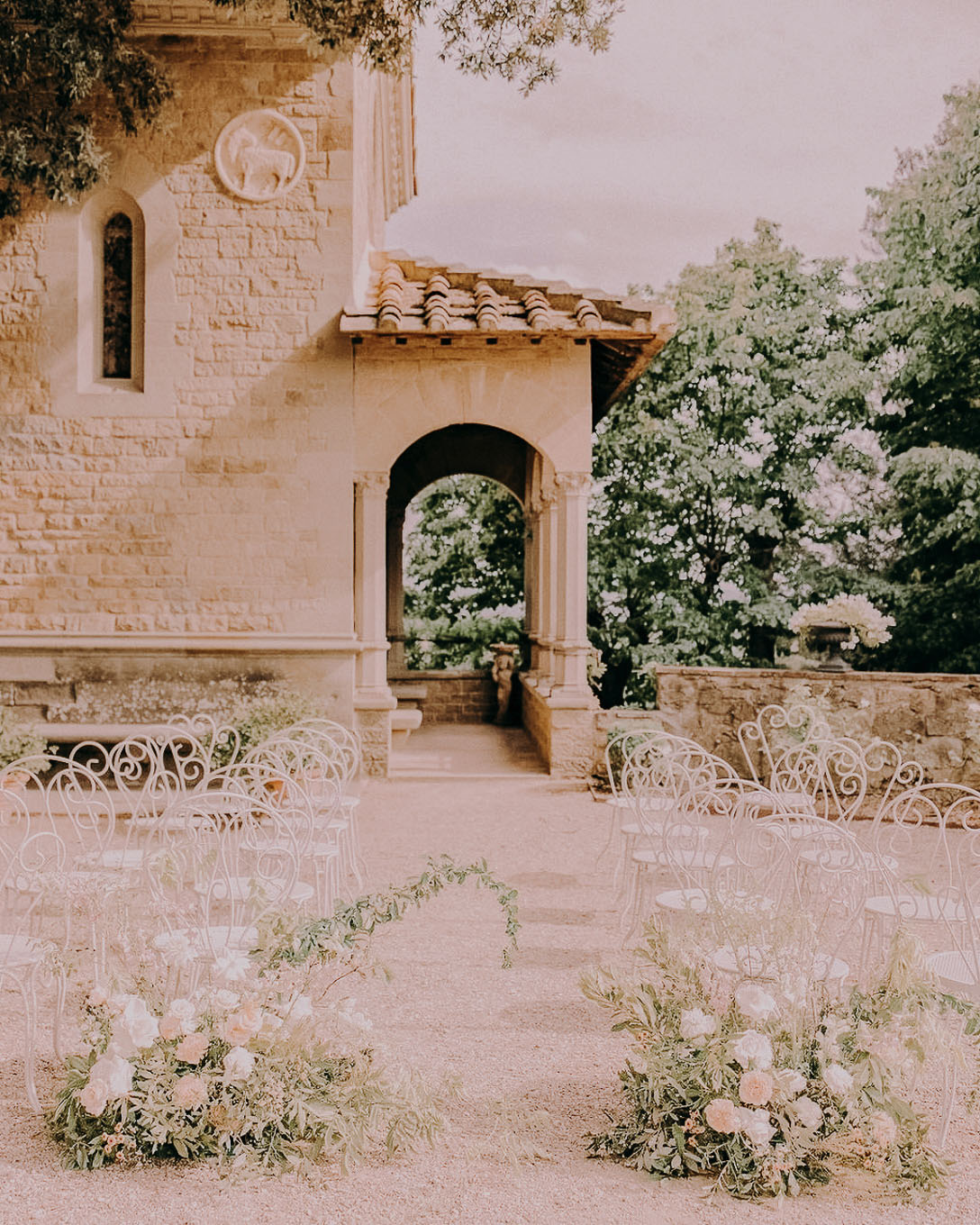
In the garden of Villa Le Fontanelle stands a private chapel whose interior is unlike any other ceremony space in this Florentine section of the guide. The walls are covered in mosaics. The ceiling above the marble altar is painted as a starry sky — un cielo stellato — a specific iconographic choice that gives the interior a celestial atmosphere of concentrated intimacy. The windows are blown glass, filtering the exterior light into something warm and coloured, while simultaneously framing views of the Tuscan countryside outside. Beside the chapel stands its bell tower, which still holds its original bell. The chapel can be used for blessings, non-Catholic religious rites, and symbolic ceremonies — and the combination of its mosaic walls, its painted ceiling, and its blown glass windows makes it one of the most visually distinctive ceremony spaces available in the Florentine hills. For the photography, the interior presents a combination of surface, colour, and light quality that I find at no other comparable space in this part of Tuscany.
The Garden: 30,000 Plants, the Siren, and the Parterre de Bouville
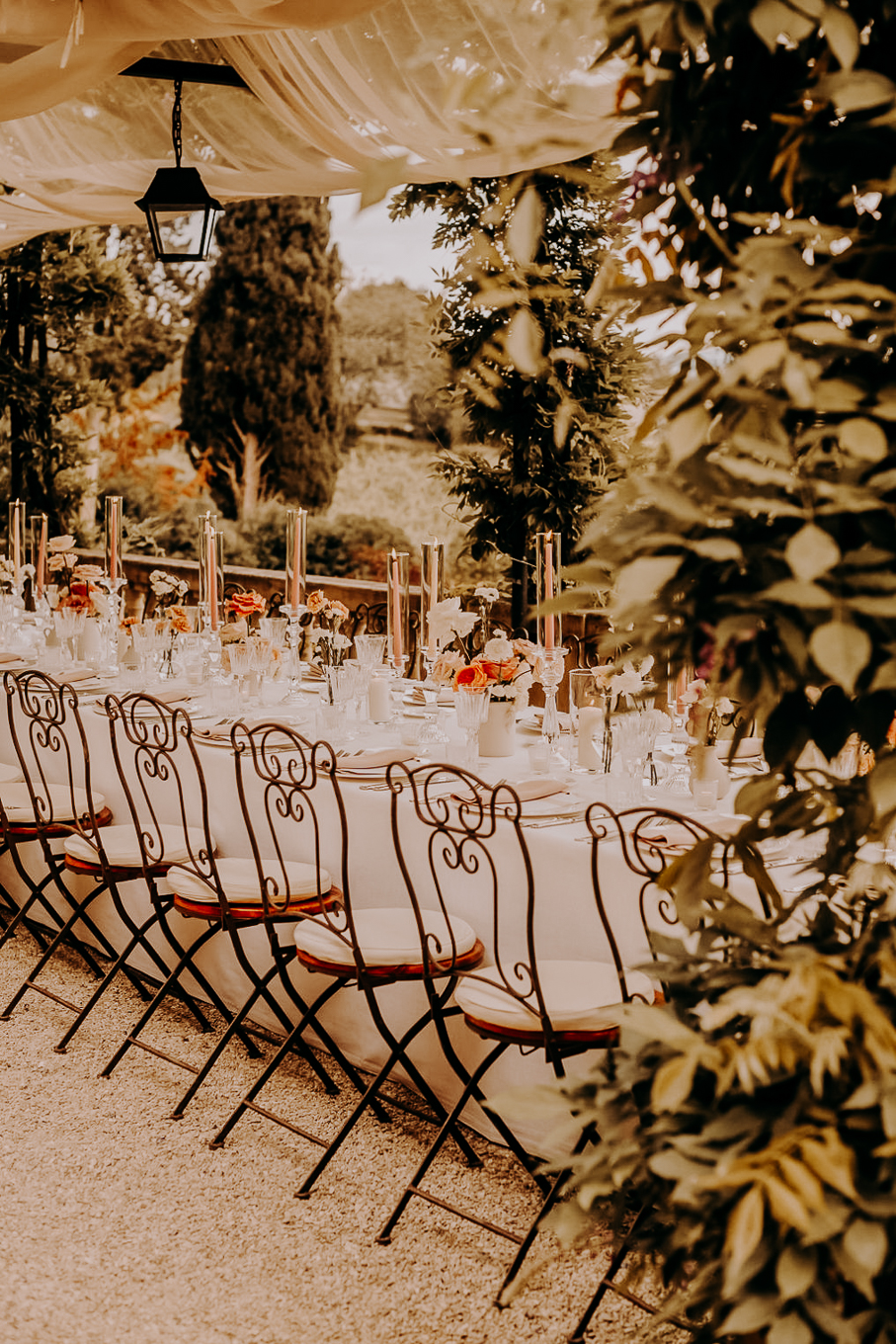
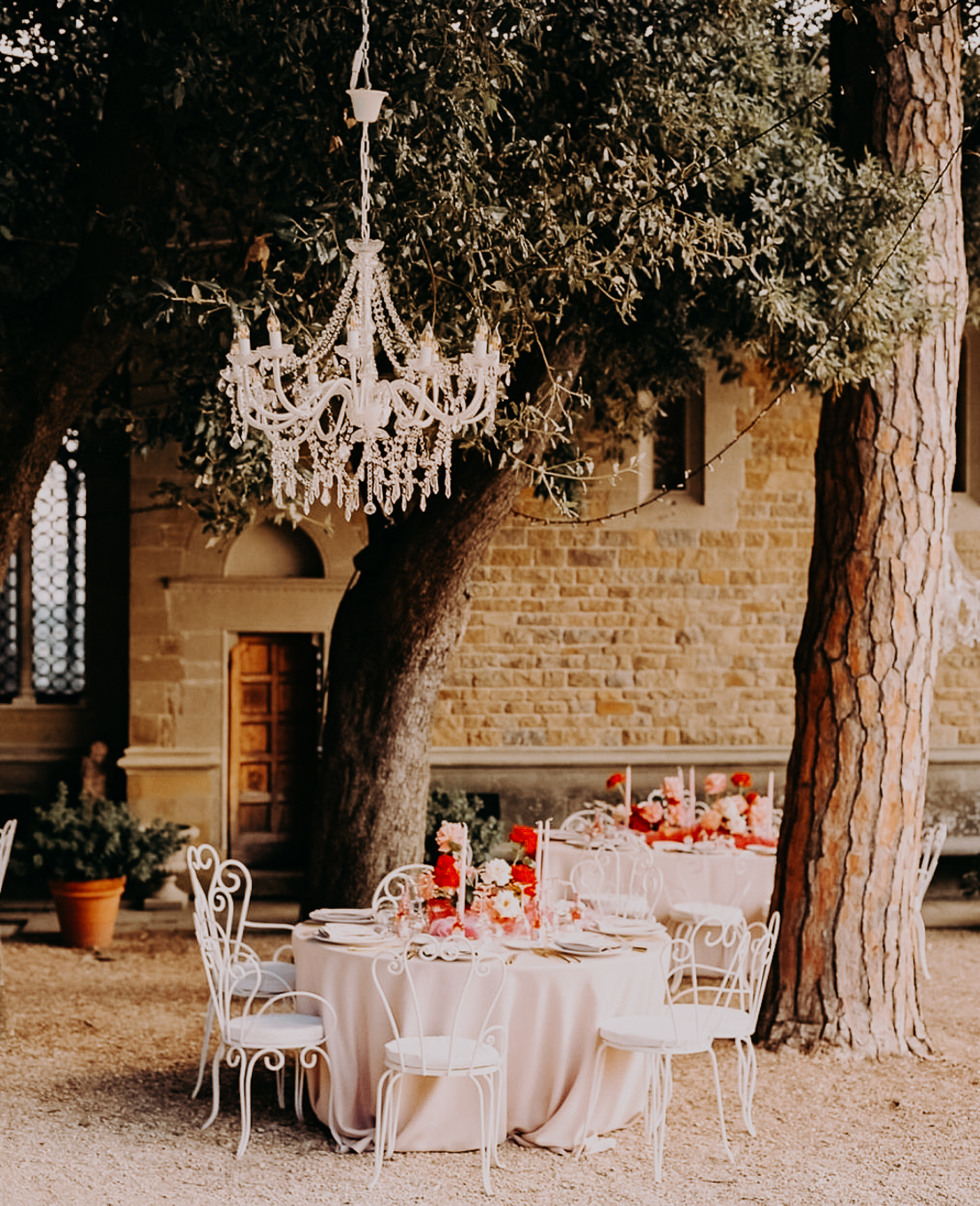
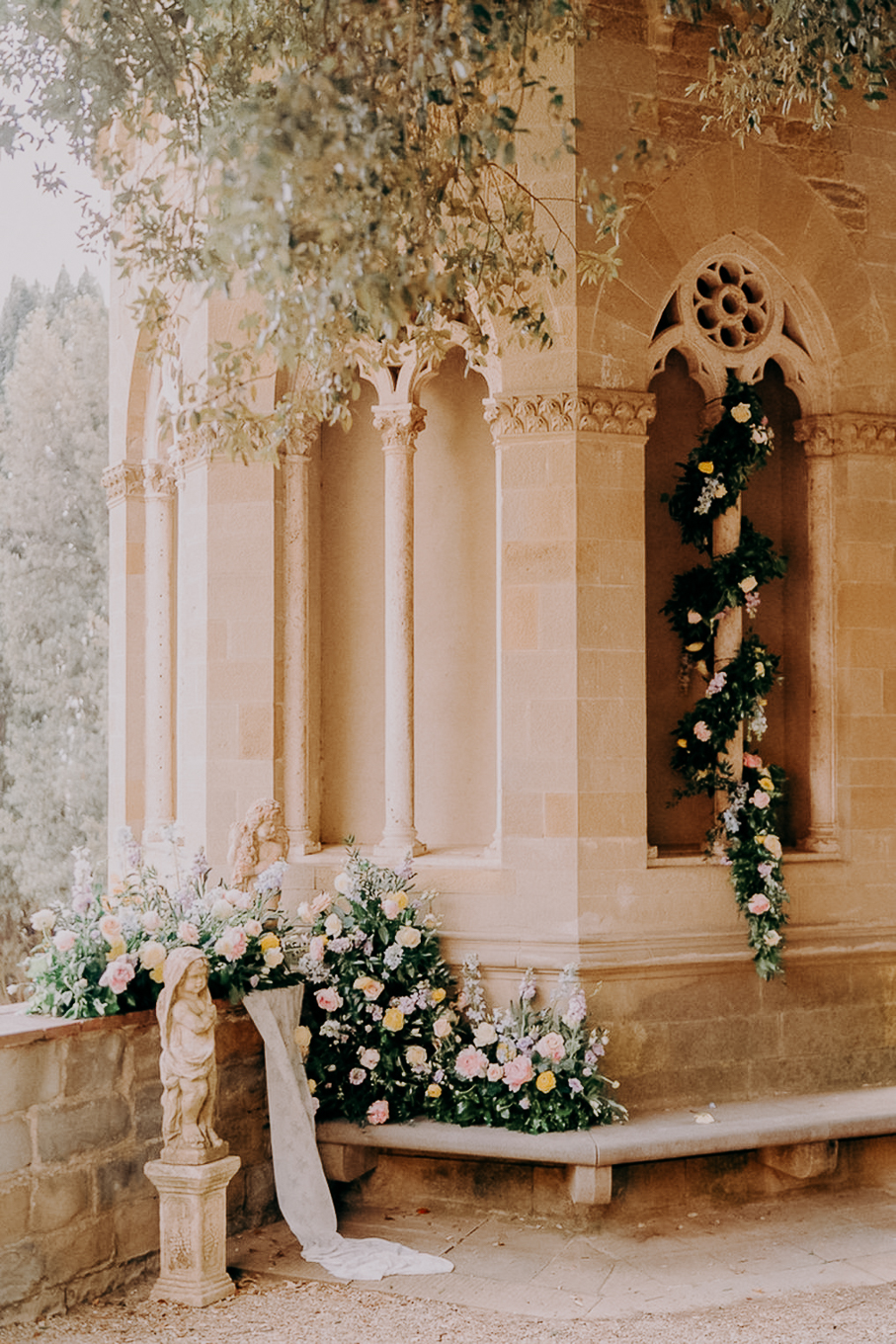
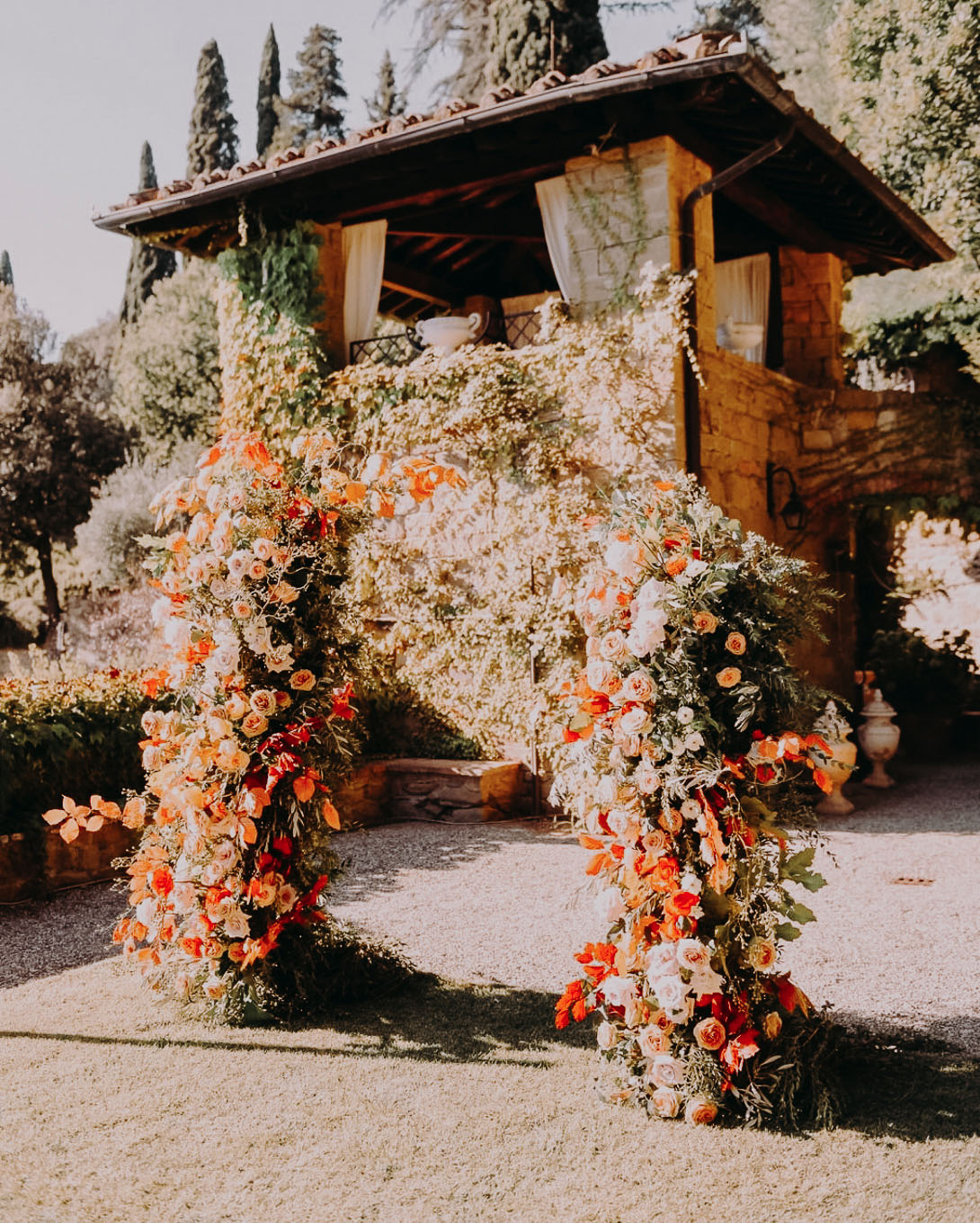
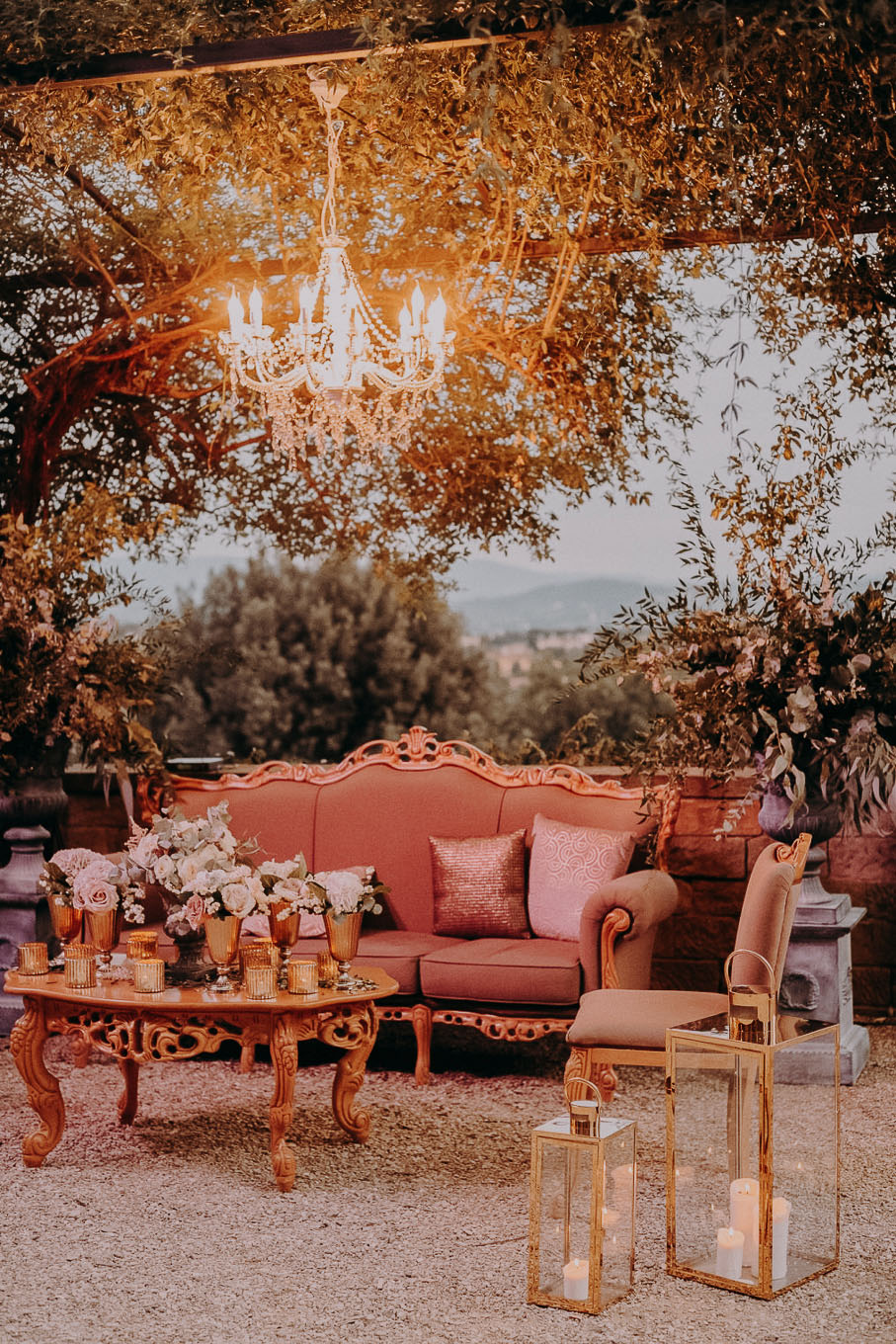
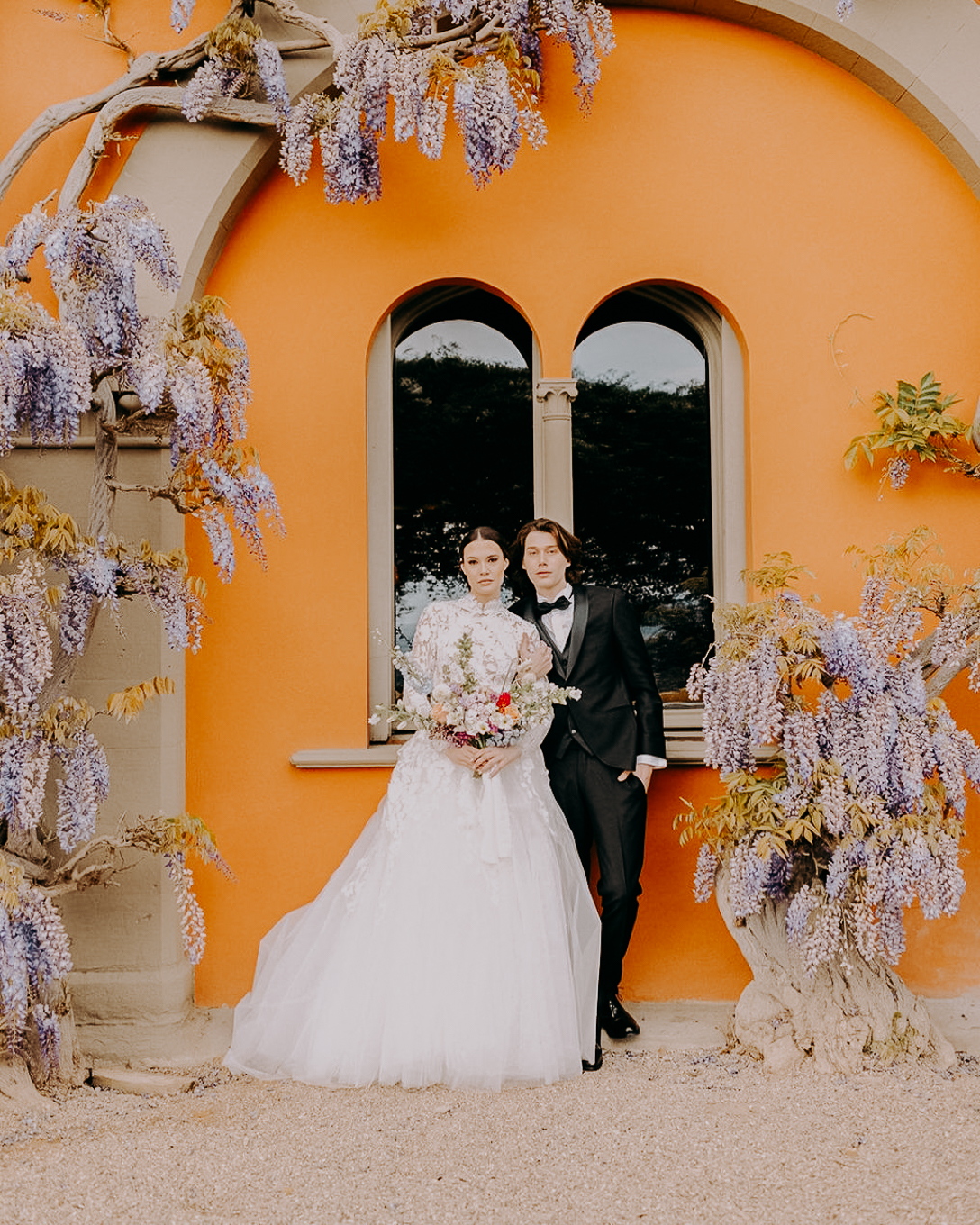
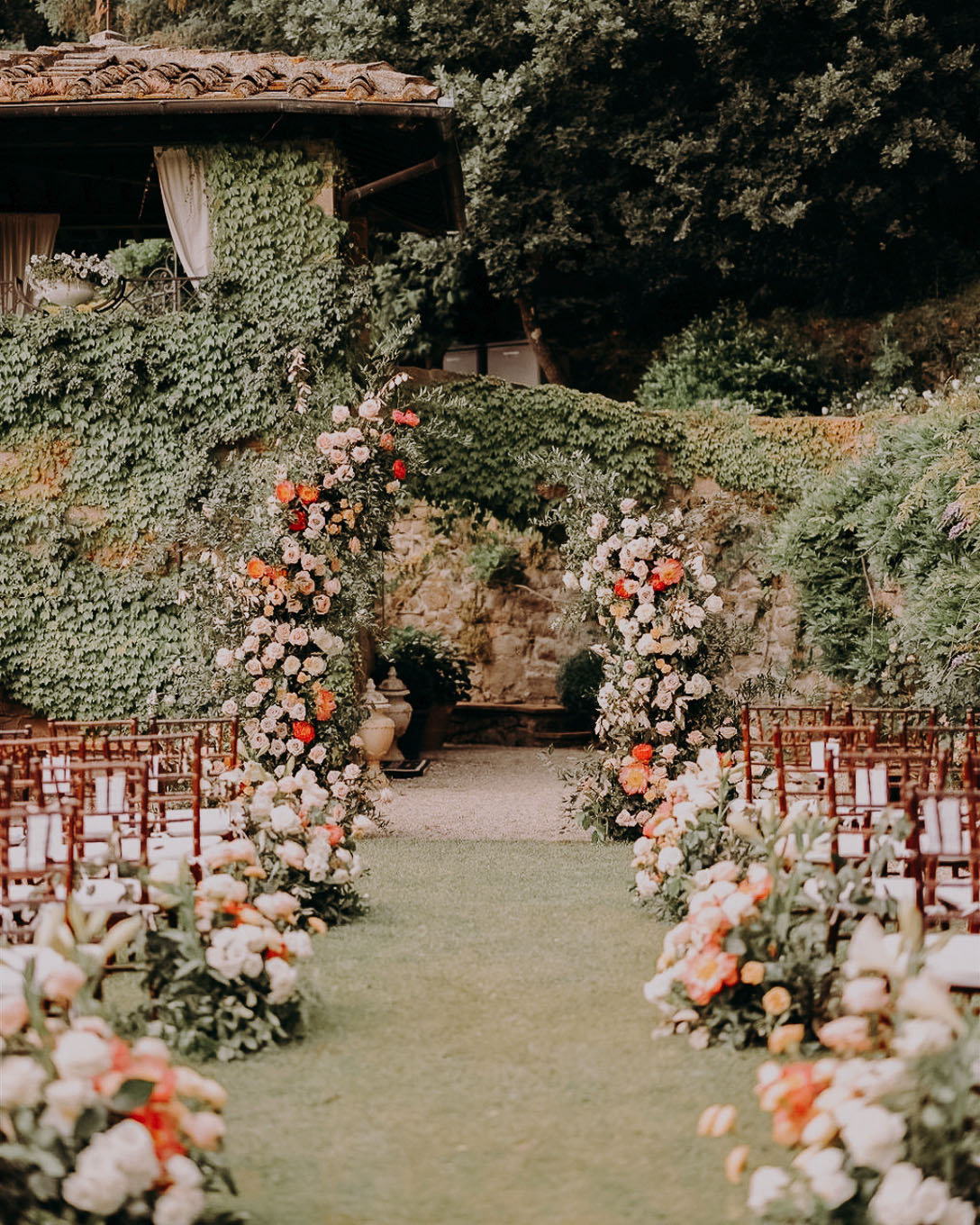
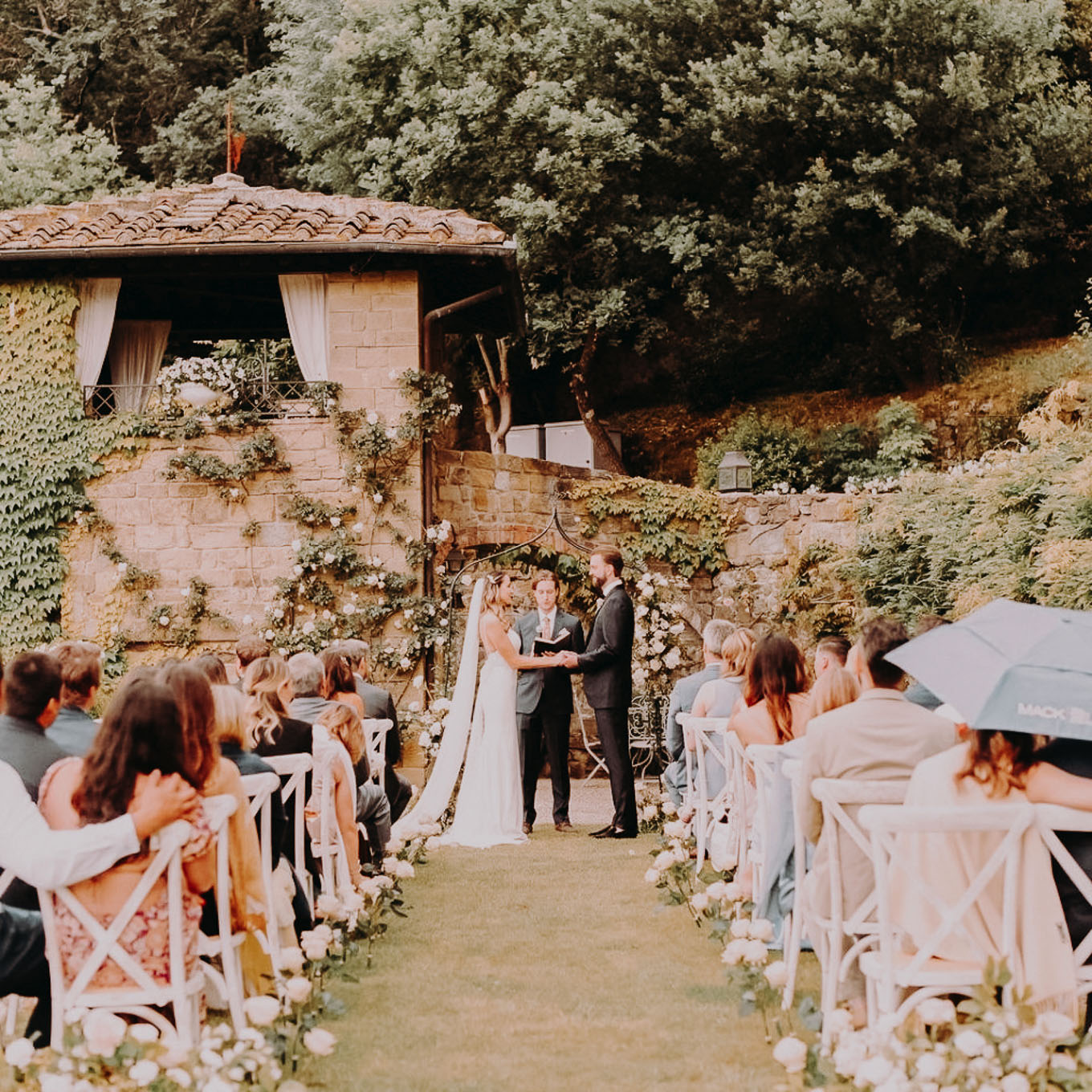
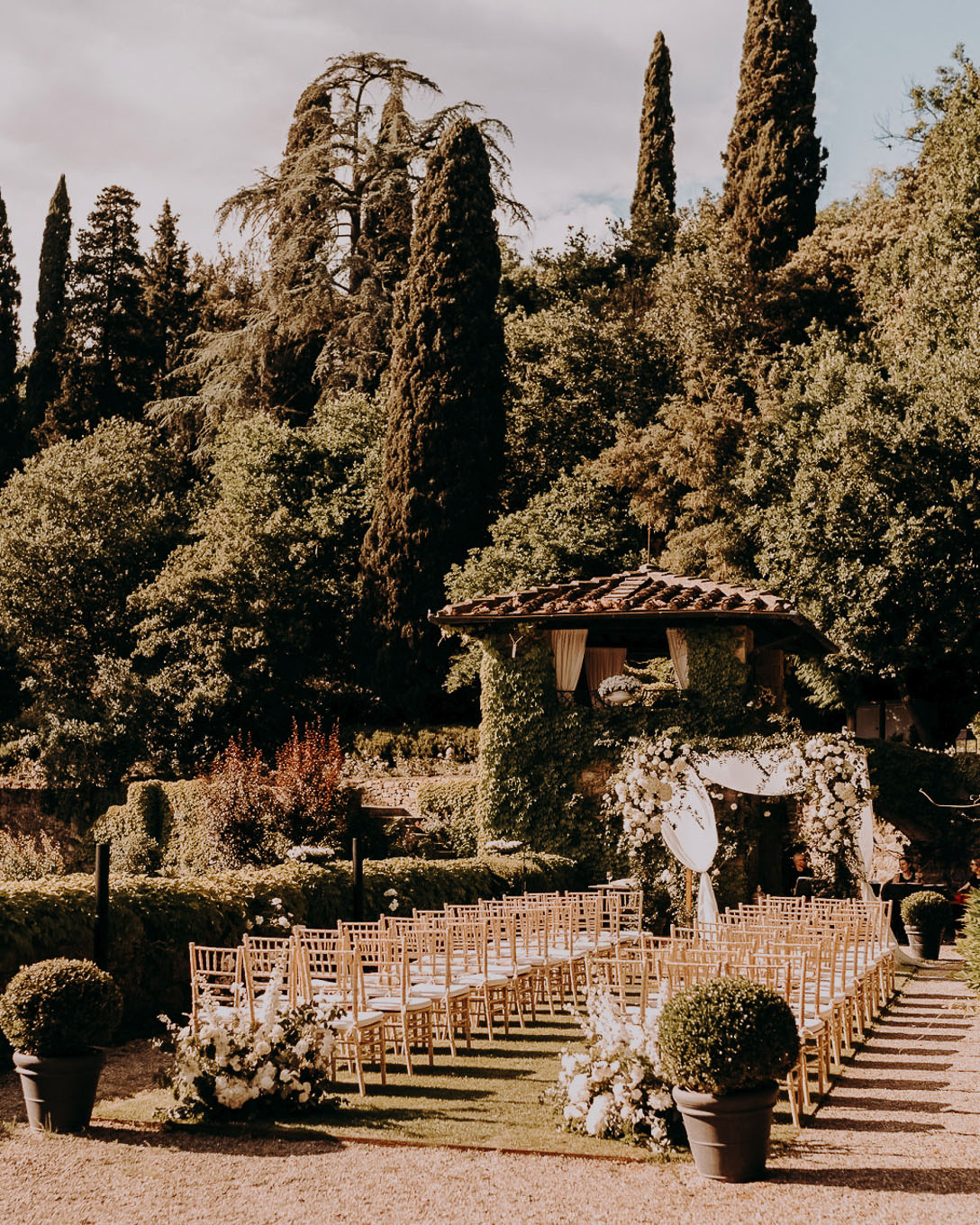
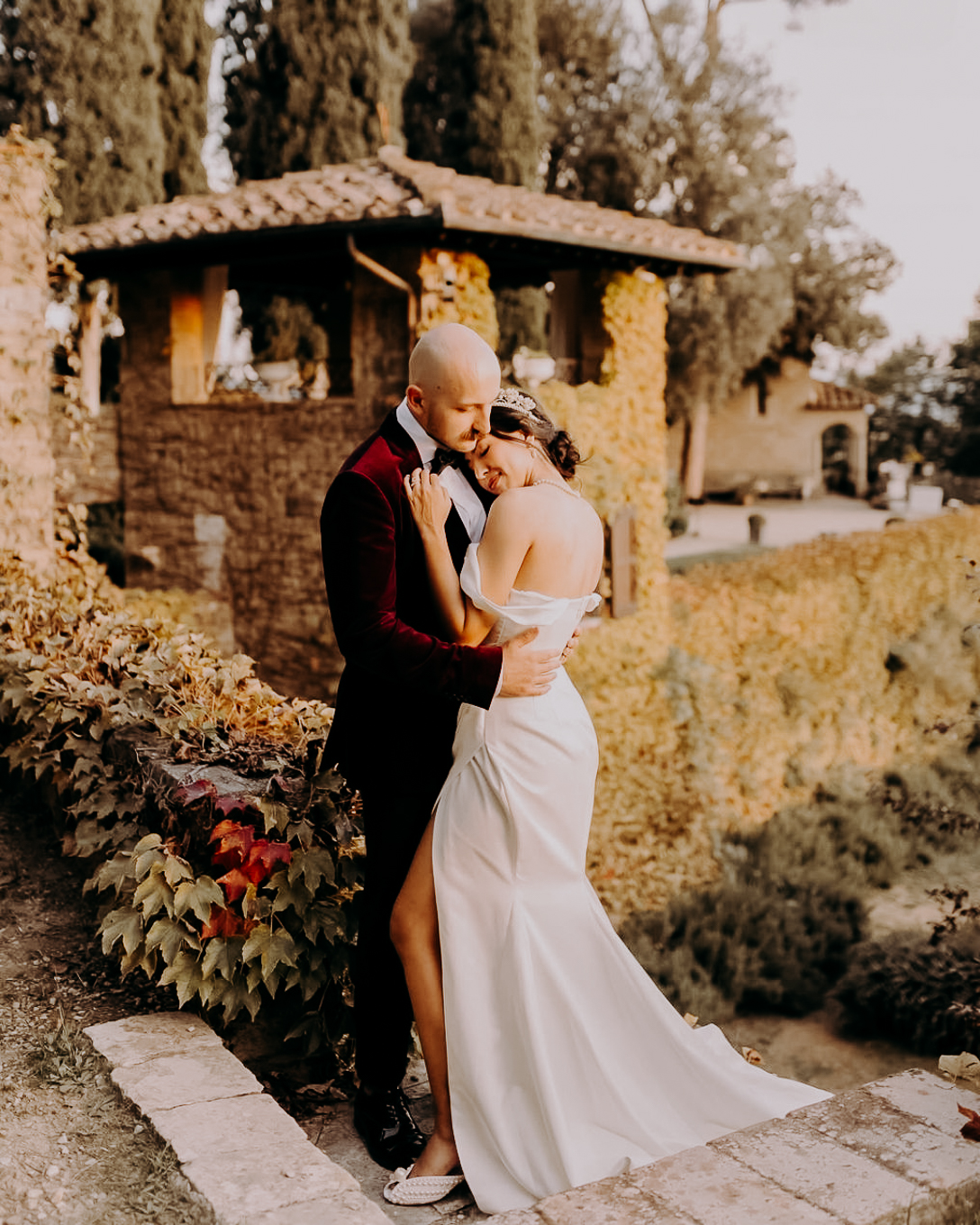
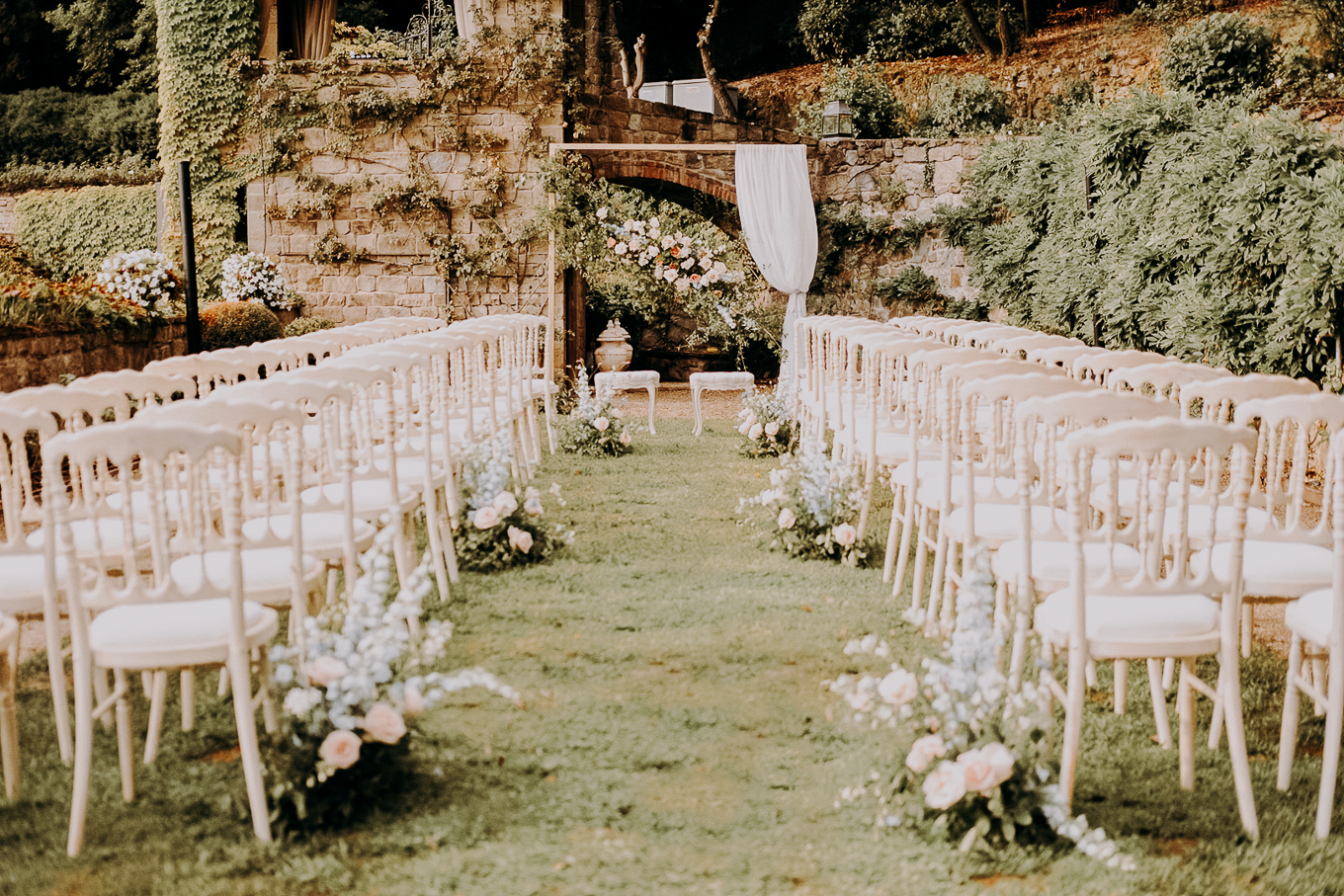
The garden of Villa Le Fontanelle was laid out in the 19th century in the Romantic style — the naturalistic, emotionally expressive garden tradition that reacted against the strict geometry of the Italian formal garden while retaining its sense of composed intention. It contains more than 30,000 plants of various types and unfolds across different registers as you move through it. The Parterre de Bouville and the Italian-style garden with its small lake occupy one level; the upper level holds an elegant collection of roses, hydrangeas, and peonies. And at the centre of the Italian garden, in the marble basin: the siren that commemorates the Platonic Academy. For a wedding where the garden serves as the ceremony space, the cocktail environment, or the portrait setting, the variety of botanical and spatial registers within a single estate gives the photography of the day a range that most venues cannot provide across a single property.
The Pool Designed by Pietro Porcinai
The pool at Villa Le Fontanelle was designed by Pietro Porcinai — one of the most significant Italian landscape architects of the twentieth century, whose work appears at some of Italy's most important private and institutional gardens. Porcinai's approach to landscape design was grounded in a deep knowledge of the natural environment and a refusal to impose artificial visual languages on the terrain: his pools, terraces, and planted spaces tend to emerge from the landscape rather than being placed within it, reading as natural features that have acquired a certain inevitability. The pool at Villa Le Fontanelle sits in the upper part of the estate with its solarium terrace, integrated into the garden in exactly this way. For a wedding where the pool area serves as the aperitivo space, the late-afternoon gathering point, or the early morning after-the-morning setting, Porcinai's design gives the water and its surroundings a quality of composed naturalness that a standard pool installation does not have.
The Spaces: Il Fortino, La Serra, and the Ristorante Citrarium
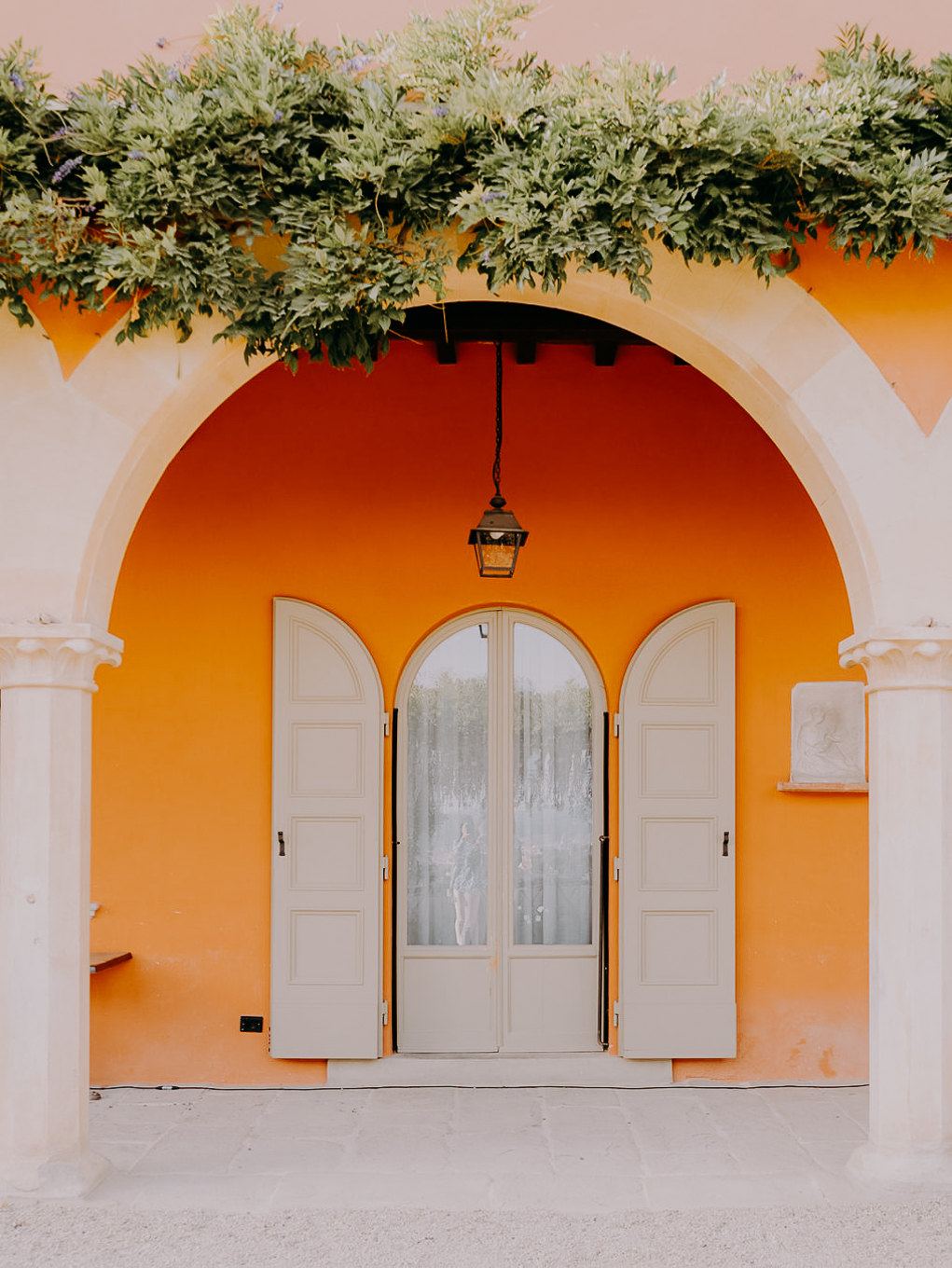
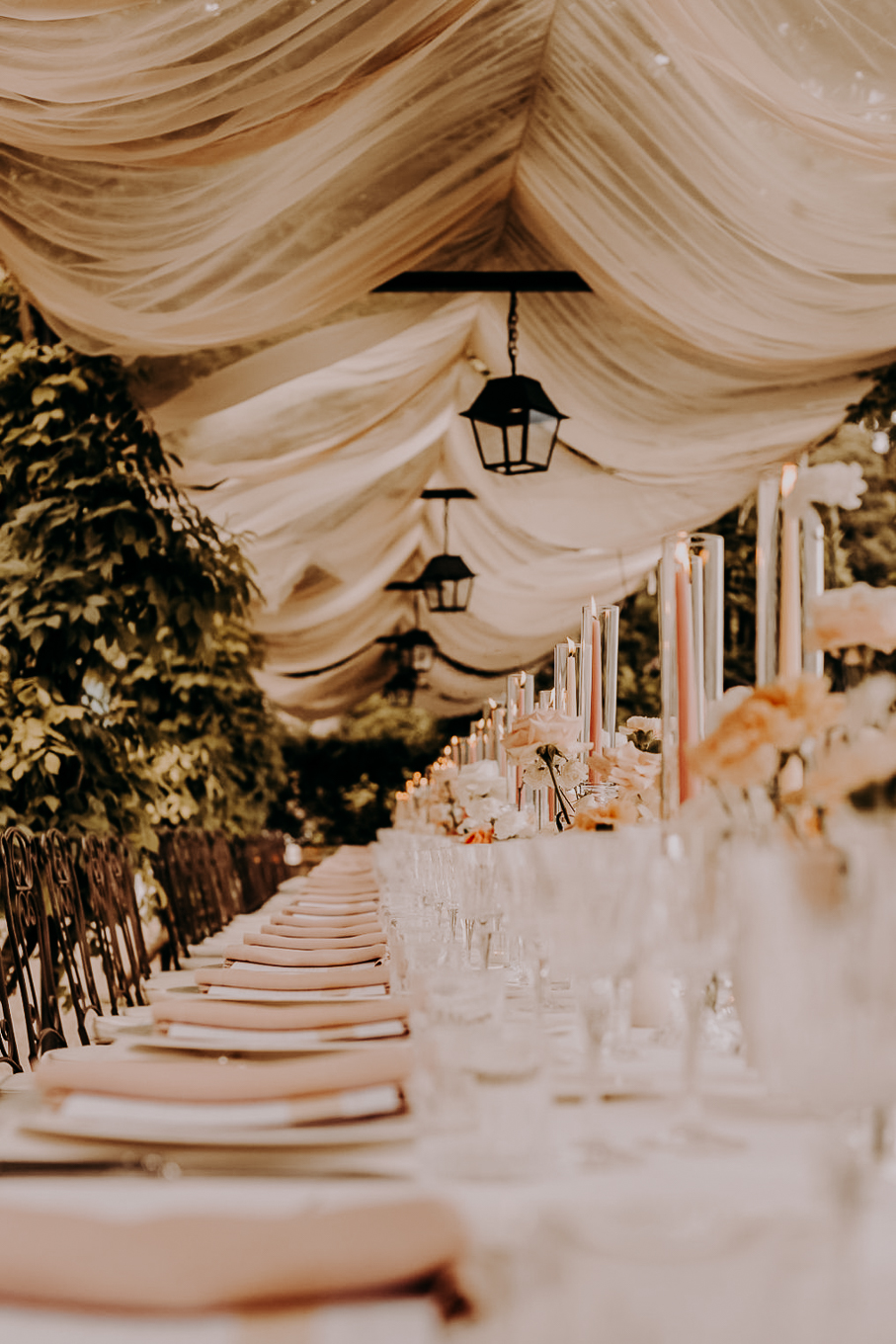
Beyond the chapel and the garden, Villa Le Fontanelle distributes the wedding experience across a range of spaces that each have a distinct architectural character. Il Fortino — positioned separately from the main historic residence, in a structurally distinct external building — is described by the estate as the most intimate and refined space of the whole property: a place apart, where time seems to have stopped. For moments of the wedding that require genuine seclusion — the first hours of the morning as a married couple, a private dinner for two after the guests have left, an intimate gathering before the ceremony — the Fortino's character of deliberate retreat makes it the most specifically private space on the estate.
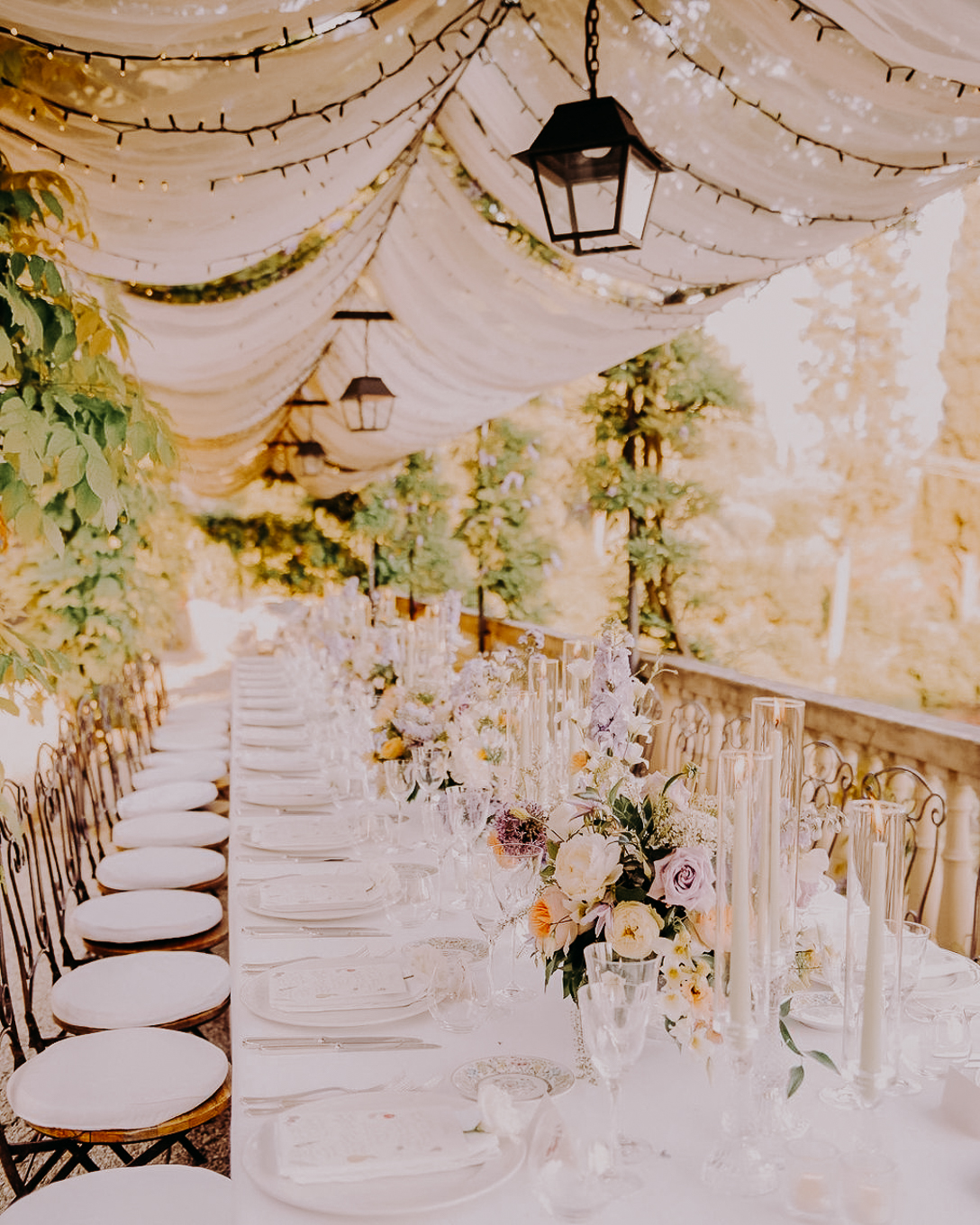
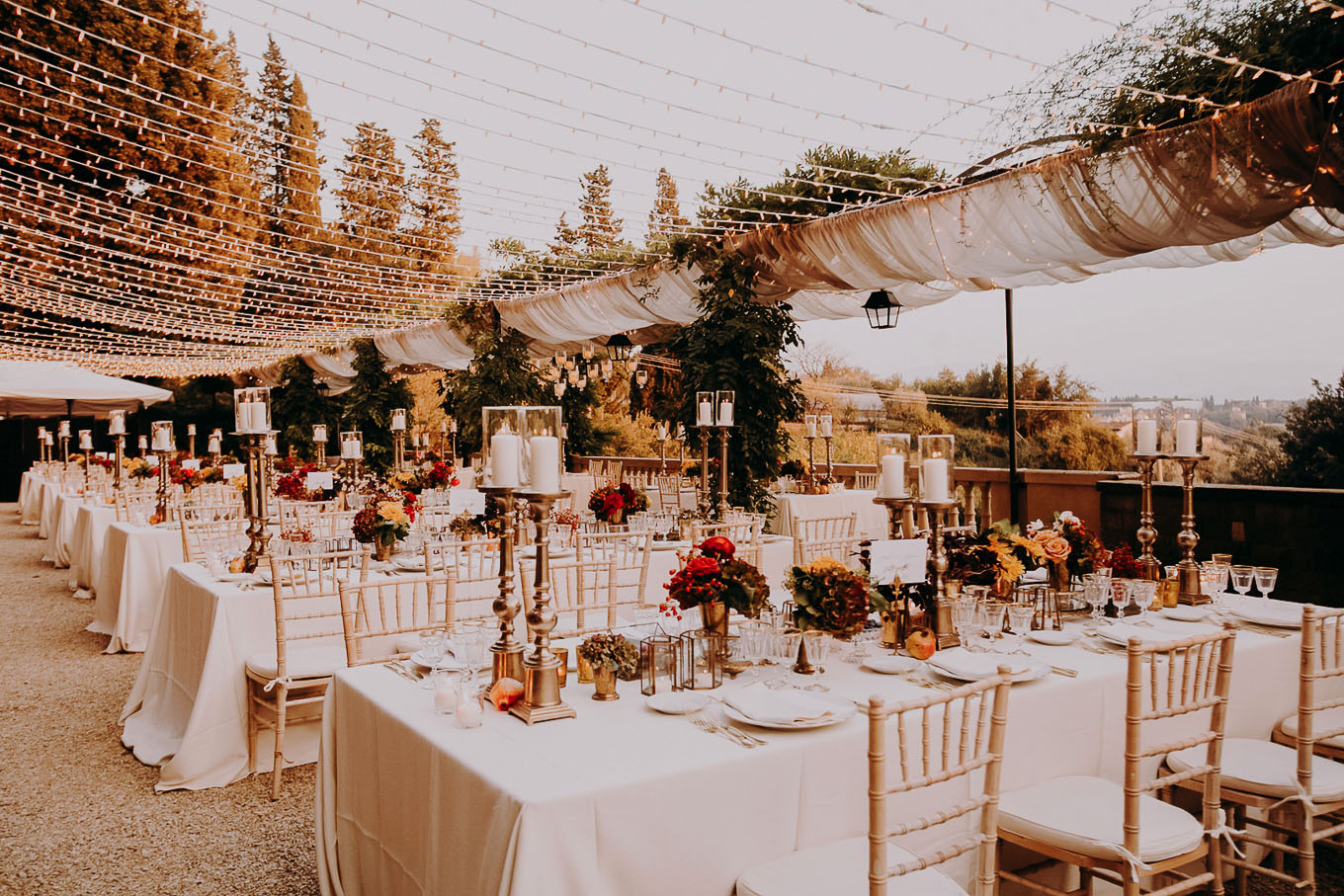
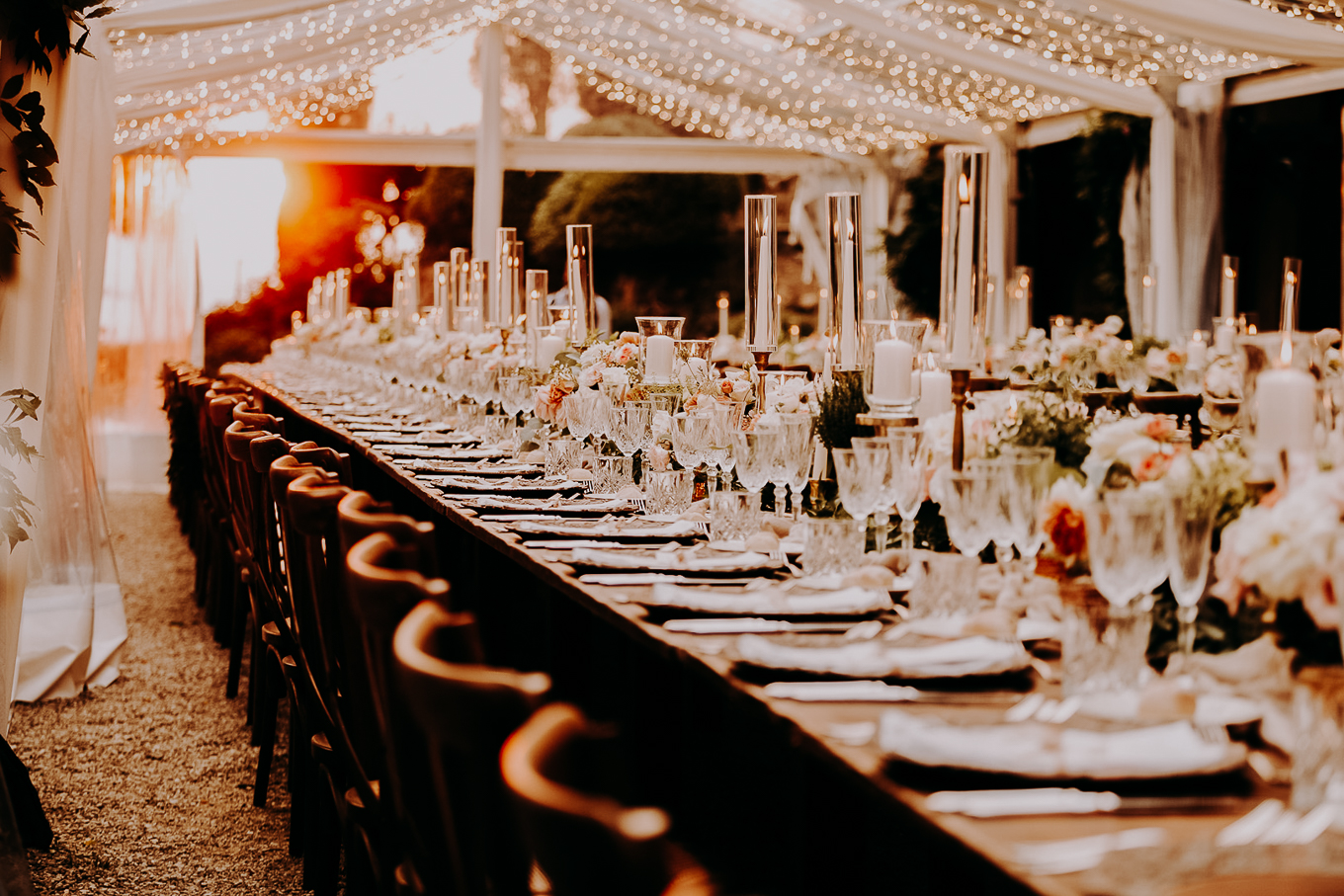
La Serra — a restored iron greenhouse, entirely rebuilt and maintained in its original architectural form — provides a light-filled indoor relaxation and gathering environment whose large glass surfaces flood the interior with natural light regardless of the hour. The Ristorante Citrarium, developed within the estate's greenhouses and named after the ancient lemon house that once stood in the same position, serves contemporary Tuscan cuisine to both hotel guests and external diners from its position overlooking Florence. For wedding receptions, the kitchen's combination of Florentine culinary tradition and contemporary reinterpretation provides the gastronomic dimension of a celebration whose every other element is already deeply specific to this place and this history.
Cosimo de' Medici gave this property to Ficino to translate Plato. What would Ficino have thought about it becoming a wedding venue?
Probably not much — he was busy translating the Symposium, Plato's dialogue on love. The siren in the garden still marks the Academy he founded here. The chapel's starry ceiling is still intact. The pool is still Pietro Porcinai's design. Some places carry their past lightly and their present beautifully. Photographing inside that combination is the particular privilege of working at Villa Le Fontanelle.
How Francesco worksGetting to Villa Le Fontanelle: Practical Information for International Couples
Villa Le Fontanelle is located at Via di Careggi 26, 50139 Florence — within the city boundaries of Florence, on the northern Florentine hills above the Careggi neighbourhood. The address places it on the same road as the Villa Medicea di Careggi, the Medici country house where Lorenzo de' Medici died in 1492 and where Cosimo de' Medici had his own rural retreat — a neighbourhood of Medici villas whose density gives this part of the Florentine hills a historical character of unusual concentration. Florence city centre is a short drive. Florence Airport is the most convenient international gateway. For guests who want to combine the wedding stay with days in Florence, the proximity of the villa to the city makes it the most urban of the Florentine hills venues in this guide — close enough that a morning in the Uffizi is a practical possibility, distant enough that the garden and the pool feel genuinely removed from the city below.
Villa Le Fontanelle: Questions From Couples Planning a Destination Wedding in Florence
How does the legal wedding process work for foreign couples getting married at Villa Le Fontanelle?
Villa Le Fontanelle offers symbolic rites and non-Catholic religious ceremonies within the estate's chapel and garden spaces. For legally binding civil ceremonies, the specific administrative arrangements in collaboration with the Comune di Firenze are best confirmed directly with the villa team. For foreign nationals, the documentation process must begin through the Italian consulate in your country of residence, typically several months before the wedding date, with requirements varying by nationality. A locally based wedding coordinator experienced with international couples is strongly recommended as additional support through the administrative process.
Who was Marsilio Ficino and why is the Platonic Academy significant for this estate?
Marsilio Ficino (1433–1499) was an Italian Renaissance philosopher and scholar, the personal physician and protégé of Cosimo de' Medici, and the most significant translator of Plato's works into Latin in the entire history of Western philosophy. His translation of the complete Platonic corpus, carried out at this property and at the Villa Medicea di Careggi nearby, made Greek Neoplatonist philosophy accessible to the European Renaissance and shaped the intellectual culture of the Quattrocento and beyond. The Platonic Academy he founded here — an informal gathering of Humanist intellectuals including Lorenzo de' Medici, Pico della Mirandola, and Poliziano — was not a formal institution but a circle of philosophical conversation whose influence on Renaissance thought was enormous. The siren in the marble basin of the Italian garden commemorates this foundation and is still present today.
Who was Pietro Porcinai and why does it matter that he designed the pool?
Pietro Porcinai (1910–1986) was one of the most important Italian landscape architects of the twentieth century, known for his naturalistic design philosophy and his ability to integrate built elements — pools, terraces, planted spaces — into their landscape context without imposing artificial visual languages. His work appears at major Italian private and institutional gardens, and the pool he designed at Villa Le Fontanelle reflects his characteristic conviction that a designed landscape element should read as a natural inevitability rather than as an installation. For a property with the intellectual pedigree of Villa Le Fontanelle, having a pool designed by one of Italy's most significant landscape architects of the modern period adds a further layer of cultural specificity to the estate.
What makes the chapel at Villa Le Fontanelle unusual as a ceremony space?
The chapel is a private sacred space within the garden, with an interior decorated throughout in mosaics and a ceiling painted as a starry sky above the marble altar — a celestial iconography that gives the space a concentrated atmosphere of spirituality and artistic intention. The windows are blown glass, filtering external light and framing views of the countryside outside. The original bell tower beside the chapel still holds its original bell. This combination of mosaic decoration, painted ceiling, and blown glass windows makes it one of the most visually distinctive ceremony spaces available in this part of Florence — and one of the most specifically designed for the ceremony moment rather than as a general-purpose hall adapted for weddings.
Is the estate within the city of Florence or in the surrounding countryside?
Via di Careggi 26 is within the municipality of Florence — the estate is on the northern Florentine hills within the city's administrative boundaries, in the neighbourhood that also contains the Villa Medicea di Careggi and other Medici properties on the same hill. It feels geographically like a country estate surrounded by gardens and the Tuscan landscape, but it is technically within Florence — which gives it the practical urban proximity of the city combined with the garden enclosure and the views of the countryside that the Florentine hills provide at this elevation.