D'Annunzio Danced Here Until Dawn: The Villa in the Mugello That Was a Salon for Toscanini, Marconi, and the Mendelssohn Family
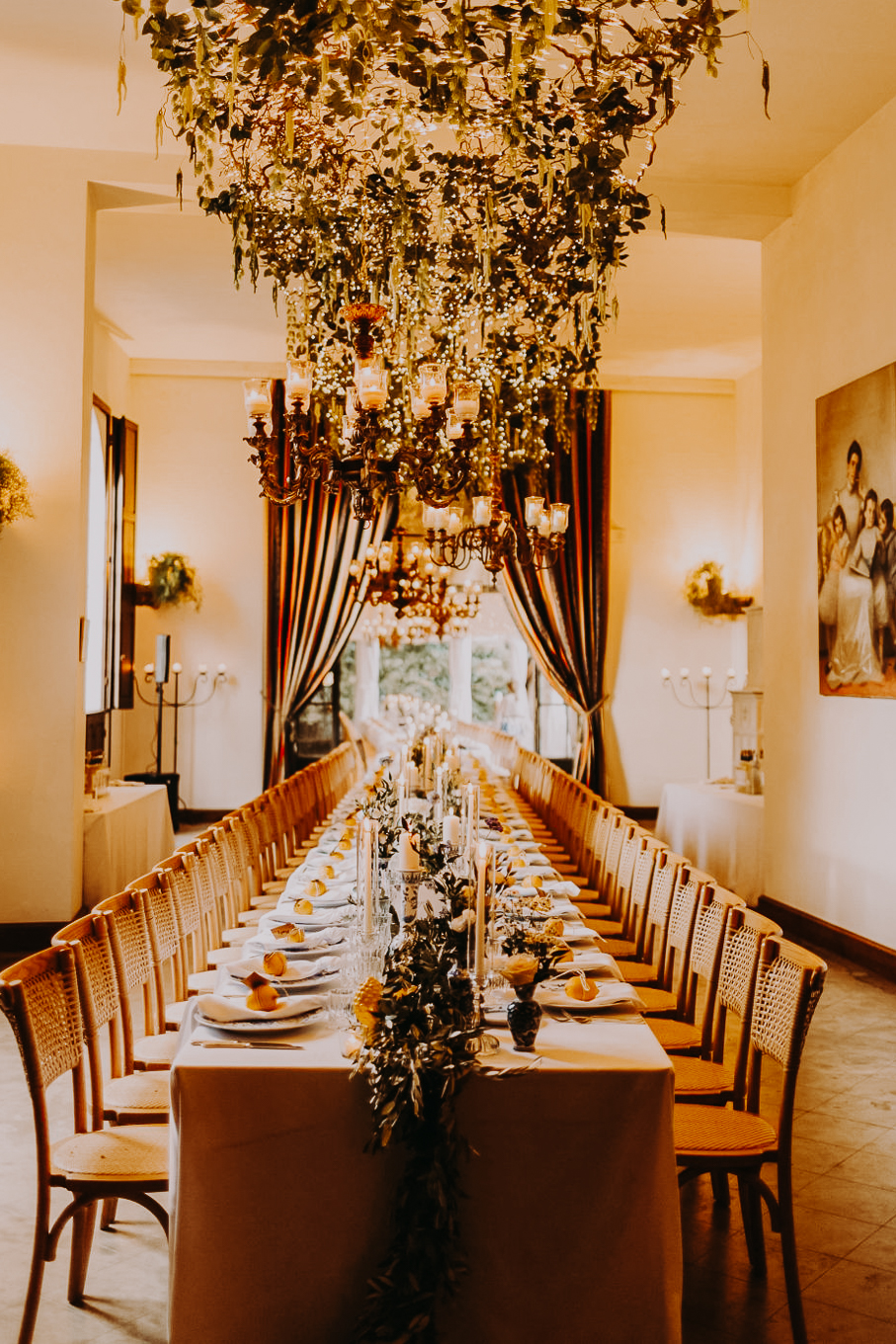
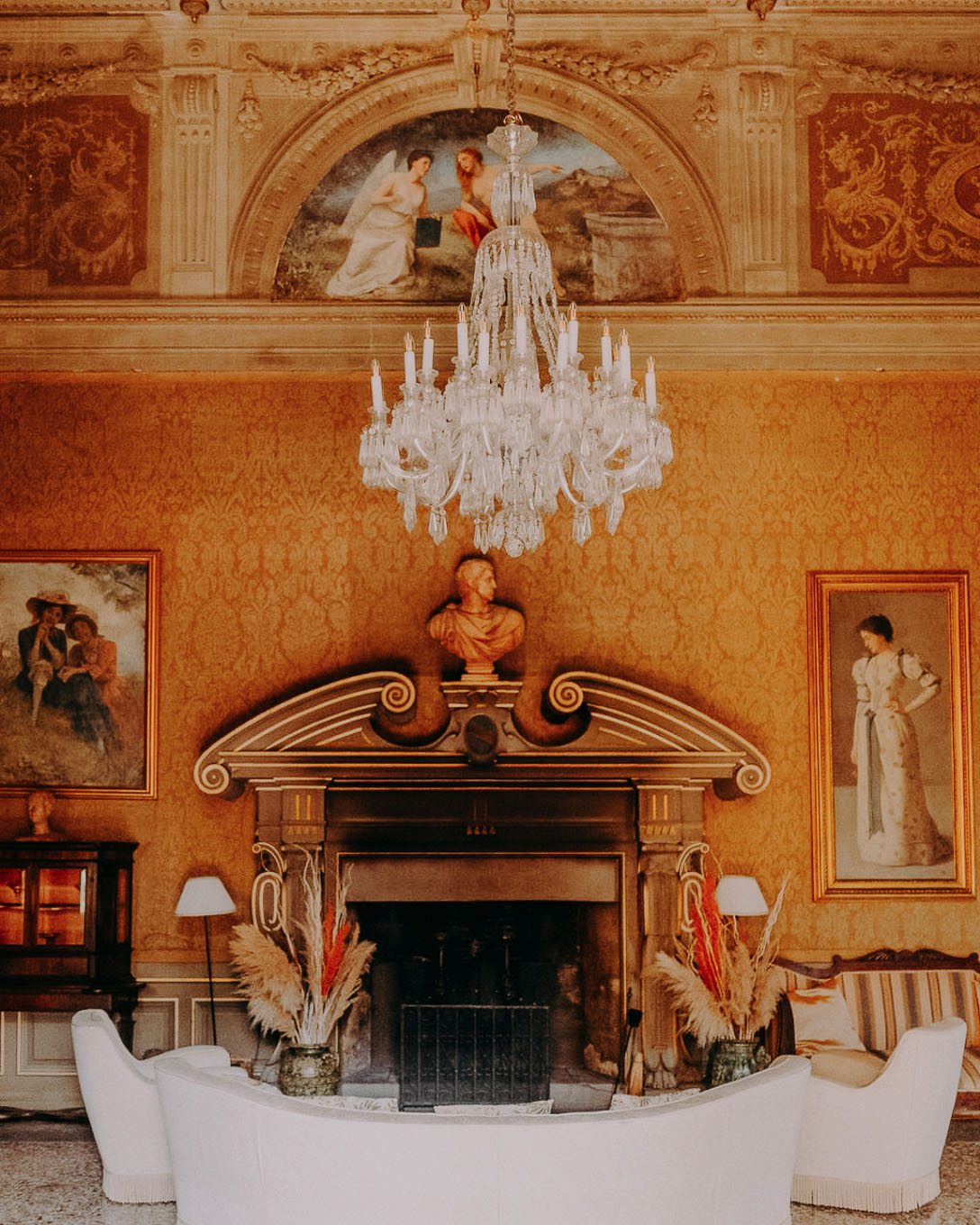
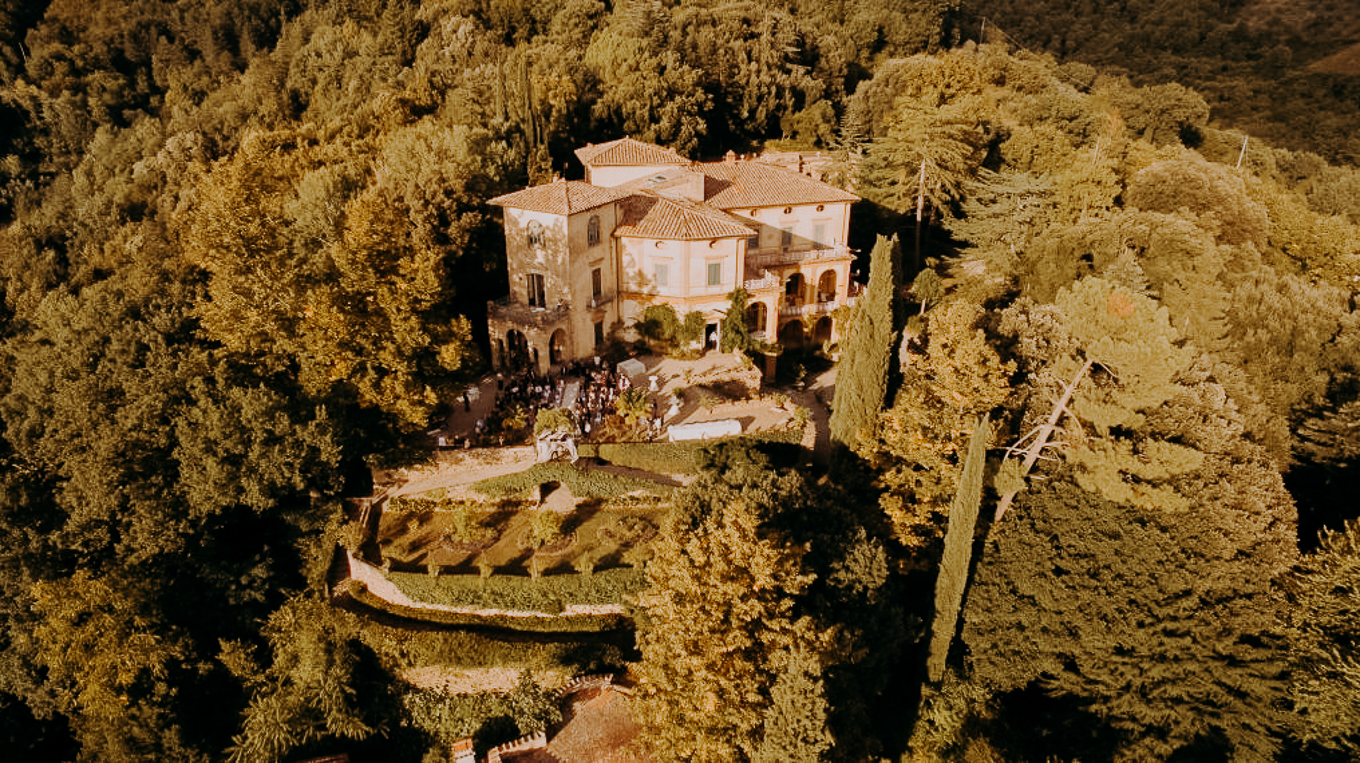
The scene is documented. One summer evening at Villa di Striano, after the other guests had gone home and Giulietta Gordigiani and Gabriele D'Annunzio were left alone, the orchestra — still assembled, still waiting — was asked by the butler to continue playing softly until the sun came up, so that the great poet's sleep would be sweetened by music. Before that, D'Annunzio and Giulietta had danced alone in the concert salon at three in the morning, in the moonlight that poured through the wide windows, while the musicians eventually ceased playing because they could see no one dancing any more and assumed the evening was over. It was not over. The account survives in the recollections of one of Giulietta's ladies-in-waiting. It is specific, dated, and witnessed. And the room where it happened — the concert salon of Villa di Striano, in the Mugello above Borgo San Lorenzo in the province of Florence — is still there, still furnished with its original furnishings, its walls still hung with paintings that the estate itself describes as worthy of a museum. For international couples planning a destination wedding in Tuscany who want a venue whose history is not architectural but genuinely biographical — a place where the most celebrated artists, musicians, and writers of an era spent their summers and left their traces — Villa di Striano is the most specifically and most richly storied venue in this guide.
I photograph weddings across the province of Florence and the Mugello, and the landscape of the Mugello — the broad valley north of Florence ringed by the Apennines, with Lake Bilancino reflecting the sky in its centre and the hill towns of the valley surrounding it — is genuinely different from the Chianti countryside to the south. The light here is higher, cooler, the hills are forested rather than vine-rowed, and the quality of stillness in the park of Villa di Striano on a summer evening is the specific stillness of a place that has been hosting music and conversation for a century and a half.
Roman Garrison, Medieval Fortress, Painter's Villa: Seven Centuries of History
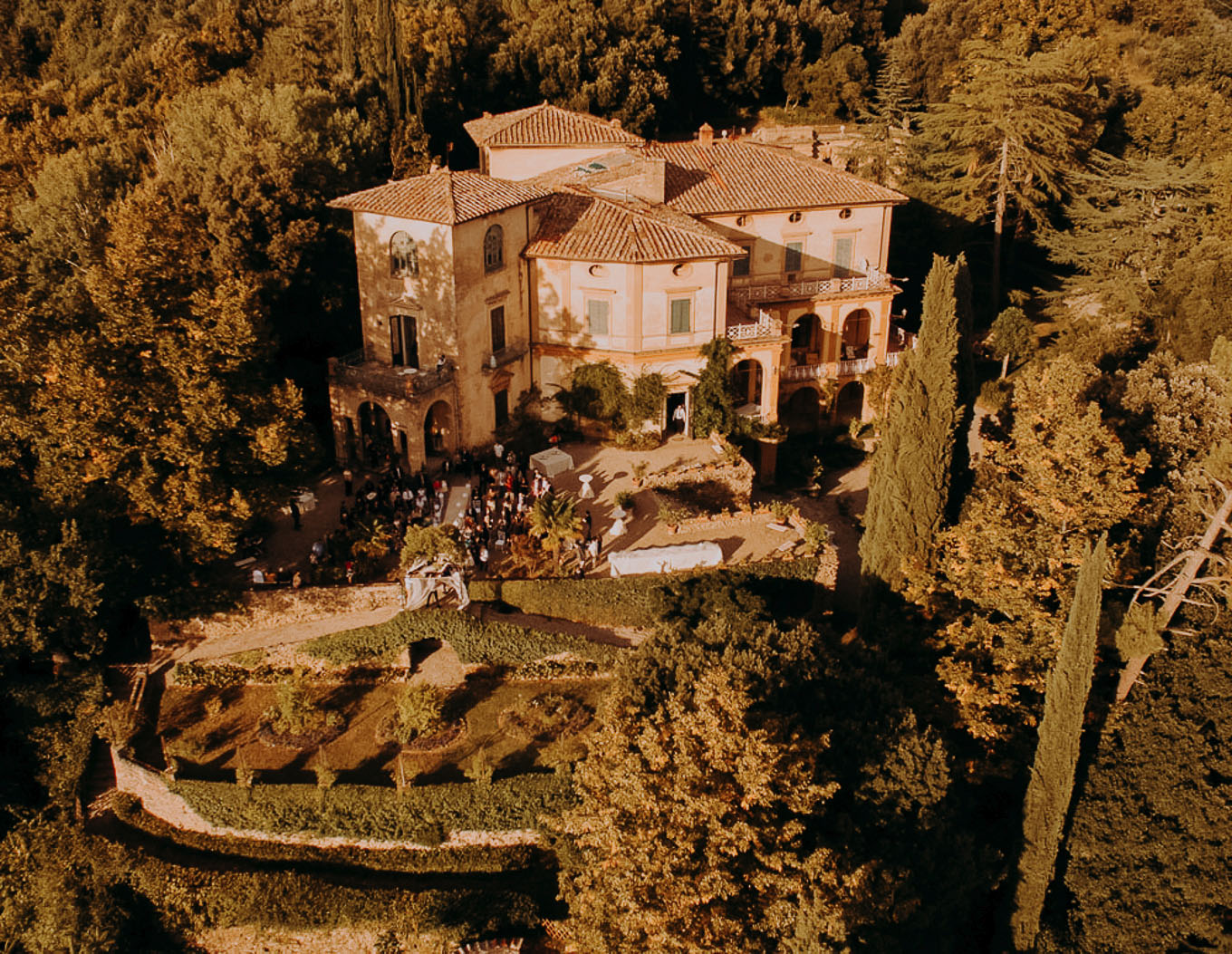
The history of the estate begins in Roman times — the site is recorded as a Roman garrison called Histrianum — and its medieval phase is documented from 1257, when the property of Striano appears in the records of the Ubaldini family, one of the great Mugello noble clans. A reform document of 1290 cites it explicitly as two fortified towers in the possession of the same family. By the late seventeenth century it had passed to the Cocchi family, represented at that time by Antonio Cocchi — physician, man of letters, naturalist, member of the Accademia della Crusca, and co-founder of the Botanical Society of Florence alongside the botanist Pier Antonio Micheli. Cocchi was one of the first scholars to apply Galilean scientific methods to medicine and biology: a figure whose intellectual profile in eighteenth-century Florence places Villa di Striano within a tradition of scientific and humanistic culture that runs parallel to the more famous artistic lineages of the Florentine villas.
On December 22, 1875, the villa was purchased by Michele Gordigiani — the Florentine painter known, for the quality and the breadth of his royal commissions, as the painter of great queens. With his arrival, the cultural biography of Villa di Striano entered its most extraordinary phase.
Michele Gordigiani, Luigi Del Moro, and Galileo Chini
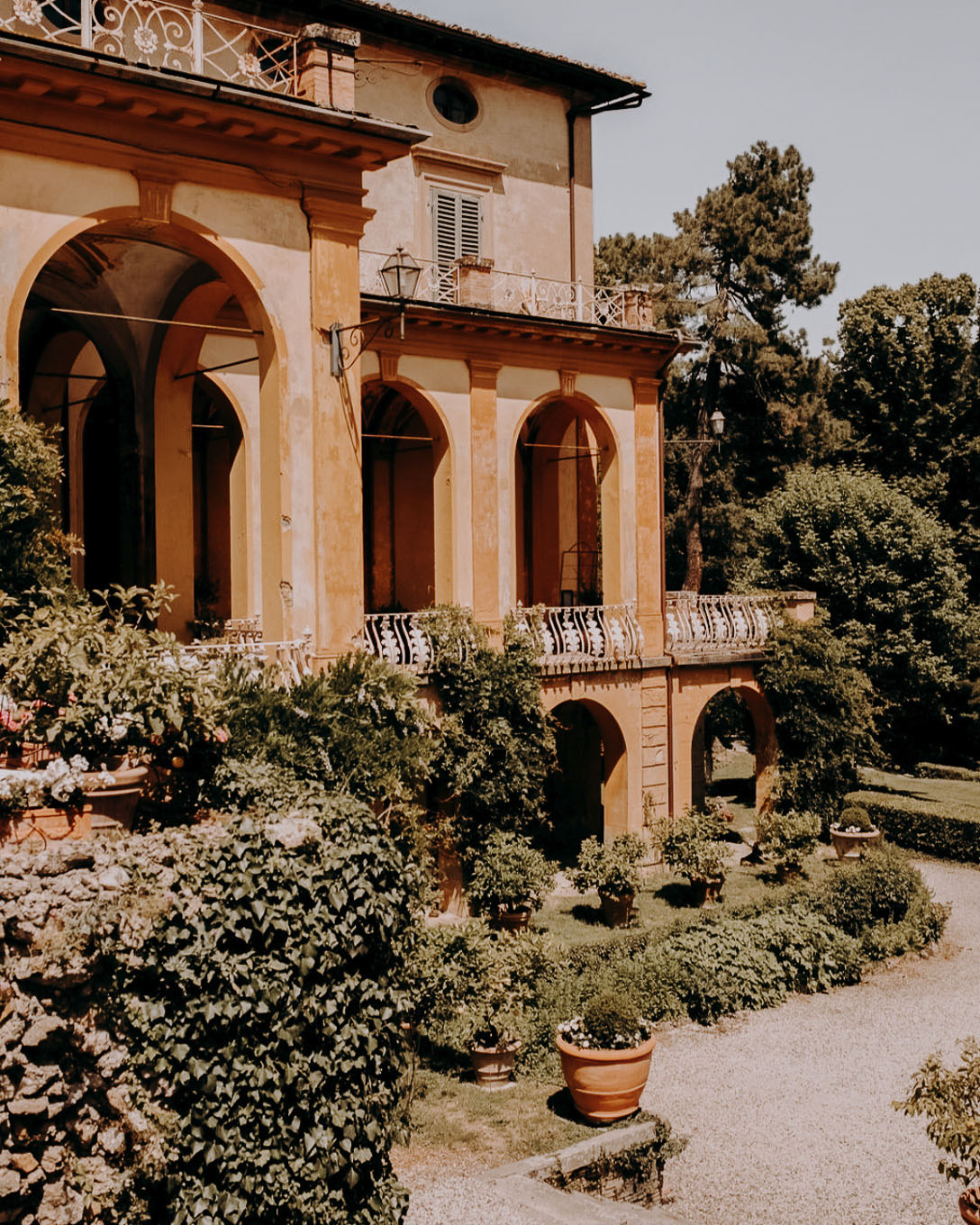
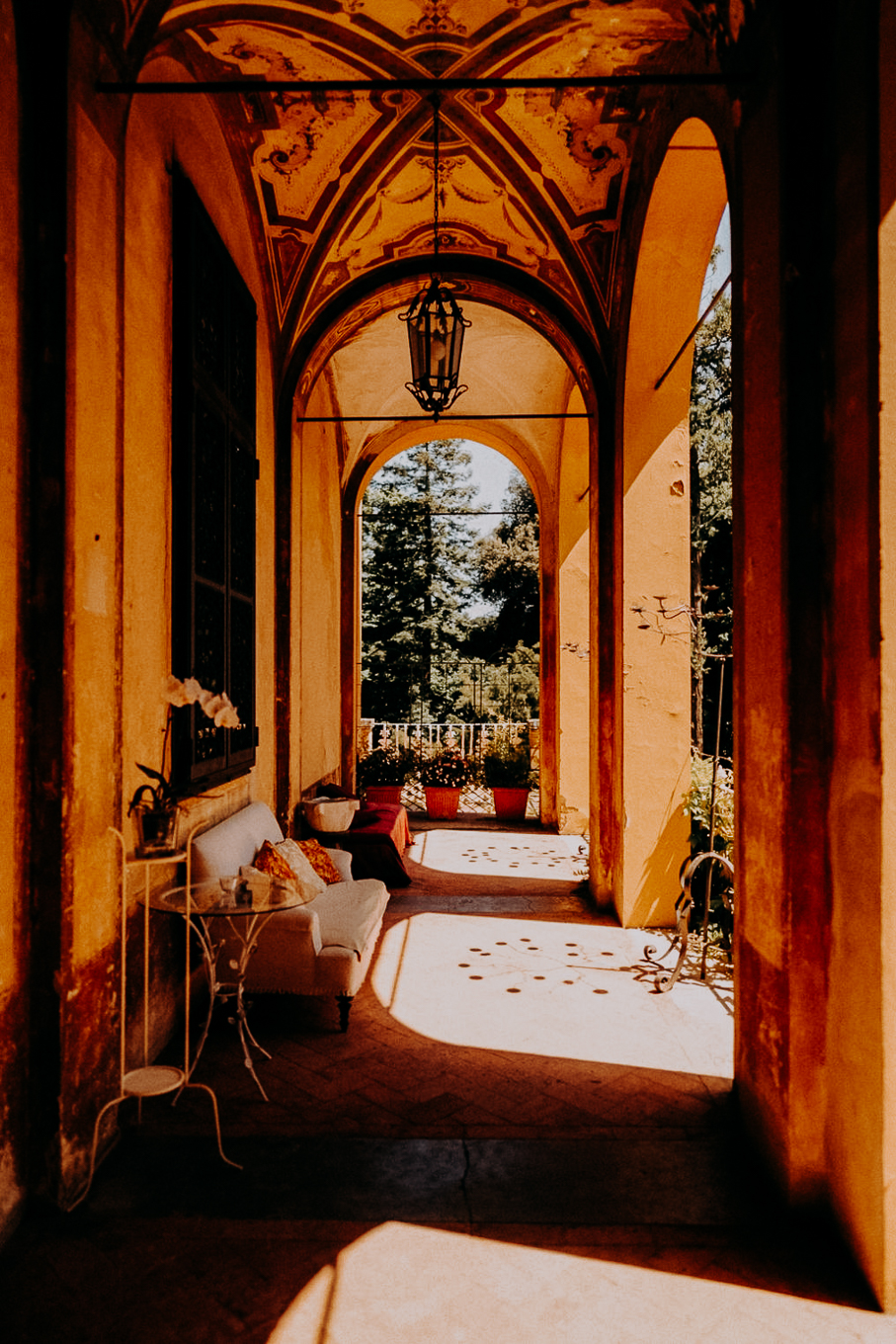
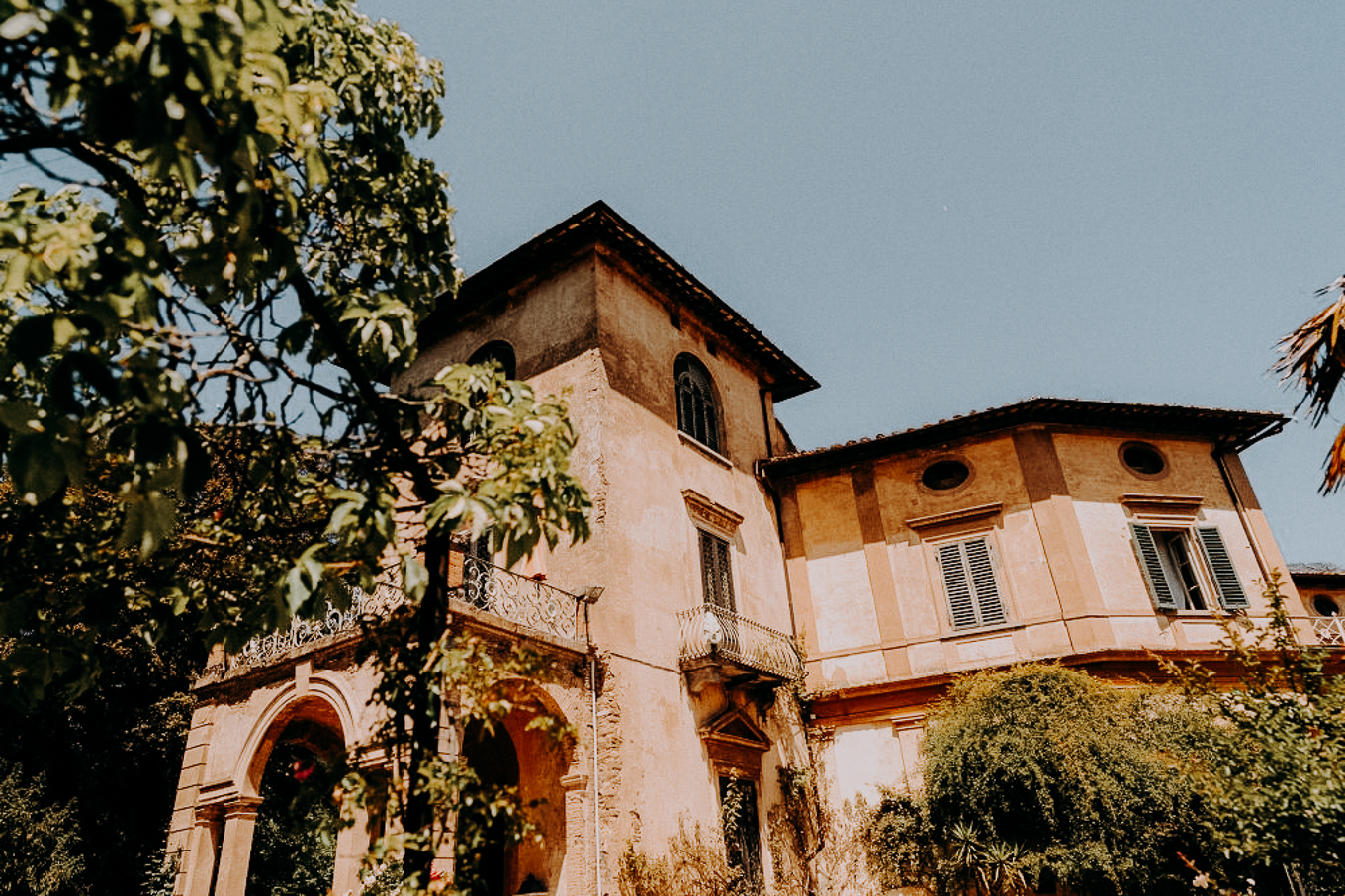
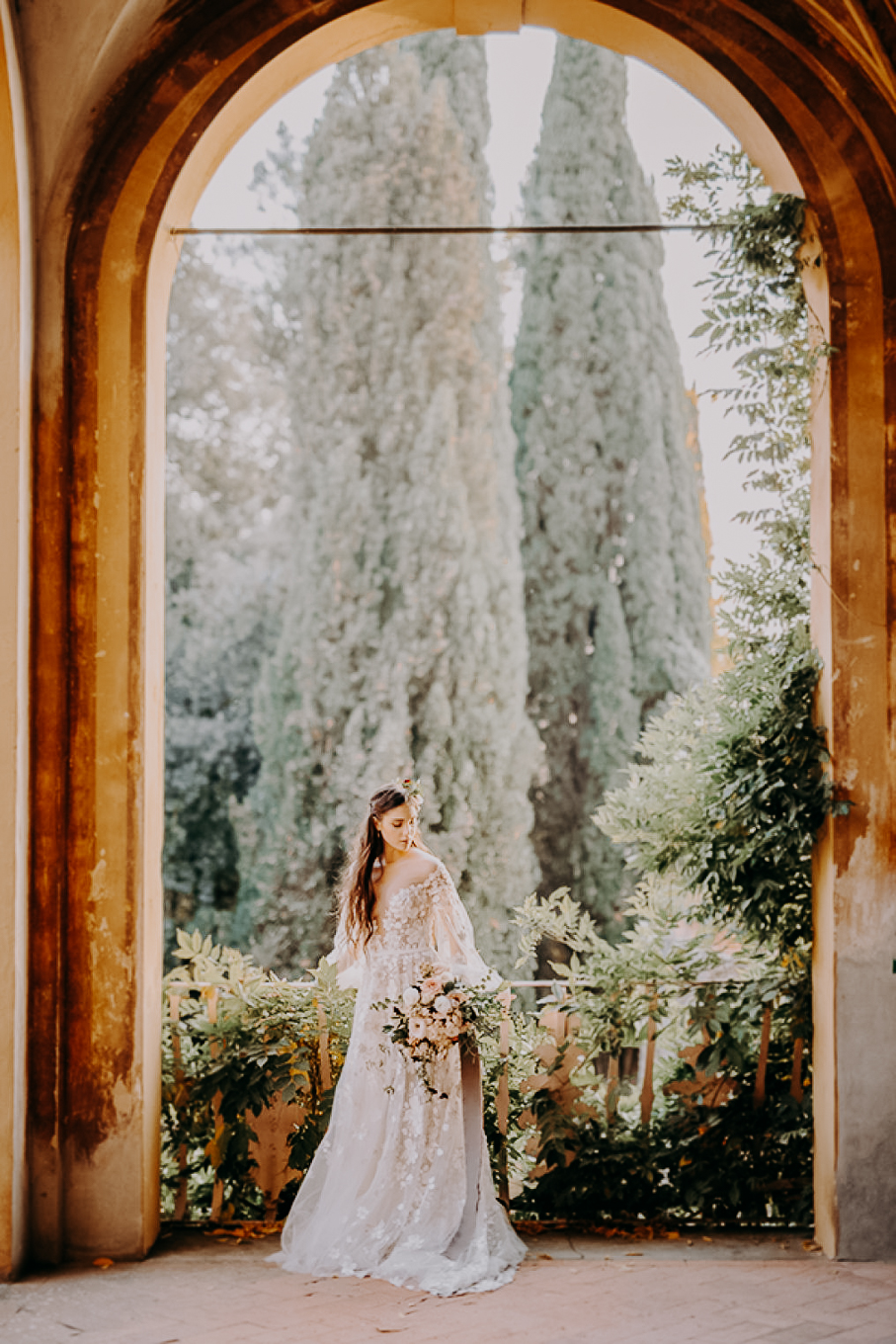
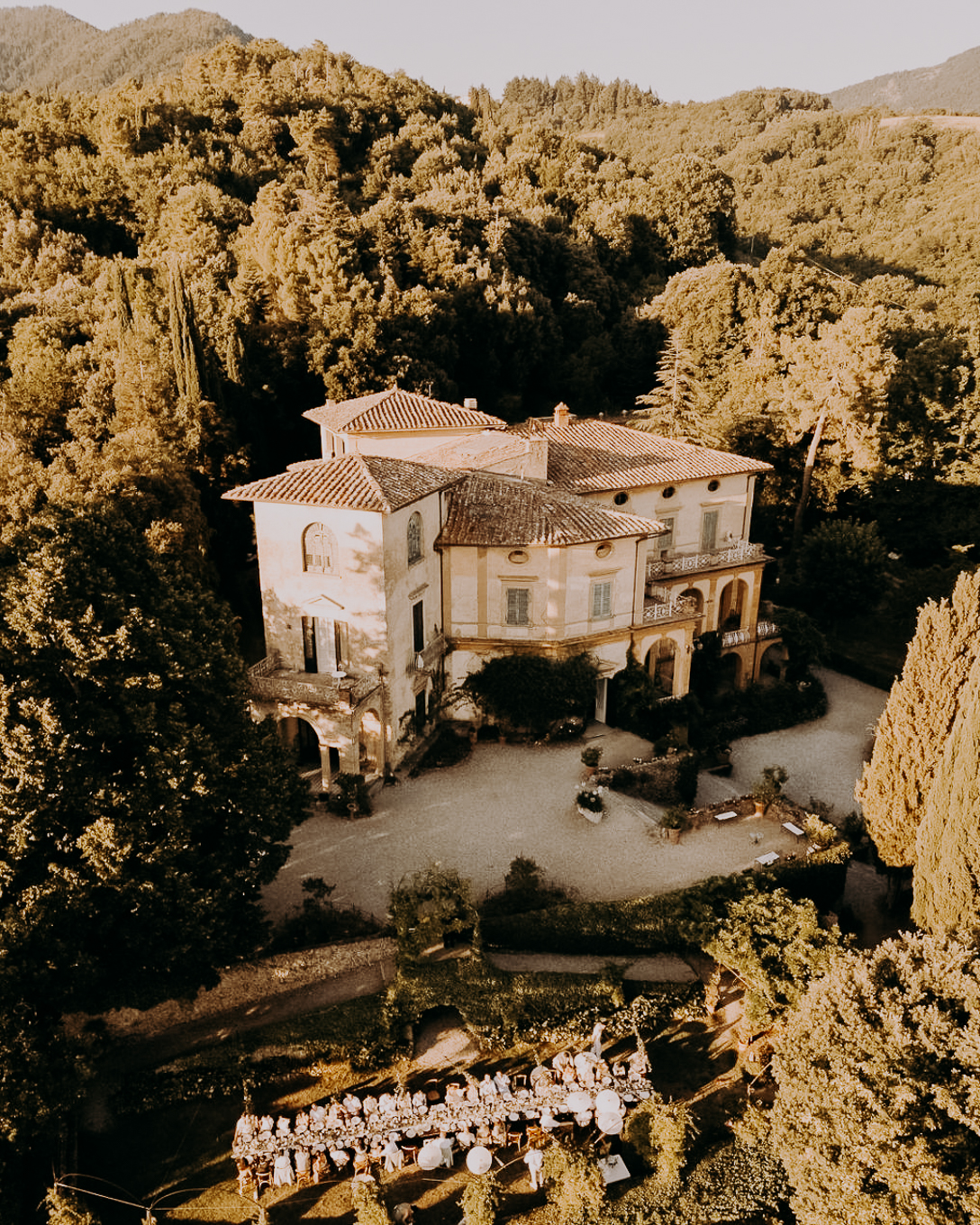
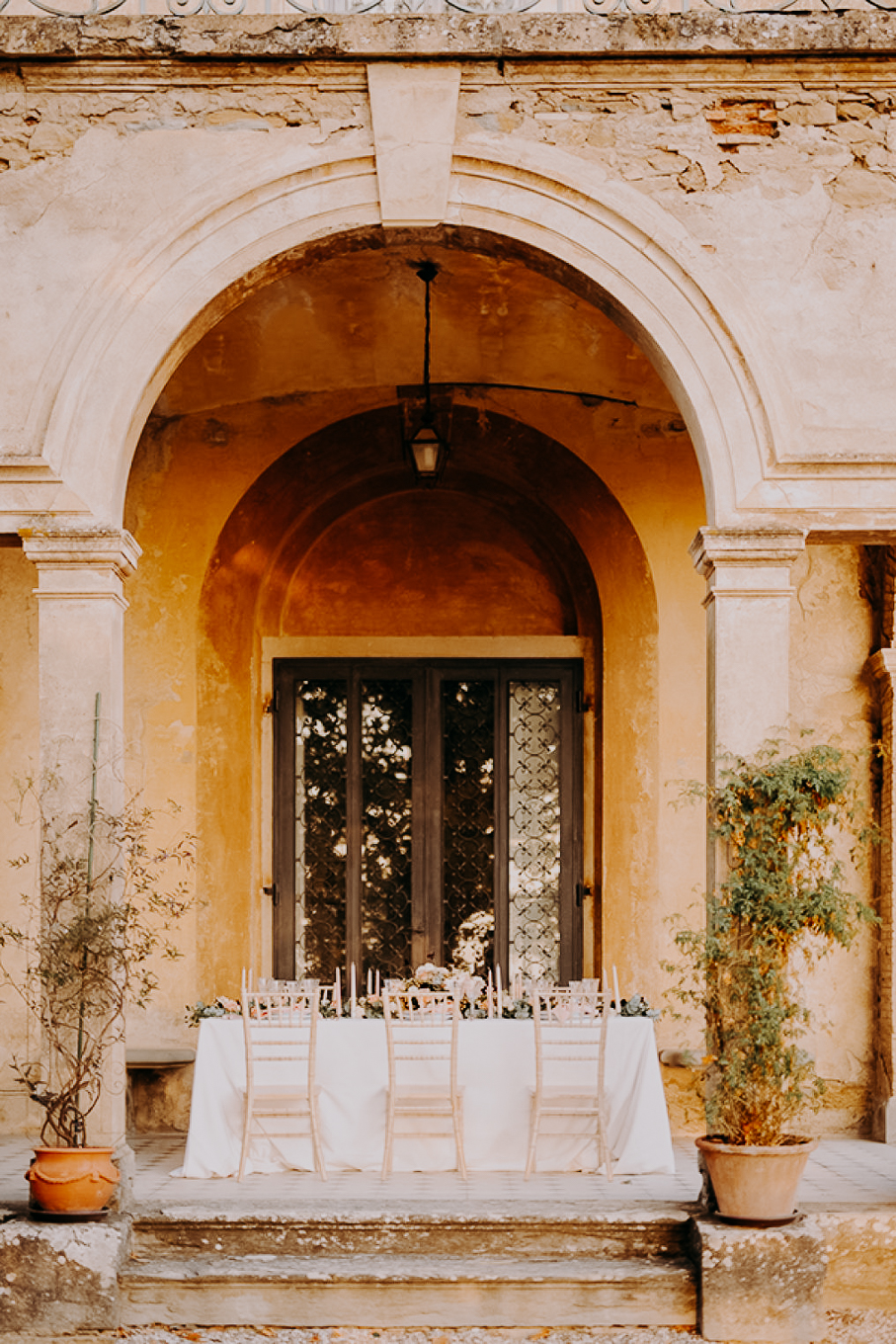
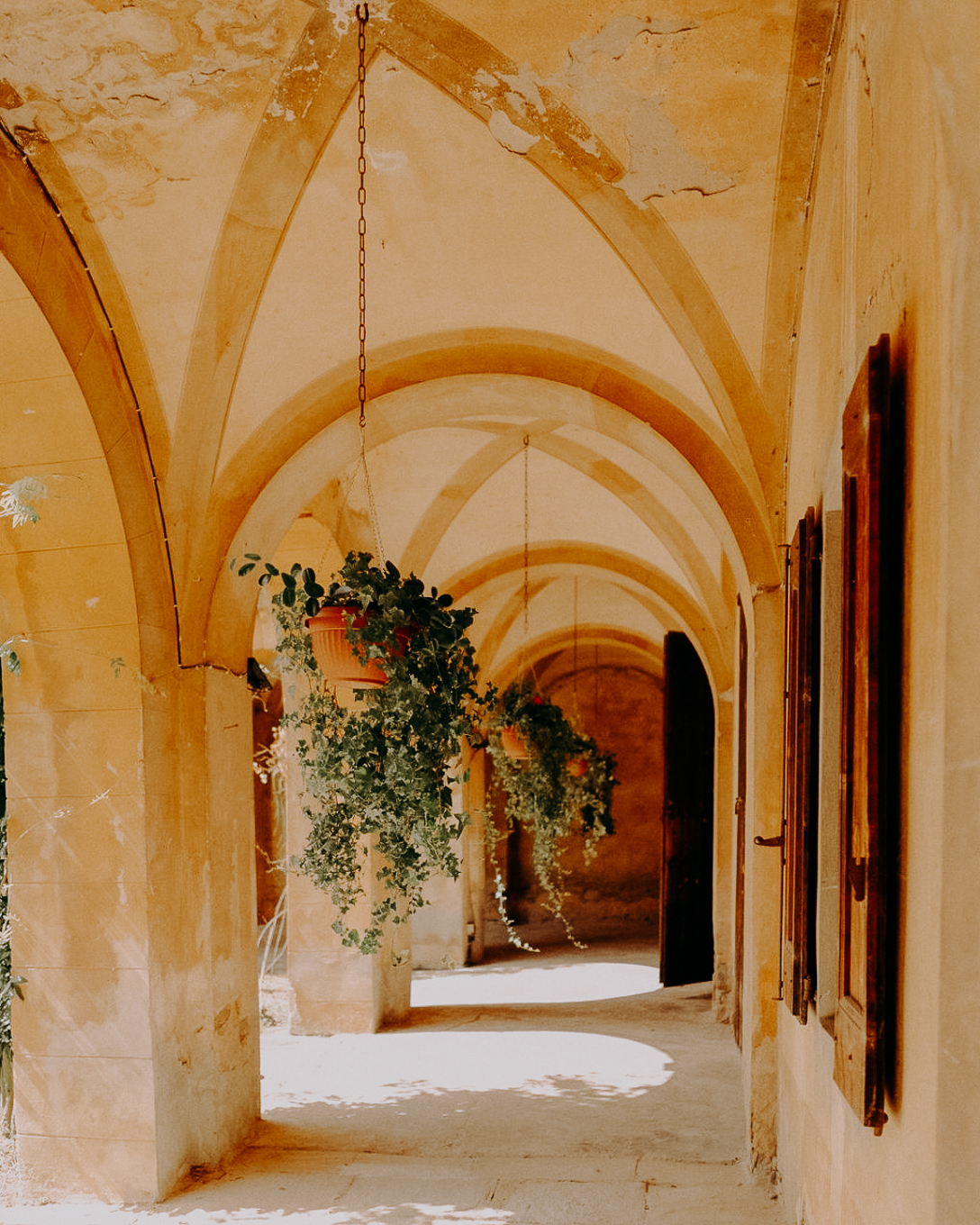
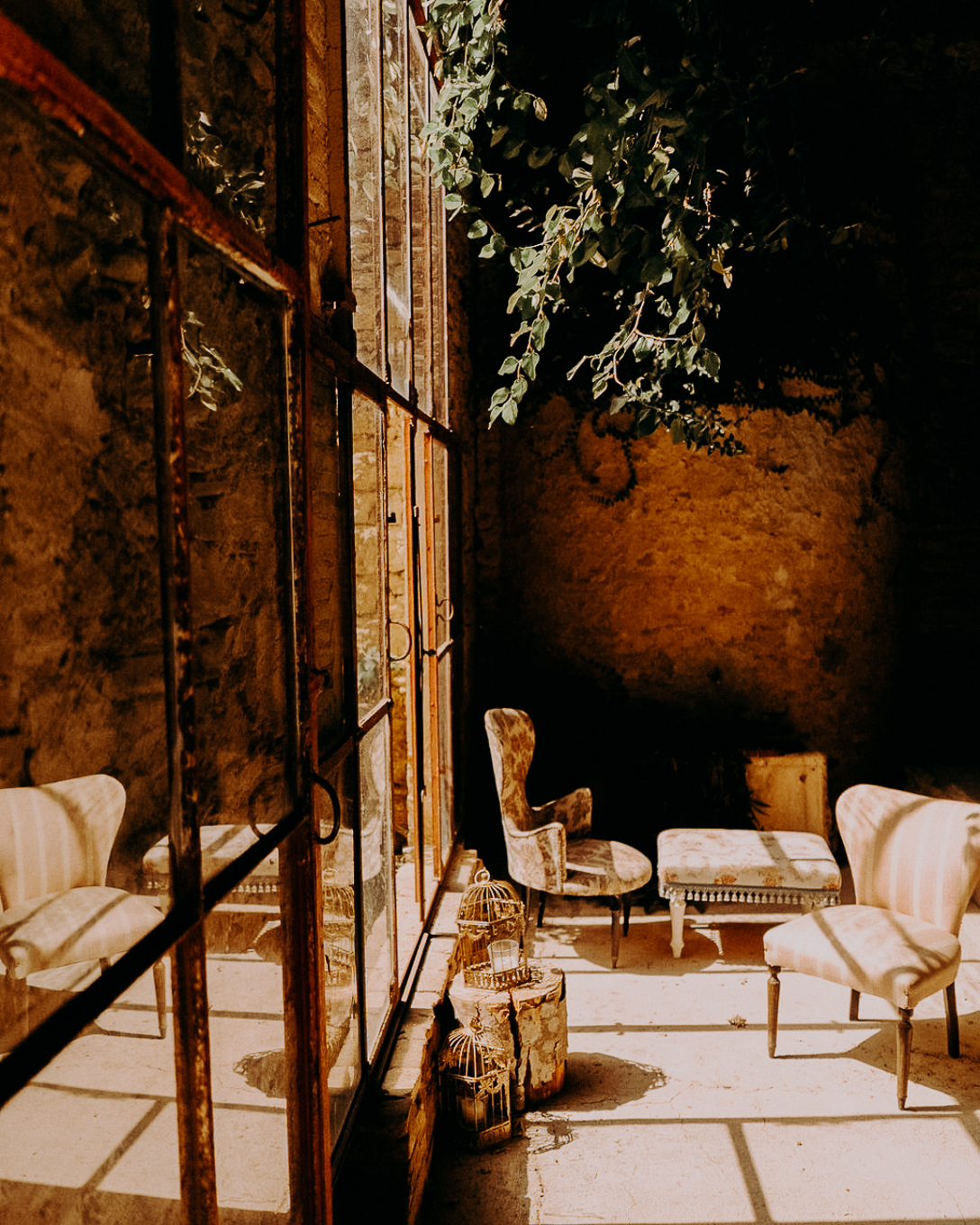
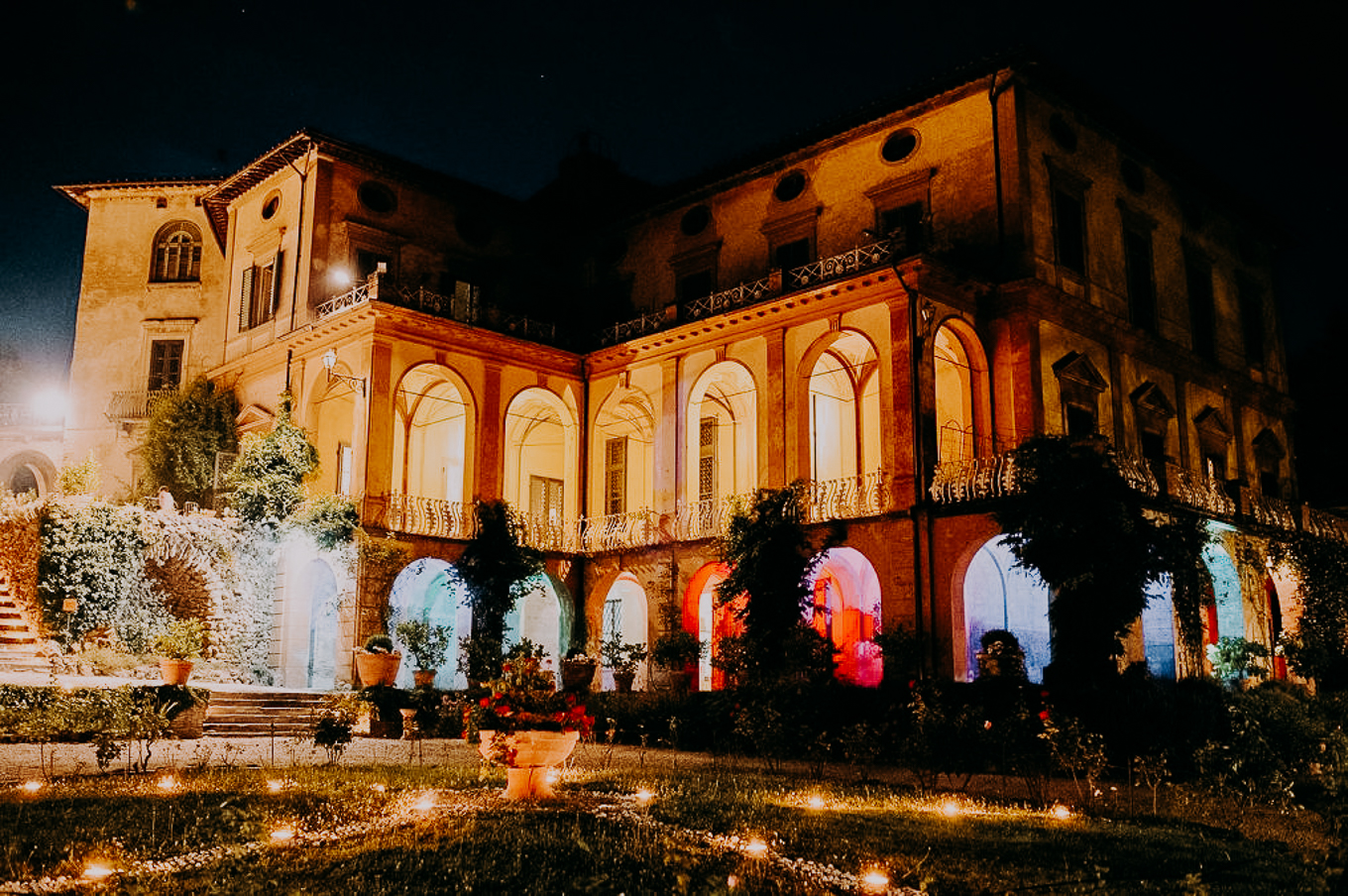
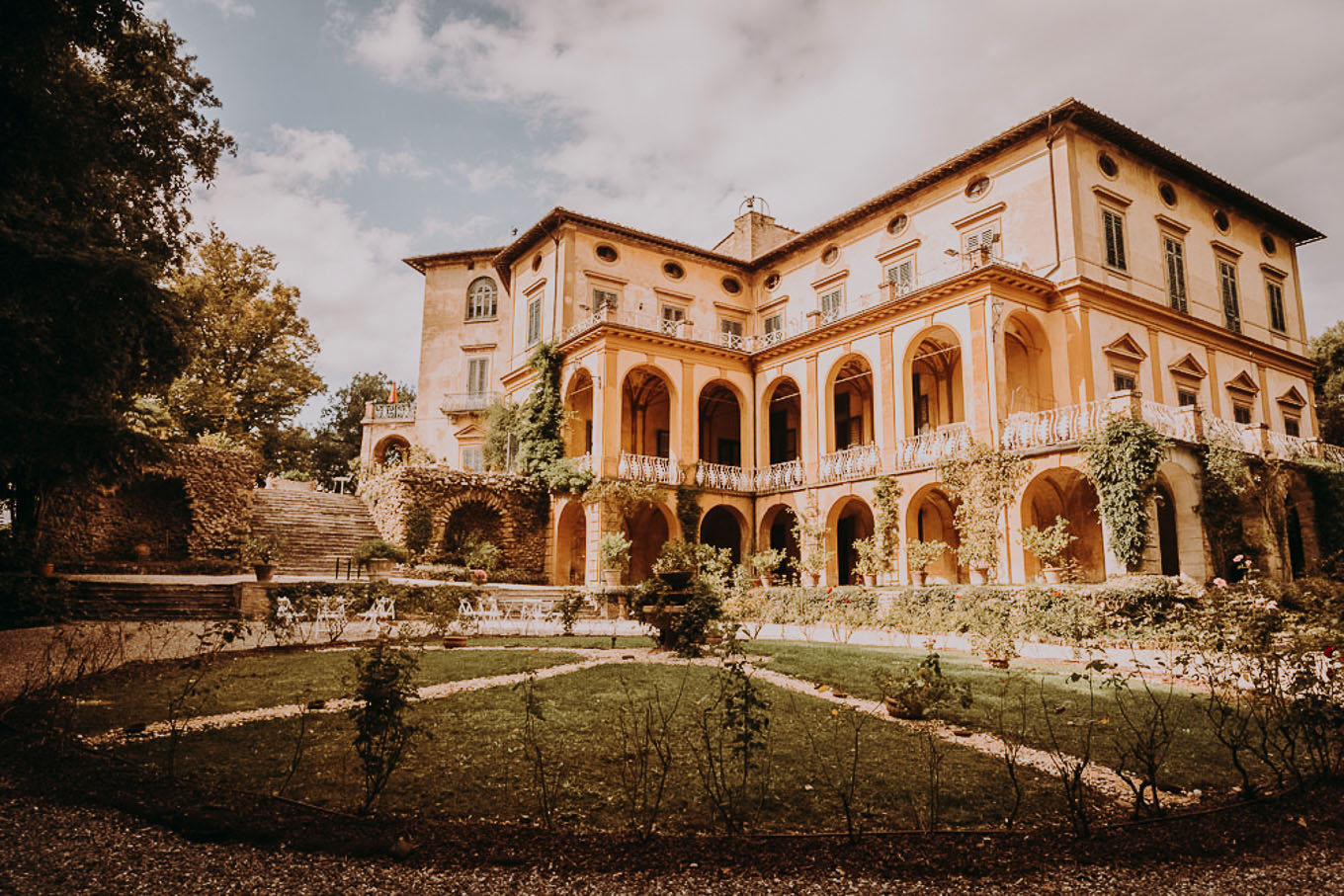
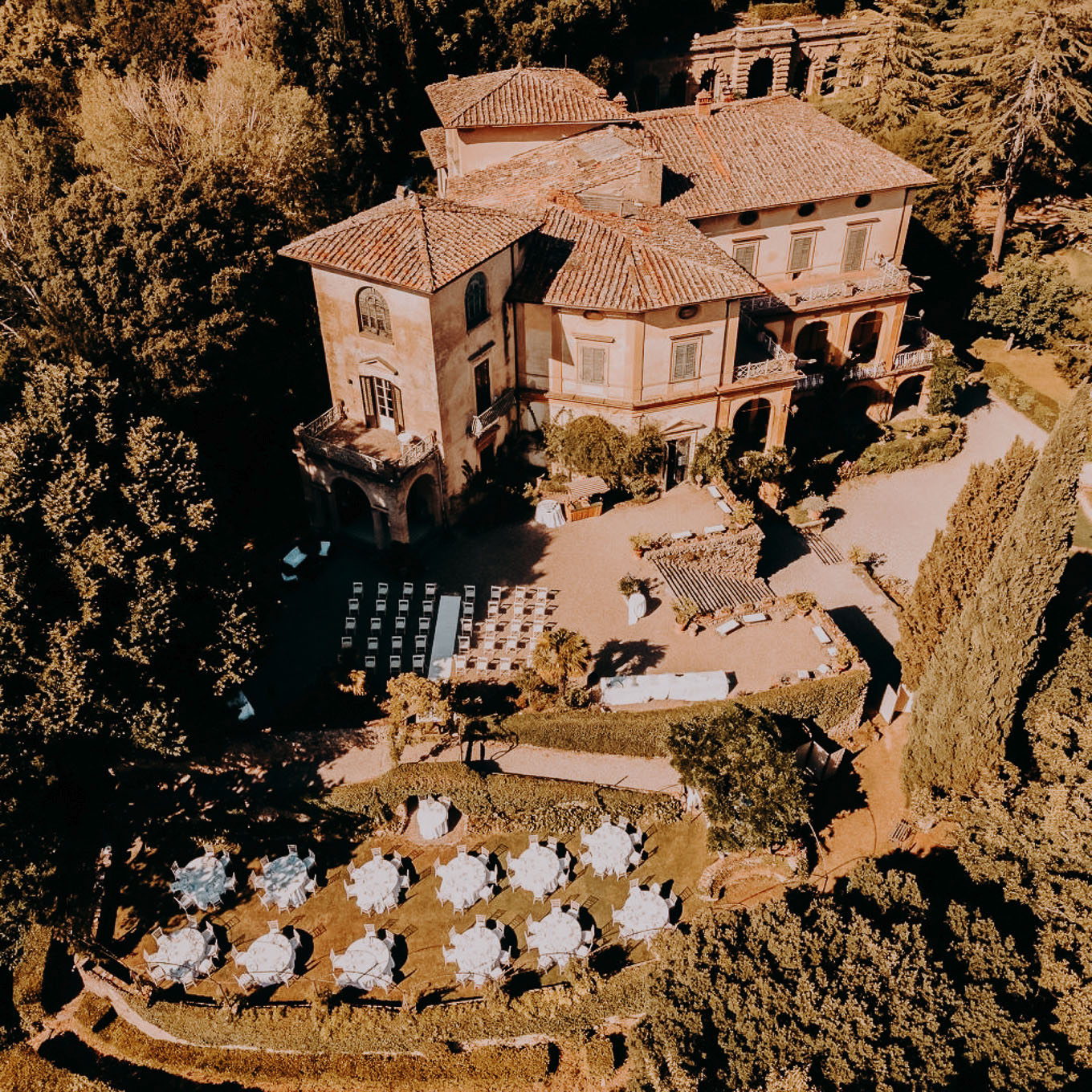
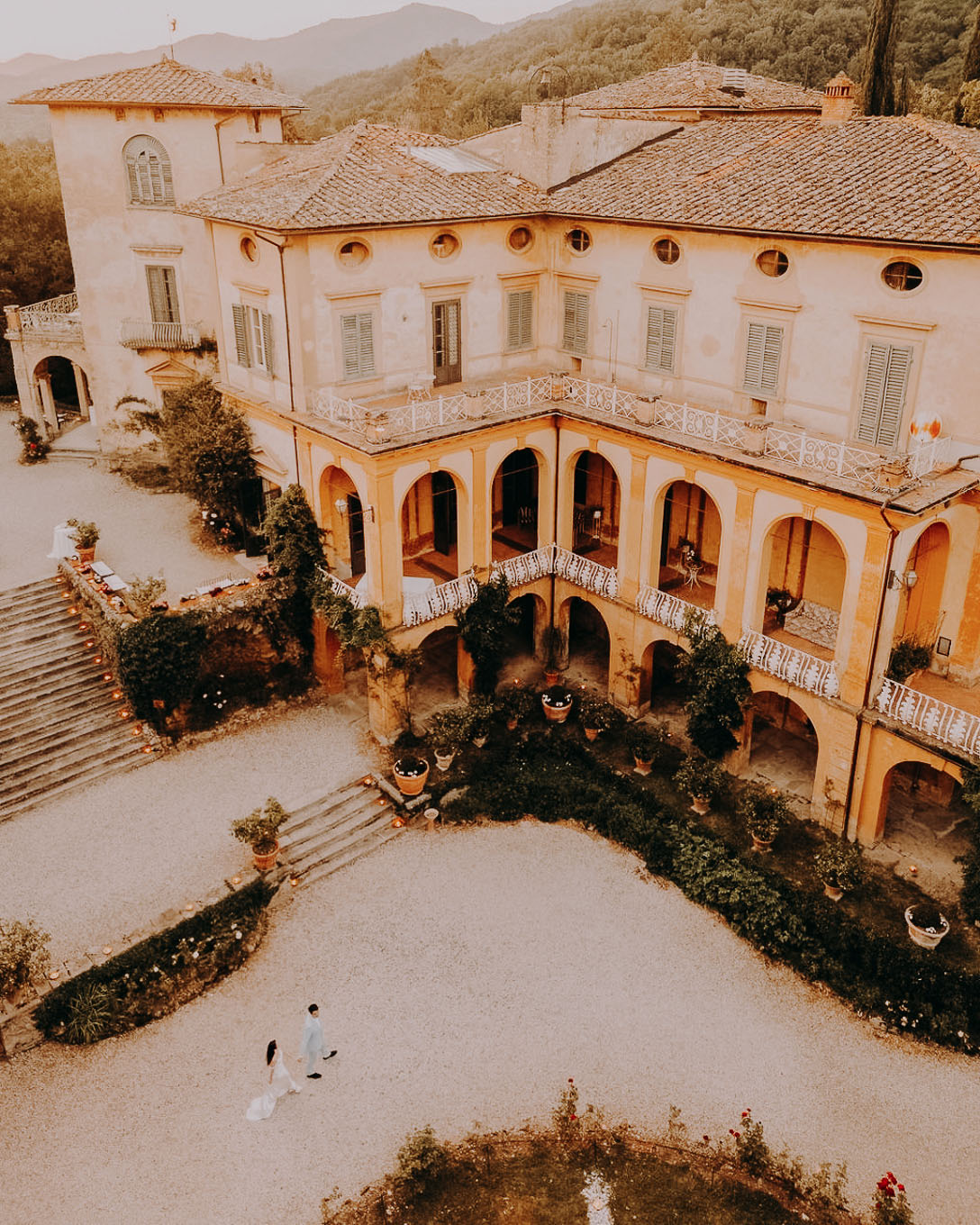
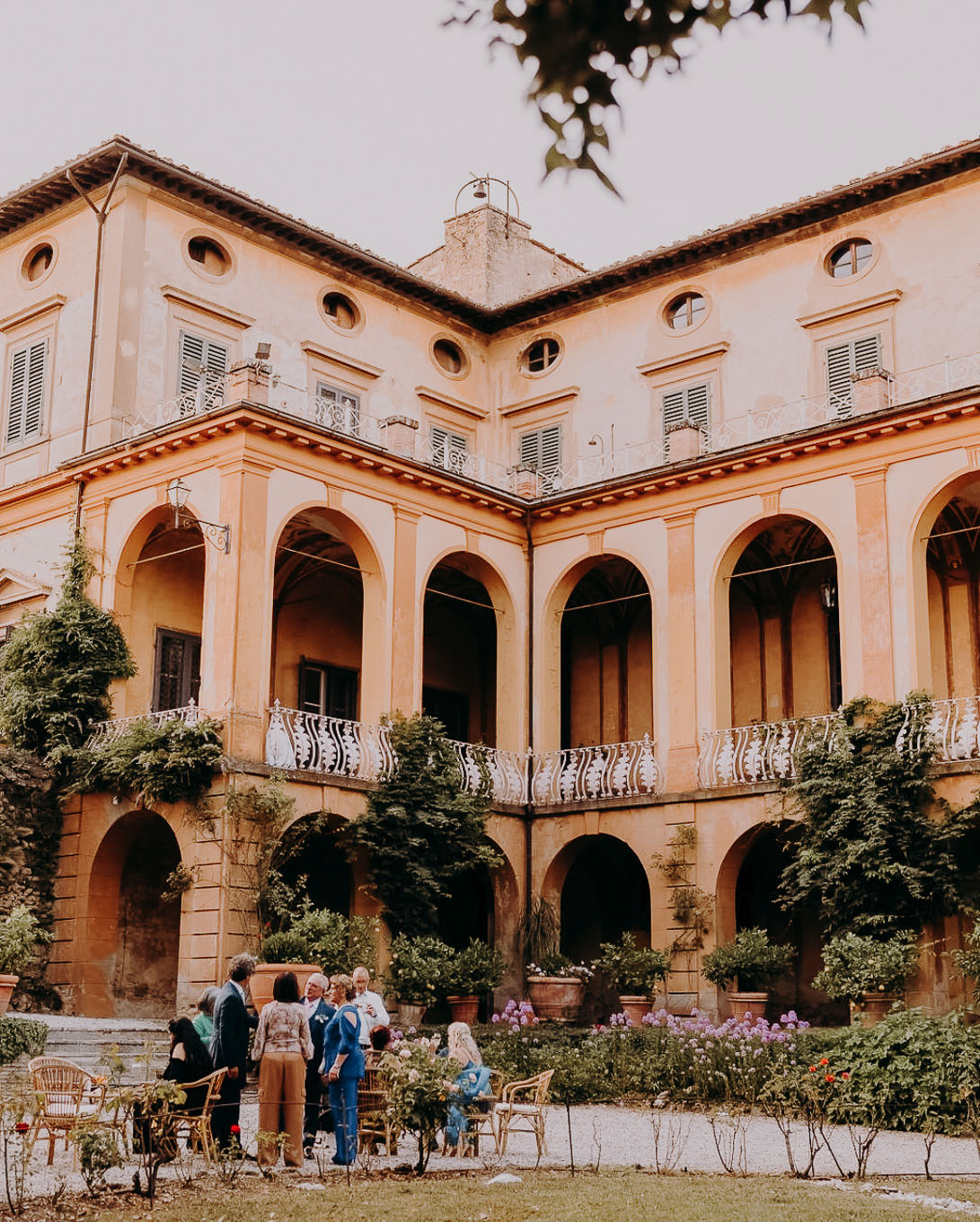
Gordigiani restored and partly reconstructed the ancient residence, working with architect Luigi Del Moro — a significant figure in late nineteenth-century Florentine architecture whose subsequent career would include the completion of one of the most visible monuments in the city: in 1887, twelve years after beginning the work at Striano, Del Moro completed the last project of his master Emilio de Fabris: the facade of the Duomo di Santa Maria del Fiore, the neo-Gothic face of the cathedral that every visitor to Florence knows. The villa was given its distinctive double-tower structure, its piazzali, terraces, and loggias. One of those loggias was frescoed on its vault by Galileo Chini — the Mugello artist, painter and ceramicist whose work in the Italian Art Nouveau tradition is among the most distinctive produced in this part of Tuscany. From the same period comes the Limonaia, whose architecture, according to the estate itself, reveals the influence of Bernardo Buontalenti — the great sixteenth-century Florentine architect and scenographer — on Del Moro's own aesthetic sensibility.
Giulietta Gordigiani, the Mendelssohn Baron, and the Salon of Europe
Michele Gordigiani's daughter Giulietta was a pianist and contralto singer of considerable gifts. She married Baron Robert von Mendelssohn — cellist and descendant of the composer Felix Mendelssohn Bartholdy, one of the great names of nineteenth-century European music — and spent years with her husband giving concerts across Europe, returning to the Mugello in spring and summer to find peace and rest in the park of Villa di Striano. The cultural world that gathered around Giulietta at Striano over the years was extraordinary in its range and its calibre. The documented guests include Gabriele D'Annunzio, who described Giulietta in his novel Il Fuoco as Donatella Arvale and spent many summer days at the villa. Arturo Toscanini. Guglielmo Marconi. The writer Giovanni Papini. The Belgian painter Henry de Groux. The violinist Joseph Joachim — the greatest instrumental performer of the nineteenth century, close friend of Johannes Brahms, for whom Brahms wrote his Violin Concerto. The philosopher Balbino Giuliano. The Swiss pianist Edwin Fischer, who would later marry Giulietta's daughter Eleonora. The actress Eleonora Duse, in whose honour that daughter was named. And the cellist Gaspare Cassadó, who in the final years of Giulietta's life became her inseparable companion — and who, according to the estate's own account, was playing his cello for Giulietta in the moment of her death, accompanying her last breaths with music.
The Piano Nobile, the Original Furnishings, and the Park
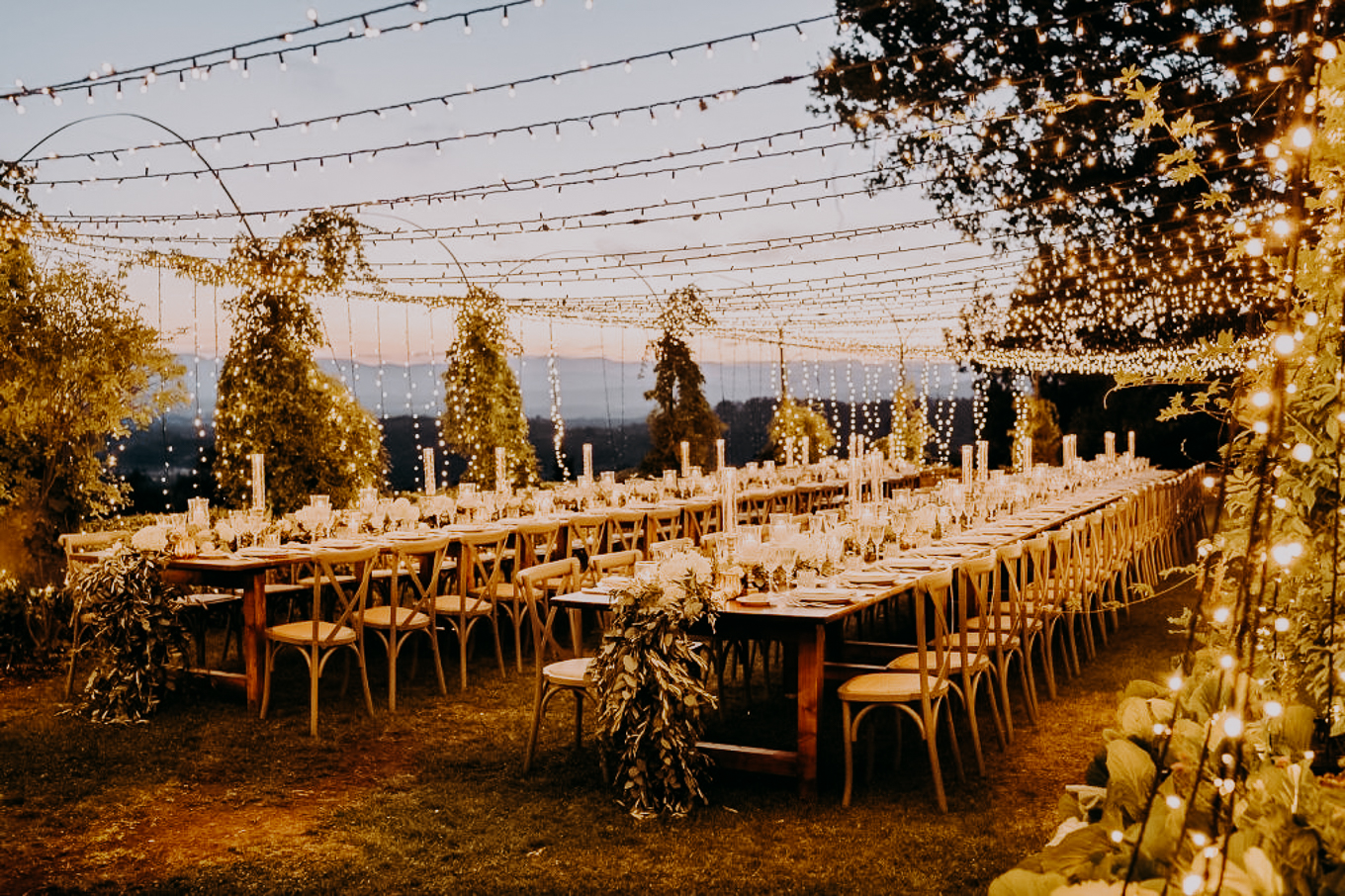
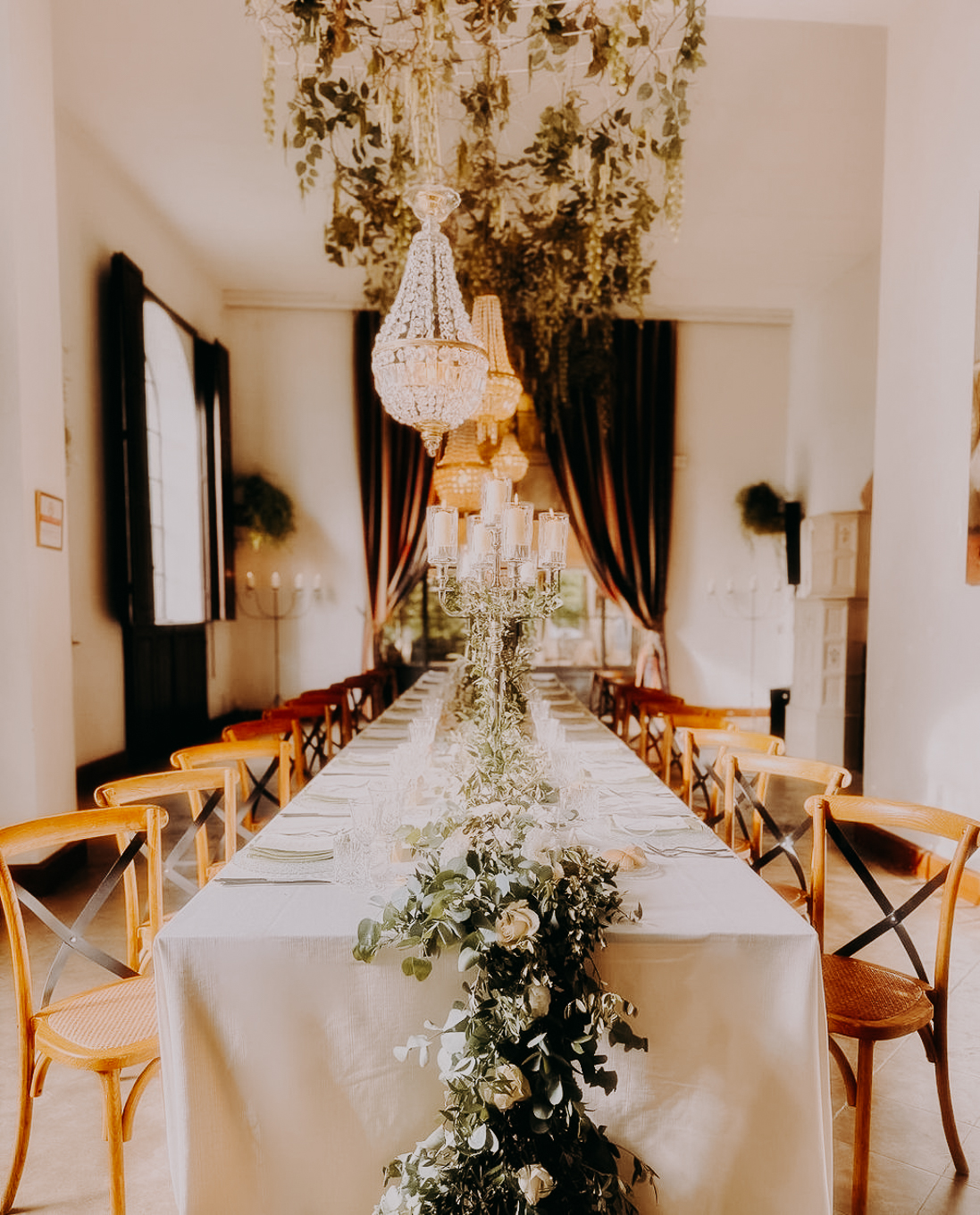
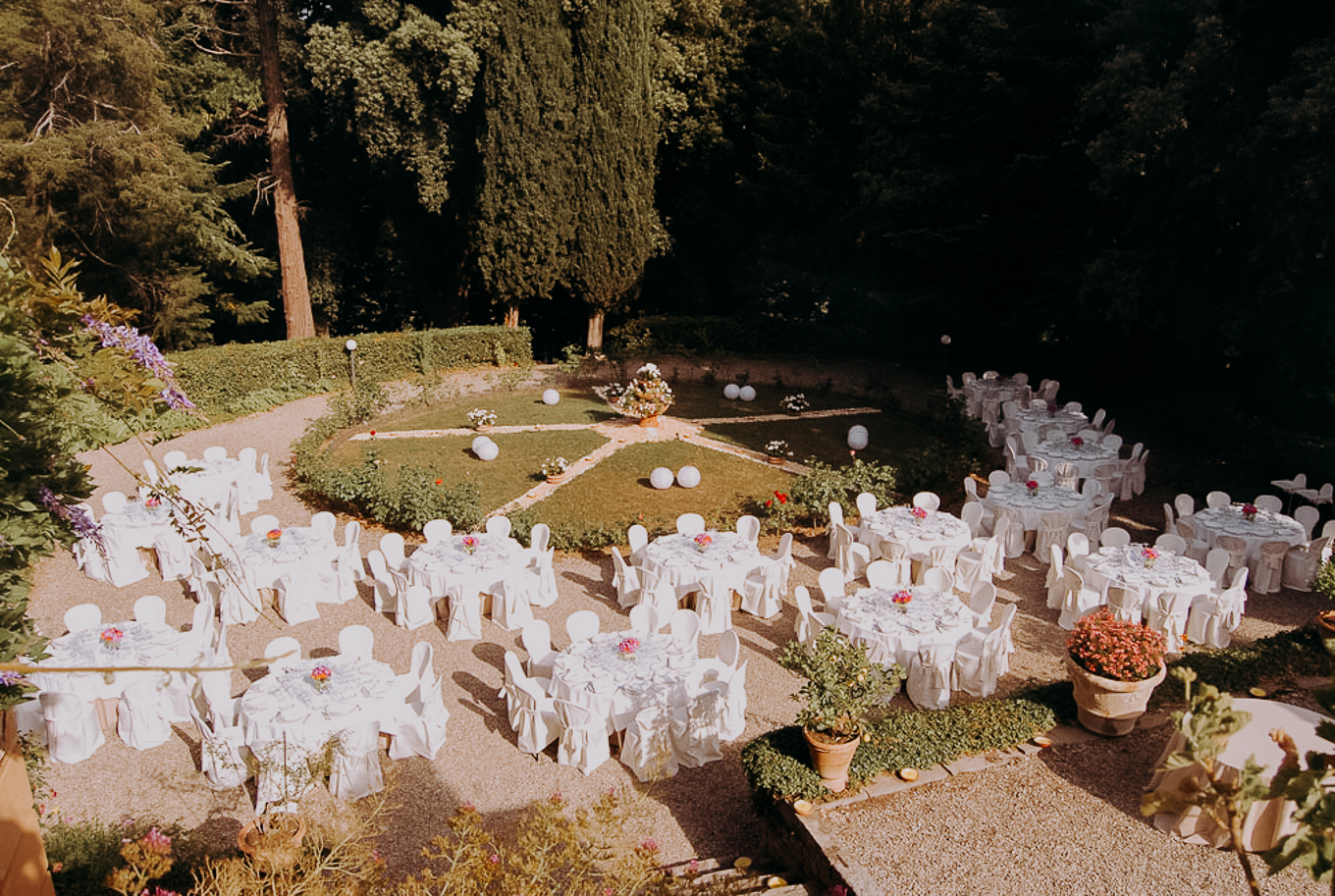
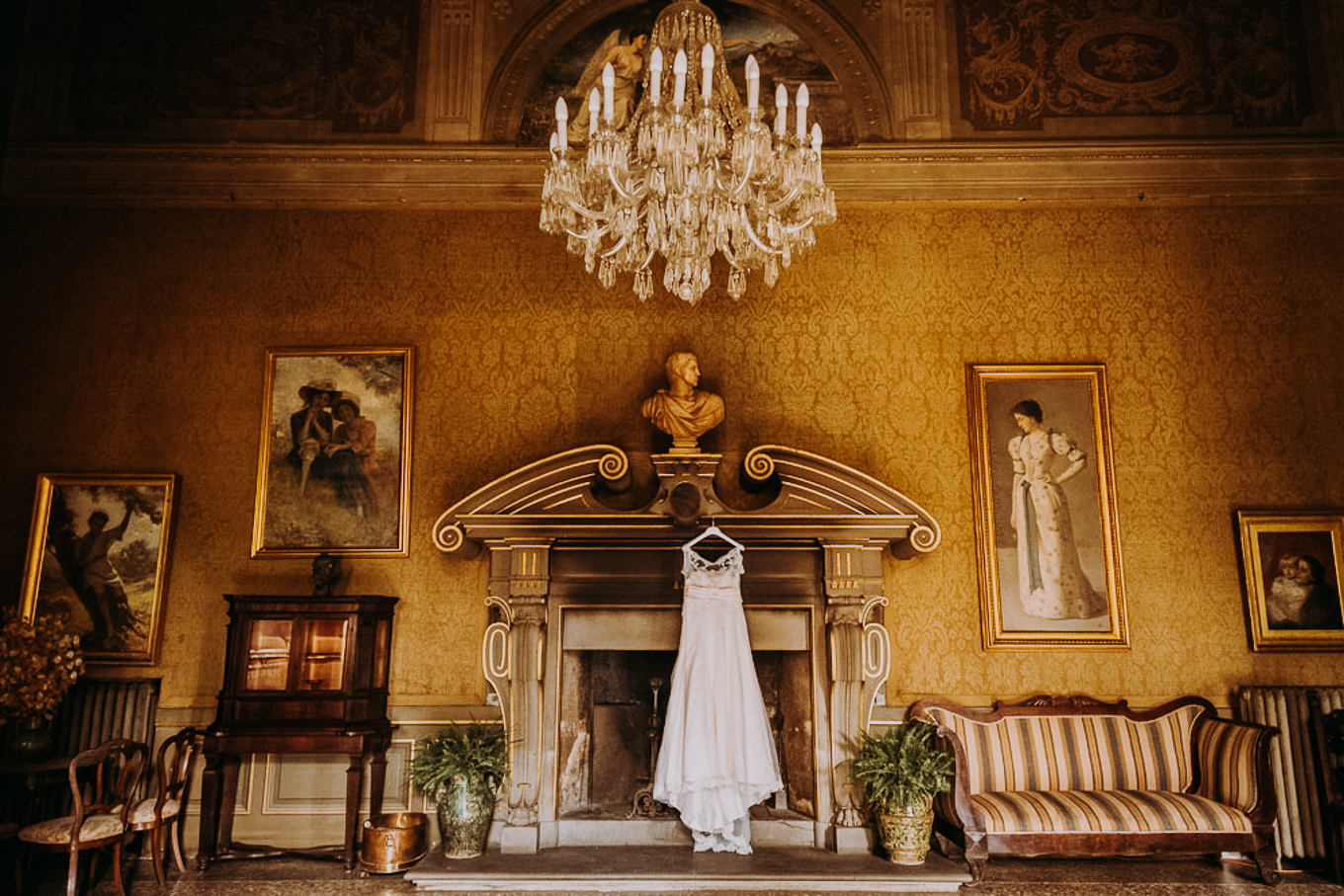
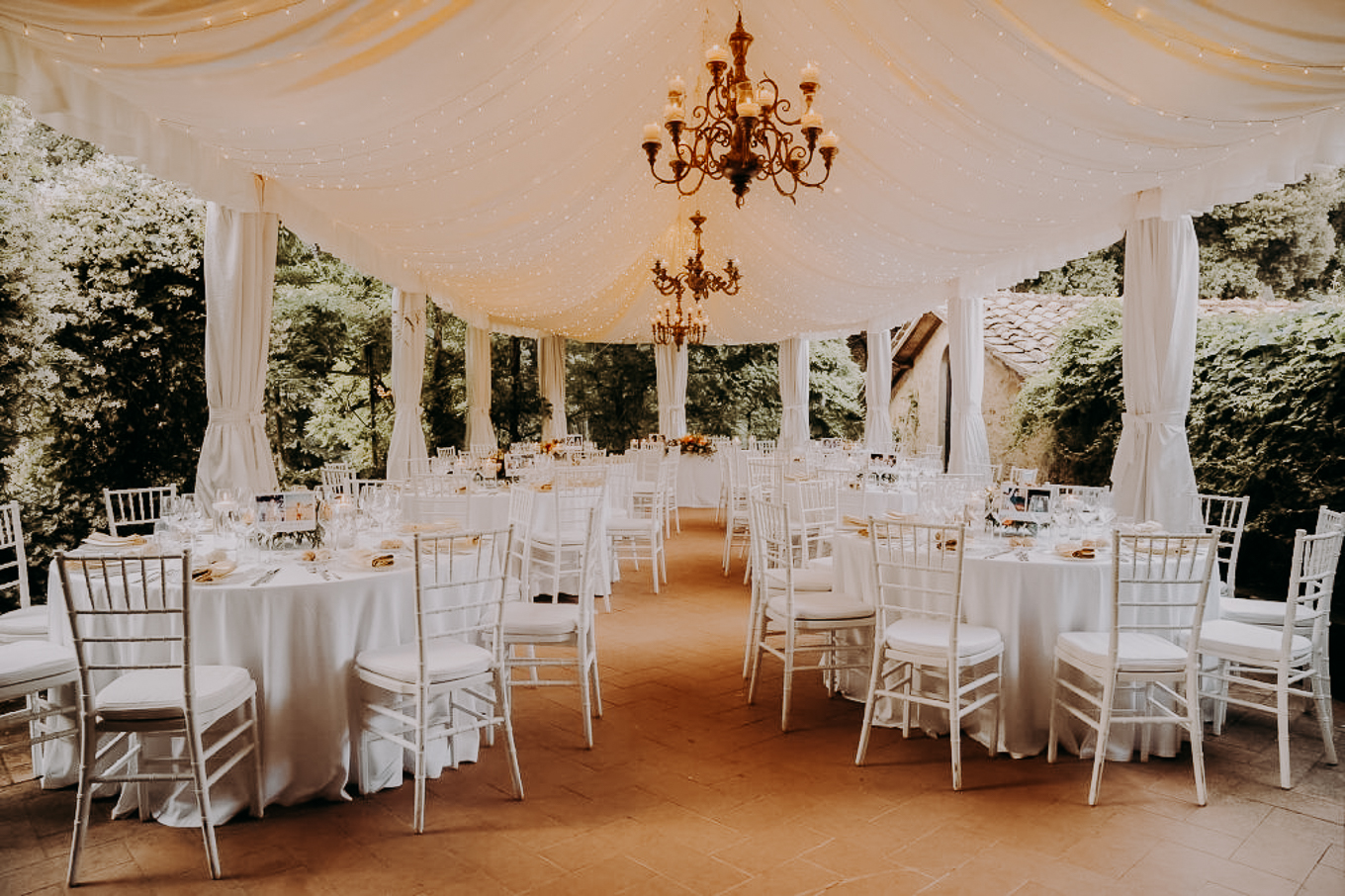
The piano nobile of Villa di Striano has never been emptied of its original contents. Walking through it, the estate notes, gives the sense of being entirely outside of time. The paintings on the walls form a kind of gallery — not a curated exhibition but the accumulated portrait and decorative collection of a family and its guests across generations, each work in the position it occupied when Michele Gordigiani and Giulietta lived here. The rooms range from intimate spaces for ten to fifty guests to grand salons that combine to accommodate up to 220 seated at a single table or 300 in a mixed configuration. The outdoor capacity reaches 500 across the park and its various settings.
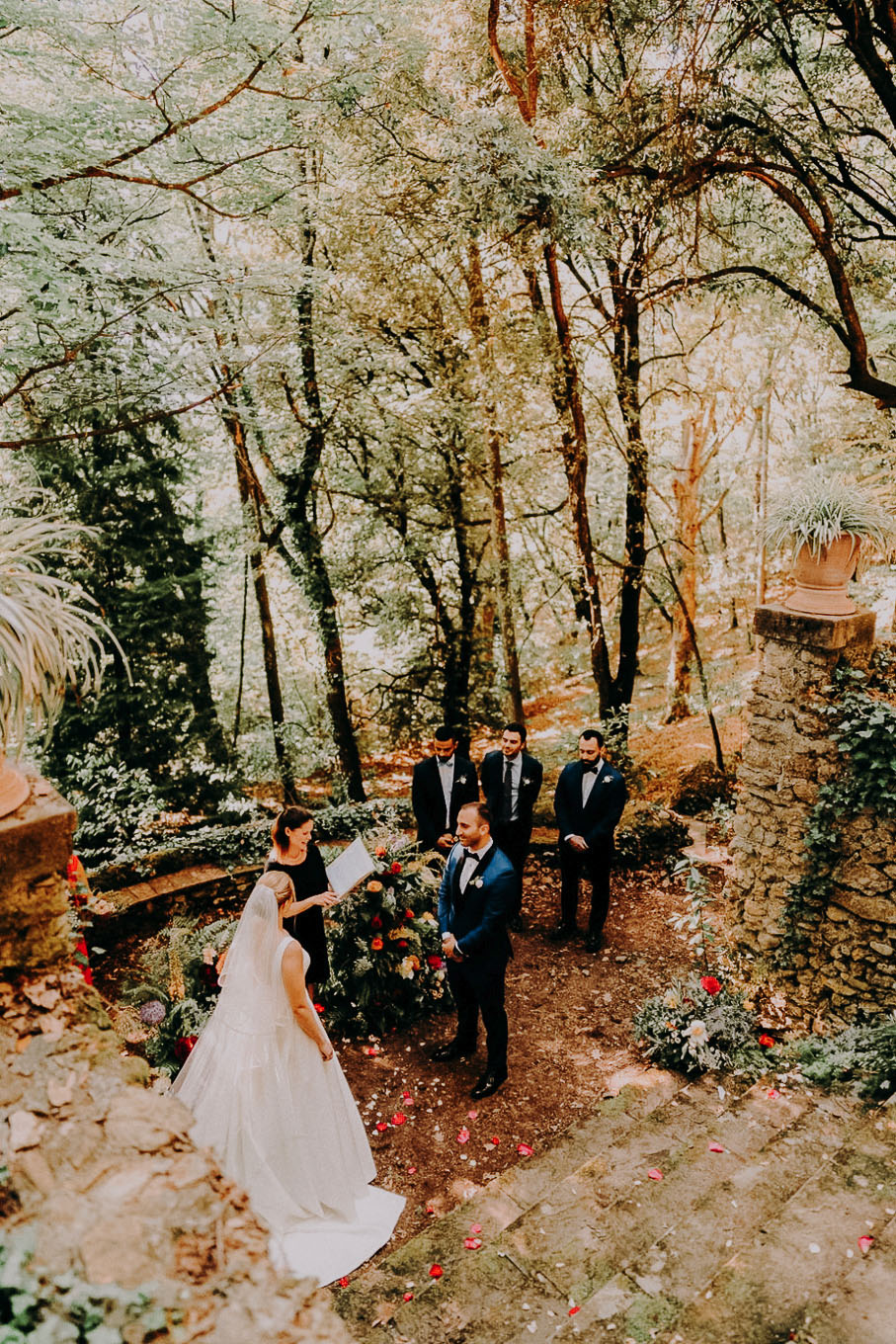
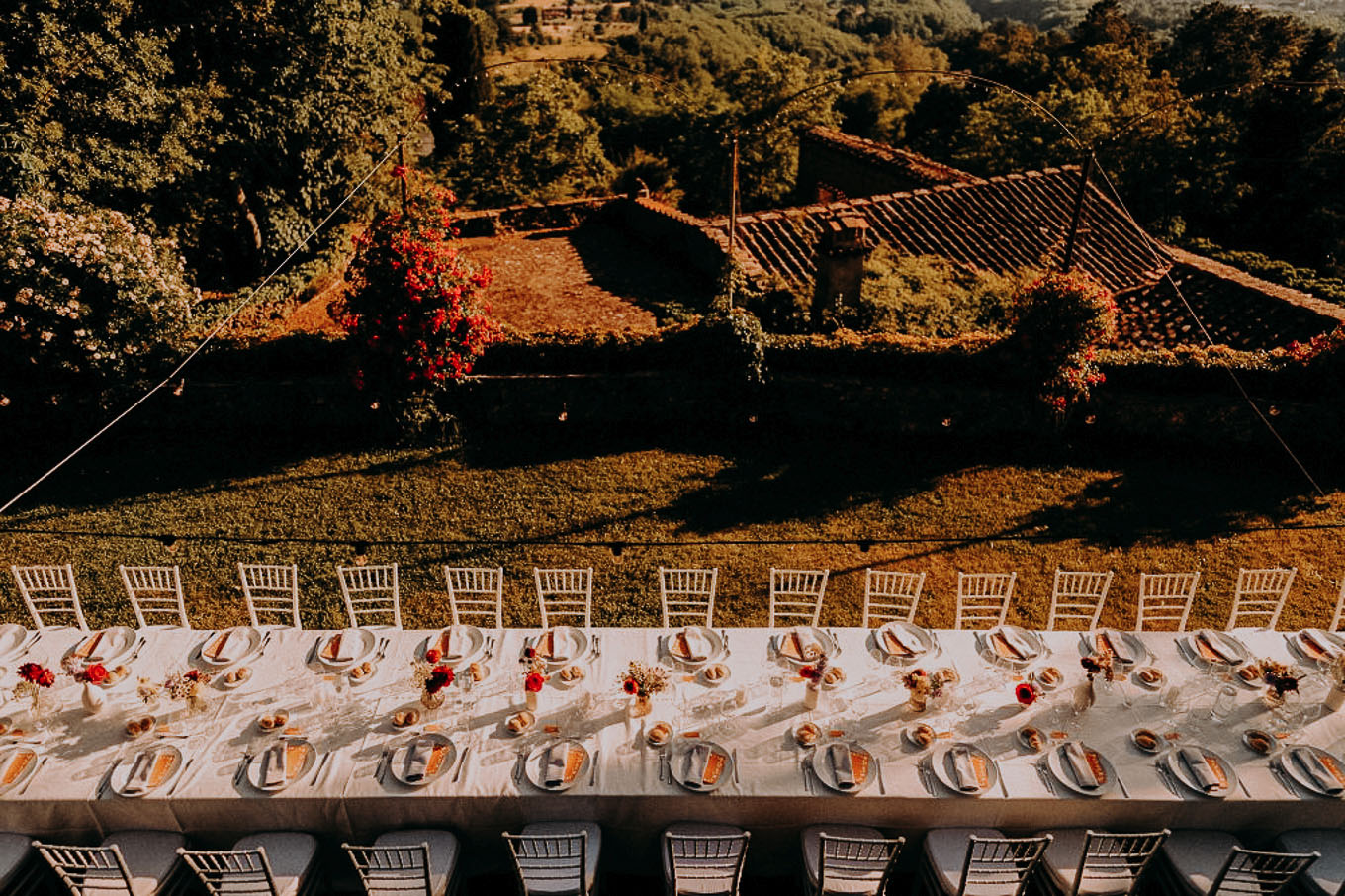
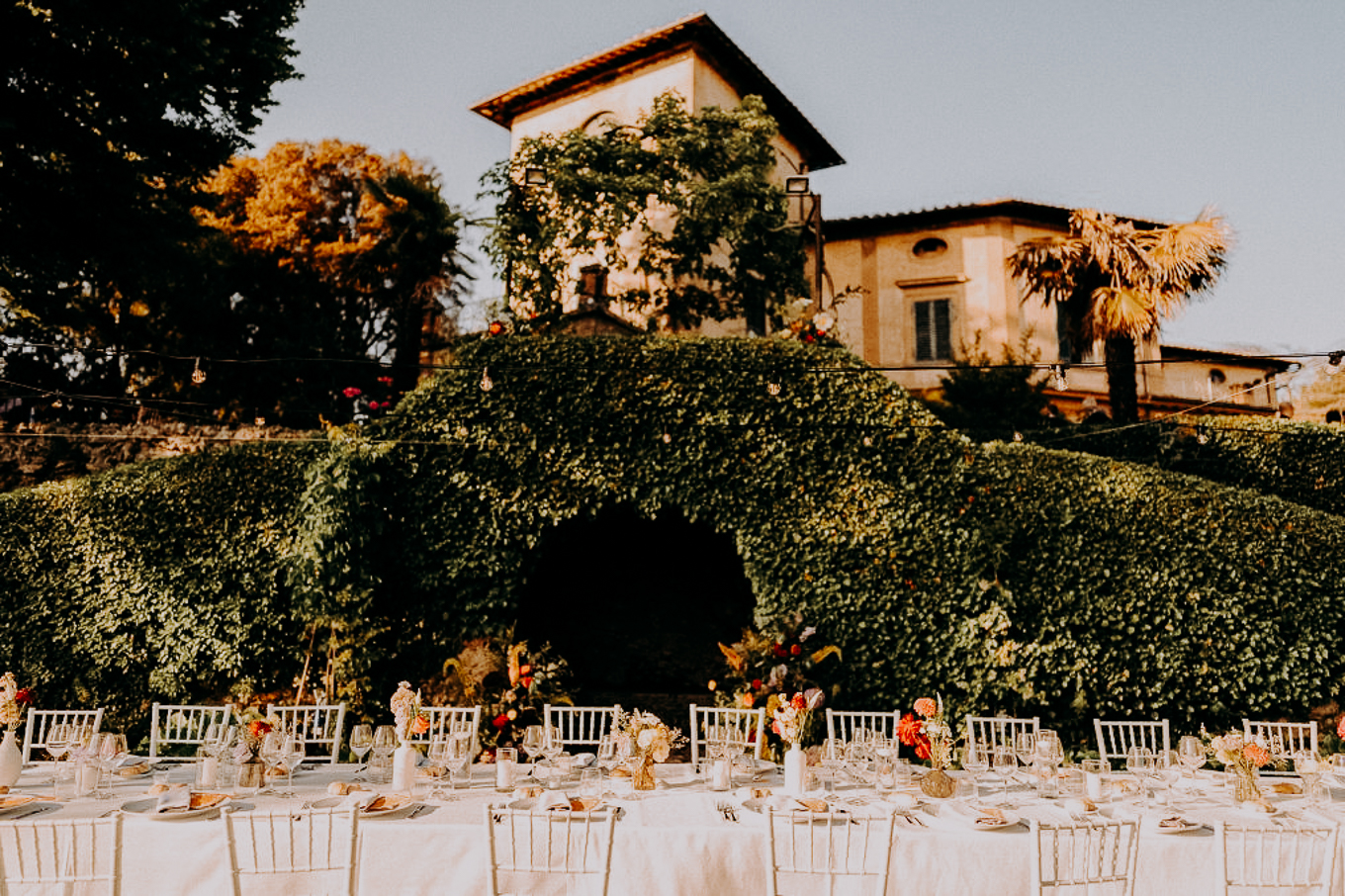
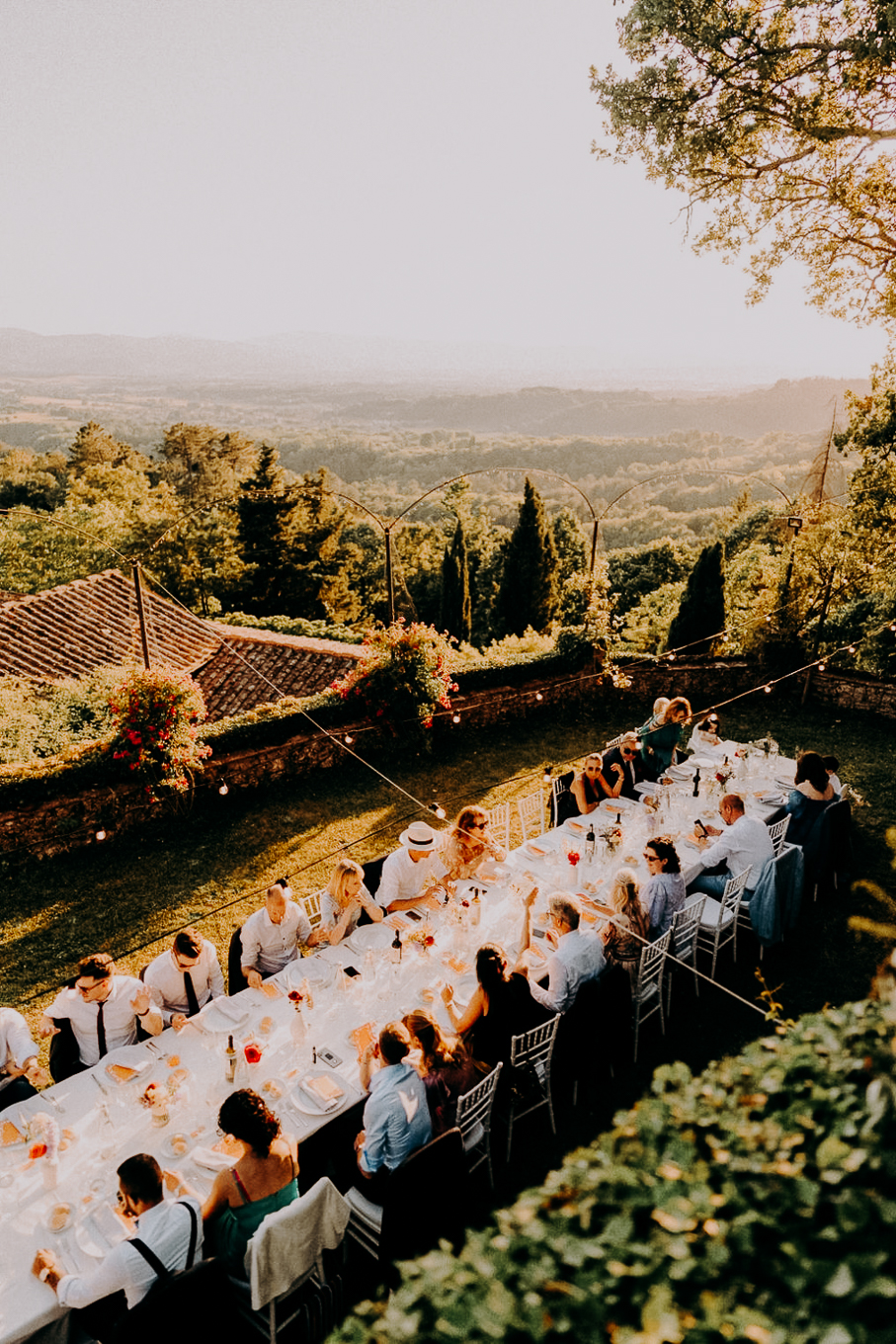
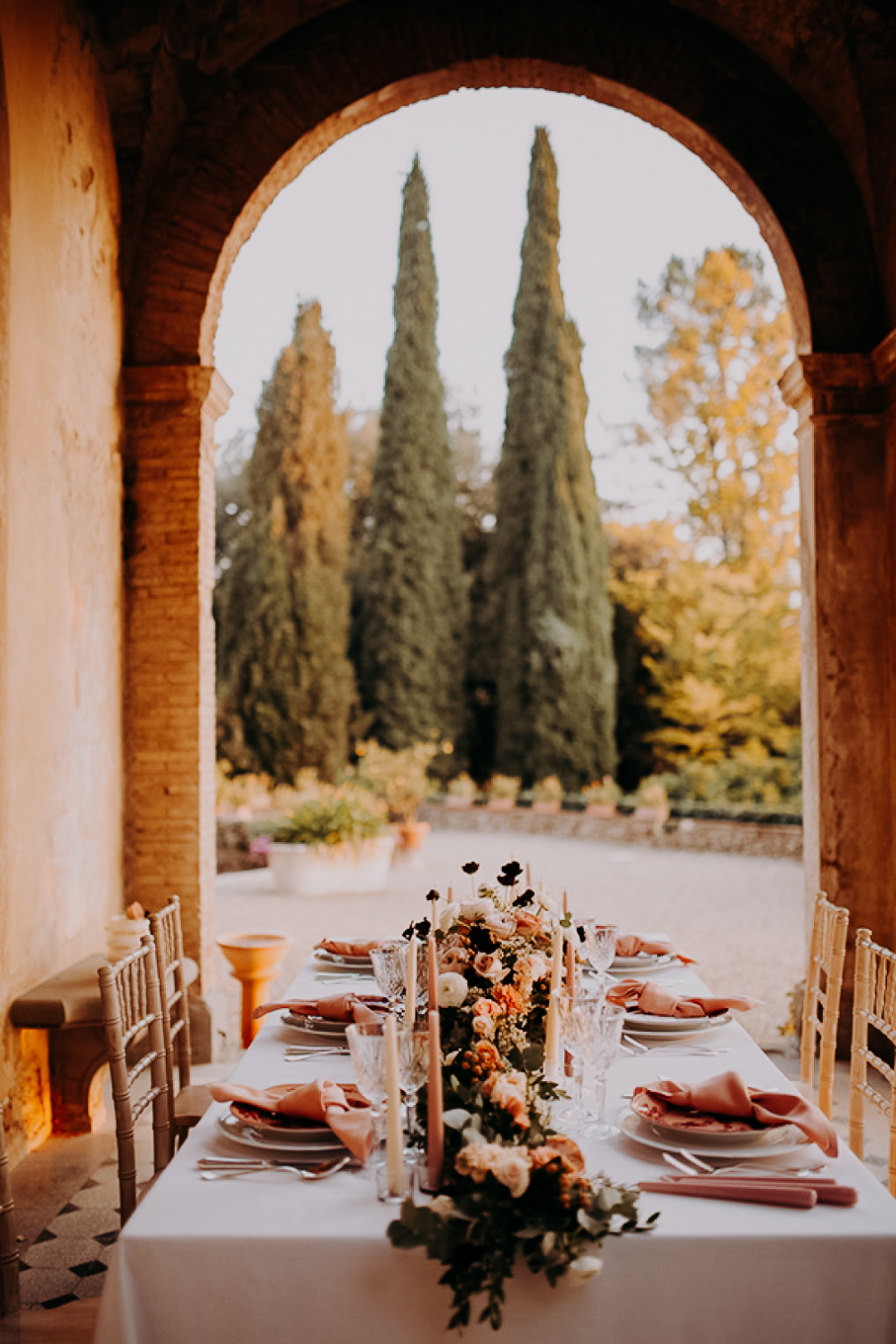
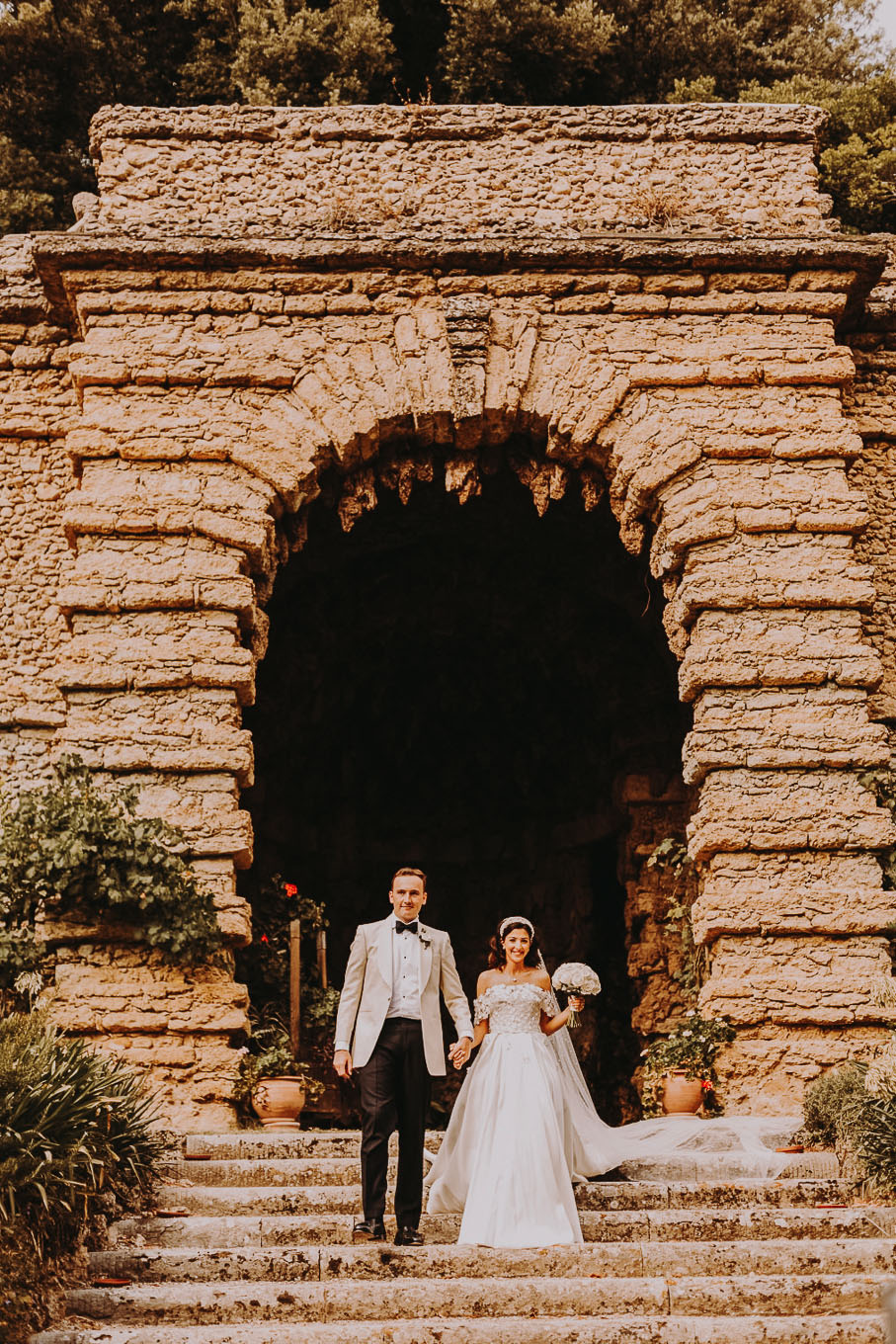
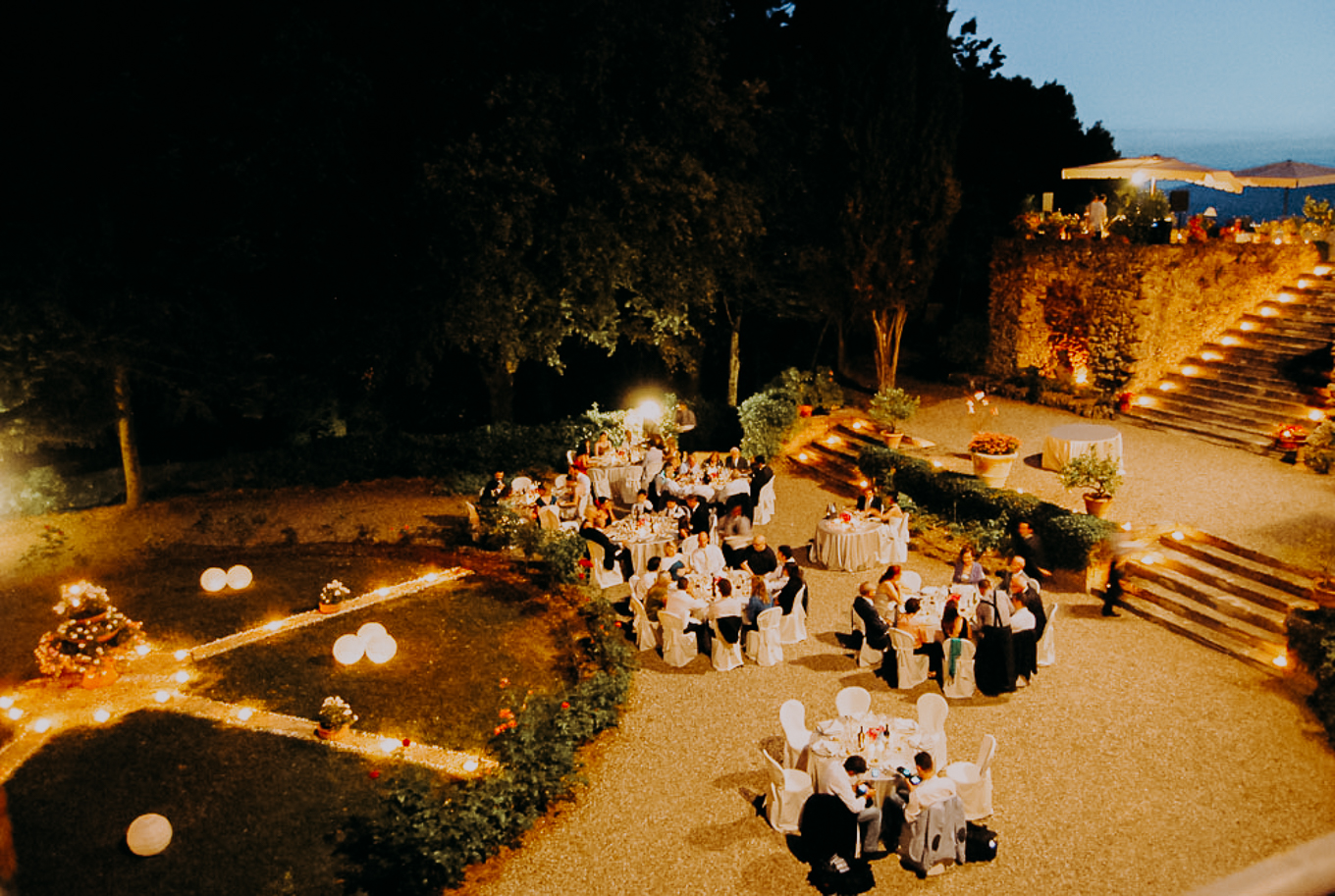
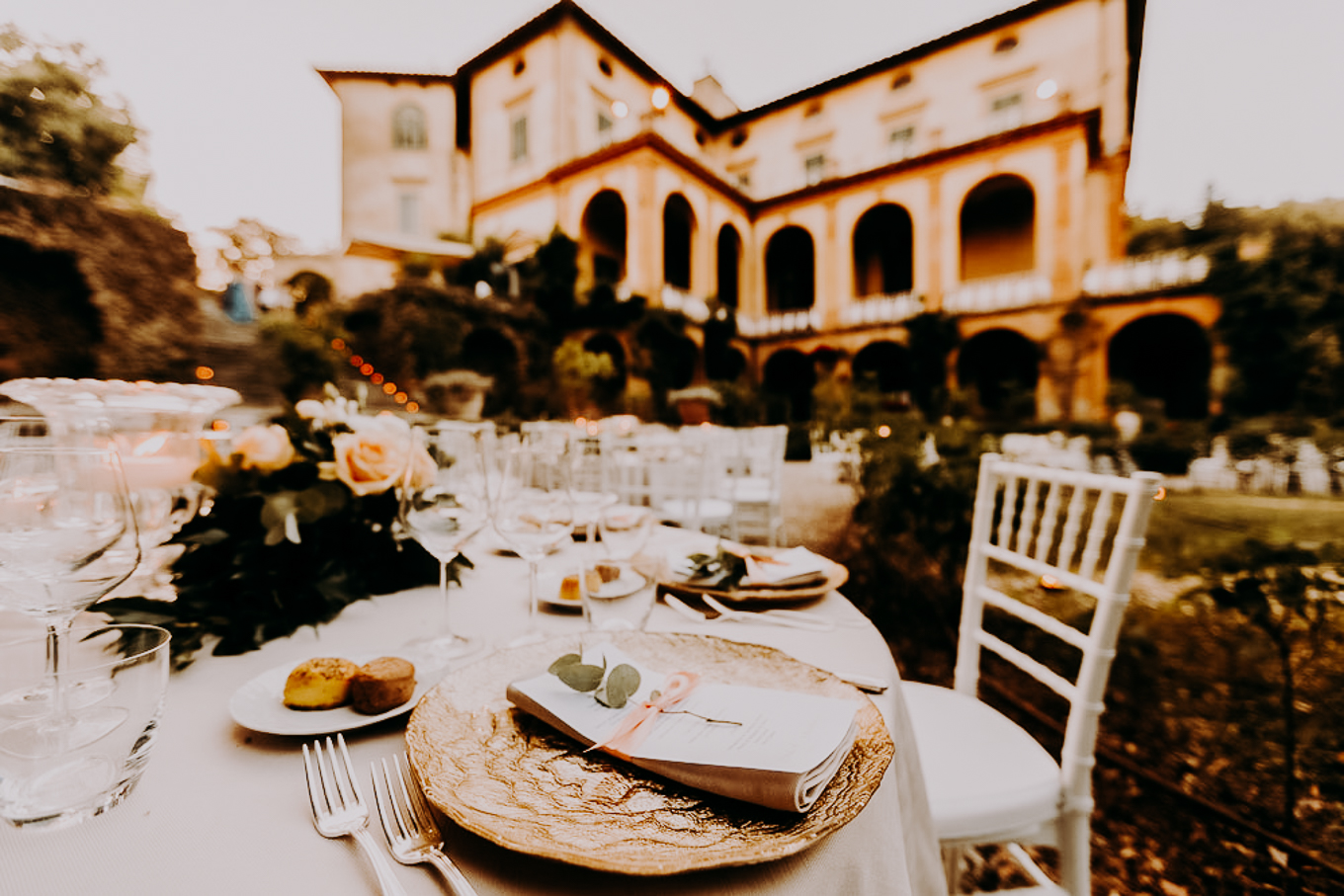
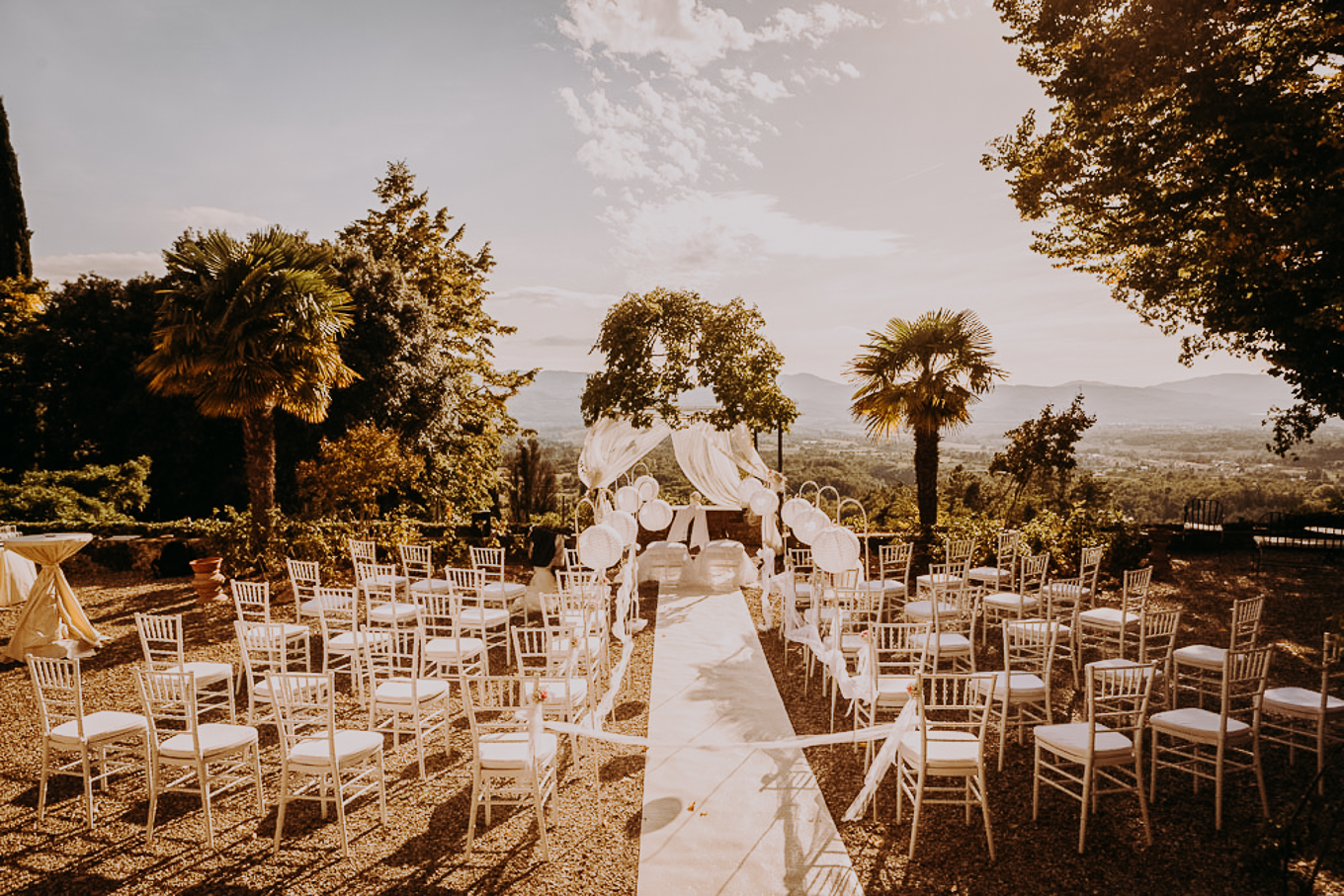
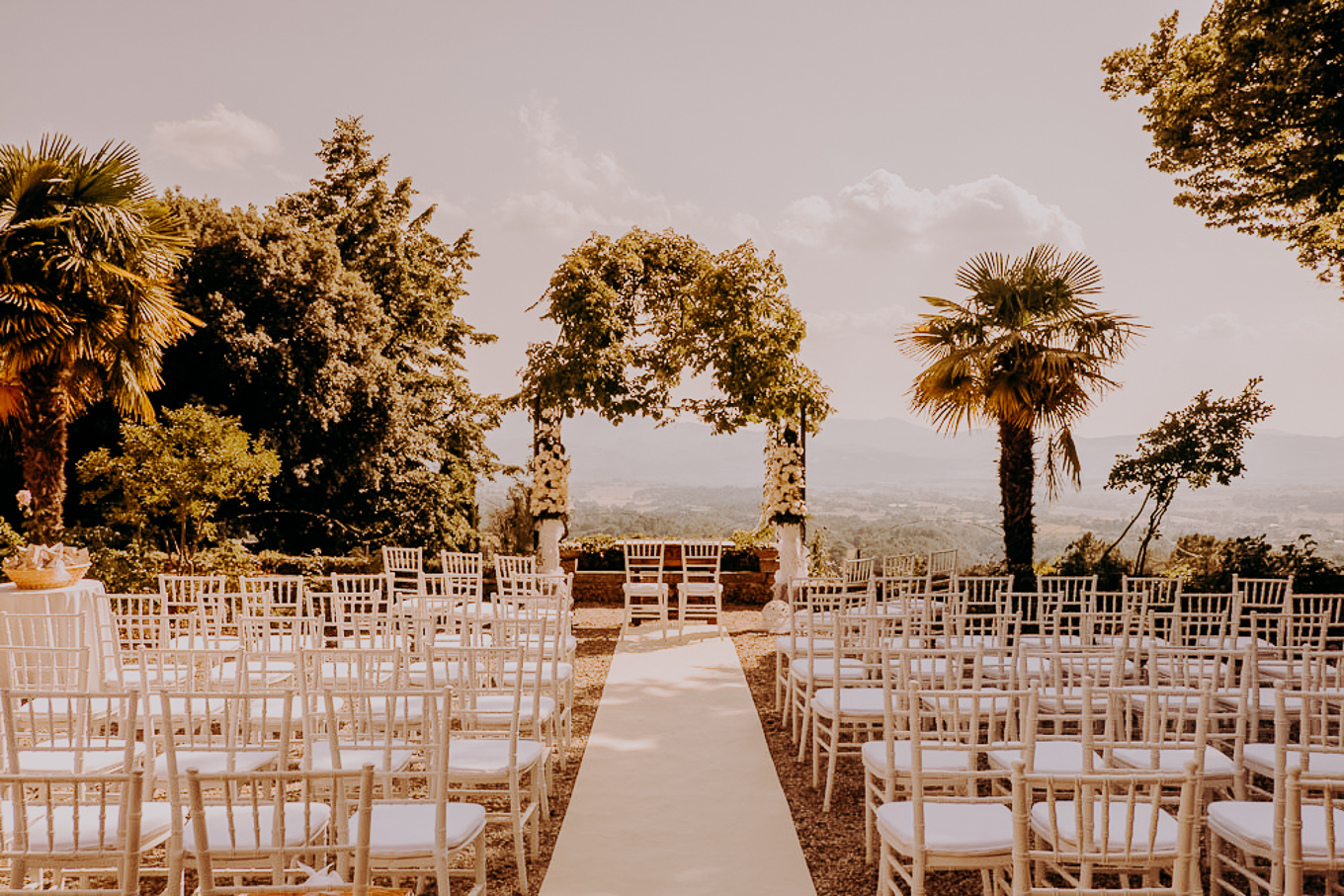
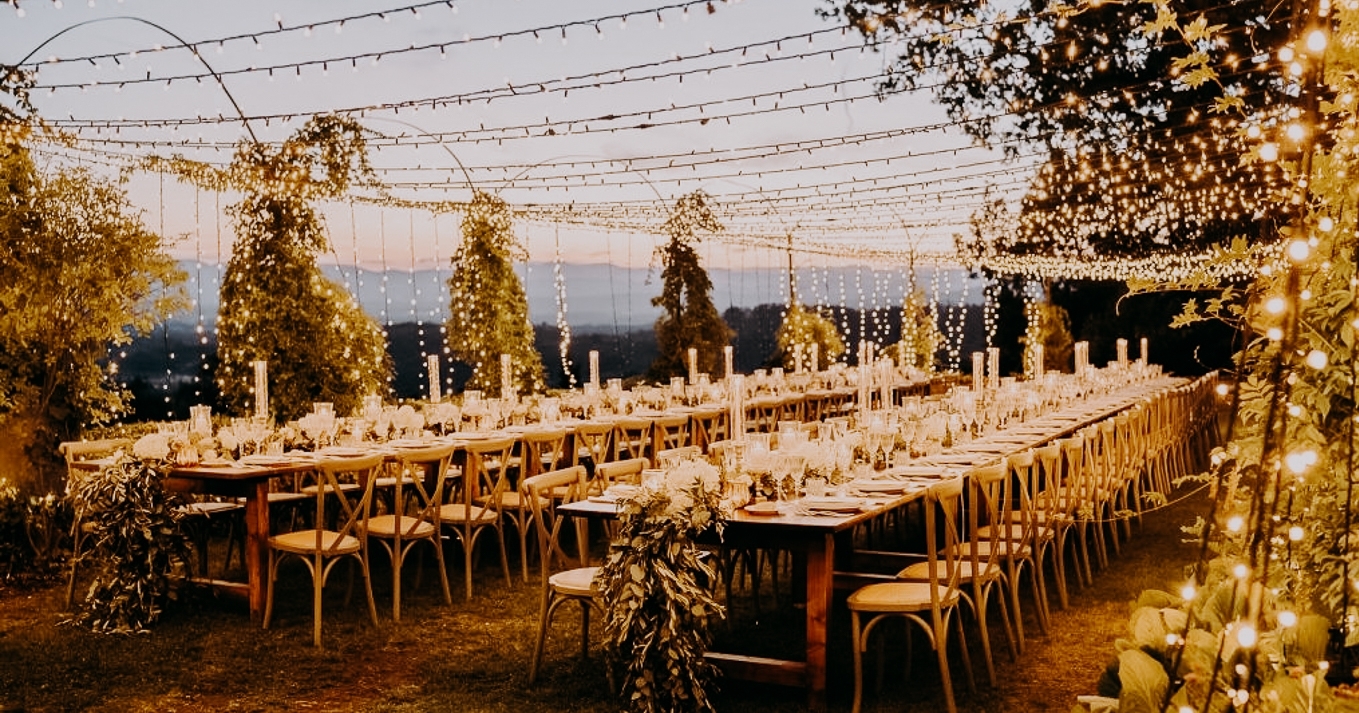
The historic English-style park contains majestic centuries-old trees of rare species that the estate describes as worthy of a botanical garden. Shaded paths and noble staircases lead through the park to grottos and fountains. From the great Piazzale Belvedere, one of the most beautiful panoramic views in the Mugello opens out: the valley below, the Apennine ridgeline above, and the reflection of the sun on Lake Bilancino in the distance — the large artificial lake created in the Mugello that has become one of the most characteristic features of this valley's landscape. The seasonal character of these views changes entirely through the year: summer sunsets and the reflection of the sun on Bilancino, the chromatic sequence of spring greens, autumn yellows and reds, the white of the Apennine peaks in winter.
D'Annunzio danced here until dawn and Toscanini came to listen to the music. What does a photographer do with a room that carries that much biography?
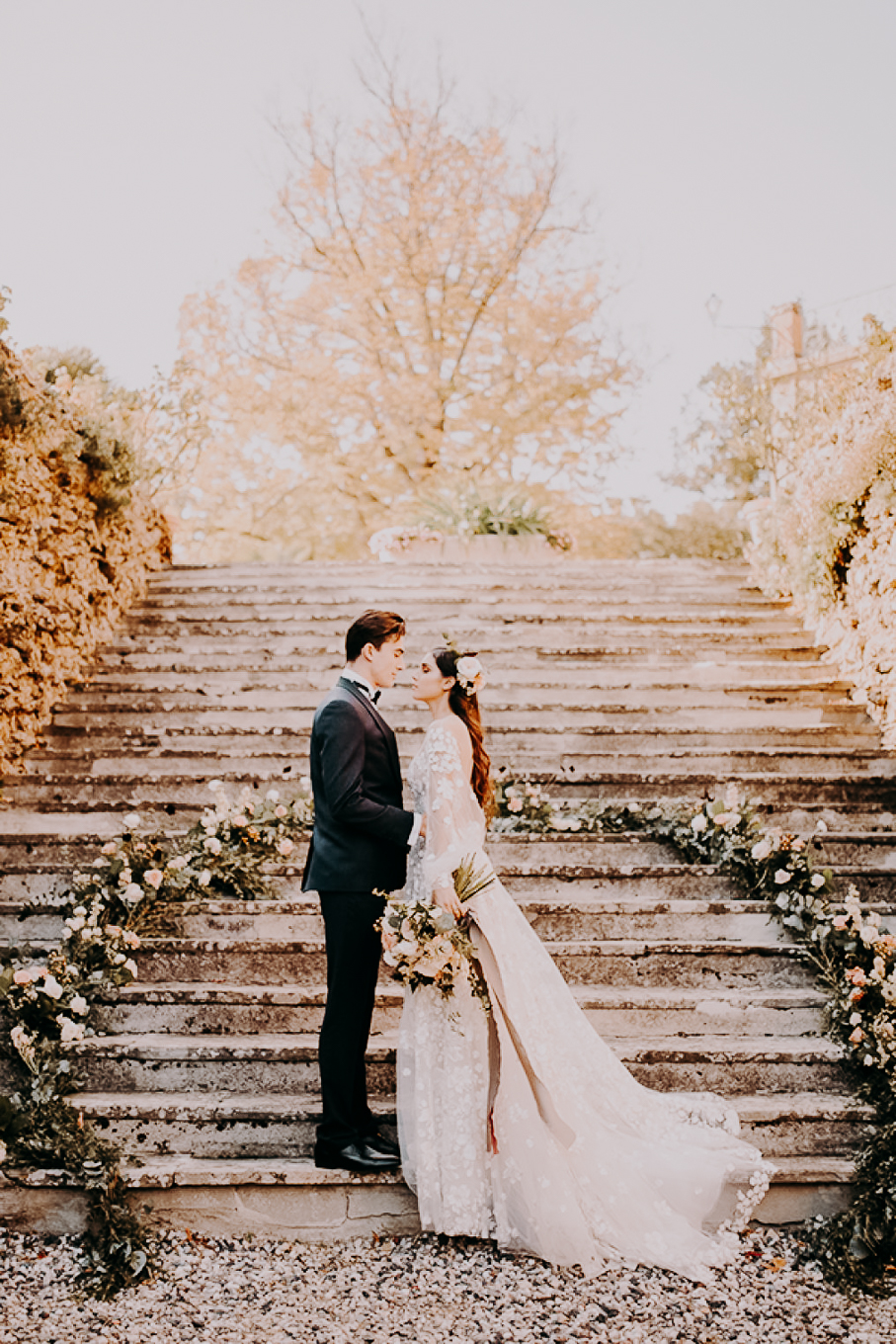
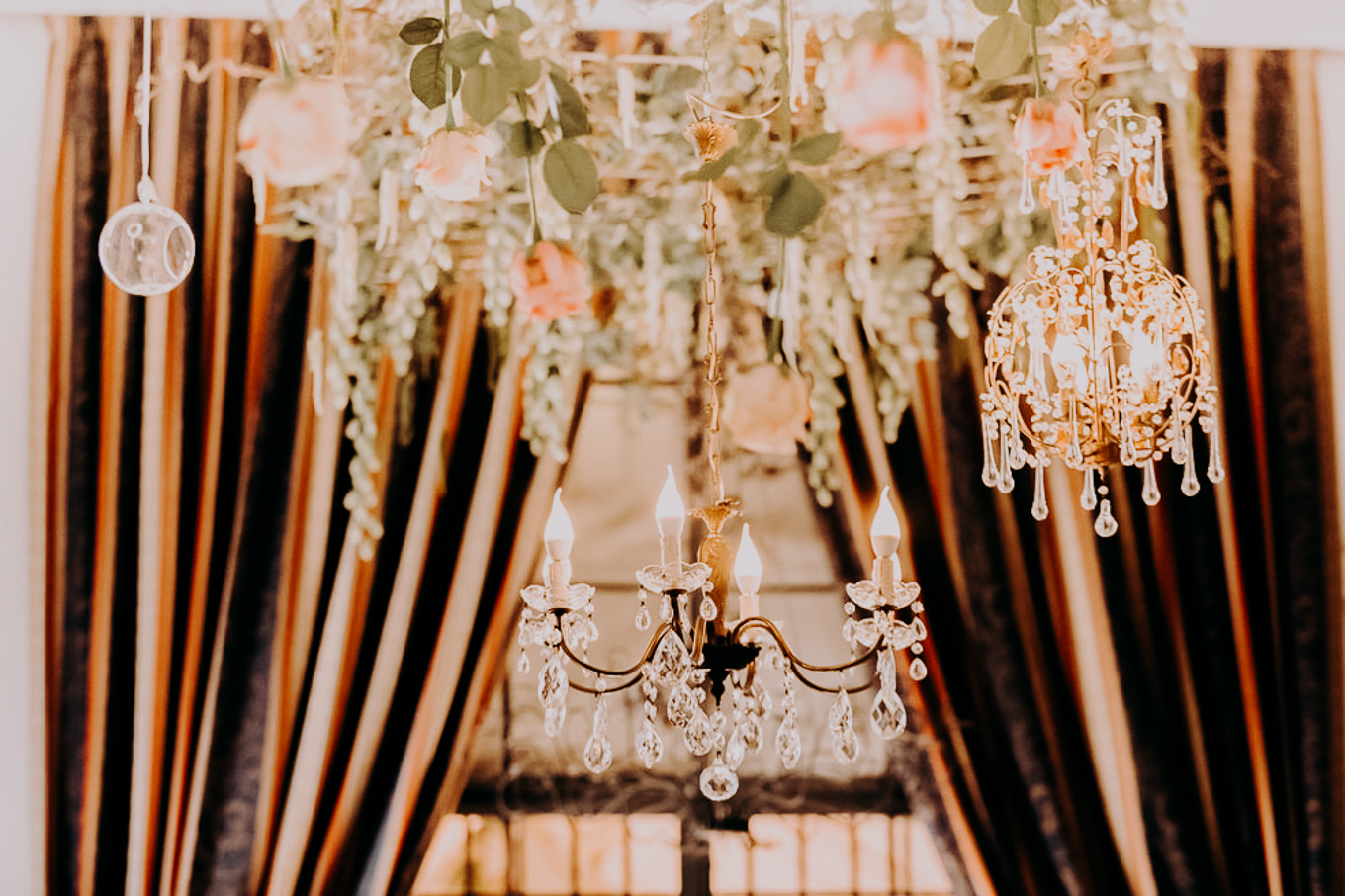
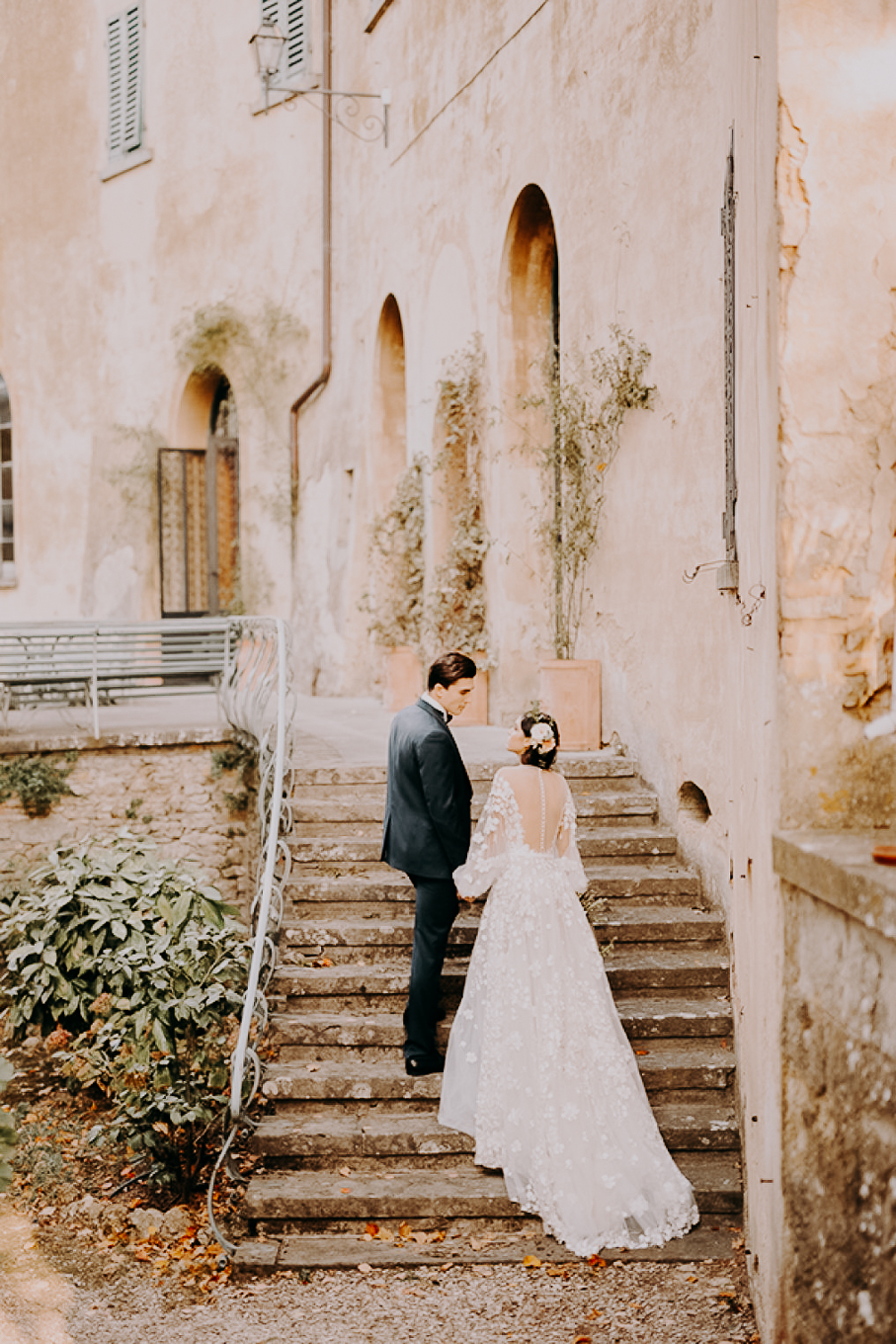
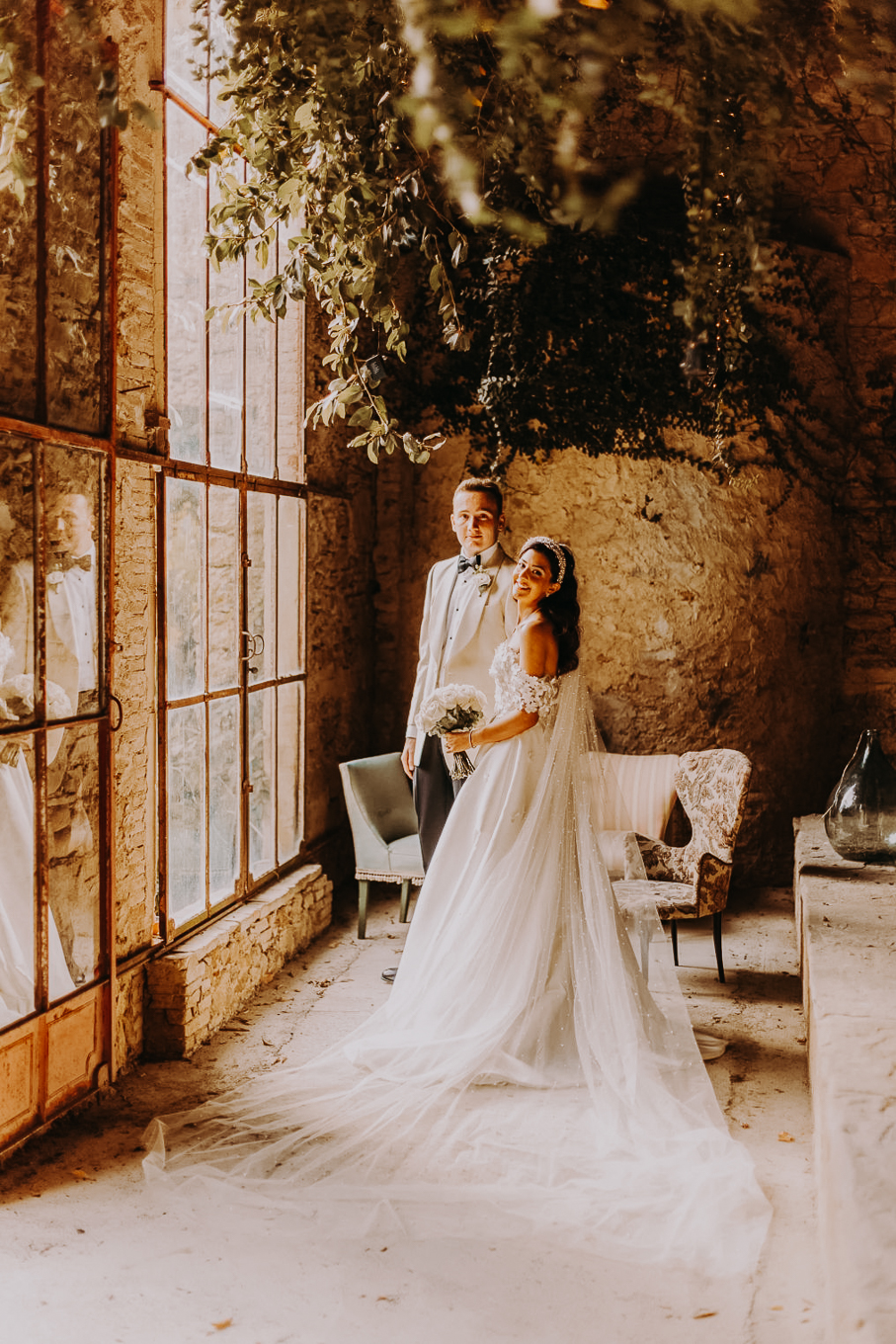
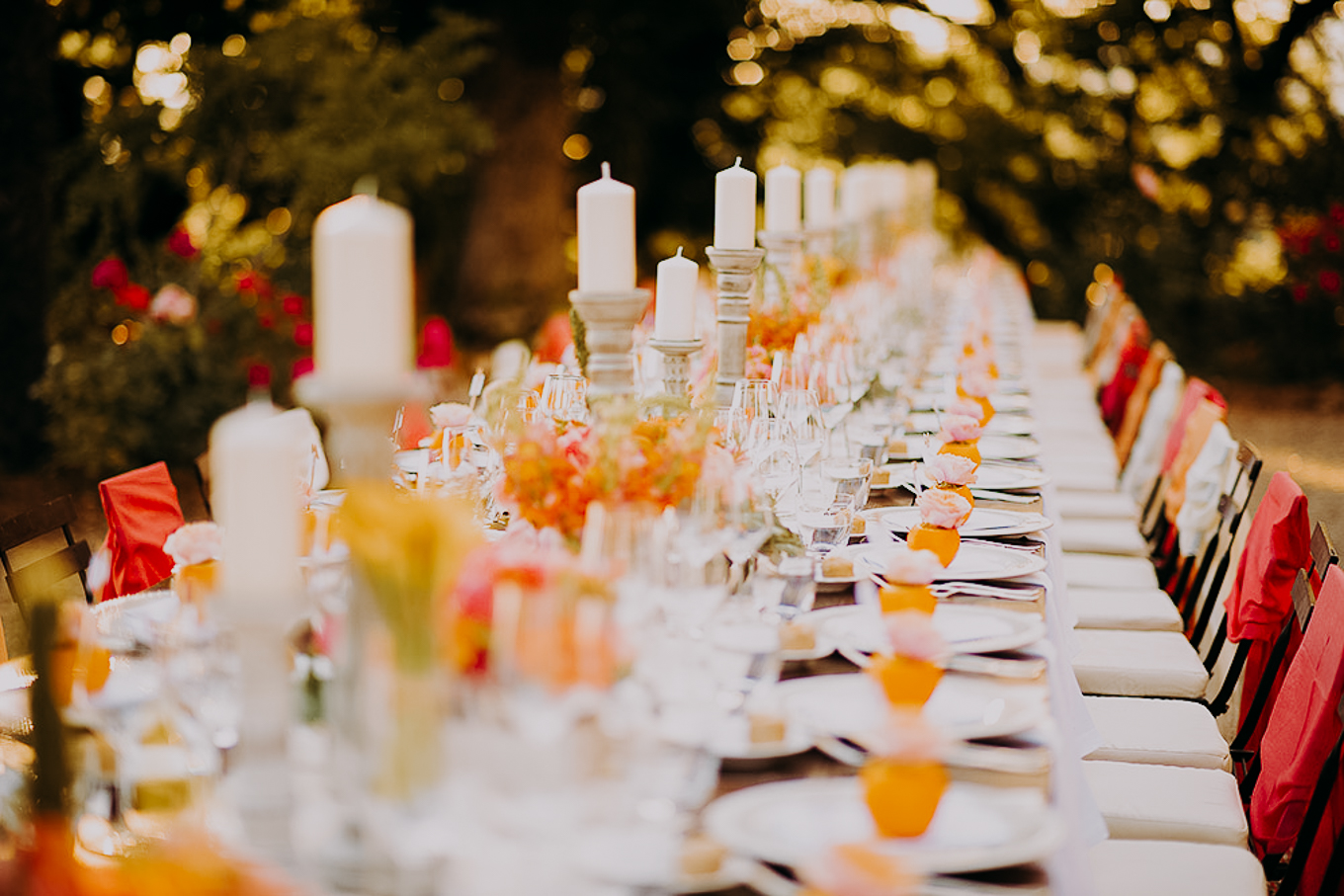
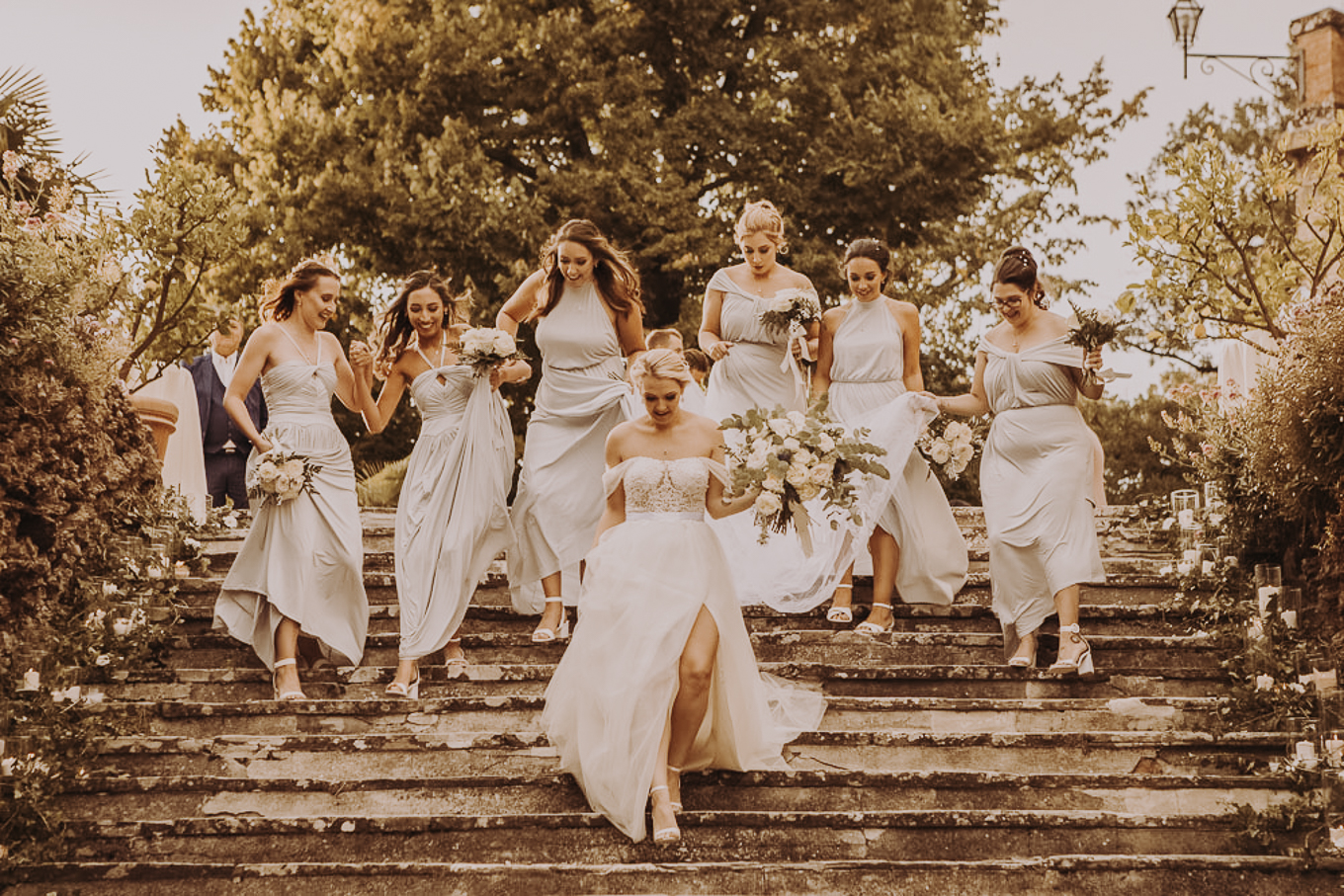
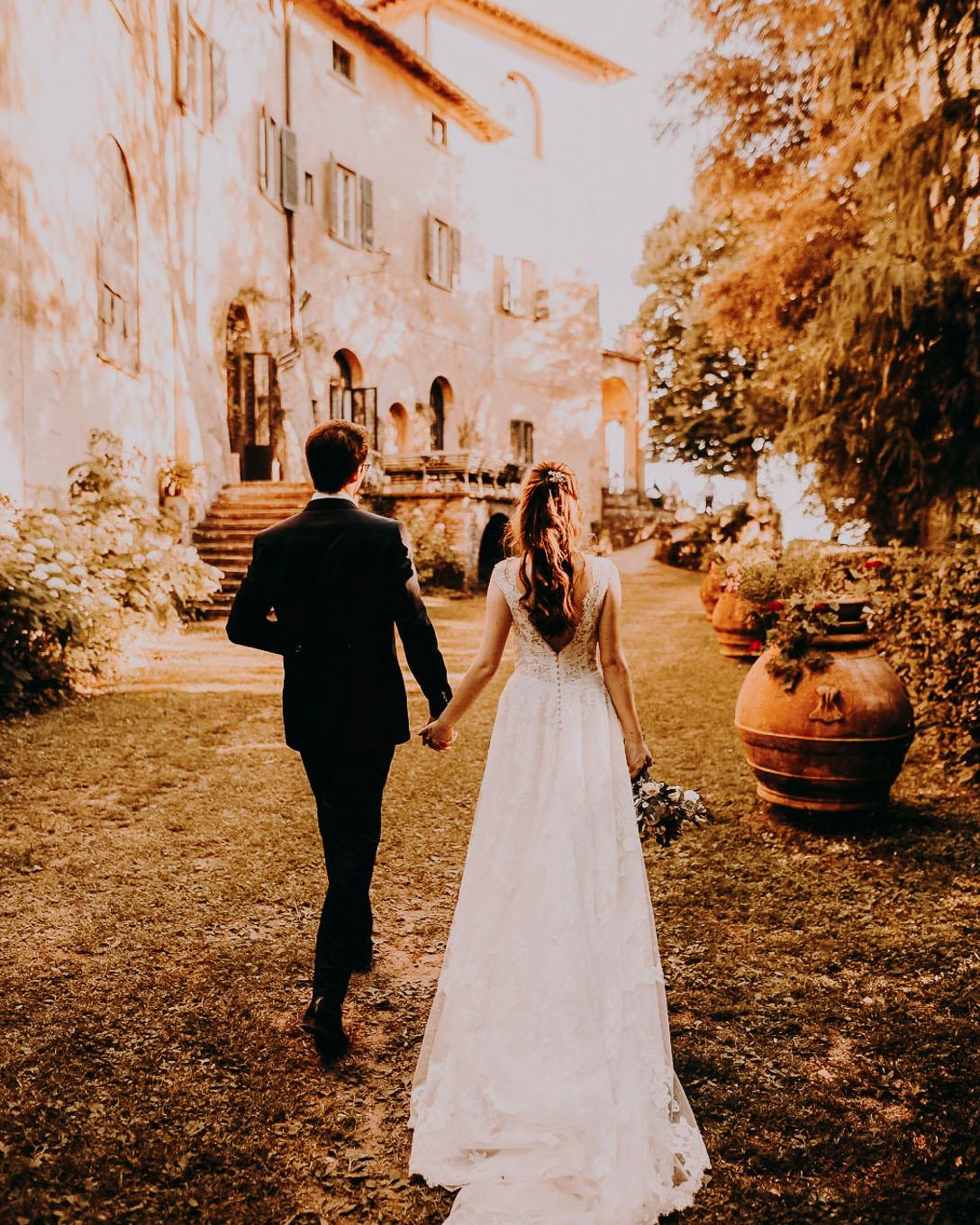
Very little, deliberately. The piano nobile of Villa di Striano does not need direction. The original furnishings, the paintings on the walls, the loggia frescoed by Galileo Chini, the park where the Mendelssohn family walked: these are the frame. The wedding is what fills it.
How Francesco worksGetting to Villa di Striano: Practical Information for International Couples
Villa di Striano is located at Loc. Striano 42, 50032 Borgo San Lorenzo, in the province of Florence, in the heart of the Mugello. Borgo San Lorenzo — the principal town of the Mugello valley, about 30 kilometres north of Florence — is the nearest major town. Florence is accessible by car in approximately 45 minutes, or by train on the line that connects the Mugello to the Florentine rail network. Florence Airport is the most convenient international gateway. For guests arriving for a multi-day wedding stay, the Mugello offers Lake Bilancino for watersports and beach relaxation, the Apennine trails for walking and cycling, the Renaissance towns of the surrounding area, and easy access to Florence for cultural days. The estate is protected by the Soprintendenza ai Beni Culturali and registered with the Associazione Dimore Storiche Italiane — formal recognitions of its cultural and architectural significance that place it among the most important historic residences in the Florentine province.
Villa di Striano: Questions From Couples Planning a Wedding in the Mugello
How does the legal wedding process work for foreign couples getting married at Villa di Striano?
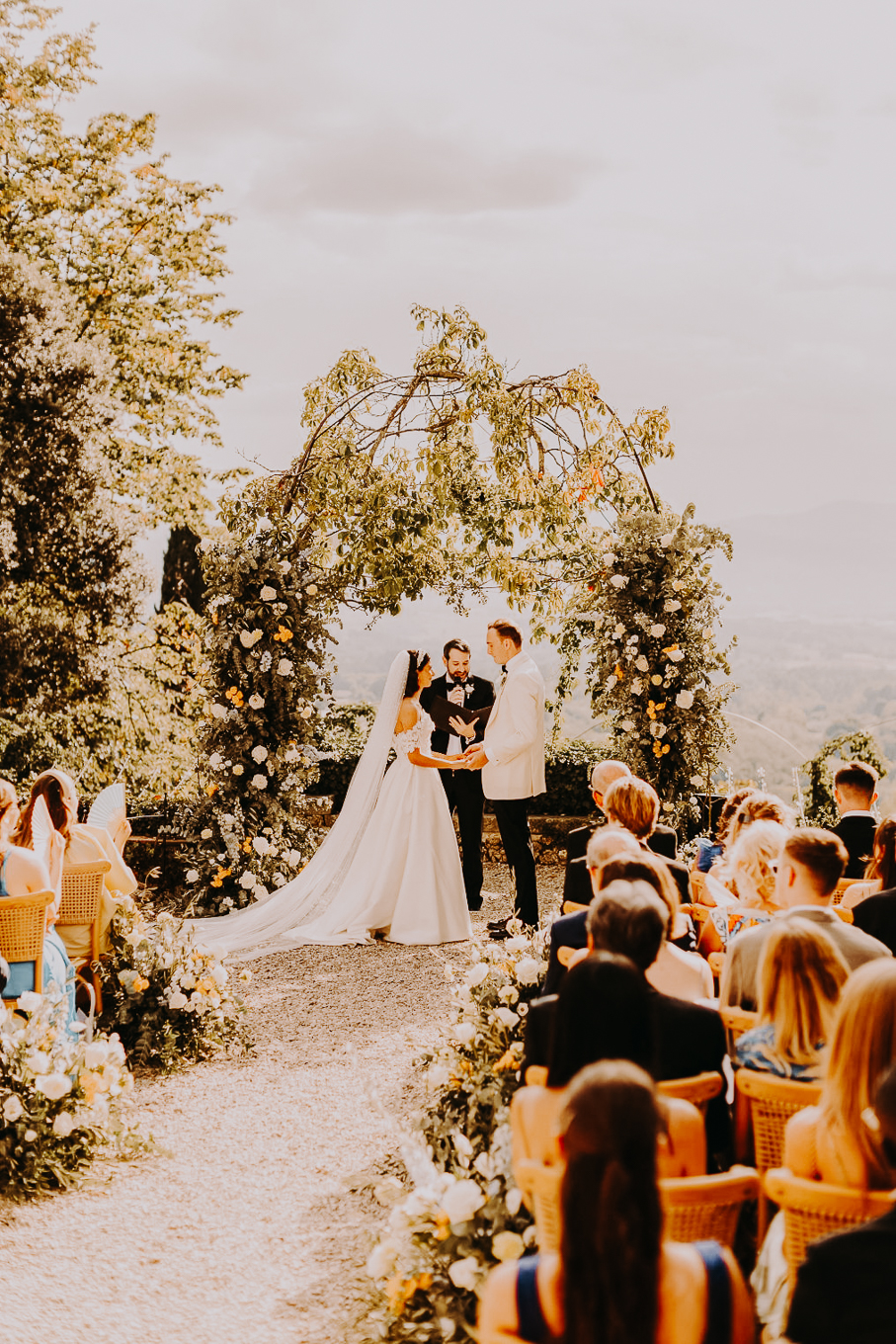
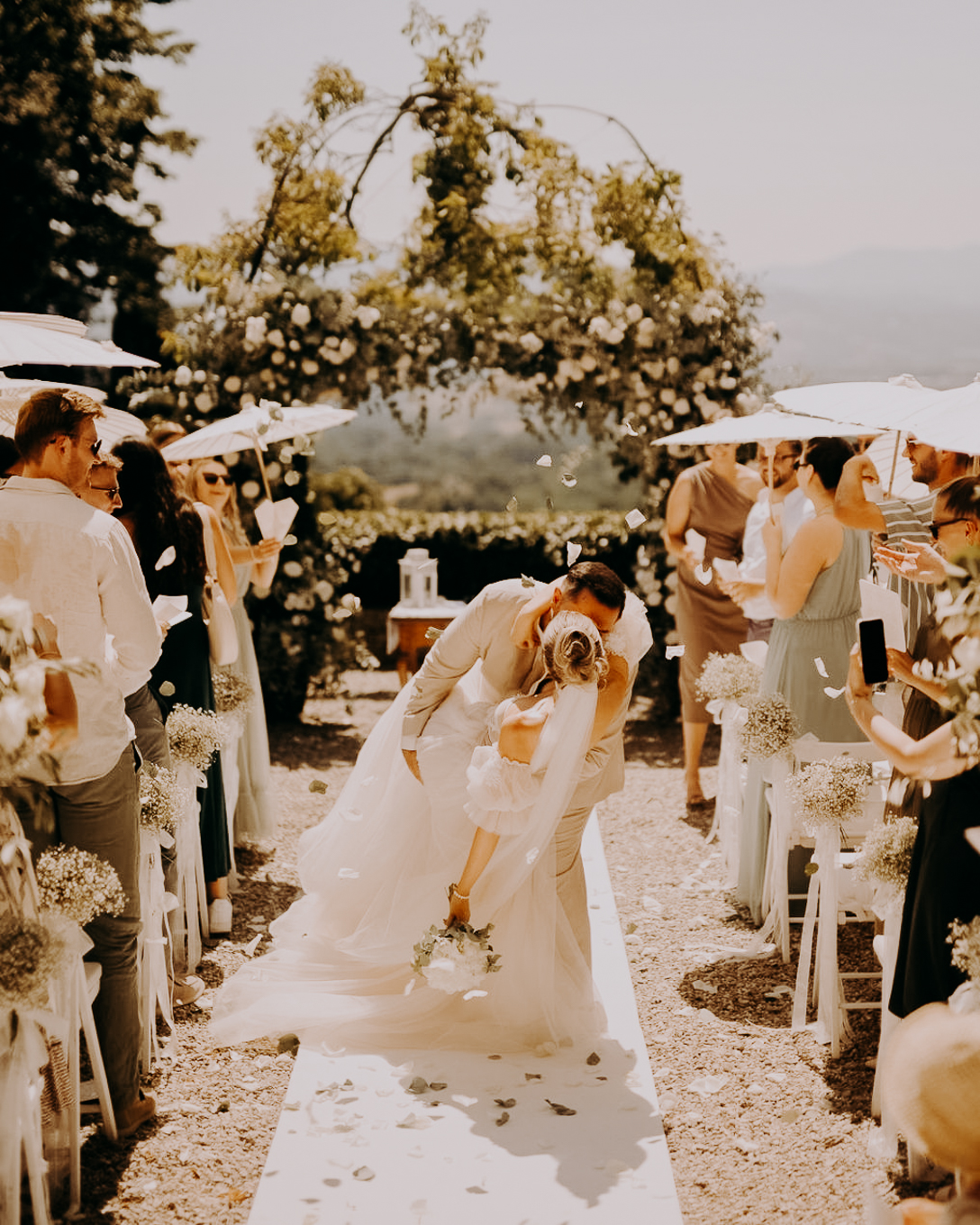
Foreign nationals wishing to marry legally in Italy must begin the documentation process through the Italian consulate in their country of residence several months before the wedding date, with requirements varying by nationality. Whether a civil ceremony can take place directly at the villa or requires a visit to the Comune di Borgo San Lorenzo is something to confirm with the estate team. For symbolic ceremonies and non-Catholic religious rites, the various spaces of the villa — the salons, the loggia, the park, the Belvedere — are available. A locally based wedding coordinator experienced with international couples is strongly recommended for navigating the administrative process.
Who was Michele Gordigiani and what does "the painter of great queens" mean?
Michele Gordigiani (1830–1909) was a Florentine painter whose speciality was portraiture at the highest level of European aristocracy and royalty — he painted members of the ruling families of several European nations, earning the epithet "the painter of great queens." He purchased Villa di Striano in 1875 and undertook its restoration with architect Luigi Del Moro — the same architect who would later complete the facade of Florence's Duomo. The cultural salon that developed around his daughter Giulietta during the following decades became one of the most significant gathering places for European artistic life of the period.
What is the connection between Villa di Striano and the Mendelssohn family?
Giulietta Gordigiani, daughter of Michele, married Baron Robert von Mendelssohn — a cellist and grandson of the composer Felix Mendelssohn Bartholdy. Robert and Giulietta had their primary residence in Berlin but returned regularly to Villa di Striano for the spring and summer months. Their marriage brought the estate into direct connection with the Mendelssohn musical dynasty, and the cultural salon at Striano during this period attracted musicians, writers, and artists from across Europe, several of whom — including D'Annunzio, Toscanini, and Joseph Joachim — are documented visitors.
Who was Galileo Chini and what does his fresco on the loggia represent?
Galileo Chini (1873–1956) was a Mugello-born painter and ceramicist whose work is associated with the Italian Art Nouveau (Liberty) movement. He is known for his decorative ceramic work, his paintings, and his contributions to theatrical and architectural decoration across Italy and internationally. His fresco on the vault of the loggia at Villa di Striano is the estate's most significant single artwork in situ — a decorative painting whose authorship connects the villa directly to the regional artistic tradition of the Mugello in the same period as the Gordigiani restorations.
What is Lake Bilancino and how does it feature in the experience of Villa di Striano?
Lake Bilancino is a large artificial reservoir created in the Mugello in the 1980s as part of a water management project for the Arno basin. It has since become one of the most characteristic features of the Mugello landscape, used for sailing, windsurfing, swimming, and kayaking, and its surface reflects the sunset light in ways that have made it a landmark of the valley's visual identity. From the Piazzale Belvedere at Villa di Striano, the lake is visible in the distance, extending across the valley floor. For wedding guests spending several days in the area, the lake is one of the most distinctive outdoor destinations available — genuinely unusual for a Tuscan wedding stay, where the more common excursion options are wine estates and hill towns.