The Land Where the Black Rooster Decided Who Owned the Chianti: Getting Married at Borgo di Pietrafitta, Castellina
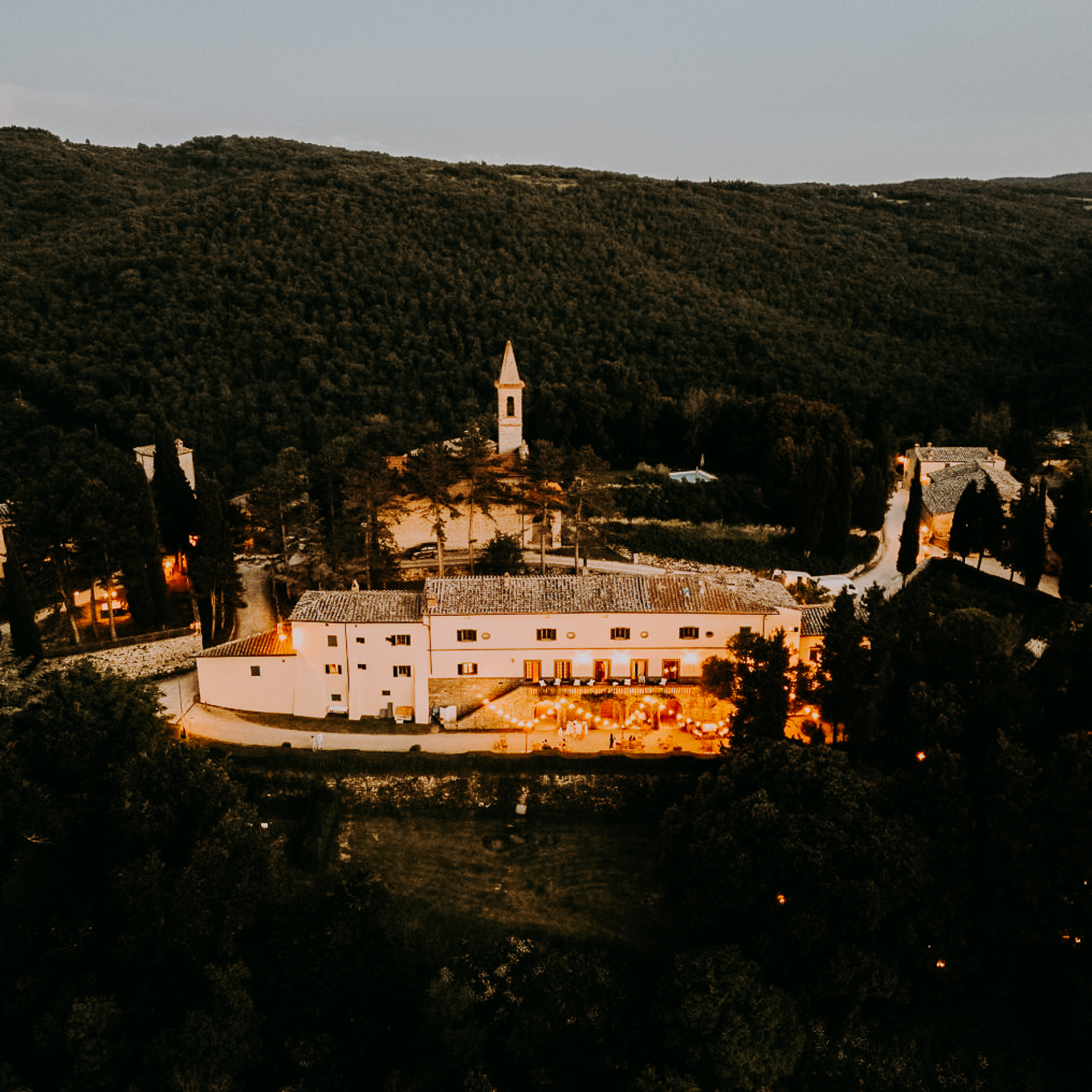
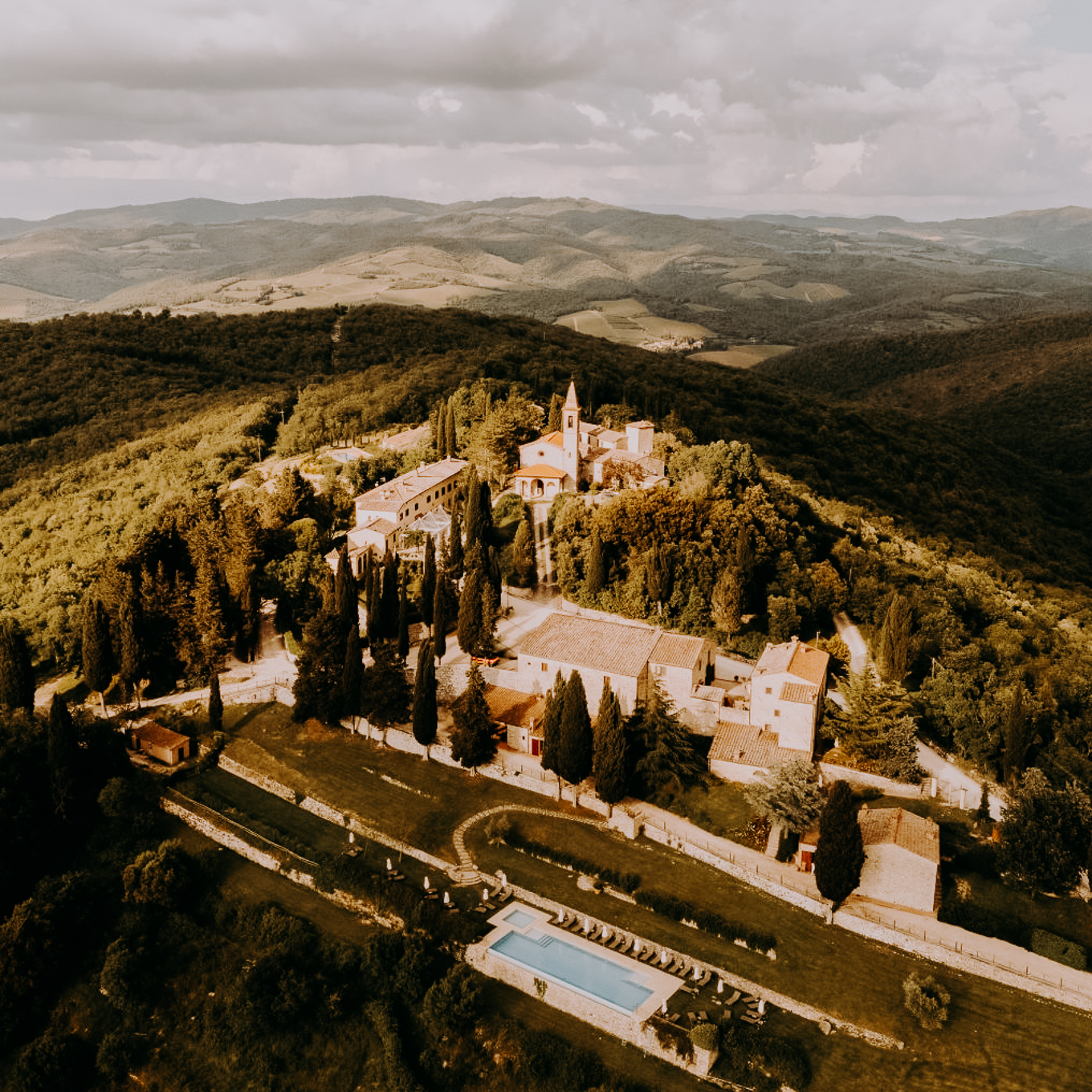
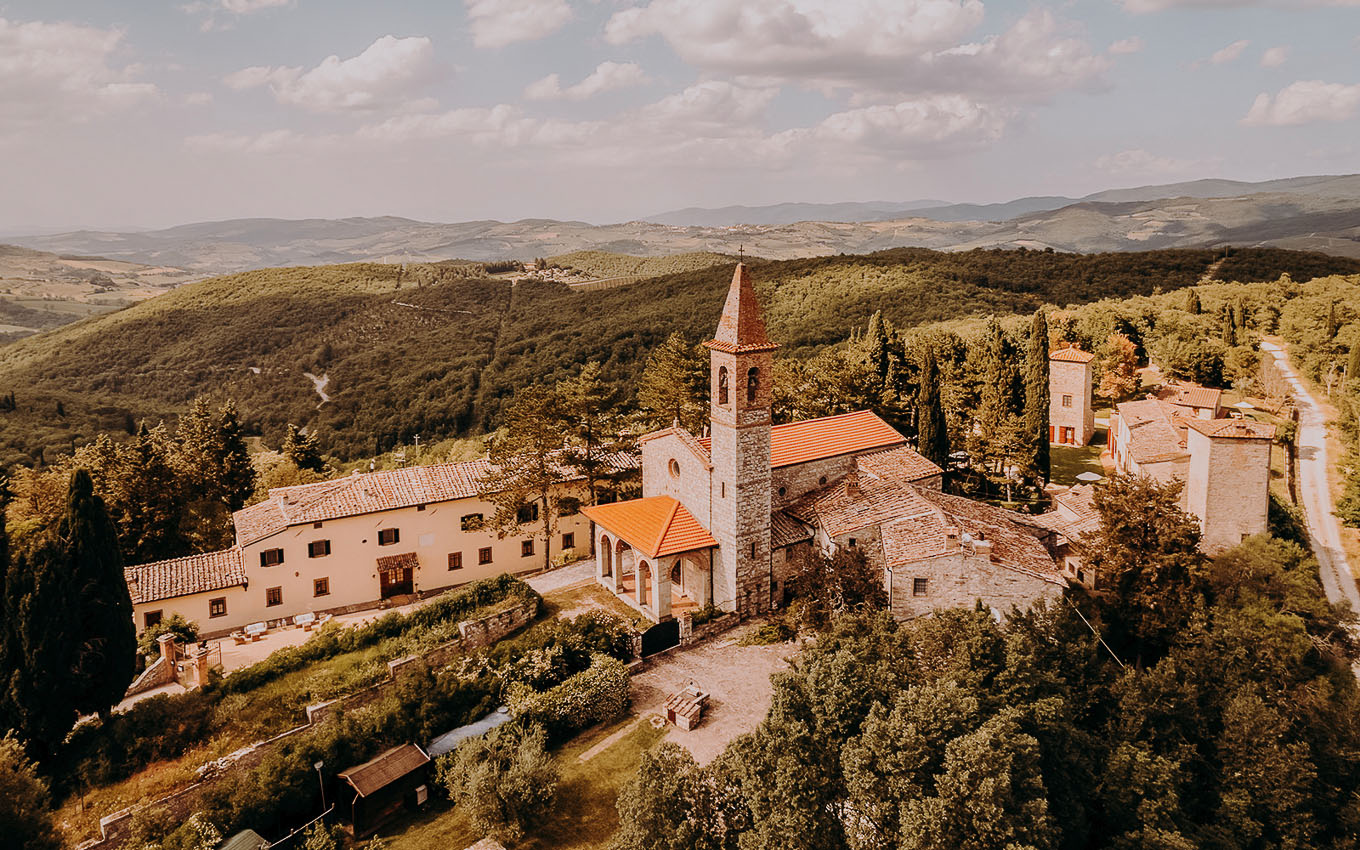
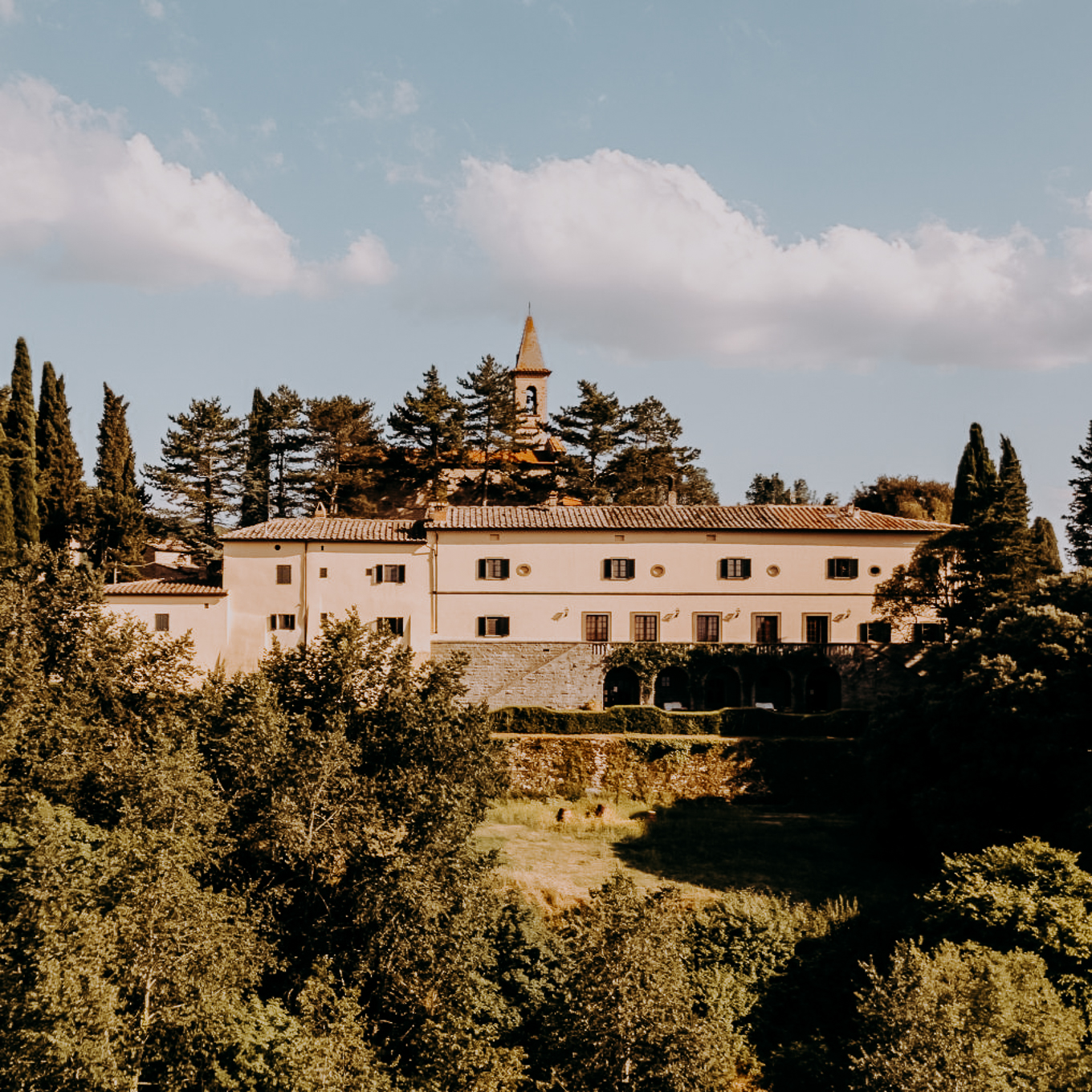
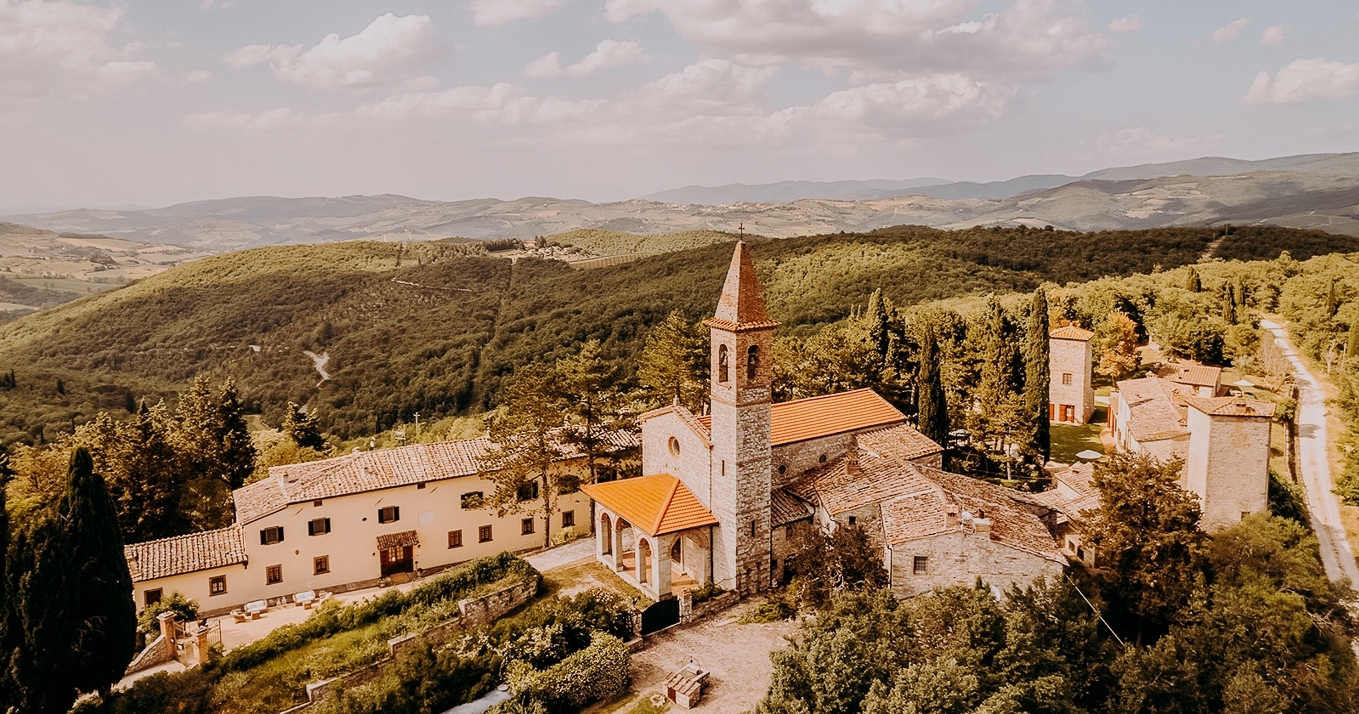
The story goes like this: Florence and Siena could not agree on the boundary between their territories in the Chianti. They settled it with a race. Each city would release a rooster at dawn, and a rider would set off from each city following the rooster's crow; wherever the two riders met would become the border. The Florentines chose a black rooster and starved it for days. It crowed in the middle of the night, before dawn, and the Florentine rider left hours before the Sienese. The two riders met deep in what had been Sienese territory. Florence won most of the Chianti. The black rooster became the symbol of the Lega del Chianti — and today it is the symbol of the Chianti Classico Consorzio, printed on every bottle of wine produced within the appellation. Borgo di Pietrafitta, on a hill above Castellina in Chianti in the province of Siena, is in the exact territory where this boundary was contested and this story is told. The borgo was a documented waypoint on the Via Francigena pilgrimage route to Rome between the twelfth and thirteenth centuries. The Etruscans built a fortified arx here. Emperor Frederick Barbarossa assigned it to the Abbey of Passignano in the twelfth century. In 1943, the German command established a field hospital within its walls. For international couples planning a destination wedding in Tuscany who want to celebrate in a medieval borgo at the historical and geographical heart of the Chianti Classico — a place that carries, in its stones and its story, the entire biography of this wine territory — Borgo di Pietrafitta is the most layered and most genuinely rooted option available in this part of the Sienese hills.
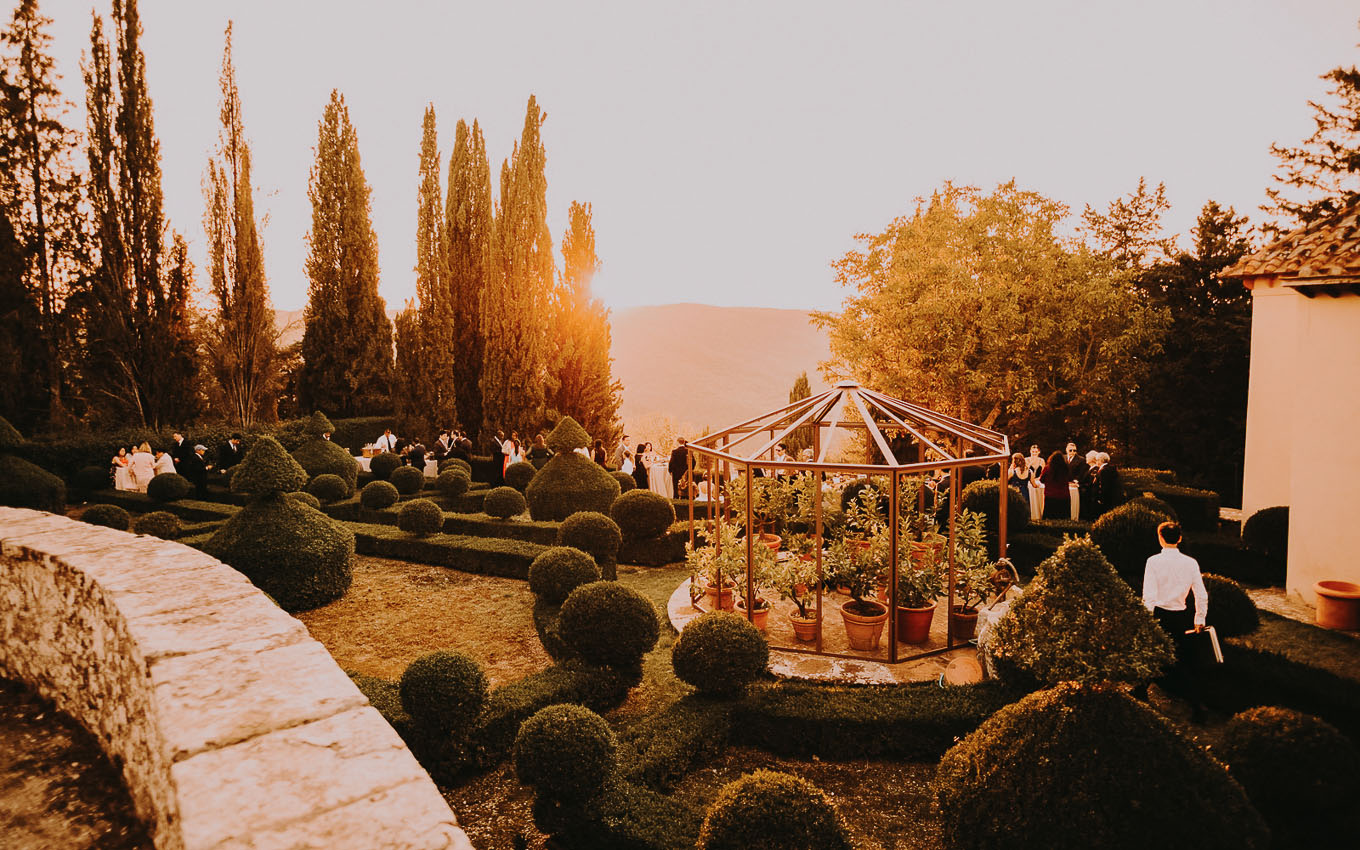
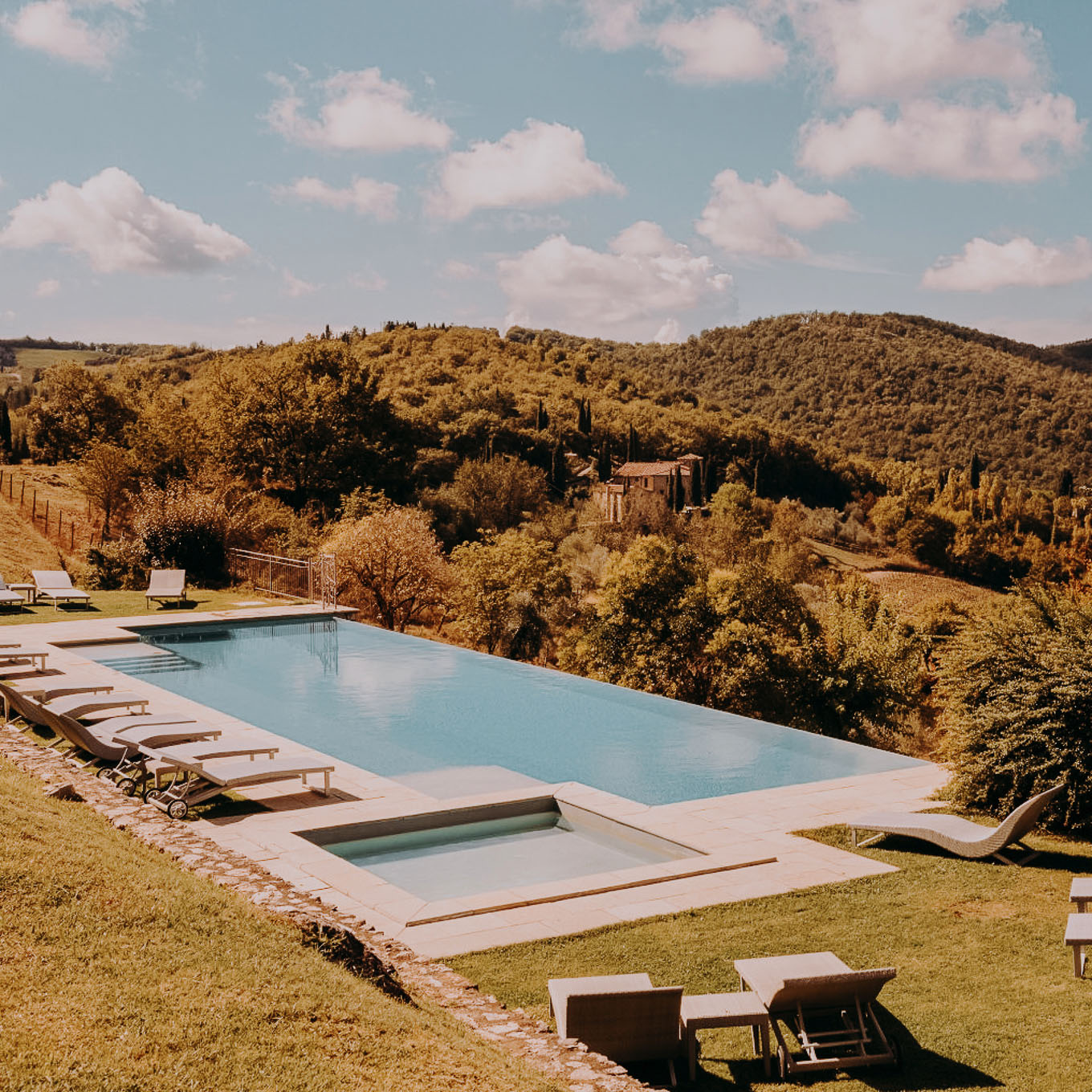
I photograph weddings across the Chianti Classico as a wedding photographer in Tuscany, and Castellina in Chianti — the hill town at the southern end of the Chianti Classico zone, surrounded by the vine rows that give this appellation its specific character — is one of the most densely atmospheric positions available in this territory. The views from the Borgo di Pietrafitta across the Sienese hills on one side and the Florentine hills on the other are a direct expression of the geographical ambiguity that made this land so contested for so long.
From the Etruscans to the Via Francigena: Seven Layers of History in Stone
The history page of Borgo di Pietrafitta reads like an abbreviated history of Tuscany itself. The Etruscans built an arx on this elevated hill between the eighth and fourth centuries BC — a fortified defensive structure whose strategic and religious significance is attested by the archaeological evidence of the settlement, including the discovery of a headless skeleton from the period of the devastating wars between Etruscans, Romans, and Celts in the fourth century BC. The Romans followed, with the Via Cassia running through this territory and the first Christian missionaries arriving in the luggage of the legions. After the barbarian invasions, Pietrafitta fell under Frankish rule. In the twelfth century, in the middle of the Florence-Siena wars, Emperor Frederick Barbarossa assigned the borgo to the Abbey of Passignano — and in 1193 the Florentines established a military garrison here, a sign of the strategic importance of this position on the contested boundary. The borgo's documented role as a waypoint on the Via Francigena — the ancient pilgrimage road from Canterbury to Rome that passed through the Chianti between the twelfth and thirteenth centuries — places it within the most travelled and most symbolically charged route in medieval Western Christendom. Pilgrims rested here, drank the water from the local springs, and continued south toward Rome.
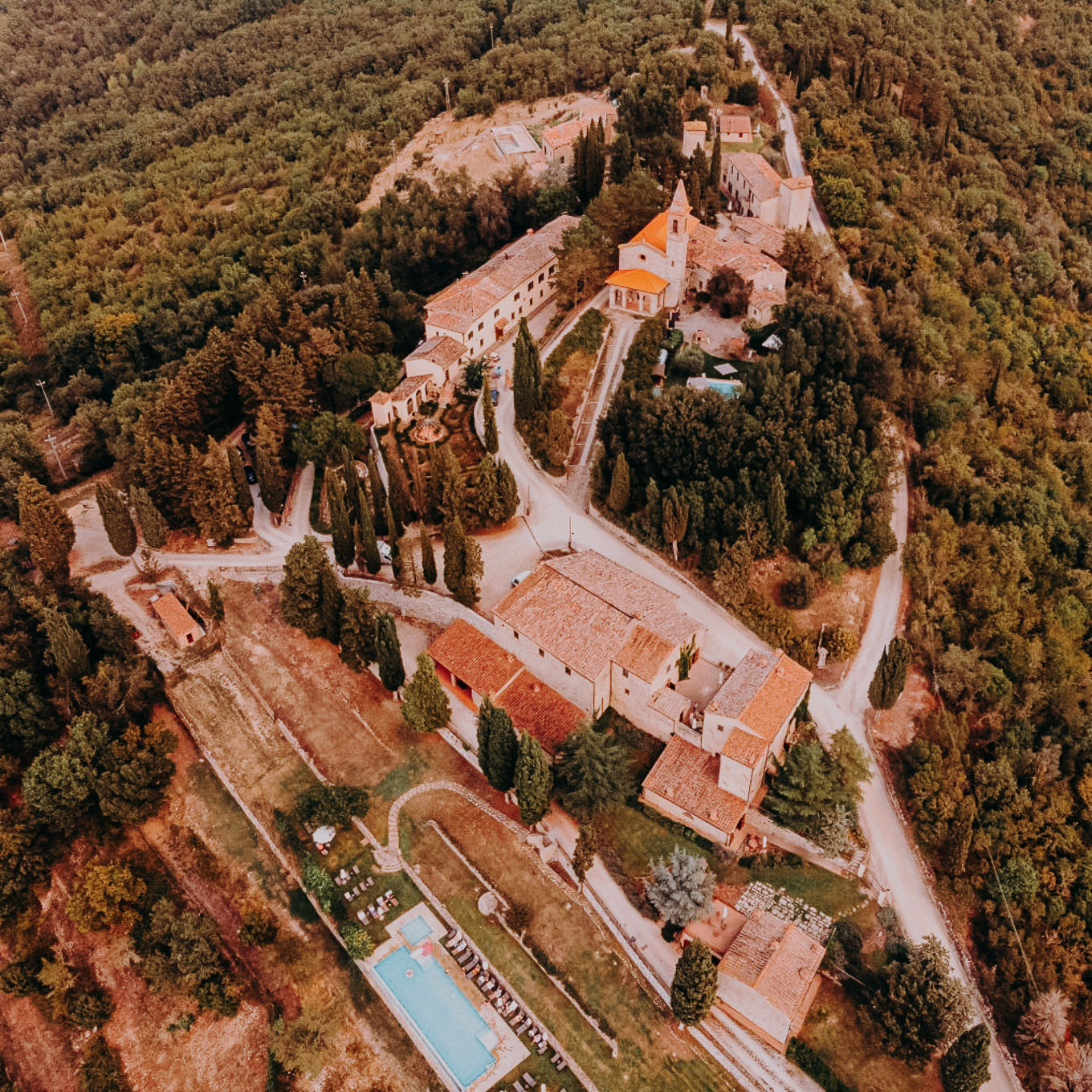
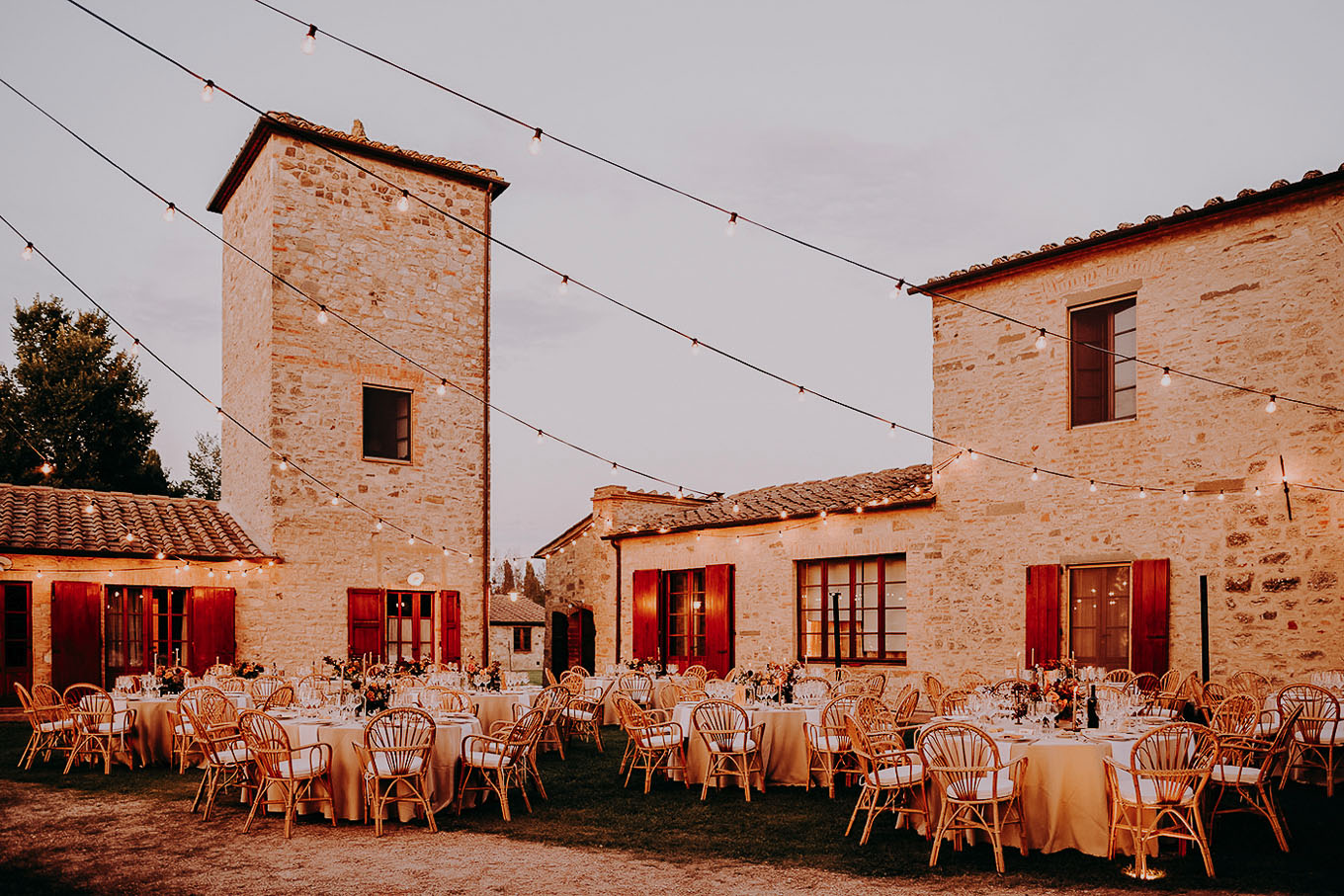
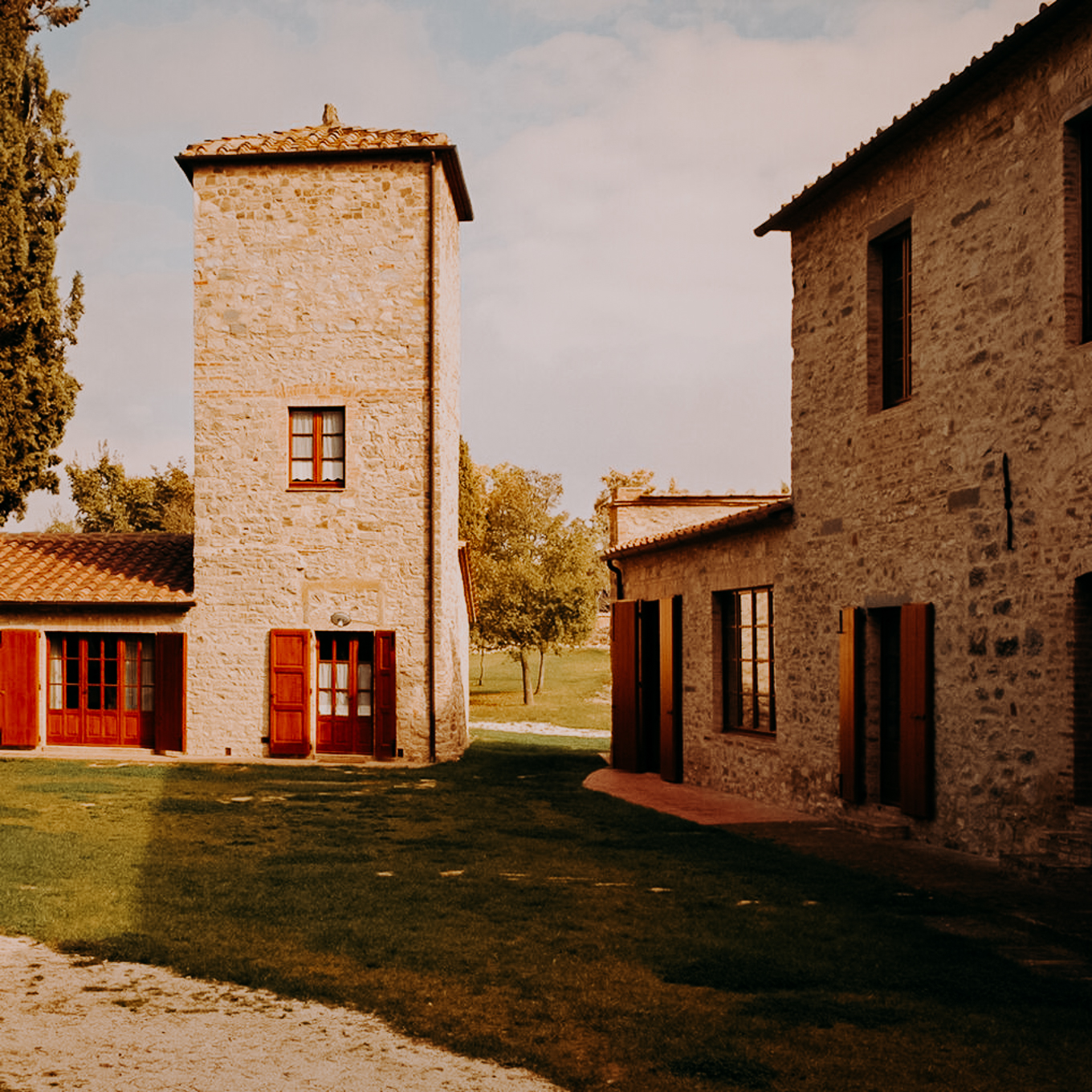
In the sixteenth century the estate became a noble possession, divided between the Uguccioni and Da Cepparello families and unified into a single property in 1889. In 1943, during the Nazi occupation, Pietrafitta was requisitioned as a German command post and field hospital. After the war, the borgo continued as an agricultural centre until the 1980s, when vineyards and olive groves remained as the principal production. Since 2000 it has been restored as a luxury hospitality estate, maintaining the original stone architecture and converting the ancient buildings into apartments and rooms without removing the physical evidence of what each building once was.
The Watchtowers, the Former School, and Twenty-Three Spaces for Guests
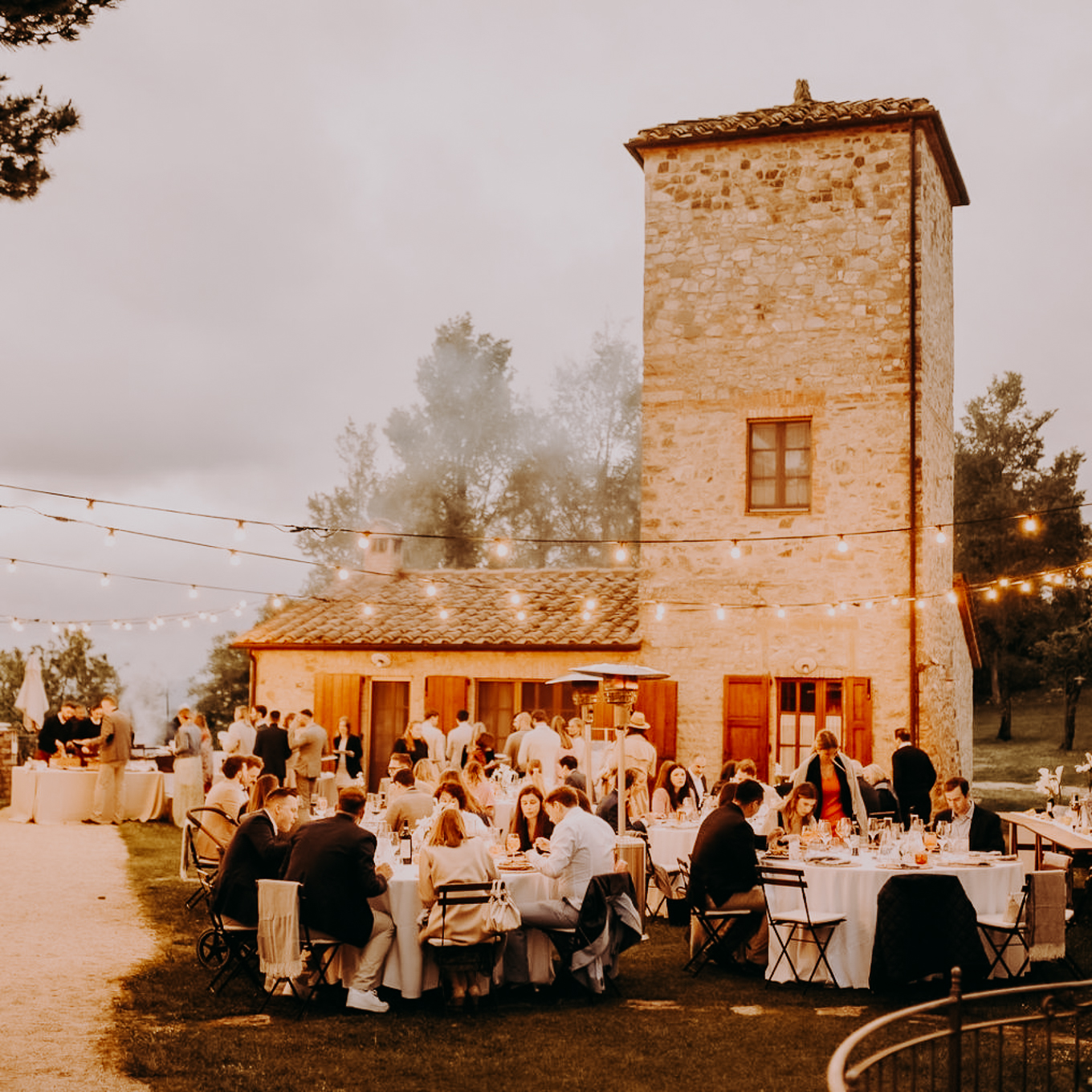
The accommodation at Borgo di Pietrafitta is distributed across twenty-three distinct units — eight rooms in the main manor villa and fifteen apartments recovered from the diverse historic structures of the original borgo. Among those structures: ancient watchtowers, whose defensive function has been entirely transformed while their external form remains intact; a former school building, whose conversion into living accommodation is one of the most specific and most human of the estate's architectural narratives. All apartments are furnished in country-chic style, immersed in the natural environment, in the vocabulary of exposed stone and terracotta that defines authentic Chianti rural architecture. Guests are surrounded by vine rows that produce the estate's own Chianti Classico wines and olive groves that supply the extra virgin olive oil — the same dual production that has characterised this hill since the Etruscans first cultivated it more than two thousand years ago.
The Black Rooster's Wine: Chianti Classico from the Gallo Nero Zone
Borgo di Pietrafitta is within the Chianti Classico production zone — the appellation whose symbol is the Gallo Nero, the black rooster whose crowing established the Florentine dominion over this territory in the famous medieval boundary dispute. The estate's own wines and olive oil are produced from the vines and trees of the surrounding hills and are available for guided cellar visits and tastings. For a wedding dinner where the wine served comes from the vine rows visible from the borgo's terrace, and where guests can learn the specific story of the black rooster and the territory that story defines, the connection between the celebration and the wine is not metaphorical but geographical and historical. The estate's experience of Colazione in Cantina — breakfast served in the wine cellar, among the barrels — is one of the most genuinely unusual hospitality concepts available in the Chianti, and a natural option for the morning of the wedding day or the day after.
The Church of San Jacopo: A Medieval Sanctuary Rebuilt by Its Community
Within the borgo stands the small church of San Jacopo, of medieval origin — the sacred space that served the community of pilgrims and residents who inhabited this settlement for centuries. Semi-destroyed during the Second World War, the church was subsequently rebuilt by the inhabitants of Pietrafitta: a specific and moving act of collective reconstruction that gives this building a layer of meaning beyond its architectural age. For symbolic ceremonies, blessings, and intimate sacred moments within the celebration, the church of San Jacopo offers a setting whose history of destruction and communal rebuilding makes it, in a small and specific way, one of the most humanly resonant ceremony spaces in the Chianti.
The Florentine rooster crowed before dawn and Florence won the Chianti. Is that the kind of detail you want in the story of where you got married?
The black rooster is on every bottle of Chianti Classico. The boundary it established ran through this hill. The Etruscans fortified it. The pilgrims rested here. The Germans camped in it. And now you can get married in it. Photographing inside that kind of accumulated specificity requires the same patience as the rooster's fast: knowing that waiting is part of the work.
How Francesco worksGetting to Borgo di Pietrafitta: Practical Information for International Couples
Borgo di Pietrafitta is located at Loc. Pietrafitta 46, 53011 Castellina in Chianti, province of Siena. Florence Airport is approximately one hour by car through the Chianti. Siena is also accessible within a comfortable driving distance. Castellina in Chianti — the town immediately below the borgo, one of the most characteristic medieval hill towns in the Chianti Classico zone — is minutes from the property. Greve in Chianti, Radda, and Gaiole are all accessible along the Chiantigiana wine road. The borgo is part of the Carattere Toscano hotel group, which also includes Grand Hotel Baglioni in Florence and Roccamare Resort in the Maremma — giving guests who know these properties a familiar standard of quality and service combined with the specific character of the medieval Chianti environment. For guests who want to extend their stay into different parts of Tuscany, the group's Florence properties are a natural continuation of the wedding weekend.
Borgo di Pietrafitta: Questions From Couples Planning a Wedding in the Chianti Classico
How does the legal wedding process work for foreign couples getting married at Borgo di Pietrafitta?
Foreign nationals wishing to marry legally in Italy must begin the documentation process through the Italian consulate in their country of residence several months before the wedding date, with requirements varying by nationality. Whether a civil ceremony can take place directly within the borgo or requires a visit to the Comune di Castellina in Chianti is something to confirm with the estate team. The church of San Jacopo within the borgo is available for blessings and symbolic rites. A locally based wedding coordinator experienced with international couples is the most reliable guide through the administrative process for a legal ceremony in the province of Siena.
What is the story of the Black Rooster and how does it connect to this estate?
According to the medieval tradition recorded by the estate itself, the boundary between Florentine and Sienese territory in the Chianti was settled by a symbolic contest: each city would release a rooster at dawn, and riders would set off following the cock's crow to meet at the border. The Florentines chose a black rooster and deprived it of food for days; it crowed before dawn, and the Florentine rider left hours ahead of his Sienese counterpart, establishing the Florentine border deep in what had been Sienese territory. The black rooster became the symbol of the Lega del Chianti, and today it is the Gallo Nero of the Chianti Classico Consorzio — the mark on every bottle of Chianti Classico wine. Borgo di Pietrafitta sits within this same contested Chianti territory, and the estate documents this story as part of the borgo's own history.
What experiences are available for wedding guests during a multi-day stay at the borgo?
The estate offers guided cellar visits and wine and olive oil tastings, the Colazione in Cantina experience (breakfast served in the wine cellar), cooking classes through the Cesarine network of local home cooks, guided bike tours through the Chianti vine rows and hills, and a Photo4You photography service. Cycling through the Chianti Classico wine roads is one of the most specific and most pleasurable ways to experience this territory, and the bike tour service makes it accessible for guests at any fitness level. Castellina in Chianti and the broader Chianti Classico wine towns are immediately accessible for day excursions.
What is the Via Francigena and why is it historically significant for this estate?
The Via Francigena was the principal pilgrimage route from northern Europe to Rome during the medieval period — running from Canterbury in England through France and into Italy, passing through Tuscany on its way to the Eternal City. Between the twelfth and thirteenth centuries, Borgo di Pietrafitta was documented as a waypoint on this route, sheltering pilgrims making the journey in both directions. The Via Francigena was one of the most heavily travelled roads in medieval Christendom, carrying not only pilgrims but merchants, clerics, armies, and ideas between northern Europe and Rome. For a wedding venue, the role of this borgo as a waypoint on that route gives its medieval stones a specific and verifiable connection to the broader history of European civilisation.
What is the Colazione in Cantina experience and when can it be included in a wedding stay?
Colazione in Cantina — breakfast in the wine cellar — is one of the estate's signature experiences: a meal served among the barrels of the Pietrafitta Winery, combining the typical elements of an Italian breakfast with the sensory environment of the cellar. It is available by reservation and is a natural choice either for the morning of the wedding day, when guests are gathering before the celebration begins, or for the morning after, when the formality of the event has passed and the stay can unfold at its own pace. Details of scheduling and availability are best confirmed directly with the estate team.