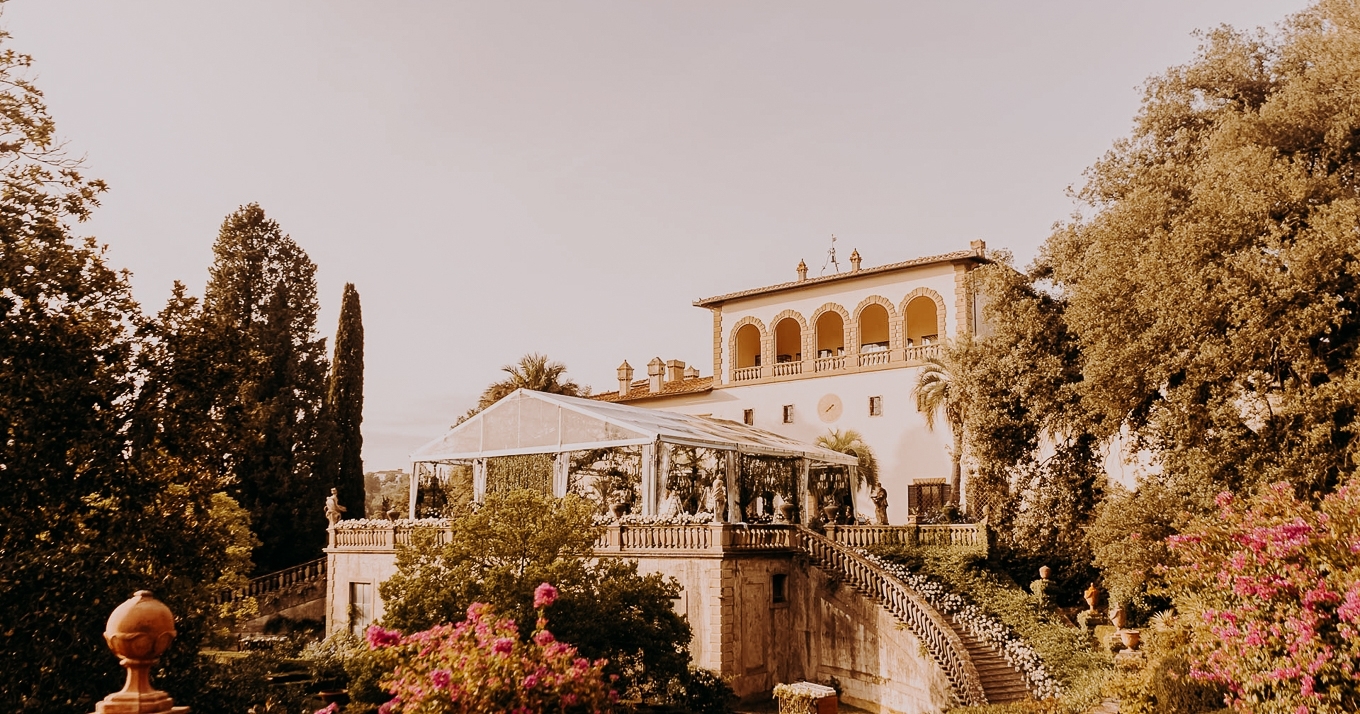
The Garden Giovanni Boccaccio Described in the Decameron, on the Street That Bears His Name: Getting Married at Villa Palmieri, Florence
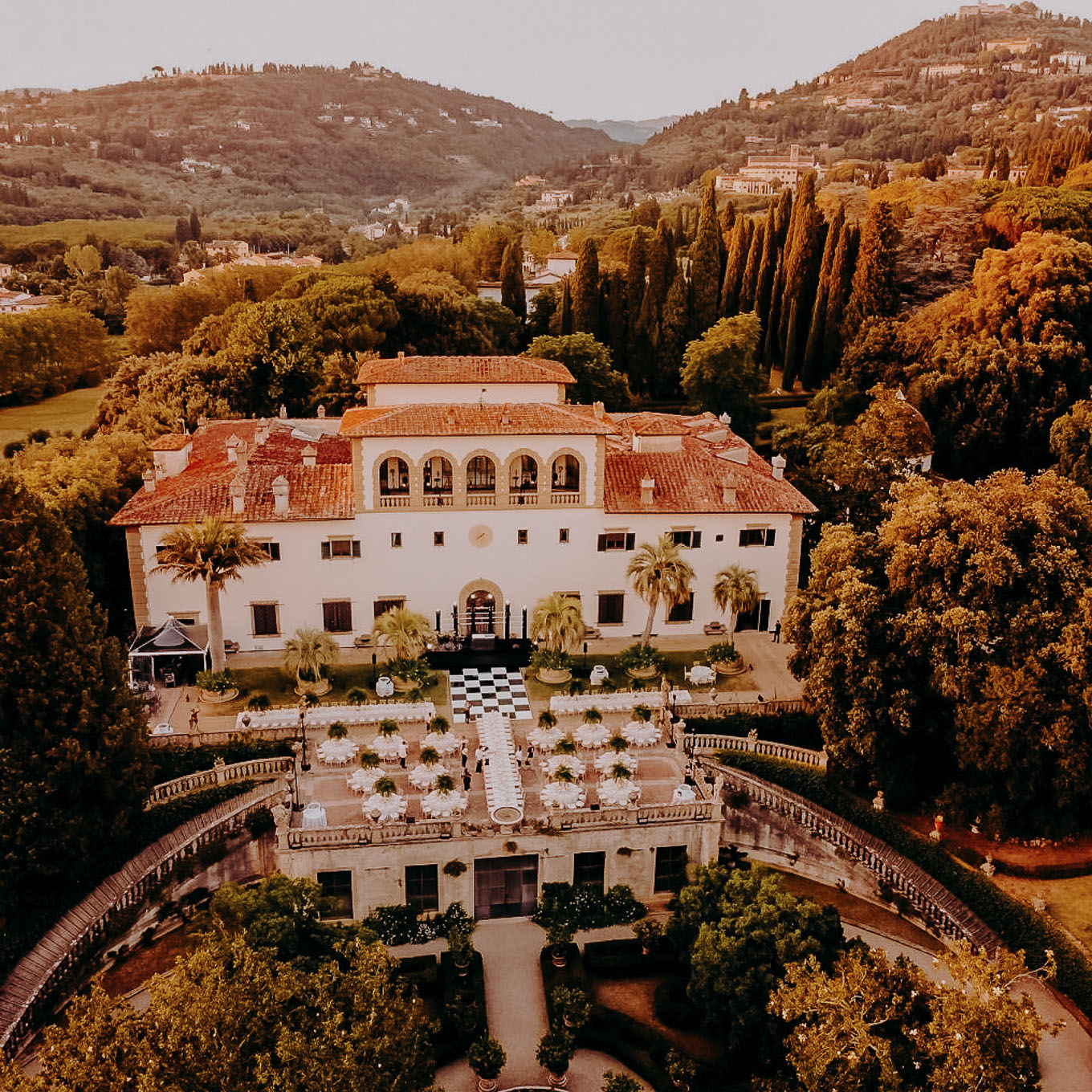
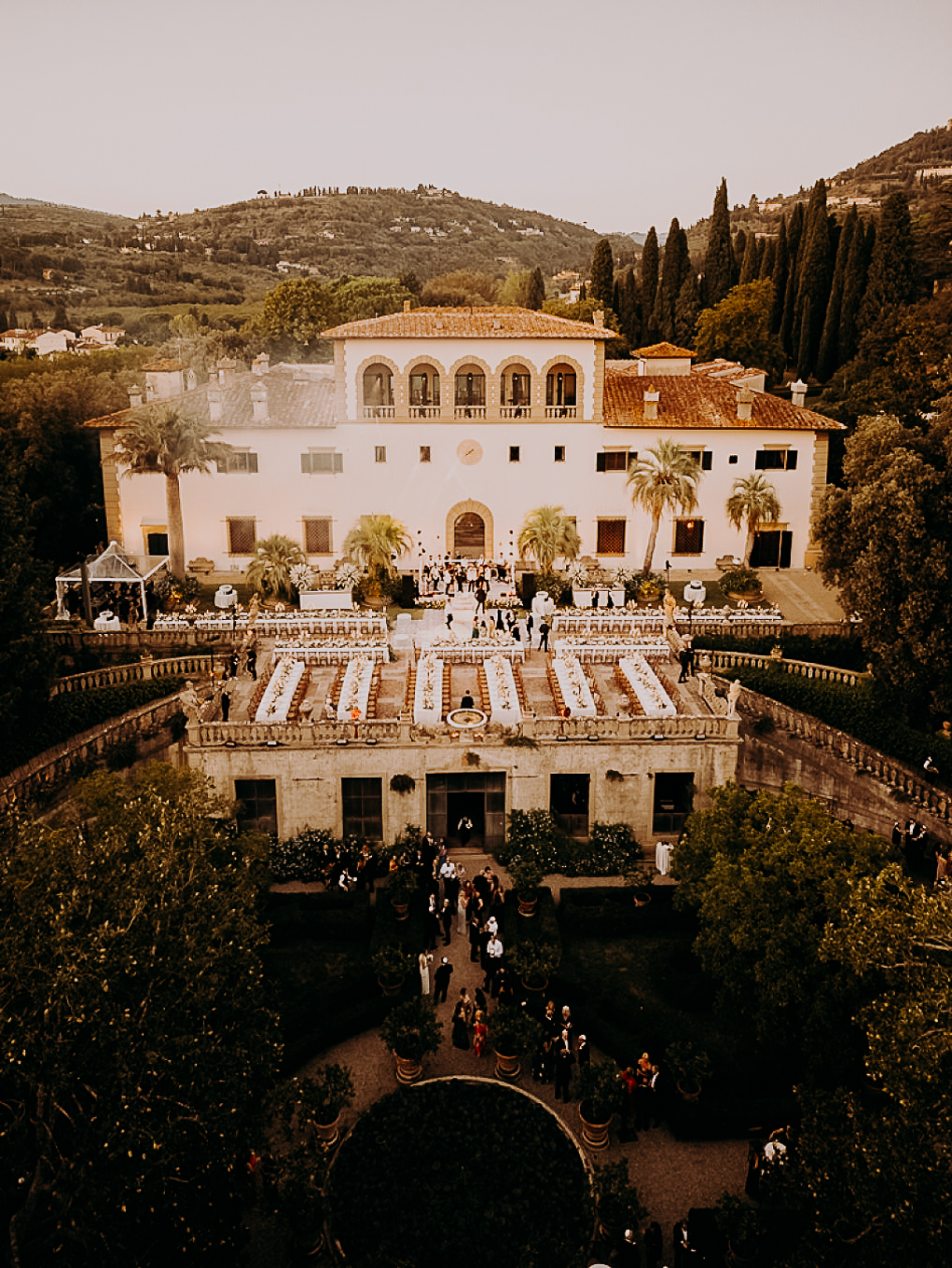
The address is the introduction: Via Giovanni Boccaccio 126. The street takes its name from the writer who, in the Third Day of his fourteenth-century masterpiece, described a paradisiacal garden at the gates of Florence — the garden where the young protagonists of the Decameron gathered to tell one another their stories. The garden he described is the garden of this villa. The identification is not certain in the strict documentary sense — Wikipedia notes, with appropriate scholarly caution, that several properties in the area could have given Boccaccio his inspiration — but it is widely accepted, historically rooted, and gives this property its most resonant cultural claim: that the garden you walk through on the way to the ceremony is, in all probability, the garden that one of the founders of Italian prose literature considered the earthly paradise. For international couples planning a destination wedding in Florence who want to celebrate in a place whose beauty was already famous and already written about in the fourteenth century, Villa Palmieri — on nine hectares of the second largest private park in Florence after the Boboli Gardens, with frescoed interiors, a historic lemon garden, and three documented visits from Queen Victoria — is the most specifically and most literarily resonant option available in the Florentine hills.
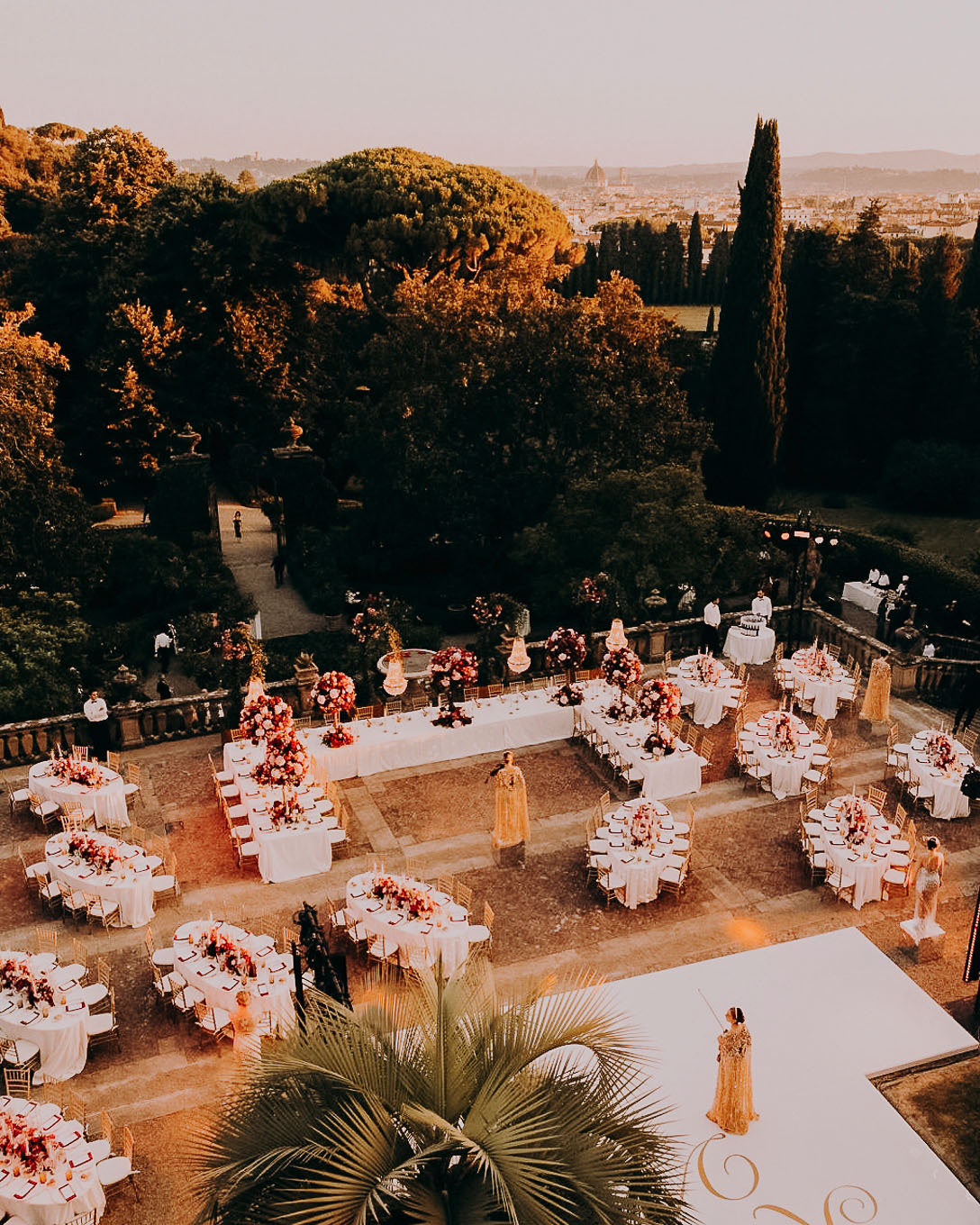
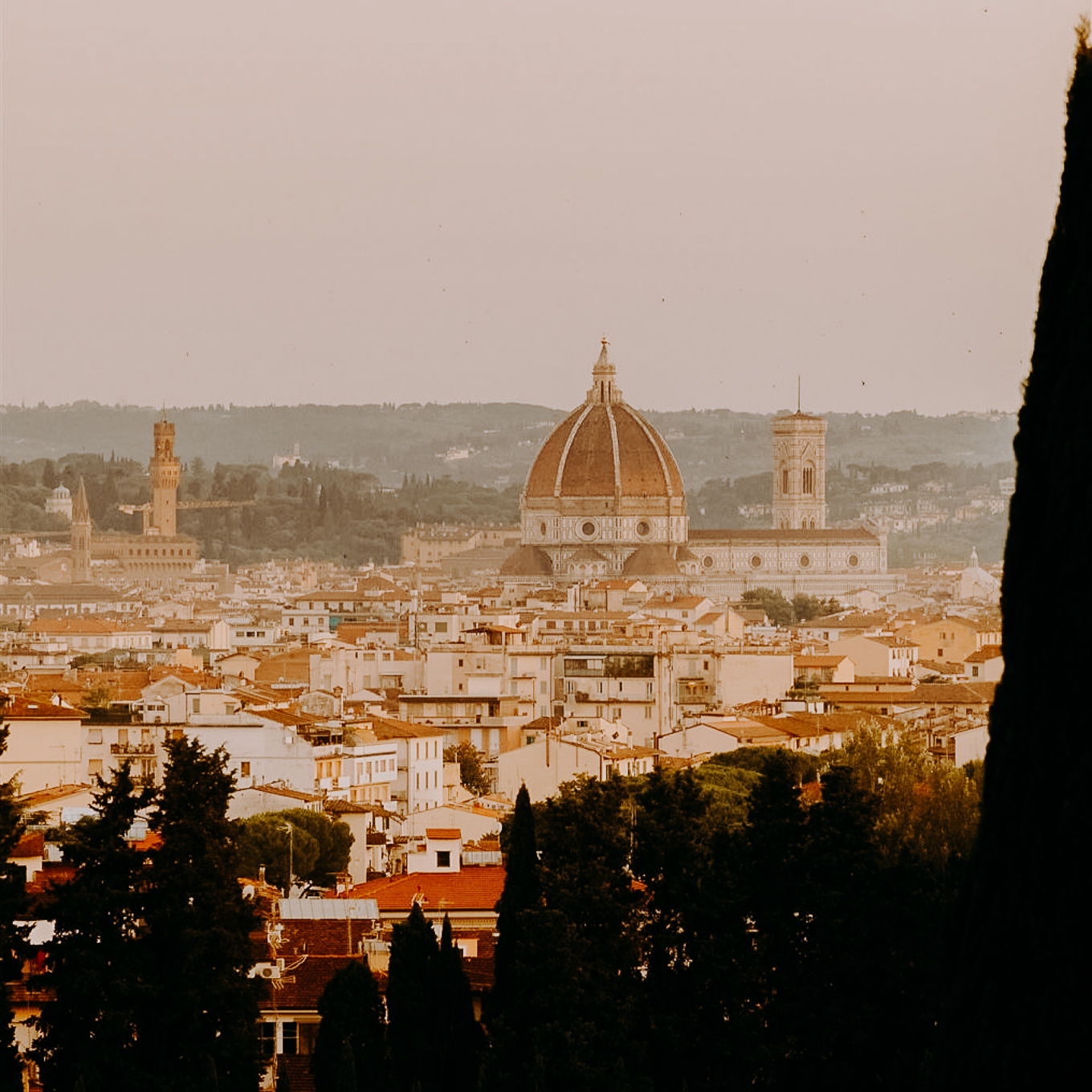
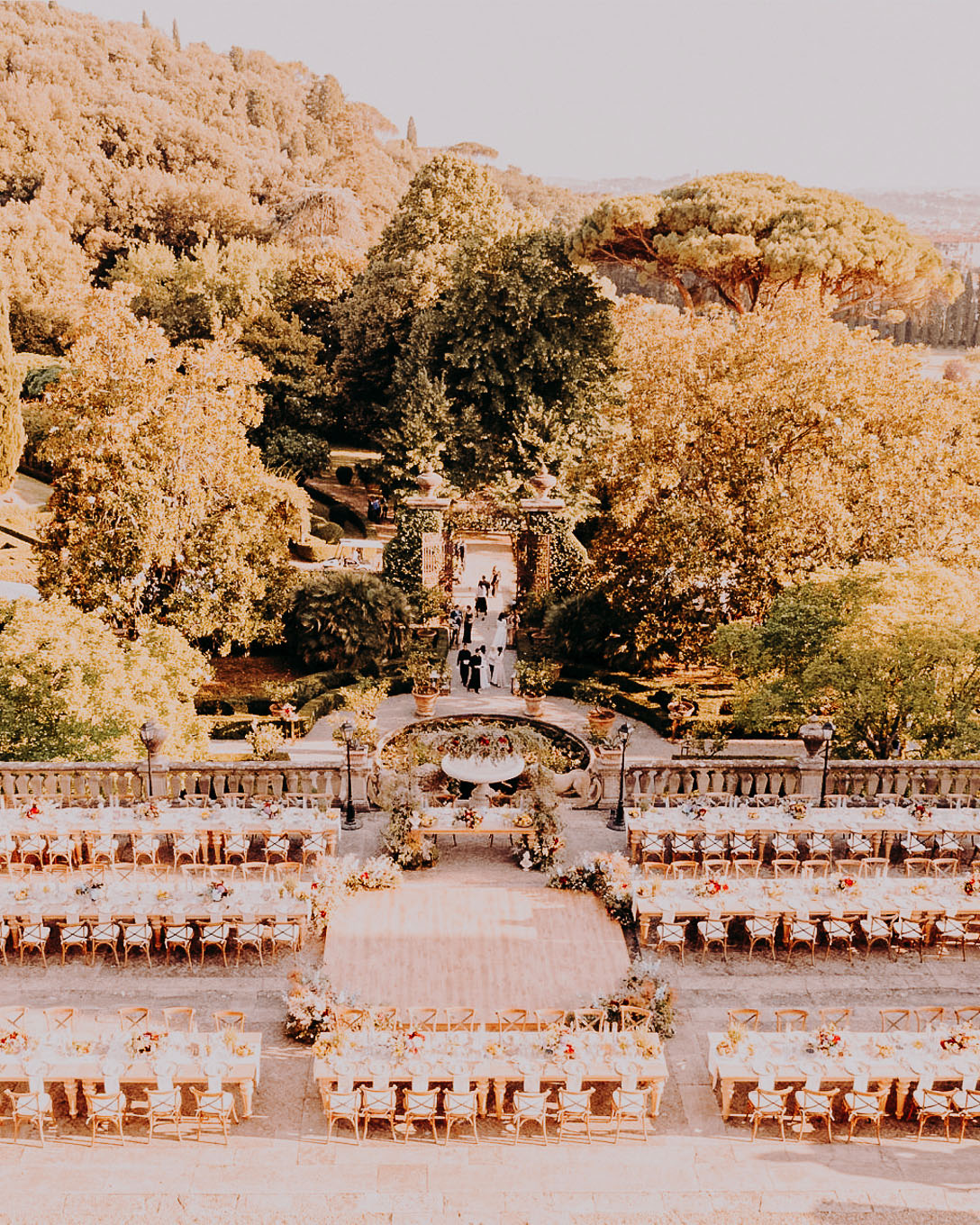
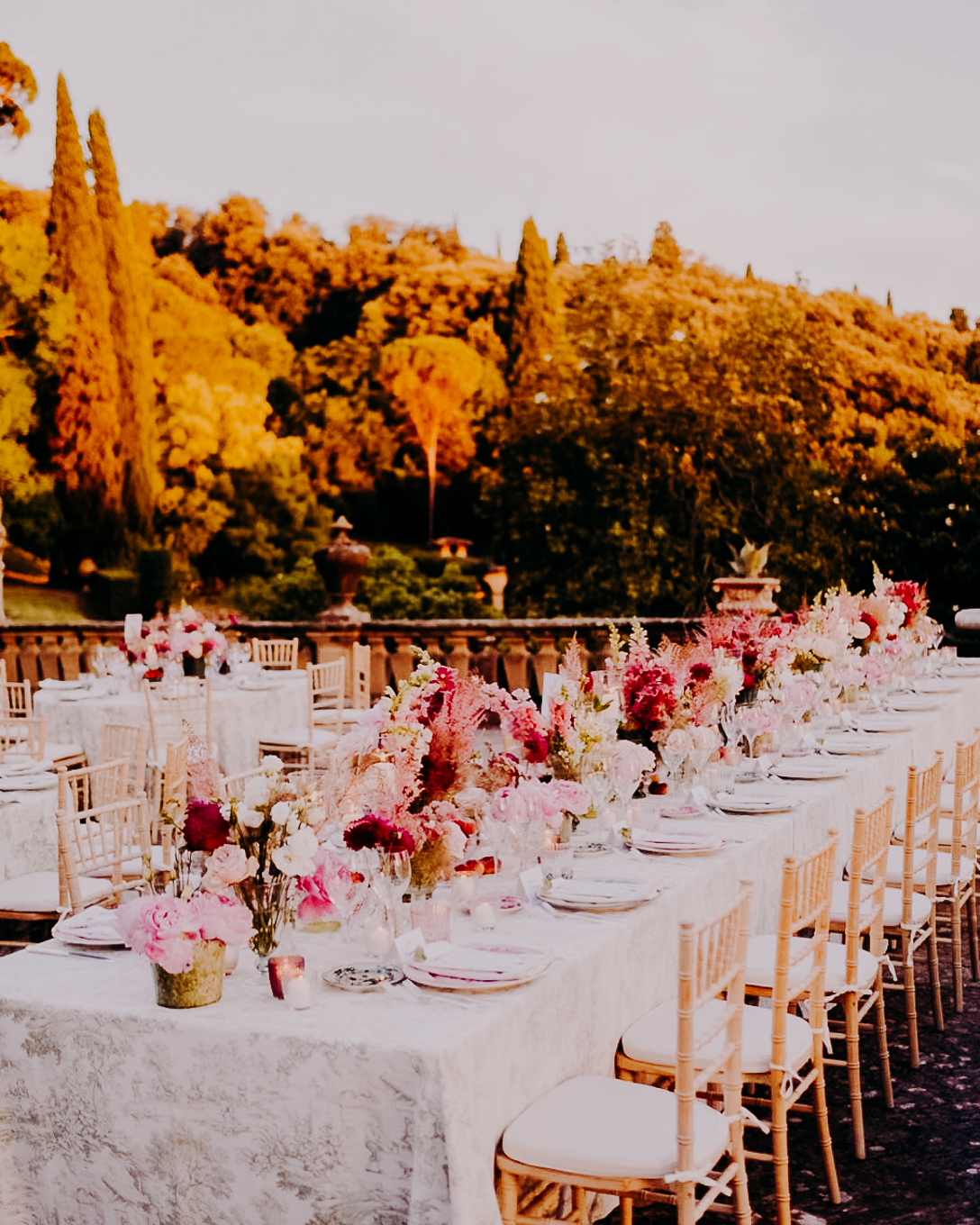
I photograph weddings in and around Florence as a wedding photographer in Florence, and the slopes of Fiesole — where Villa Palmieri stands, overlooking the city from the north — have a quality of afternoon light that descends from the hills into the garden differently from anywhere in the flat city below. The terraced gardens, the lemon trees in their terracotta urns, the view of Florence that opens from every elevated position on the estate: these are the photographic conditions that Boccaccio was trying to describe when he wrote about the garden that looked south toward the city.
From the Fourteenth Century: The Fini, the Palmieri, and the Paradisiacal Garden
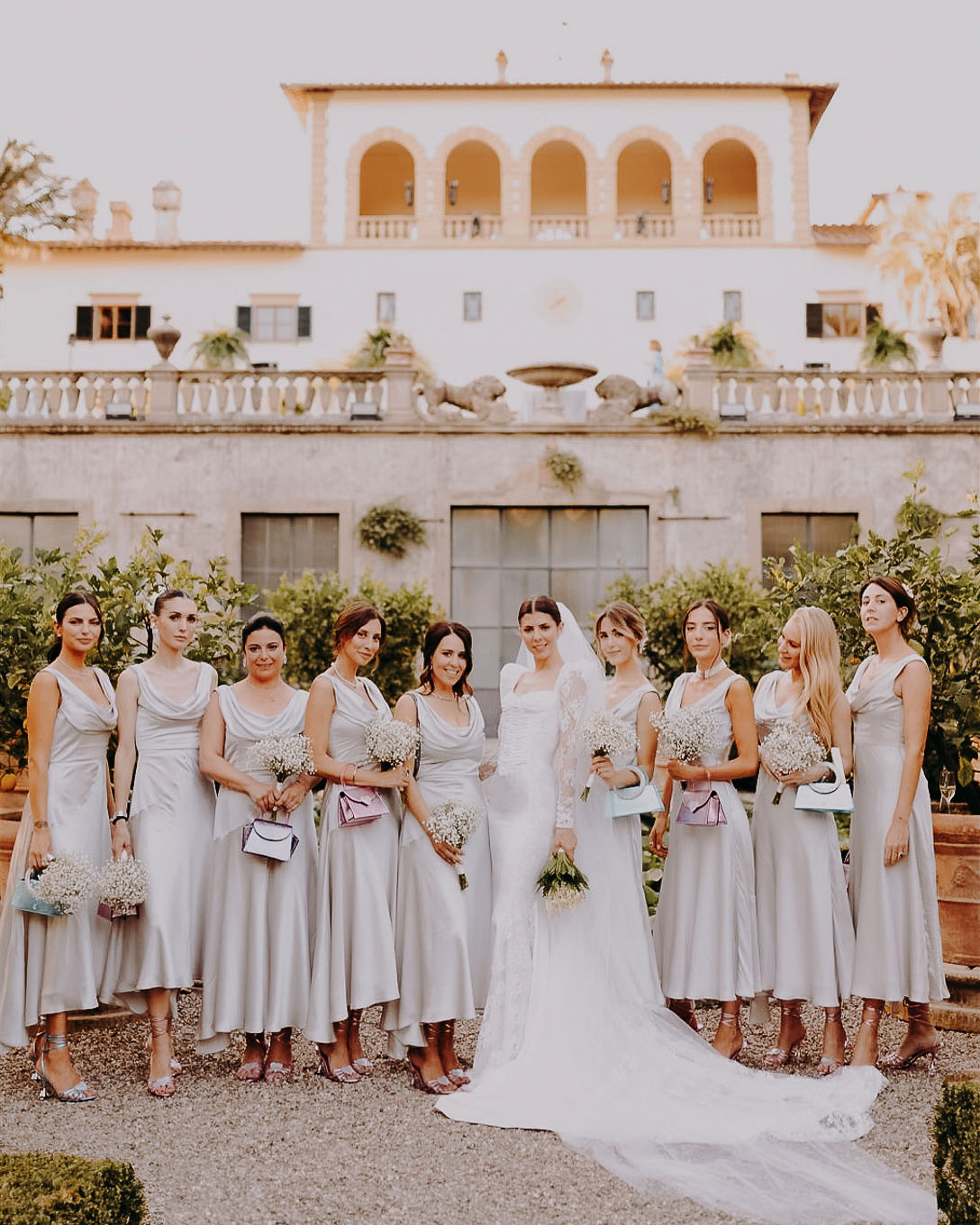
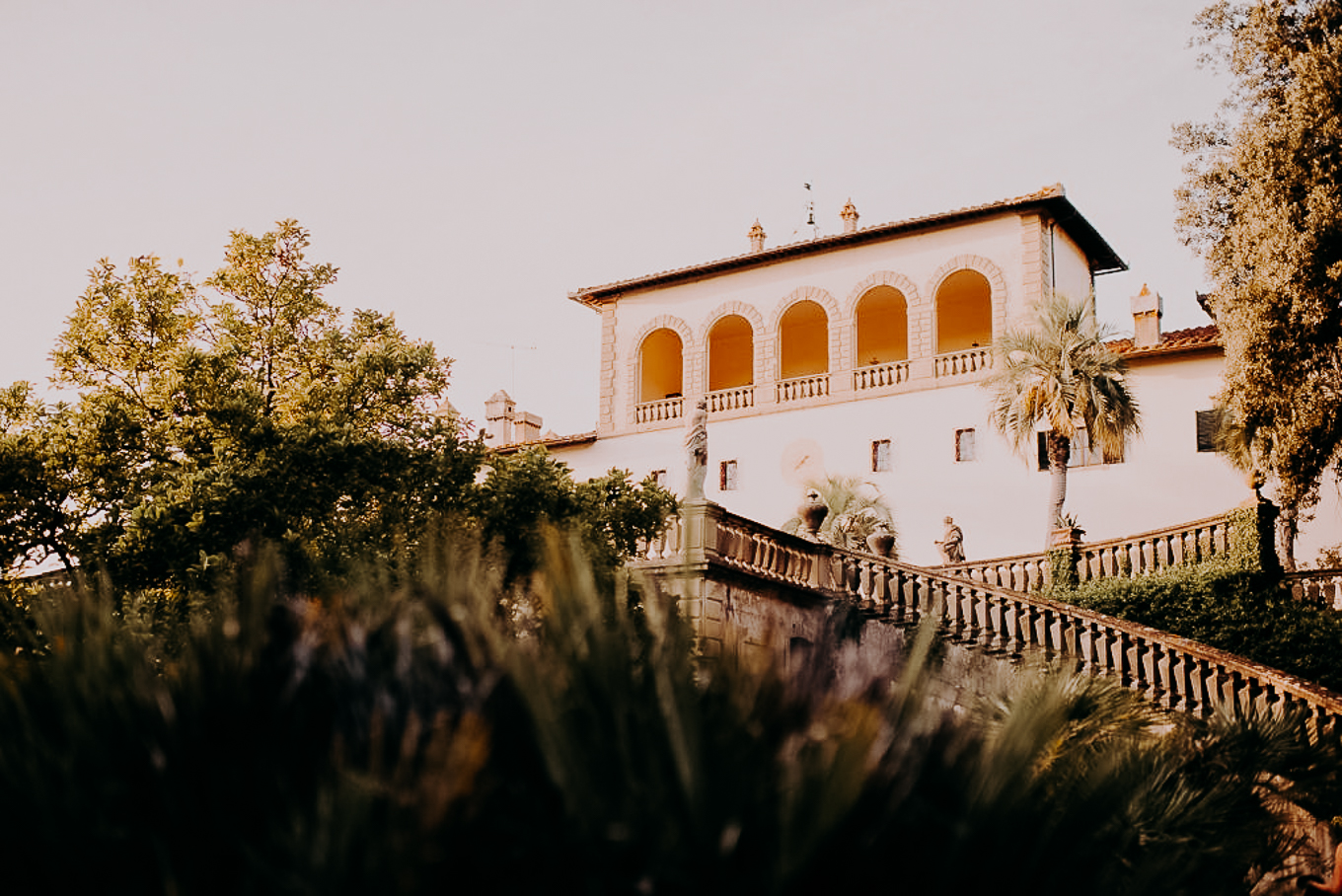
The villa's documented history begins in the fourteenth century, when the property was in the possession of the Fini family. In 1454 it was purchased by Matteo di Marco Palmieri, whose name has identified the estate ever since. The Palmieri family gave the villa the character that Boccaccio had already celebrated — in whatever form the property took at the time of the Decameron's composition — and subsequent owners across the following centuries each left their marks in the architecture, the interiors, and the garden. The interior rooms are decorated with stuccos and ornamental work by Ghilardini, with monumental staircases and paintings by Pandolfo Reschi — a Polish-born artist who became one of the significant figures of the Baroque Florentine painting scene in the seventeenth century. The neo-Baroque chapel within the estate adds a sacred dimension to the architectural programme. The frescoed walls give the interiors the particular quality of painted rooms that were designed for inhabitation rather than for exhibition: the art here is not in a gallery but in the spaces where people lived and received and celebrated.
The Lemon Garden: The Oldest Surviving Part of Villa Palmieri
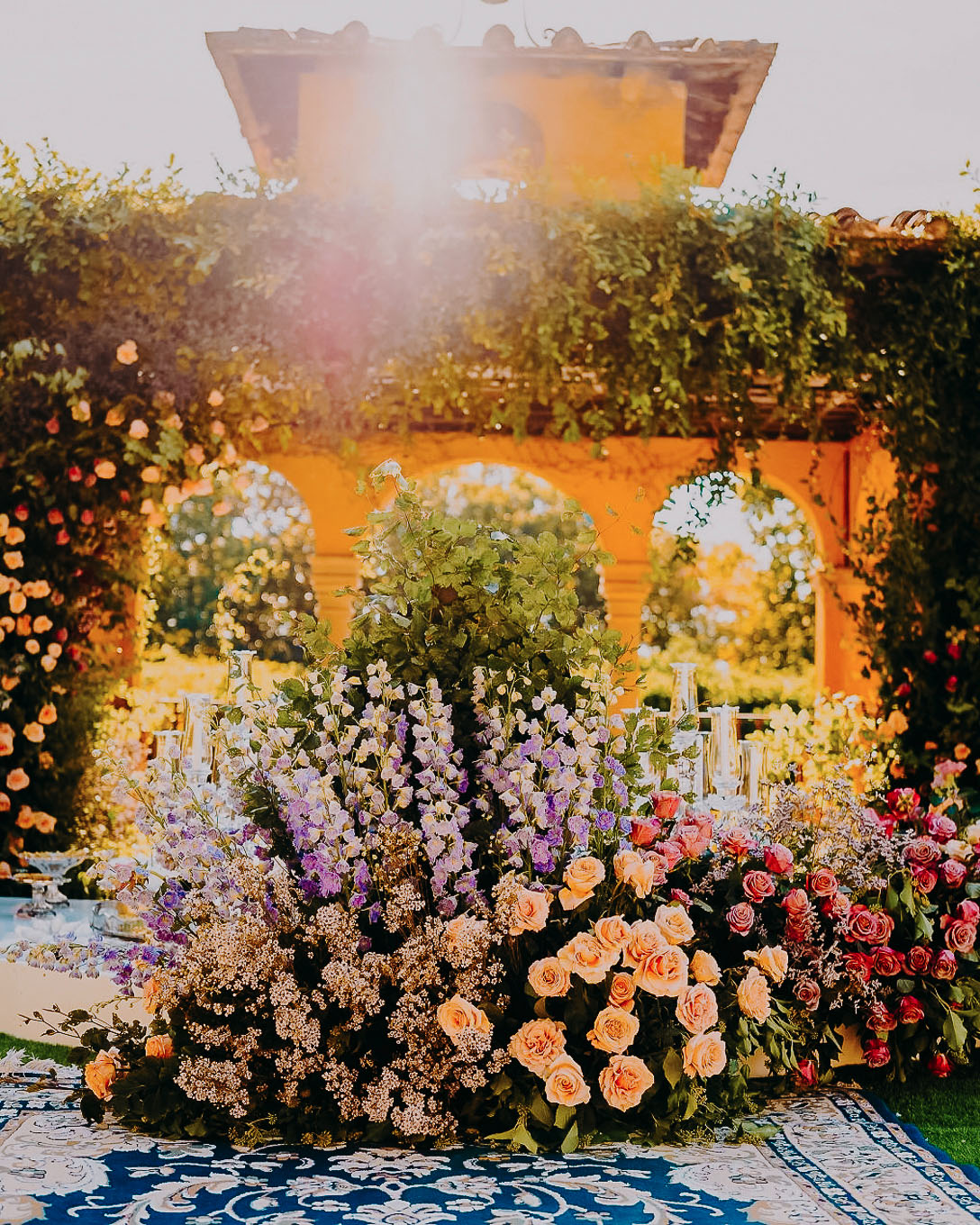
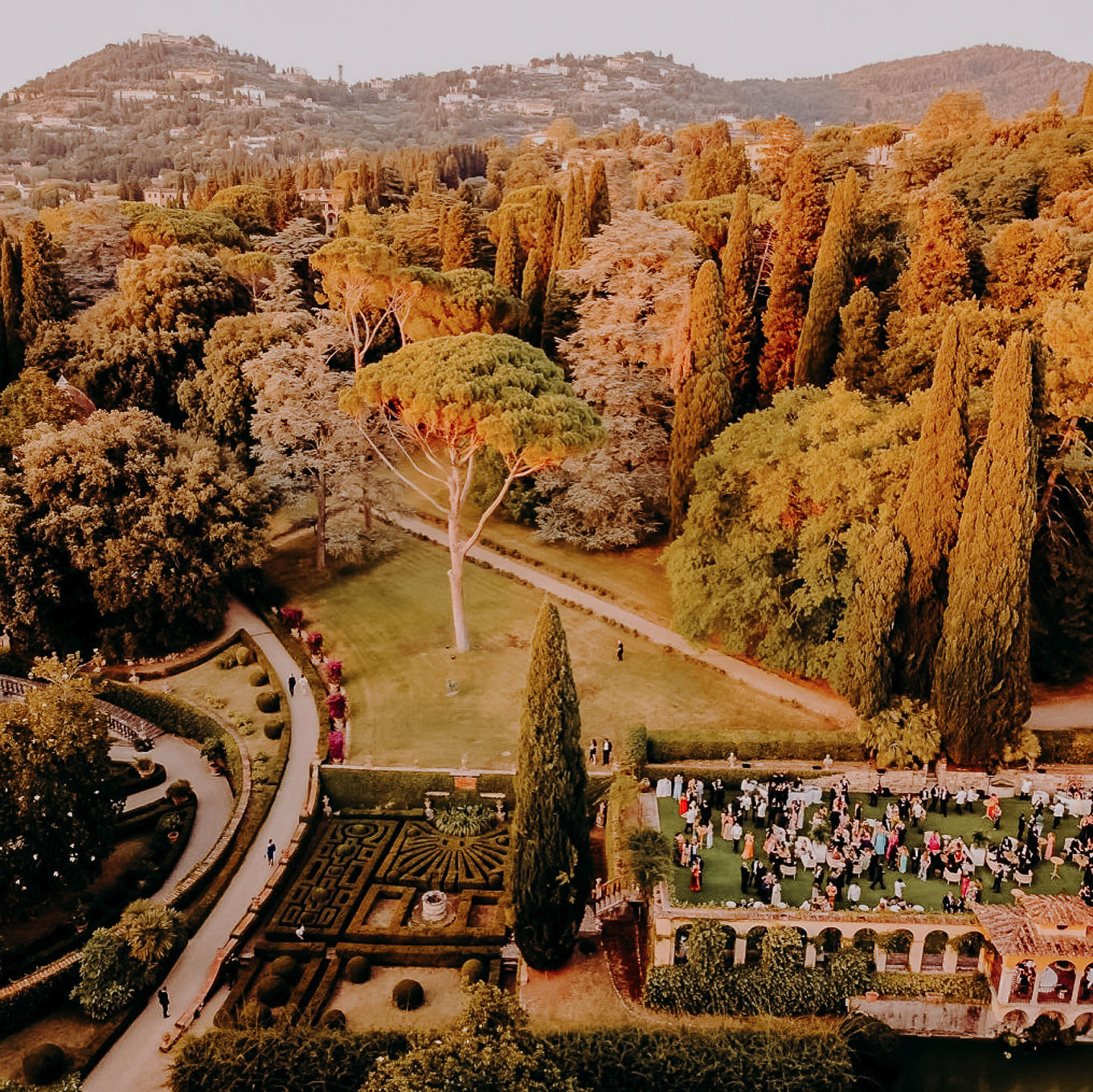
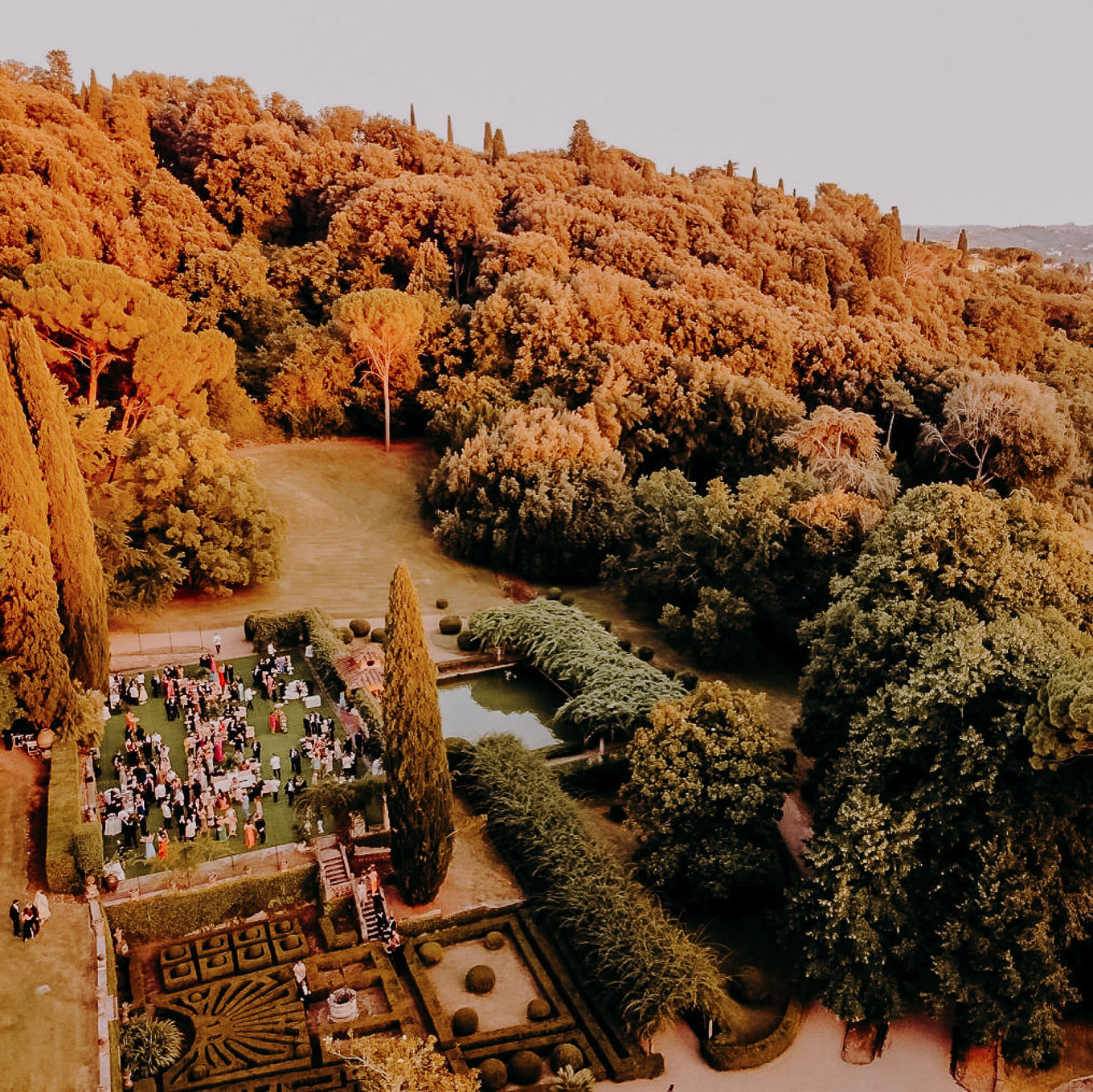
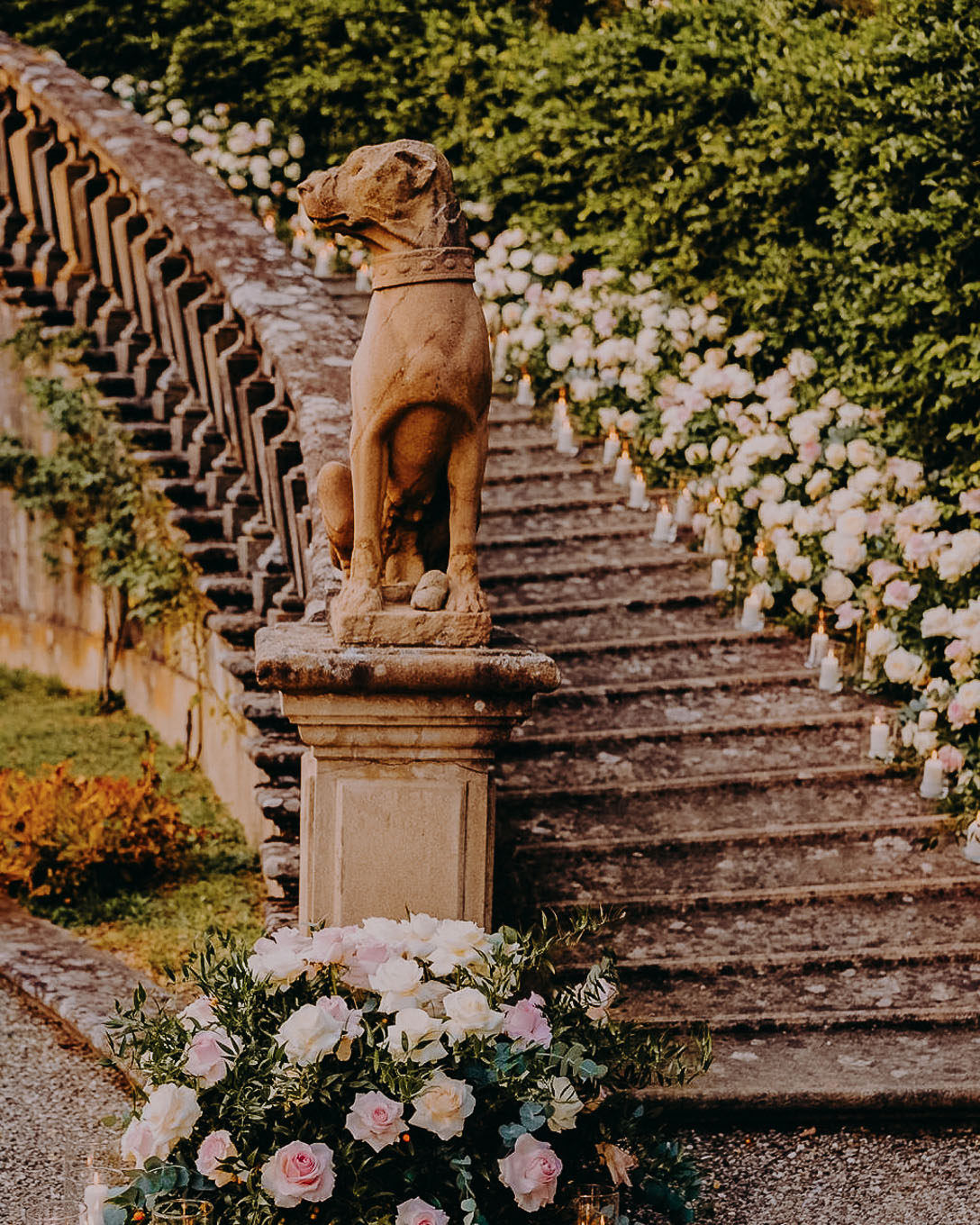
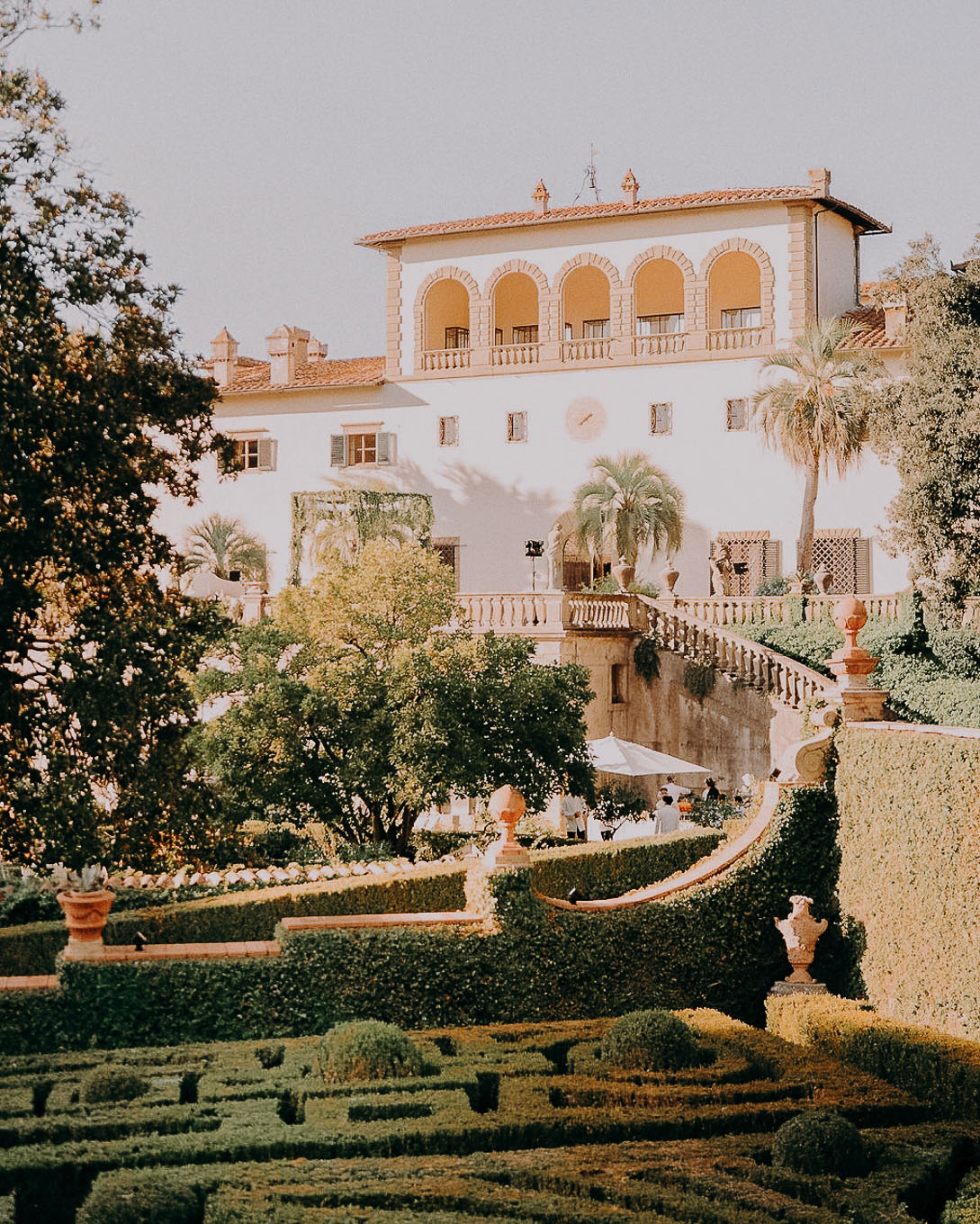
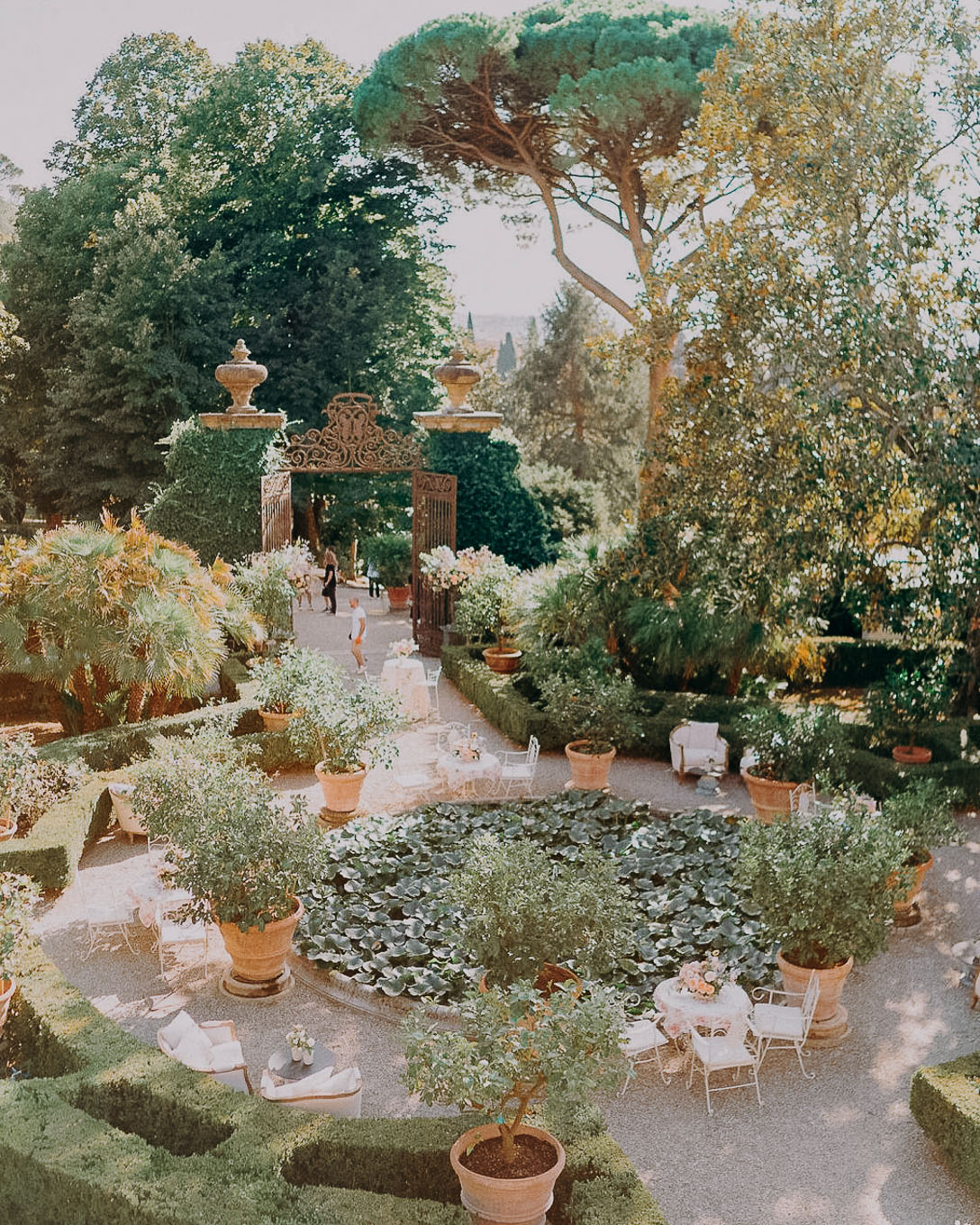
Of all the spaces at Villa Palmieri, the lemon garden is the most historically continuous — the element that most directly connects the present visitor to the garden Boccaccio described. Its design is geometric and oval: box hedges enclosing the ordered beds, terracotta urns containing the citrus trees arranged symmetrically around a circular central fountain. During the warmer months the lemon trees are placed outside, surrounding the fountain in the pattern that has been documented since at least the eighteenth century, when the engraver Giuseppe Zocchi depicted this garden in the famous series of engravings recording the principal villas and landscapes of the Florentine countryside. The limonaia — the lemon house where the trees were protected from occasional frost — dates from the nineteenth century and forms the base of the upper terrace, which rests on its vaulted structure. For a ceremony or a cocktail among the lemon trees, in this historically documented arrangement that has not fundamentally changed since the 1700s, the connection between the celebration and the garden that gave the Decameron its setting is as direct and as physically present as any literary heritage in the Florentine hills.
Queen Victoria's Three Visits: The Labels on the Trees
At the end of the nineteenth century, Queen Victoria chose Villa Palmieri as her Florentine refuge — and she came back. Three times: in 1888, in 1893, and in 1894. Each visit is commemorated by a label applied to one of the trees within the estate's grounds, a specific and endearing form of historical marking that gives the garden a quality of lived personal memory alongside its literary and architectural pedigree. The same property that Boccaccio described as paradise and that the Palmieri family cultivated across four centuries of Florentine history was also the chosen retreat of the longest-reigning British monarch of the modern era. For a wedding that wants its backdrop to carry the authority of both literary and royal history, these labels on the trees — small, specific, and still there — are one of the most quietly extraordinary details available at any venue in this city.
Nine Hectares Overlooking Florence: The Second Largest Private Park After Boboli
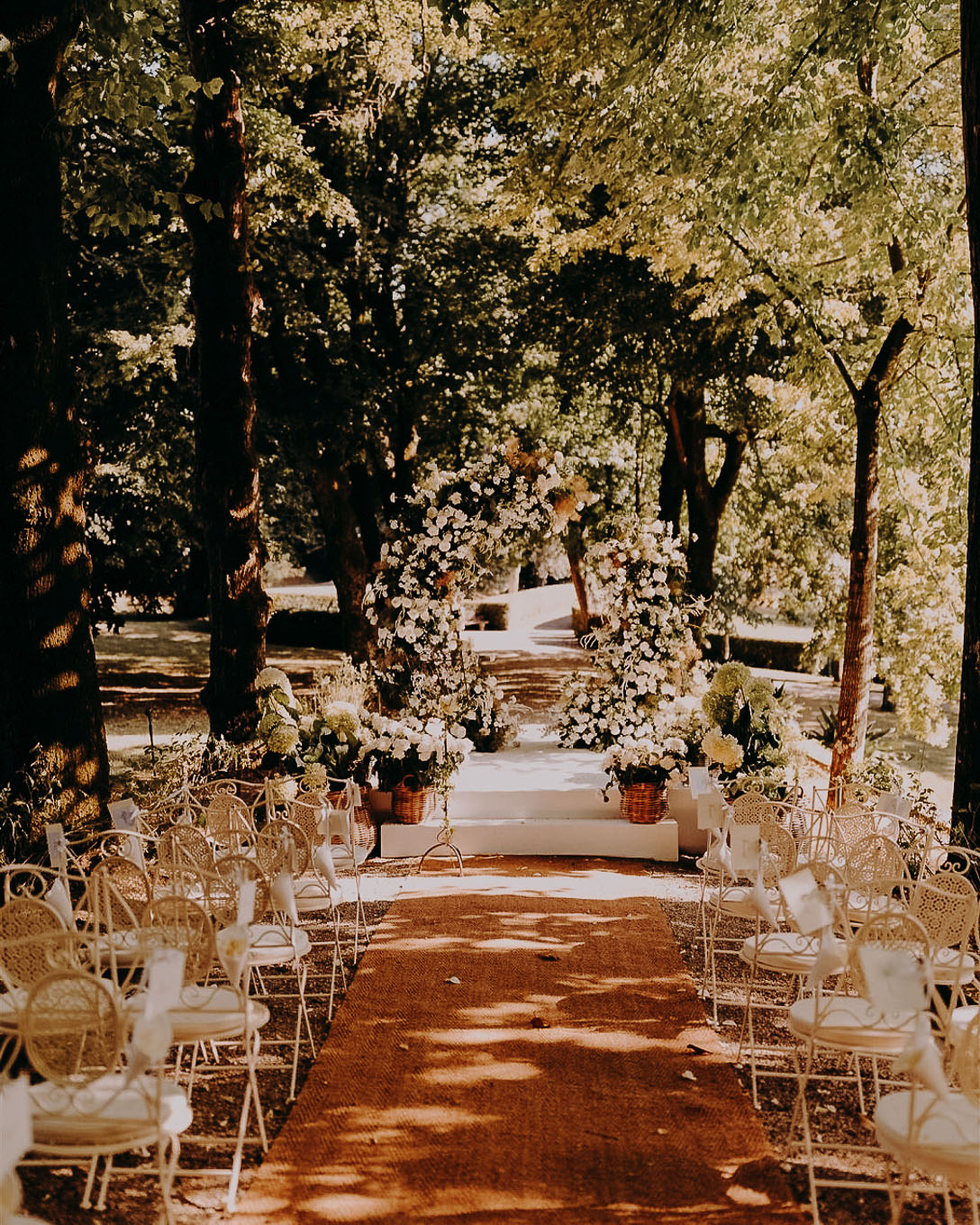
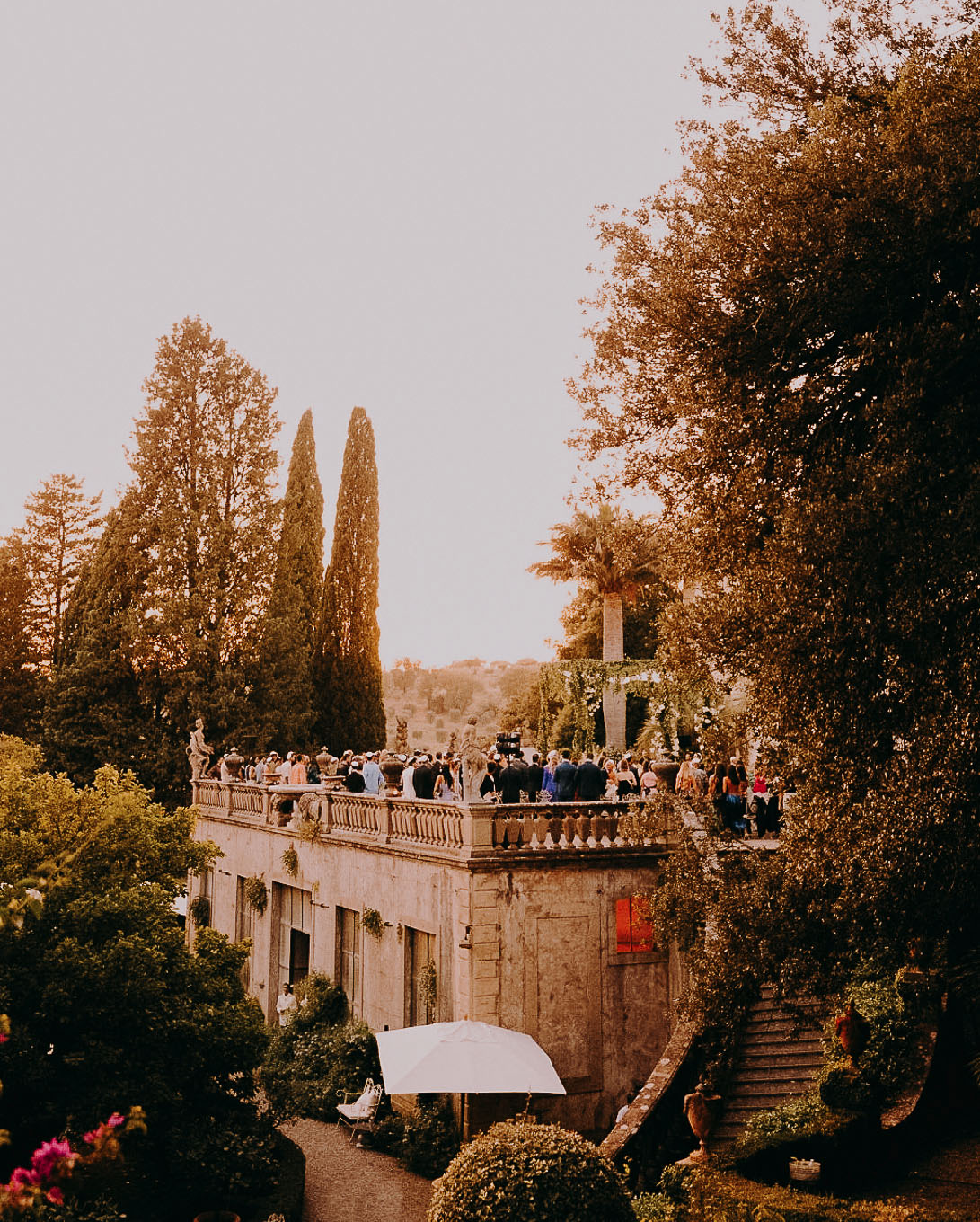
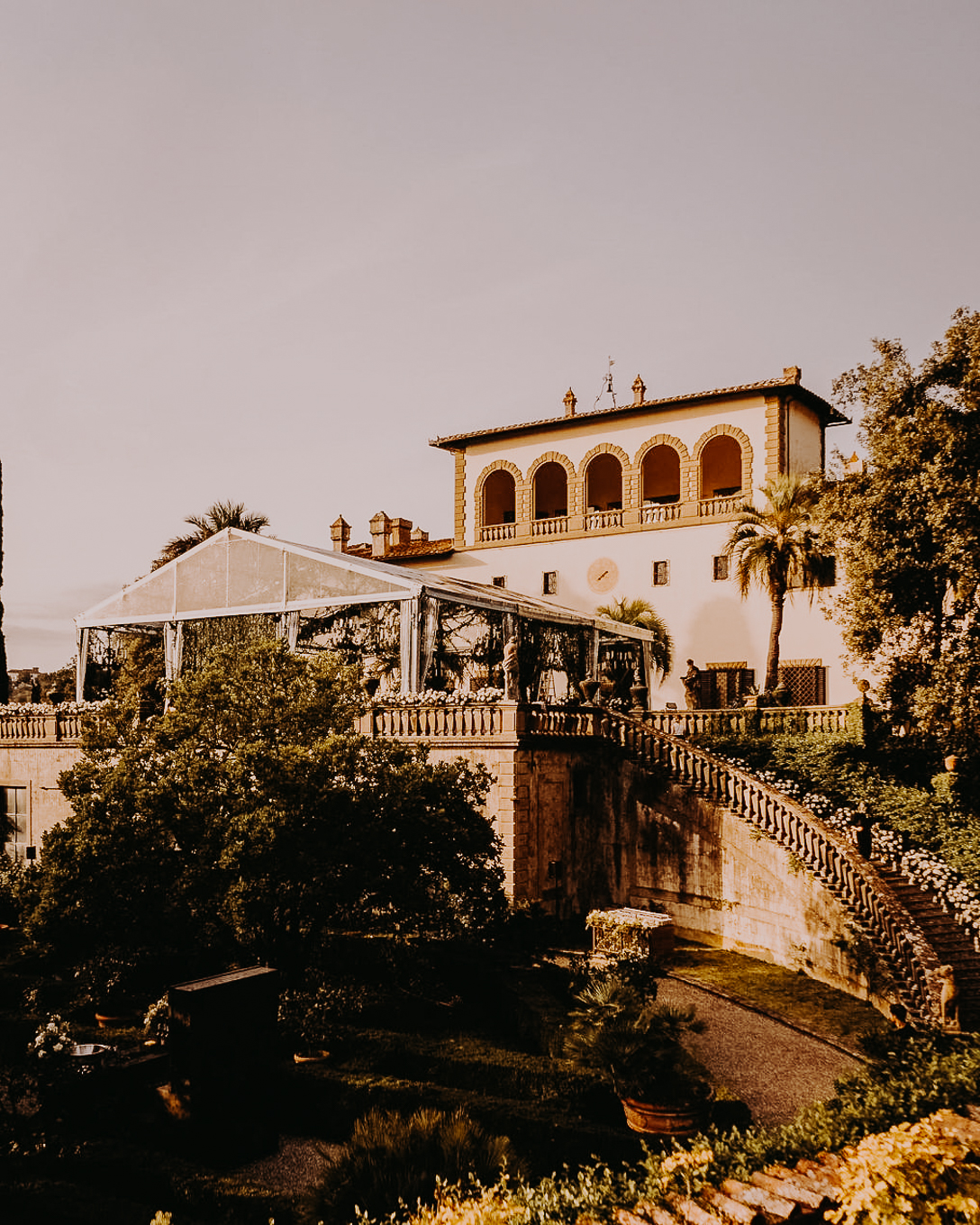
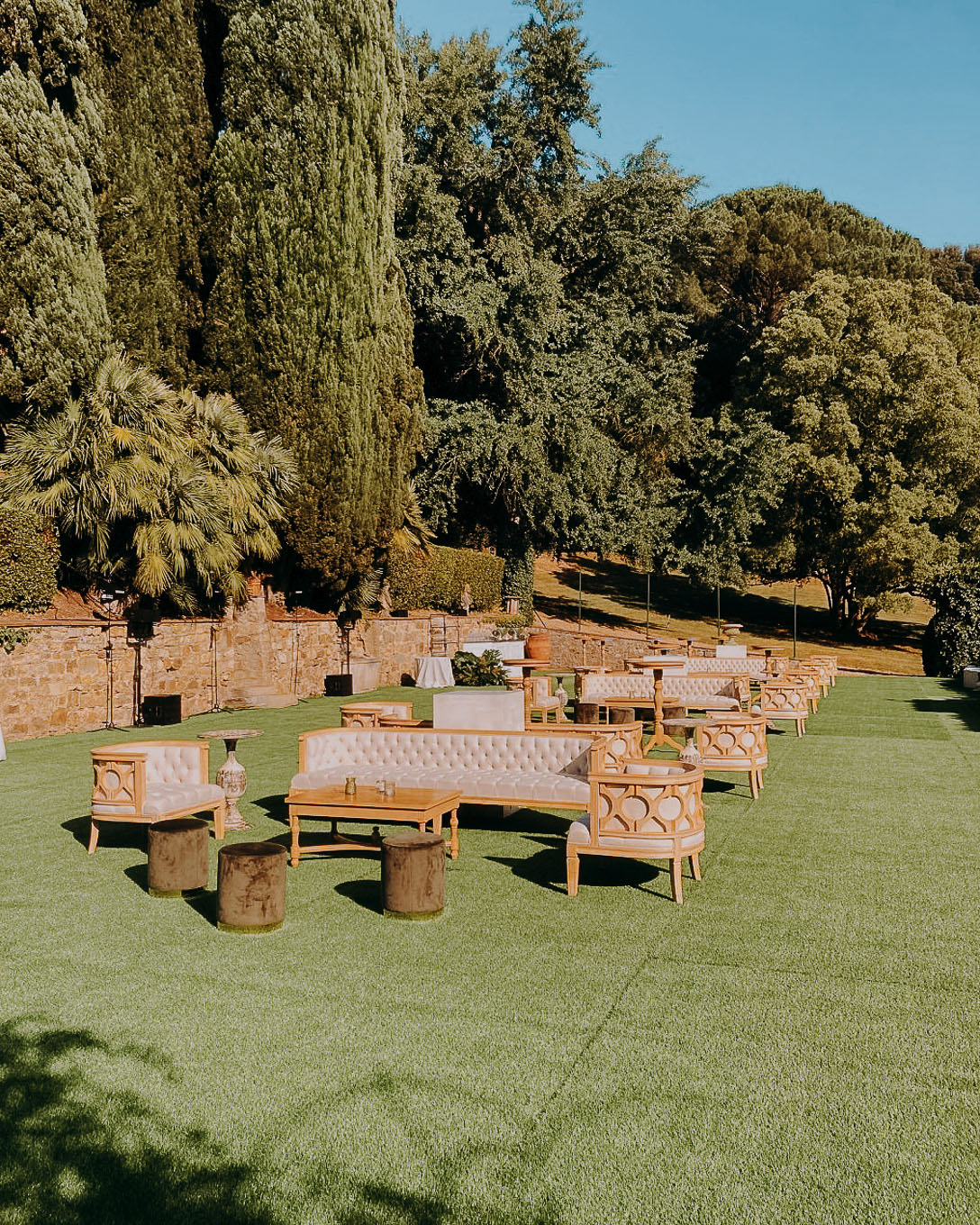
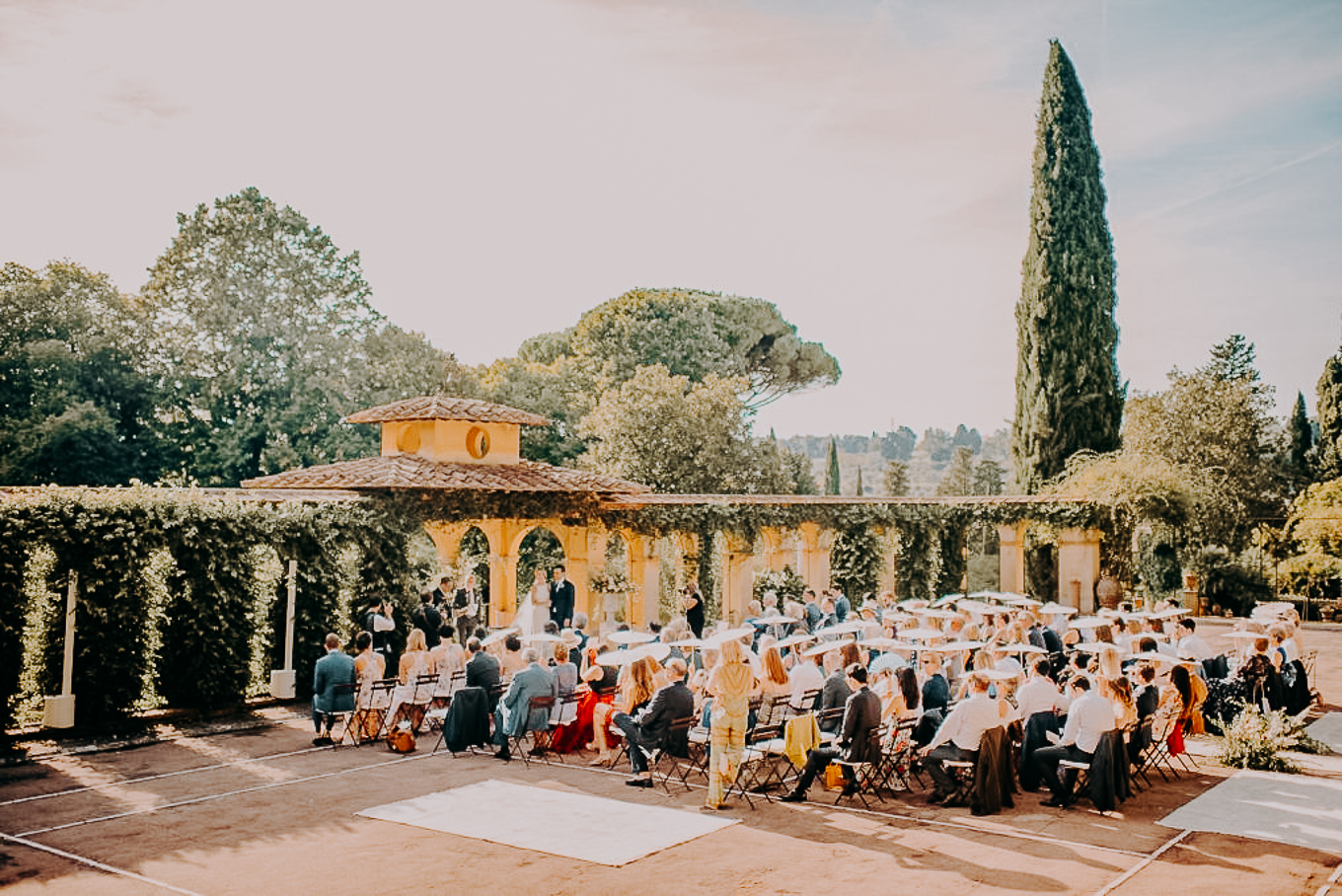
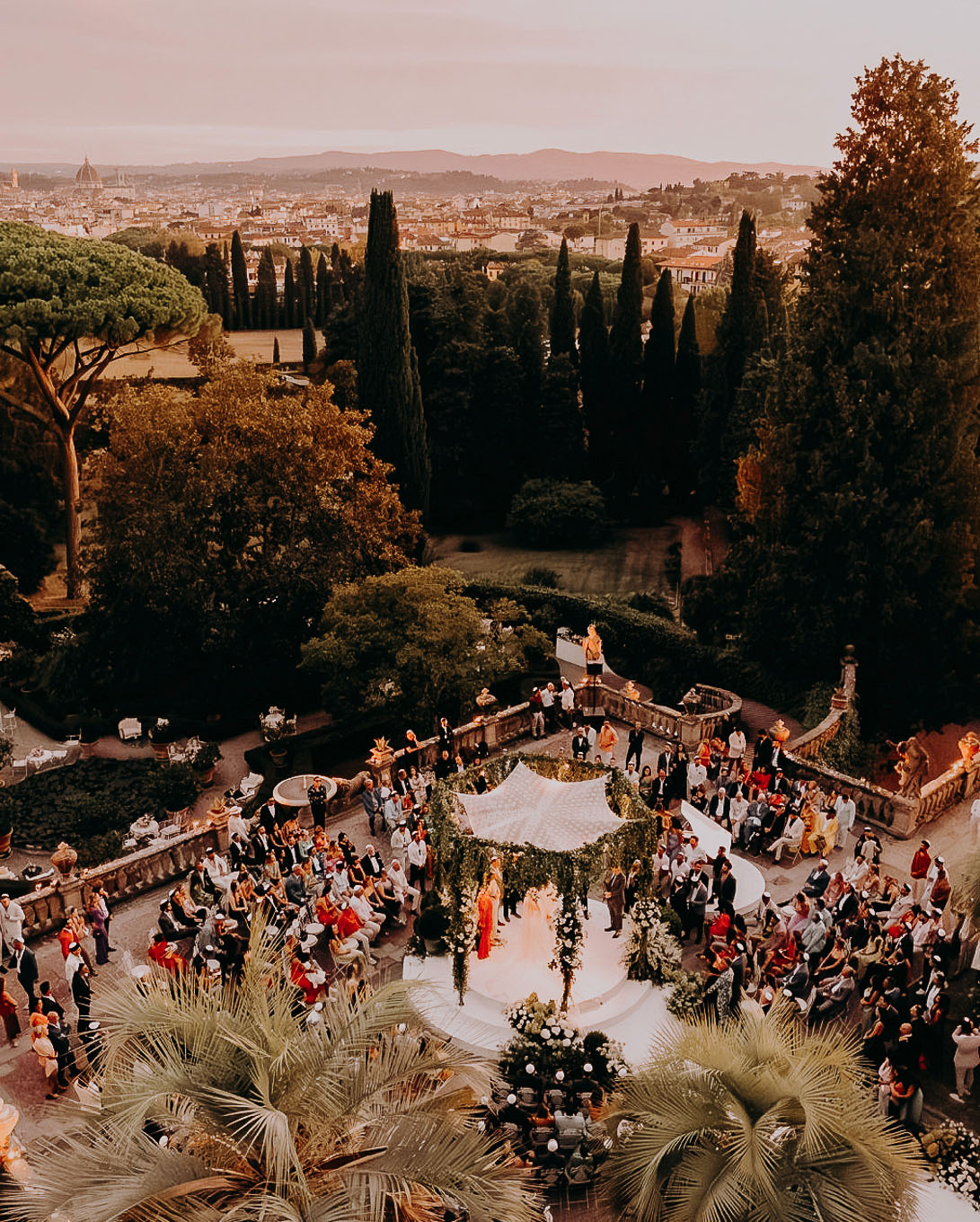
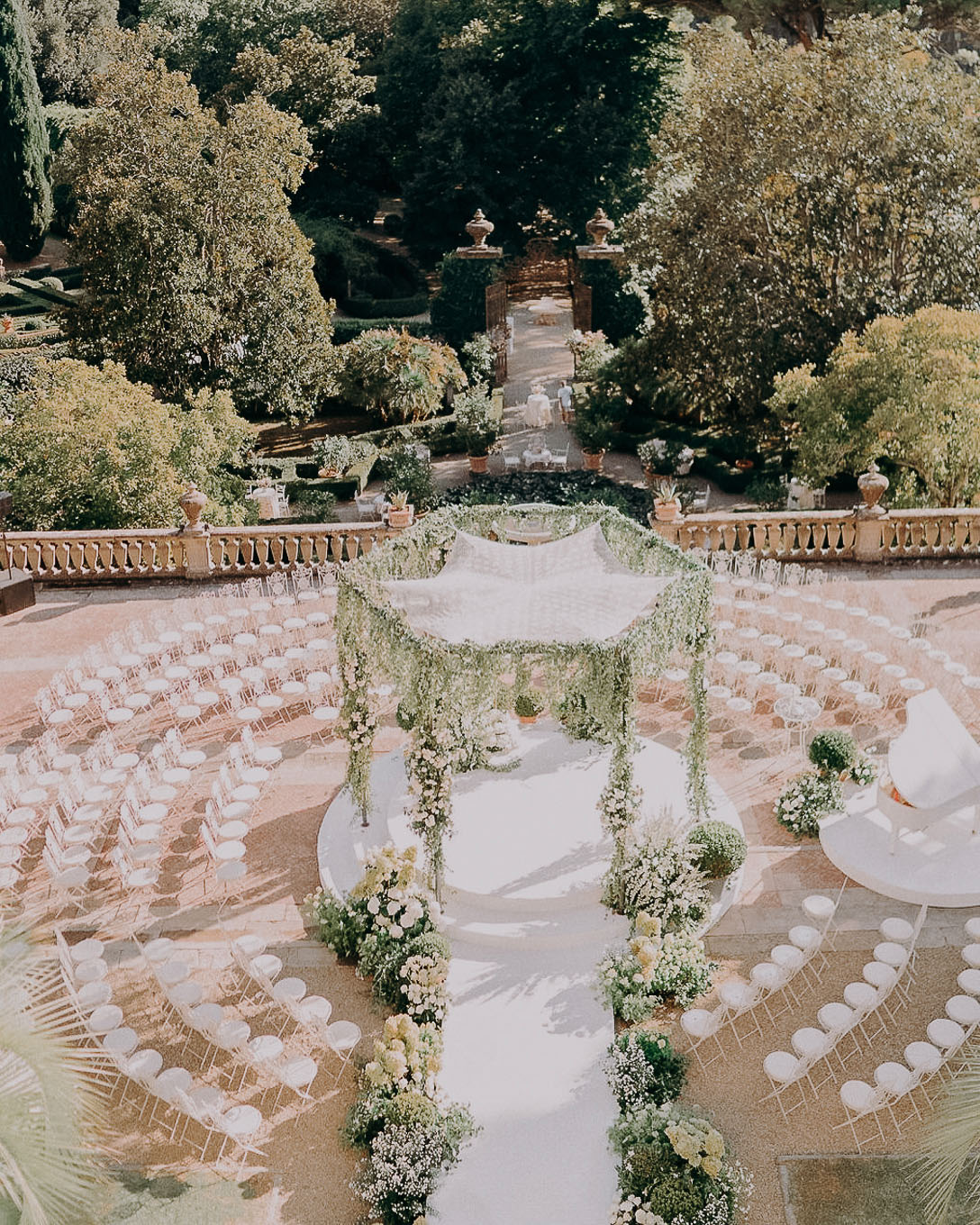
The park of Villa Palmieri extends across nine hectares of the Fiesole slopes, making it the second largest private park in Florence after the Boboli Gardens behind Palazzo Pitti. This scale gives the estate a spatial generosity that is genuinely exceptional within the city's boundaries: terraced gardens descending from the villa toward the valley, views of Florence opening from every elevated position, the combination of formal garden geometry and the more naturalistic park beyond it that defines the great Florentine villa tradition. The garden's size also gives a large wedding celebration the room to distribute itself across different environments across the day — the lemon garden for the aperitivo, the terrace for the ceremony, the interior salons for the dinner — without any sense of compression or overlap. Florence's historic centre is reachable in minutes, giving wedding guests the possibility of combining the villa stay with the full cultural programme of the city.
Boccaccio wrote that the garden looked south toward Florence. Standing in the lemon garden at Villa Palmieri, looking south, the view is still there. Does a photographer need any other direction?
The garden that inspired the Decameron, the lemon trees that Queen Victoria walked among, the frescoed rooms where Pandolfo Reschi's paintings hang: none of these need to be staged or directed. They need to be seen. That is, in the end, the whole of the work.
How Francesco worksFashion, Events, and the Villa in the Contemporary World
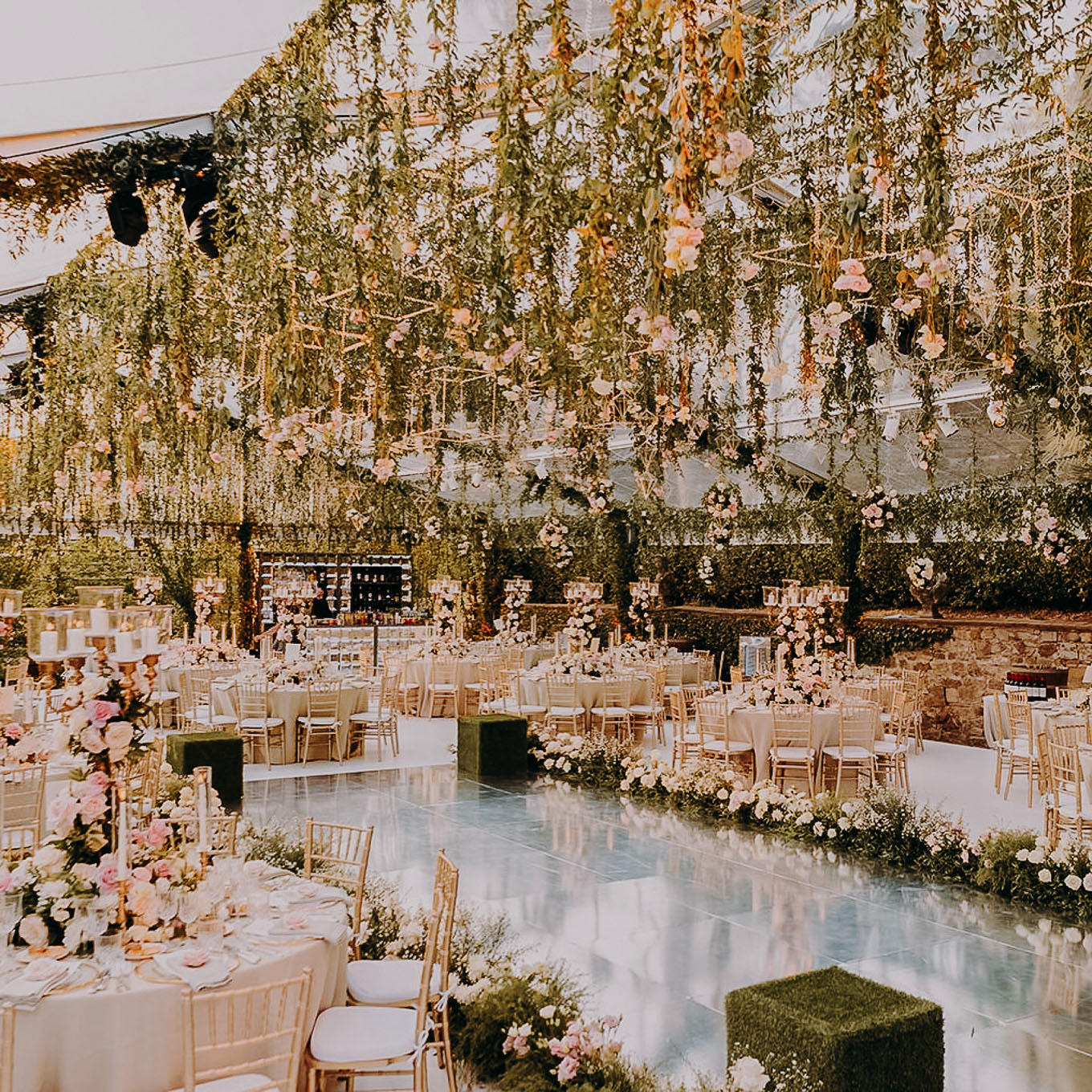
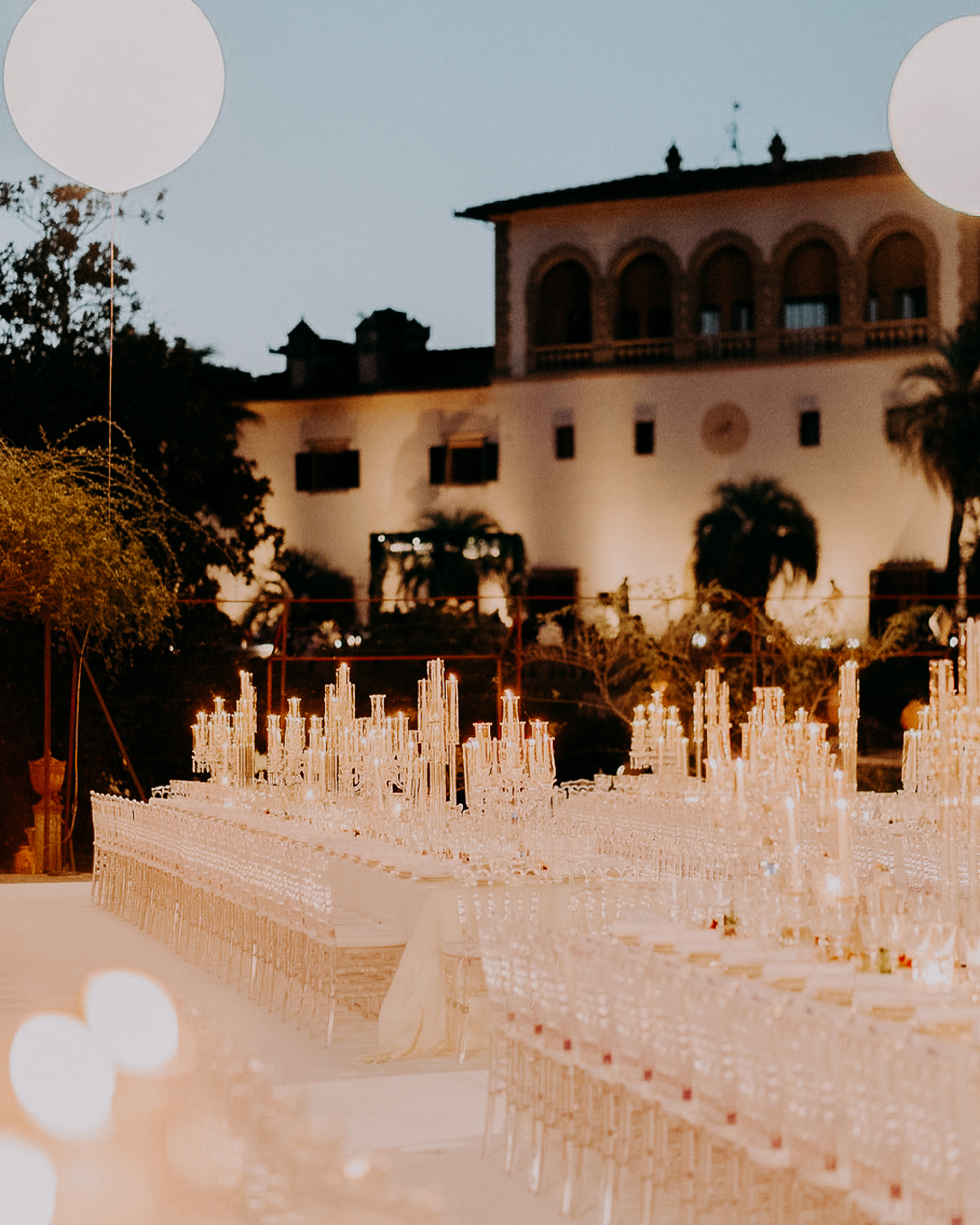
In recent years Villa Palmieri has confirmed its position at the absolute summit of the Florentine events market by hosting some of the most high-profile fashion moments in the city's calendar: a Givenchy runway show in 2019, Pitti Uomo gala dinners, the Polimoda graduation show among the gardens. These events are a specific indicator of where the venue sits in the hierarchy of Florence's event spaces — only those properties whose combination of beauty, historical depth, and technical infrastructure can sustain the logistics of international fashion production are ever chosen for events of this kind. For a wedding that wants to celebrate in the same garden where Givenchy staged its show, the combination of literary, royal, and contemporary cultural authority that Villa Palmieri carries is unique in the Florentine hills.
Getting to Villa Palmieri: Practical Information for International Couples
Villa Palmieri is located at Via Giovanni Boccaccio 126, 50133 Florence, on the slopes of Fiesole overlooking the city from the north. Florence's historic centre is a short drive or taxi ride away. Florence Airport serves European routes and is accessible within the city's taxi network. The position of the villa on the Fiesole slope — above the city, within its boundaries — gives it the combination of Florentine proximity and hillside remove that the great patrician villas of this area have always offered: close enough to reach the Uffizi in the morning, far enough above the city to feel entirely separated from it by the afternoon. The estate's events team can be contacted directly for availability and planning for weddings and private celebrations.
Villa Palmieri: Questions From Couples Planning a Wedding in This Florentine Literary Garden
How does the legal wedding process work for foreign couples getting married at Villa Palmieri?
Foreign nationals wishing to marry legally in Italy must begin the documentation process through the Italian consulate in their country of residence several months before the wedding date, with requirements varying by nationality. Villa Palmieri hosts weddings and private events, and the estate's events team is the primary contact for understanding which ceremony formats are available on site — whether civil, symbolic, or religious blessing. A locally based wedding coordinator experienced with international couples is the most reliable guide through both the administrative process and the coordination of the celebration's many logistical elements in a property of this scale and historical complexity.
What is the connection between Villa Palmieri and Boccaccio's Decameron?
In the Third Day of the Decameron, Giovanni Boccaccio described a paradisiacal garden at the gates of Florence where the young protagonists of his tales gathered to shelter from the plague and tell one another their stories. The description — of a garden looking south toward the city, with abundant water, meticulous planting, and an atmosphere compared to paradise itself — is widely attributed to the gardens of Villa Palmieri, which is the most likely candidate among the villas of the area given its antiquity, its position, its water sources, and the breadth of its grounds. The identification is strong though not documentary certain, and the villa presents its garden in the full awareness of this literary heritage. The address of the villa — Via Giovanni Boccaccio — directly honours this connection.
How many times did Queen Victoria visit Villa Palmieri and how is this documented?
Queen Victoria visited Villa Palmieri three times: in 1888, 1893, and 1894. Each visit is commemorated by a label applied to one of the trees within the estate's park — a specific and historically unusual form of memorial that gives the garden a physical connection to these royal stays. Victoria chose Florence and specifically this villa as a retreat during her later years, and the three successive visits in a six-year period speak to the particular affection she felt for this property and this garden.
What is the size of the park and what does this mean for a large wedding celebration?
The park of Villa Palmieri extends across nine hectares, making it the second largest private park in Florence after the Boboli Gardens. For a wedding celebration, this scale means that different moments of the day can unfold in genuinely distinct environments within the same property — the lemon garden, the terraces, the formal garden areas, the interior salons — without any spatial overlap or compromise. The estate has sufficient capacity for large celebrations and for the complex logistical requirements that high-profile events demand, as demonstrated by its track record of hosting major international fashion events.
Who was Pandolfo Reschi and what is his significance for the villa's interiors?
Pandolfo Reschi (1643-1699) was a Polish-born painter who settled in Florence and became one of the significant figures in the city's Baroque painting scene during the second half of the seventeenth century. He specialised in battle scenes, landscapes, and hunting scenes, and his work appears in several major Florentine collections. His paintings within Villa Palmieri give the interior rooms a specific and dateable artistic presence — not merely generic decorative painting but work by an identified artist of documented significance in the Florentine Baroque tradition.