Planning a wedding in just six months? Fear not! Our comprehensive checklist will help you stay organized and stress-free as you prepare for your big day.
How Does a 6-Month Wedding Timeline Work?
When you have six months to plan your wedding, it might feel like you're racing against time, but with a well-structured timeline, everything will fall into place smoothly. The first step is to break down the timeline month by month, setting clear goals for each period. This approach helps in visualizing the journey from engagement to the altar.
In the first two months, focus on the big-picture elements such as setting a date, choosing a venue, and establishing a budget. These foundational decisions will guide the rest of your planning. The next two months should be dedicated to securing vendors, designing your wedding theme, and sending out invitations. The last two months are all about the finer details, including finalizing the guest list, organizing the wedding day schedule, and ensuring that all plans are on track.
Understanding this timeline is crucial for efficient planning. It allows you to allocate your time wisely and ensures that no important aspect is overlooked. By breaking down tasks into manageable chunks, you can tackle each one without feeling overwhelmed.

How Do You Set Your Wedding Budget?
One of the most critical aspects of wedding planning is setting and sticking to a budget. Your budget will dictate many decisions, from the venue and catering to the dress and decor. Begin by determining how much you can afford to spend. This might involve conversations with family members if they are contributing financially.
Once you have a total budget, allocate funds to different categories. Start with the essentials: venue, catering, and photography often take up a significant portion of the budget. Next, consider attire, decor, and entertainment. Don't forget smaller, yet essential expenses such as invitations, transportation, and favors. It's also wise to set aside a contingency fund for unexpected costs that may arise.
Regularly track your spending to ensure you stay within your budget. Use spreadsheets or budgeting apps to monitor expenses and make adjustments as needed. Being financially organized will help you avoid stress and ensure that you can enjoy your wedding day without lingering financial concerns.

How Do You Choose the Perfect Wedding Venue?
Selecting the perfect venue is one of the most exciting parts of wedding planning. The venue sets the tone for your entire wedding, so it's essential to choose a location that reflects your style and vision. Start by considering the type of venue you want—be it a rustic barn, a grand ballroom, a beachfront resort, or a cozy garden.
When visiting potential venues, keep in mind your guest list size to ensure the space can accommodate everyone comfortably. Ask about available dates to see if they align with your preferred wedding date. It's also important to inquire about what is included in the venue rental fee. Some venues offer full-service packages, while others may require you to bring in outside vendors.
Once you've narrowed down your options, consider logistics such as location, accessibility, and accommodation for out-of-town guests. A venue that is beautiful but inconveniently located can cause unnecessary stress for you and your guests. Choose a place that strikes a balance between your aesthetic desires and practical needs.
How Do You Create Your Wedding Guest List?
Crafting your guest list can be a delicate balancing act. It’s important to include everyone who matters to you while staying within the constraints of your venue and budget. Start by making a preliminary list with your partner, including family, close friends, and other significant people in your lives.
Once you have an initial list, categorize your guests into tiers. This can help if you need to make cuts later on. Tier one can include immediate family and closest friends, while tier two might include extended family and acquaintances. Be prepared to make some tough decisions, especially if your venue has strict capacity limits.
Remember to consider your budget as you finalize your guest list. Each additional guest means extra costs for food, drinks, and seating. Also, factor in the dynamics of your relationships. Inviting someone out of obligation rather than genuine connection can add unnecessary stress to your planning and your big day.
How Do You Select the Right Wedding Vendors?
Your wedding vendors play a crucial role in bringing your vision to life. Start by researching vendors in your area, focusing on those with good reviews and a style that matches your own. Key vendors to secure early include a photographer, caterer, florist, and DJ or band.
When meeting with potential vendors, ask about their availability on your wedding date, their experience with your type of wedding, and their pricing structure. It’s also helpful to ask for references and view samples of their work. A good rapport with your vendors is essential, as they will be your partners in creating a memorable day.
Once you’ve selected your vendors, make sure to sign contracts that outline all the details, including payment schedules, services provided, and cancellation policies. Clear communication and written agreements will help prevent any misunderstandings and ensure that everyone is on the same page.
How Do You Design Your Wedding Theme and Style?
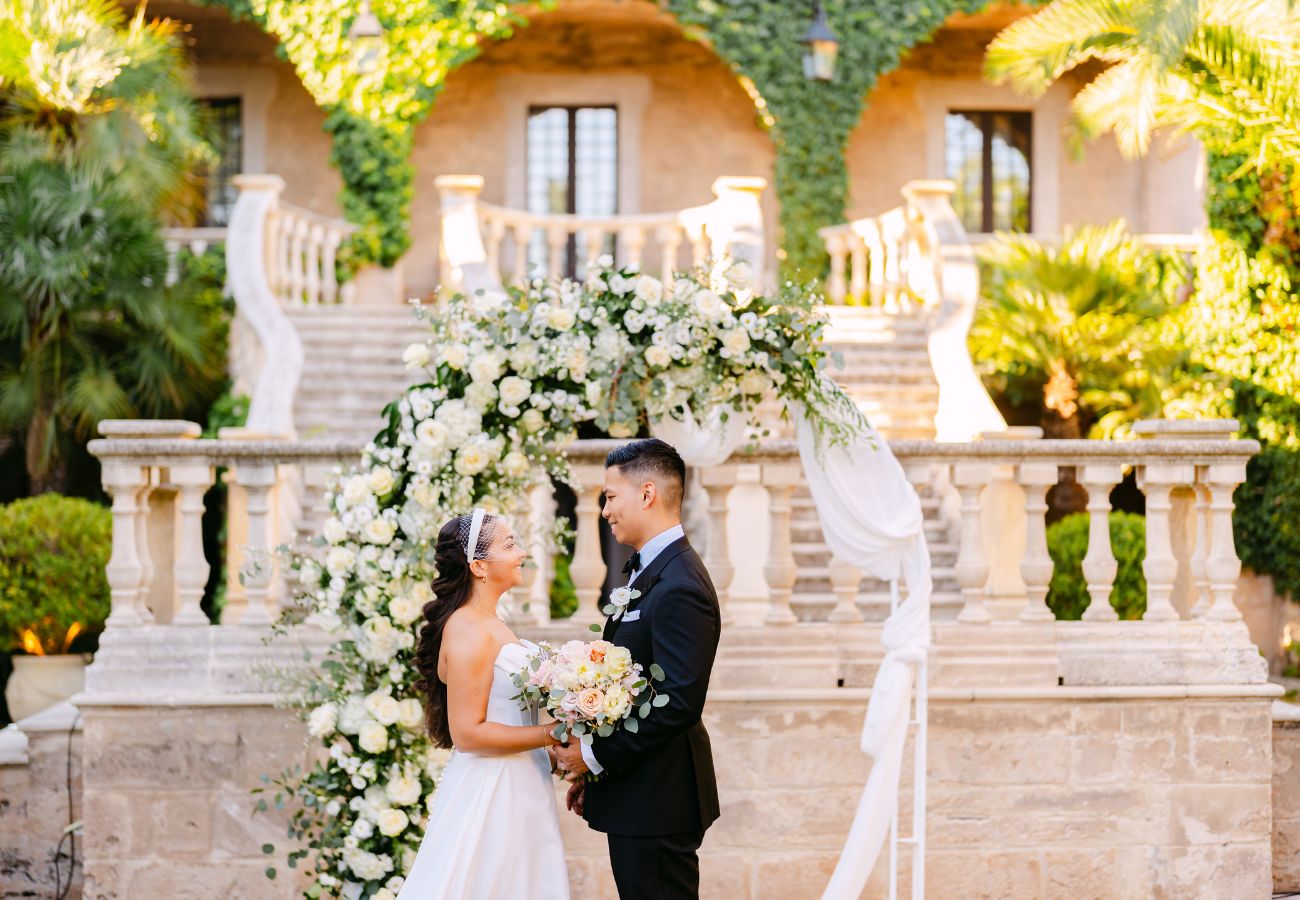
Your wedding theme and style reflect your personality and set the mood for the entire event. Whether you envision a classic, modern, rustic, or whimsical wedding, it's important to have a clear vision from the start. Begin by gathering inspiration from magazines, websites, and social media platforms like Pinterest and Instagram.
Once you have a collection of ideas, identify common elements that resonate with you. Think about color schemes, decor styles, and overall ambiance. Your venue can also influence your theme; for example, a beach wedding might inspire a nautical theme, while a historic mansion could lend itself to a vintage or elegant theme.
Work closely with your vendors to bring your vision to life. Your florist, decorator, and even your caterer can contribute to the overall theme through flowers, table settings, and menu choices. Consistency in these elements will create a cohesive and visually stunning wedding.
How Do You Plan Your Wedding Attire?
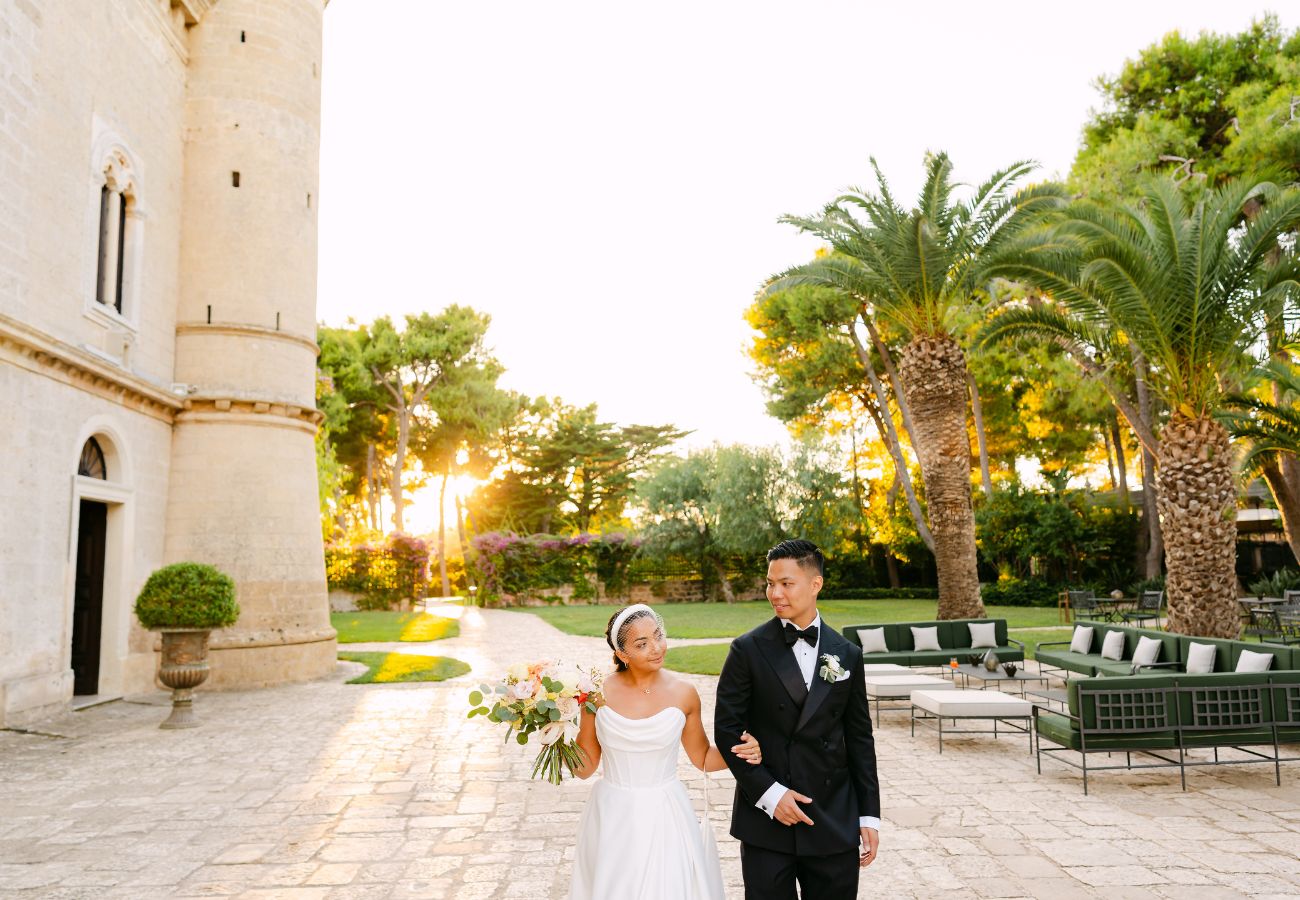
Choosing your wedding attire is a deeply personal and exciting part of the planning process. For the bride, finding the perfect dress involves considering your style, body type, and the overall theme of your wedding. Start by browsing bridal magazines and websites to get an idea of what you like.
When shopping for your dress, bring along a trusted friend or family member for a second opinion. It's important to try on different styles to see what looks best on you. Don’t forget about the accessories—shoes, veil, and jewelry can significantly enhance your look. The groom should also start shopping for his attire, whether it's a classic tuxedo, a modern suit, or something more casual, depending on the wedding theme.
Remember to schedule fittings well in advance to allow time for any necessary alterations. Comfort is key, so make sure your attire allows you to move and enjoy your day without any restrictions. The right outfit will not only make you look stunning but also feel confident and comfortable.
How Do You Manage Wedding Invitations and RSVPs?
Sending out wedding invitations and managing RSVPs can be a daunting task, but with careful planning, it can be handled smoothly. Start by designing your invitations to match your wedding theme. Include all the essential details such as the date, time, location, dress code, and RSVP instructions.
Send out your invitations around three months before the wedding. This gives your guests plenty of time to make travel arrangements and respond. Set an RSVP deadline at least a month before the wedding to allow time for finalizing numbers with your caterer and venue.
To keep track of RSVPs, create a spreadsheet or use wedding planning software. Follow up with guests who haven't responded by the deadline. Clear communication and organization in this phase will help ensure that your guest list is accurate and that you are prepared for the number of attendees.
How Do You Finalize Your Wedding Day Schedule?
A well-planned schedule is essential for a smooth and stress-free wedding day. Start by creating a detailed timeline that includes every aspect of the day, from getting ready in the morning to the last dance at the reception. Share this schedule with your wedding party, vendors, and anyone else involved in the day's events.
Include buffer times in your schedule to account for any unexpected delays. For example, allow extra time for hair and makeup, travel between locations, and set-up at the venue. Ensure that everyone knows their roles and responsibilities, from the bridesmaids and groomsmen to the officiant and photographers.
Having a clear and detailed schedule helps everyone stay on track and ensures that no important moment is missed. It also allows you to relax and enjoy your day, knowing that everything is planned and taken care of.
How Can You Stay Organized and Stress-Free While Planning?
Staying organized and stress-free during the wedding planning process is crucial for your well-being. Start by creating a comprehensive wedding planning binder or digital file where you can store all your contracts, receipts, and important information. This will make it easier to keep track of everything and quickly find what you need.
Regularly update your to-do list and prioritize tasks based on deadlines and importance. Delegate responsibilities to your wedding party, family, and friends to lighten your load. Don't be afraid to ask for help when you need it—planning a wedding is a team effort.
Finally, take time for self-care. Wedding planning can be all-consuming, but it's important to take breaks, relax, and enjoy the journey. Schedule date nights with your partner where you don't discuss wedding plans, and make time for activities that help you unwind. Staying organized and taking care of yourself will help ensure that your wedding planning experience is enjoyable and memorable.
In conclusion, planning a wedding in six months is entirely possible with careful organization, clear communication, and a positive mindset. By following this comprehensive checklist, you'll be well on your way to creating a beautiful and memorable wedding day. Enjoy the journey and cherish every moment as you prepare to celebrate your love.
FAQ – Wedding in 6 Months: Frequently Asked Questions
Is 6 months enough time to plan a wedding?
Yes, planning a wedding in six months is absolutely possible with the right organization. The key is to prioritize the most important decisions first—such as choosing your venue, booking key vendors, and setting a realistic budget. Many couples successfully plan both local and destination weddings within a six-month timeline by working with experienced vendors and making decisions quickly. In fact, choosing venues with packages or in-house coordination can significantly simplify the planning process and reduce stress.
What should you book first when planning a wedding in 6 months?
When planning a wedding in a short timeframe, the first things to book are the venue, photographer, and catering. These vendors often have limited availability and tend to be reserved far in advance. Once those core elements are secured, you can move on to other services such as florists, music, and décor. Securing the venue early is especially important because it determines the date, guest capacity, and overall style of your wedding.
How far in advance should you send wedding invitations?
For a wedding planned within six months, invitations are usually sent about three months before the wedding date. This gives guests enough time to arrange travel, accommodation, and time off work. If many guests are traveling from abroad, it's helpful to send save-the-date announcements as early as possible so they can plan ahead. For destination weddings, couples often provide guests with travel information and accommodation suggestions on their wedding website.
How many guests should you invite to a destination wedding?
Destination weddings typically have smaller guest lists compared to traditional weddings. Many couples invite between 30 and 80 guests, usually focusing on close family and friends. A smaller guest list not only simplifies planning but also creates a more intimate experience. Because guests must travel, it's common for only the people closest to the couple to attend, which naturally reduces the overall number of attendees.
Do couples need to pay for guests’ travel at a destination wedding?
In most cases, couples do not pay for their guests’ flights or accommodation. Guests usually cover their own travel expenses, while the couple may host a few group events such as a welcome dinner or farewell brunch to thank them for attending. Providing helpful travel information, hotel room blocks, or group discounts can make the process easier and more affordable for guests.
Is it necessary to visit the wedding destination before the wedding?
A site visit can be helpful, but it’s not always necessary. Many couples successfully plan destination weddings without visiting the venue in advance by relying on experienced planners, venue coordinators, and virtual tours. If traveling beforehand isn’t possible, reviews, video calls with vendors, and detailed photos can help you make confident decisions remotely.
Should you hire a wedding planner for a destination wedding?
Hiring a local wedding planner can make planning much easier, especially if you are organizing your wedding from another country. A planner understands local regulations, vendor networks, and logistics, and can coordinate everything on your behalf. Many venues also offer an on-site coordinator who helps manage details such as décor, timelines, and vendor setup on the wedding day.
What are the most important vendors to book early?
The most important vendors to secure early include the venue, photographer, caterer, and entertainment (DJ or band). These professionals tend to book quickly, especially during peak wedding season. Once those key suppliers are confirmed, you can focus on secondary details such as floral design, stationery, transportation, and décor.
How can couples reduce stress when planning a wedding quickly?
Planning a wedding in a short time requires clear priorities and strong organization. Couples can reduce stress by creating a detailed timeline, delegating tasks to trusted vendors or family members, and focusing on the elements that matter most. Choosing experienced vendors who regularly work together can also make the process smoother and more efficient.
Can a destination wedding actually cost less than a traditional wedding?
Yes, in many cases destination weddings can be more affordable than traditional weddings, especially when guest lists are smaller. Some destinations offer all-inclusive wedding packages that include venue, catering, décor, and coordination, which can help couples manage their budget more easily. However, costs vary depending on the location, number of guests, and overall level of luxury.