Booking your wedding photographer can feel overwhelming, but timing is everything. Discover the perfect moment to secure your ideal photographer with this complete guide.
Why Is It Important to Book Your Wedding Photographer Early?
Booking your wedding photographer early is crucial for several reasons. First and foremost, talented and highly sought-after photographers tend to have busy schedules, especially during peak wedding seasons. If you delay in securing your preferred photographer, you may find that they are already booked for your chosen date. This can lead to disappointment and the need to settle for a less experienced or less desirable option. Therefore, booking early ensures that you have access to the best talent available.
Another important reason for booking your wedding photographer well in advance is the opportunity it affords you to build a rapport with them. Your wedding day is one of the most significant days of your life, and having a photographer who understands your vision and style is essential. By booking early, you can take the time to meet with your photographer, discuss your preferences, and plan the types of shots you want. This relationship-building process can lead to a more relaxed and comfortable experience on the actual day, resulting in better photos.
Lastly, booking early can help you manage your wedding budget more effectively. Quality wedding photography is an investment, and knowing the cost upfront allows you to allocate your funds accordingly. It also gives you time to save for this important expense without stretching your finances too thin. Additionally, some photographers offer early booking discounts or flexible payment plans, which can be beneficial for your overall budget planning.
What Is the Ideal Timeline for Booking Your Wedding Photographer?
The ideal timeline for booking your wedding photographer typically starts as soon as you have set your wedding date and secured your venue. This is usually around 12 to 18 months before the wedding day. During this period, you will have a clearer picture of your wedding theme, style, and preferences, making it easier to choose a photographer whose work aligns with your vision.
About 12 months before the wedding, start researching and creating a list of potential photographers. This gives you ample time to explore portfolios, read reviews, and gather recommendations from friends and family. By 9 to 10 months before the wedding, you should begin reaching out to your top choices to check availability and schedule initial consultations. This allows you to better understand their personalities, work ethic, and overall compatibility.
By the 6 to 8-month mark, you should aim to finalize your decision and officially book your photographer. This timeline ensures that your chosen photographer is firmly secured for your date and leaves room for any necessary adjustments. It also provides enough time to plan an engagement shoot, which many photographers include in their packages. An engagement session helps you feel more comfortable in front of the camera and familiar with your photographer’s style.
What Factors Should You Consider When Choosing a Wedding Photographer?
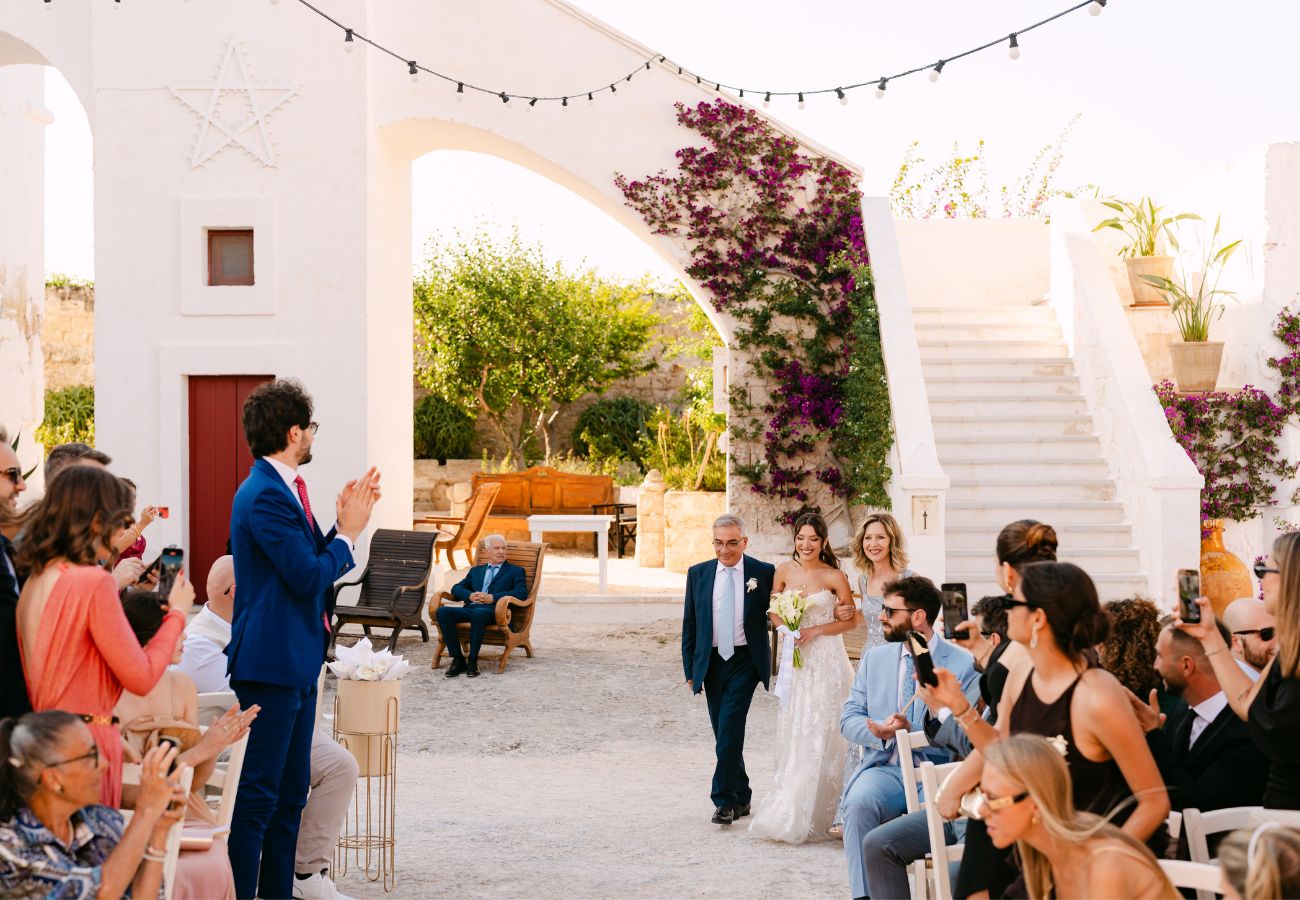
When choosing a wedding photographer, several key factors should be taken into account. One of the most important is the photographer’s style and expertise. Photographers may specialize in traditional, photojournalistic, fine art, or hybrid styles. Selecting a photographer whose aesthetic resonates with your vision is essential. Reviewing portfolios carefully will help you determine whether their work aligns with what you imagine for your wedding day.
Experience and professionalism are equally important. An experienced photographer possesses not only technical skills but also the ability to manage unexpected situations. They know how to work under different lighting conditions, keep the timeline on track, and interact confidently with guests. Professionalism, punctuality, and the ability to remain calm under pressure are qualities you should prioritize.
Another crucial aspect is personality and communication style. Your photographer will be present during intimate and emotional moments, so feeling comfortable with them is vital. During consultations, notice how well they listen to your ideas, explain their process, and make you feel at ease. A photographer who is approachable and communicative can significantly enhance both your experience and the final results.
How Can You Understand Different Wedding Photography Styles?
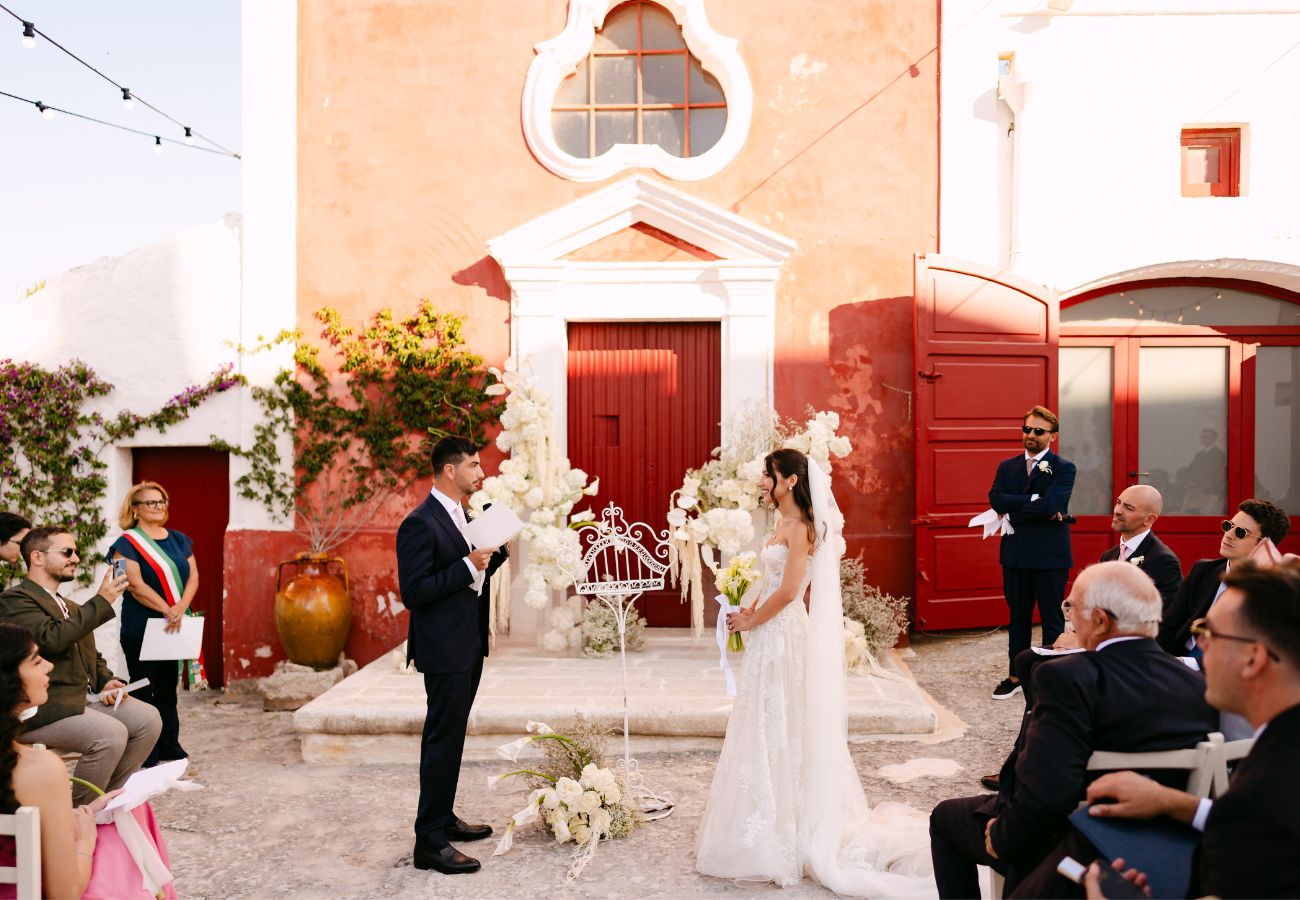
Understanding different photography styles is essential when choosing a wedding photographer, as each approach captures the day in a unique way. Traditional or classic photography focuses on posed and formal images, highlighting key moments and people in a structured manner. This style is ideal for couples who appreciate timeless and organized wedding photos.
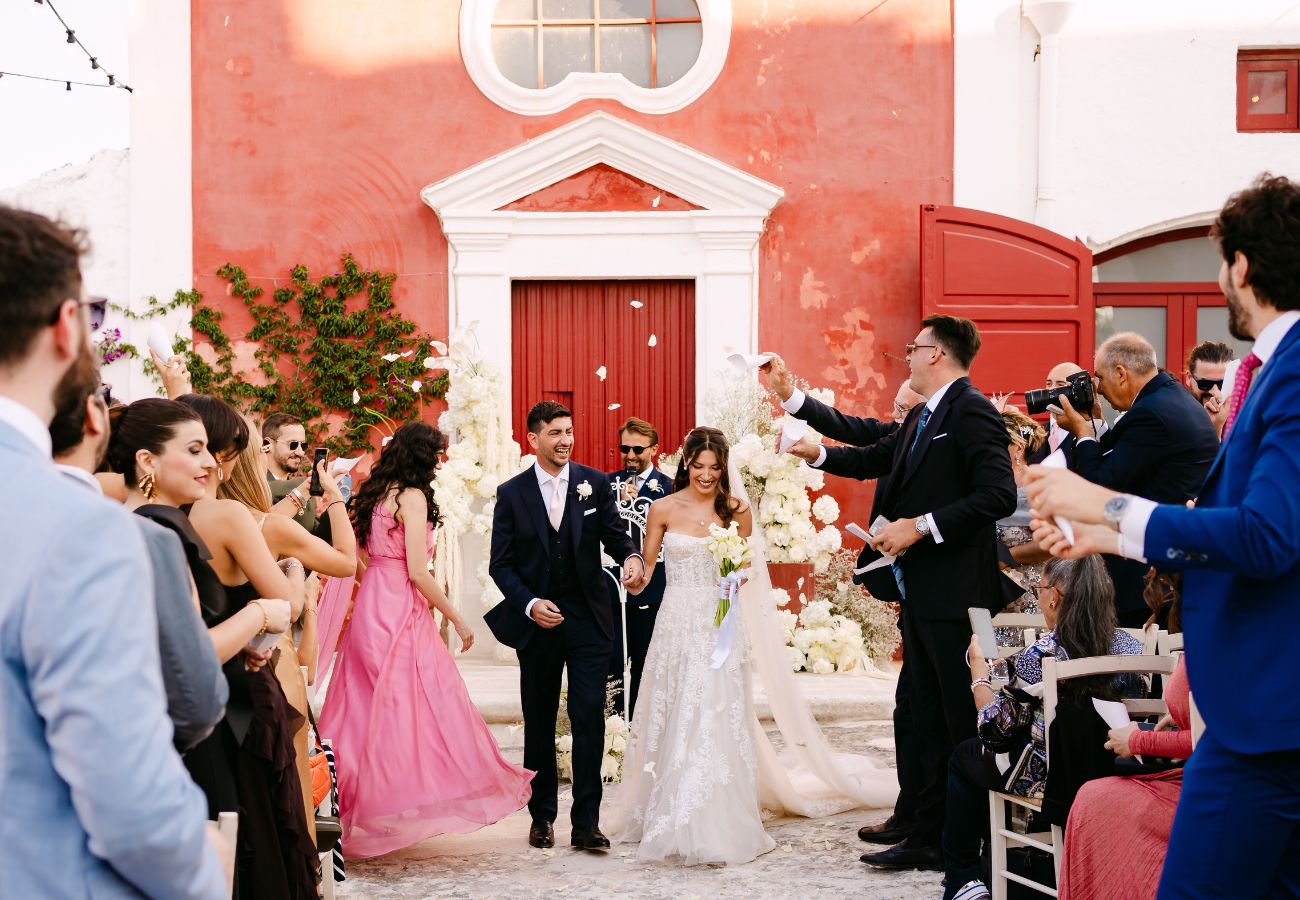
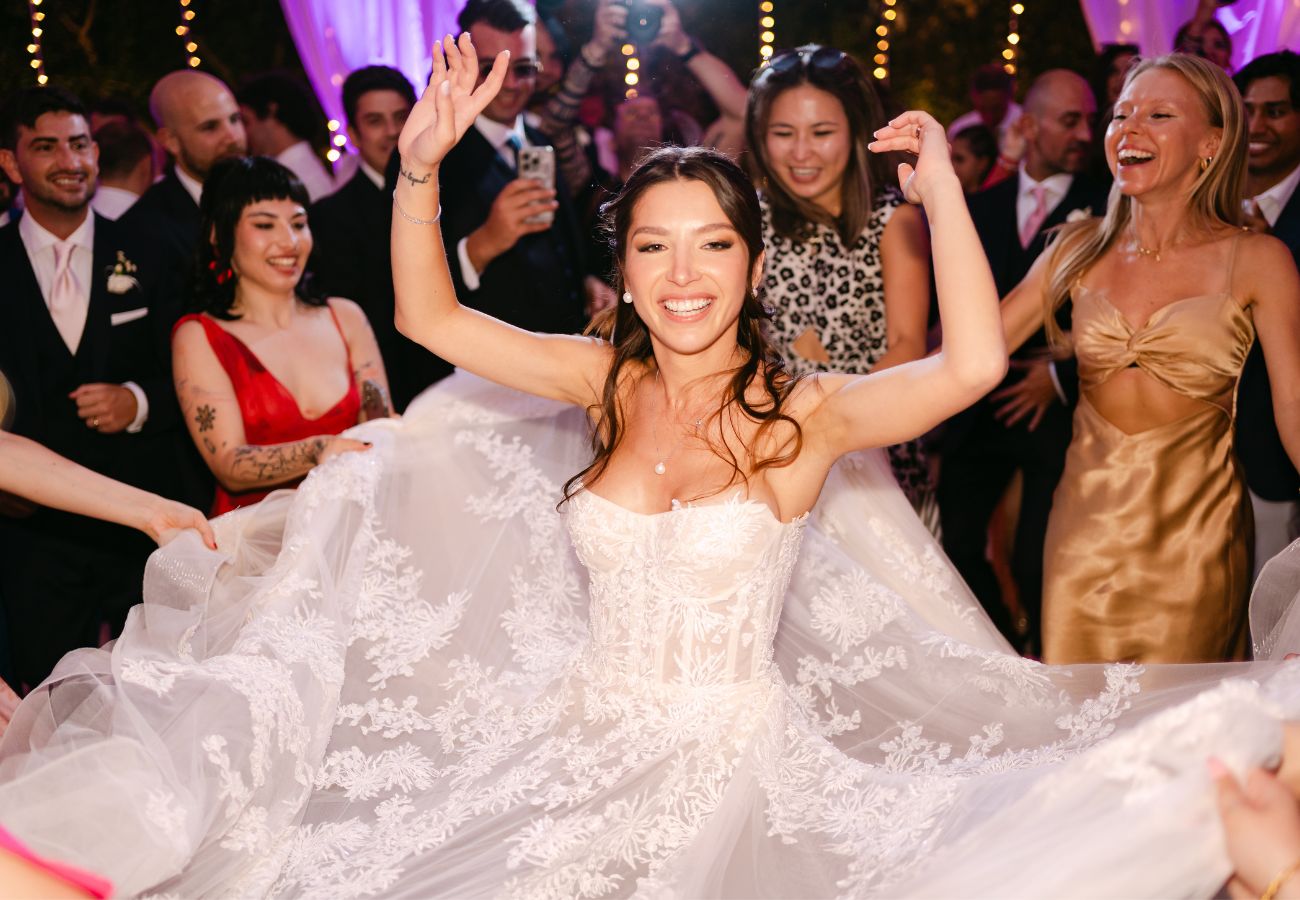
Photojournalistic or documentary-style photography emphasizes candid and spontaneous moments. The goal is to tell the story of the wedding day as it naturally unfolds. Photographers using this approach blend into the background, capturing genuine emotions and interactions without staged interruptions. This style is perfect for couples who want authentic and unscripted memories.
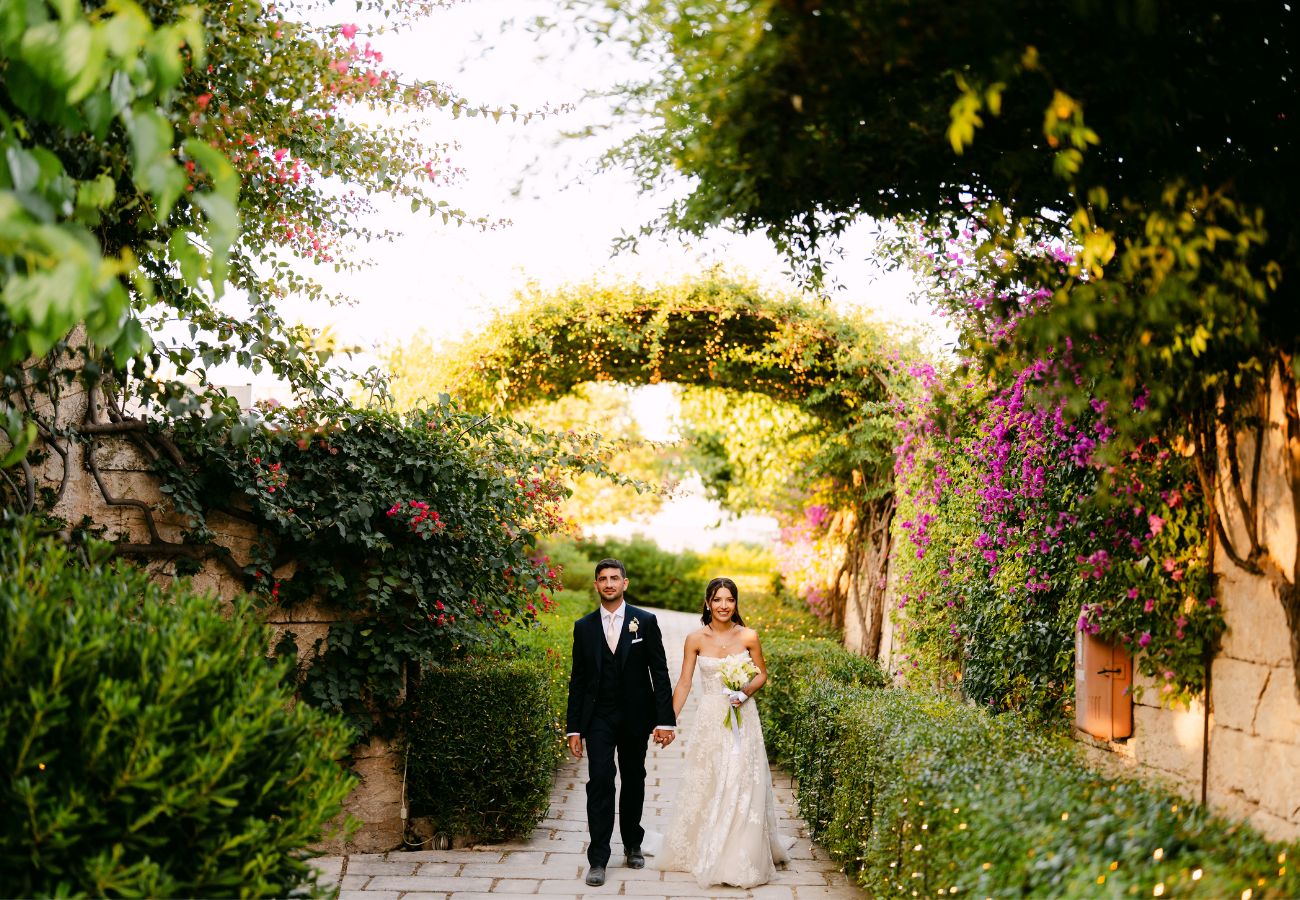
Fine art photography combines elements of traditional and documentary styles with a creative and artistic touch. It often features unique compositions, intentional lighting, and refined editing to produce visually striking images. This style suits couples who desire a modern, editorial, and artistic look. Reviewing full portfolios is important to ensure the photographer’s artistic vision aligns with your expectations.
How Should You Research and Shortlist Potential Wedding Photographers?
Researching and shortlisting potential wedding photographers is a vital step in finding the right match. Start by asking friends, family, or recently married couples for recommendations. Personal referrals can provide honest insights into a photographer’s professionalism, reliability, and overall experience. Wedding fairs and bridal shows are also great opportunities to meet photographers and view their work in person.
Online research plays a significant role as well. Wedding platforms, social media, and photography directories allow you to explore portfolios and read client reviews. Look for consistency in image quality and pay attention to feedback regarding communication and professionalism. Create a shortlist of photographers whose work and reviews resonate with you.
Once you have a shortlist, contact the photographers to confirm availability and schedule consultations. These meetings are essential for understanding their workflow, personality, and approach. Ask to view full wedding galleries rather than highlights, as this will give you a clearer idea of how they document an entire wedding day. Narrow down your options based on both their work and your personal connection.
What Questions Should You Ask During Your Initial Consultation?
During your initial consultation, asking the right questions will help you determine whether the photographer is a good fit. Begin by confirming their availability and asking about their experience with weddings similar to yours. Understanding their background will give you confidence in their ability to meet your needs.
Discuss their photography style and how they approach a wedding day. Ask how they manage timing, lighting challenges, and guest interactions. Request to see full wedding albums to evaluate consistency and storytelling. This insight will help you understand what to expect from start to finish.
It is also essential to cover logistics. Ask about packages, pricing, inclusions, travel fees, overtime charges, and image delivery timelines. Inquire about backup plans in case of emergencies and how unexpected situations are handled. Clear answers to these questions will help you make an informed and confident decision.
Why Are Contracts and Deposits So Important?
Contracts and deposits play a critical role in booking a wedding photographer. A contract is a legally binding agreement that outlines services, responsibilities, and expectations for both parties. It should include details such as the wedding date, location, coverage hours, package specifics, and policies regarding cancellations, rescheduling, and refunds.
Deposits are usually required to secure your date and confirm the booking. The amount and payment schedule should be clearly stated in the contract. Deposits are typically non-refundable, as they compensate the photographer for reserving your date and declining other inquiries.
Carefully reviewing the contract before signing is essential. Pay close attention to image rights and usage clauses, as photographers may retain the right to use images for promotional purposes. If anything is unclear, discuss it with your photographer before moving forward. A clear contract ensures peace of mind and a professional working relationship.
How Can You Work Effectively with Your Photographer Before the Wedding?
Collaborating with your photographer before the wedding is key to a smooth experience. Scheduling an engagement shoot is highly recommended, as it helps you feel comfortable in front of the camera and familiar with your photographer’s style. It also strengthens your connection and builds trust.
Clear and open communication is equally important. Share your vision, expectations, and any must-have shots. Provide a detailed wedding timeline highlighting key moments. Creating a shot list for group photos and important details can help ensure nothing is overlooked.
At the same time, trust your photographer’s expertise. While guidance is helpful, allowing creative freedom enables them to capture authentic moments and unique perspectives. Experienced photographers know how to anticipate emotions and moments you may not even notice, resulting in a more genuine and meaningful collection of images.
What Are the Most Common Mistakes to Avoid When Booking a Photographer?
One common mistake couples make is not researching thoroughly. Comparing styles, reading reviews, and evaluating experience are essential steps. Rushing the decision or choosing the first available photographer can lead to disappointment.
Another mistake is poor communication. If your photographer does not fully understand your expectations, style preferences, or priorities, the final images may not reflect your vision. Detailed discussions and clear guidance are crucial.
Finally, overlooking the importance of a contract is a serious error. A contract protects both you and the photographer and ensures that all agreements are documented. Always read it carefully and ensure everything discussed is included in writing before signing.
How Can You Make the Right Choice for Your Big Day?
Choosing the right wedding photographer is one of the most important decisions you will make for your wedding. Booking early allows you to secure top talent, build a strong connection, and manage your budget effectively. Following a clear timeline ensures you have enough time to research, meet photographers, and make a confident decision.
By considering style, experience, and personality, and by understanding different photography approaches, you can find a photographer who truly aligns with your vision. Asking the right questions, reviewing contracts carefully, and maintaining open communication all contribute to a successful collaboration.
Avoid common mistakes, trust your photographer’s expertise, and plan thoughtfully. By doing so, you will ensure that your wedding day is beautifully documented, creating timeless memories you will cherish for a lifetime.
FAQ – Frequently Asked Questions About Booking a Wedding Photographer
When is the best time to book a wedding photographer?
The best time to book a wedding photographer is typically 12–18 months before the wedding date, especially for peak season weddings. Popular photographers tend to book up quickly, so early planning increases availability.
When should couples start looking for a wedding photographer?
Couples should start looking for a wedding photographer as soon as the wedding date and venue are confirmed. This allows enough time to research styles, compare portfolios, and make an informed decision without pressure.
What are the most common wedding photography styles?
The most common wedding photography styles include traditional, documentary or photojournalistic, fine art, and editorial. Each style offers a different way of capturing the wedding day, from posed portraits to natural, candid storytelling.
How do couples choose the right wedding photography style?
Choosing the right style depends on personal taste and how couples want their wedding memories to feel. Reviewing full wedding galleries helps understand how a photographer tells the story of an entire day, not just individual images.
How many photos are usually delivered after a wedding?
The number of photos varies based on coverage length and the photographer’s approach, but a full wedding day typically results in hundreds of professionally edited images that document the event from start to finish.
How long does it take to receive wedding photos?
Wedding photo delivery usually takes between 6 and 12 weeks. Many photographers also provide a small preview or sneak peek shortly after the wedding.
Is it important to see full wedding galleries before booking a photographer?
Yes, viewing full wedding galleries is important to evaluate consistency, quality, and storytelling throughout an entire wedding day, not just highlight images.
What is an engagement shoot and is it worth it?
An engagement shoot is a pre-wedding photo session that helps couples feel more comfortable in front of the camera. It is often considered valuable for building confidence and creating images for save-the-dates or wedding websites.
Is one photographer enough for a wedding?
One photographer may be sufficient for smaller weddings, but larger weddings or events with multiple locations often benefit from a second photographer to capture different moments simultaneously.
What happens if it rains on the wedding day?
Professional wedding photographers are prepared for all weather conditions and adapt their approach accordingly. Rain or cloudy skies can still result in emotional and atmospheric photographs.
Do wedding photographers require a contract?
Yes, a contract is essential. It outlines services, coverage, timelines, image rights, and payment terms, helping avoid misunderstandings and ensuring clarity for both parties.
How much does a wedding photographer typically cost?
Wedding photography costs vary based on experience, location, coverage time, and services included. Photography is generally considered a long-term investment, as images preserve memories for a lifetime.
What is usually included in a wedding photography package?
Packages often include a set number of hours, professional editing, online galleries, and optional extras such as albums, prints, engagement sessions, or additional coverage.
How are wedding photos usually delivered?
Wedding photos are typically delivered through a private online gallery, allowing easy viewing, downloading, sharing, and print ordering.
Why is choosing the right wedding photographer so important?
A wedding photographer is responsible for documenting one of life’s most meaningful days. Choosing the right professional ensures emotions, details, and moments are preserved in a timeless and authentic way.