Planning a wedding is both an exhilarating and overwhelming journey, one filled with dreams of romance, joy, and unforgettable moments. But with so many details to consider, from choosing the perfect venue to selecting the right flowers, it’s easy to feel lost in the whirlwind of wedding arrangements. That’s where our “Getting Married Checklist” comes in! This guide outlines 10 essential steps that will simplify the planning process and help you craft the perfect day tailored just for you.
Whether you envision an intimate ceremony or a grand celebration, our checklist ensures you won’t overlook any vital elements. With a clear roadmap and helpful tips, you can ease your stress and focus on what truly matters: celebrating your love. Let’s dive into the essential steps that will transform your wedding dreams into reality, one checklist box at a time!

Why Is Understanding the Importance of a Wedding Checklist Essential for Planning Your Big Day?
A wedding checklist is not merely a to-do list; it’s your guide to ensuring that each aspect of your big day is meticulously planned and executed. By breaking down the planning process into manageable steps, a checklist helps you stay organized and focused, reducing the risk of overlooking essential details. This systematic approach allows you to track your progress and make necessary adjustments along the way, ensuring that everything runs smoothly.
Without a checklist, it’s easy to become overwhelmed by the sheer volume of tasks that need to be completed. From booking the venue to sending out invitations, each step is critical to the overall success of your wedding. A comprehensive checklist provides a clear timeline and prioritizes tasks according to their urgency, helping you allocate your time and resources more effectively. This ensures that you can enjoy the planning process without feeling stressed or rushed.
Moreover, a wedding checklist serves as a communication tool between you and your partner, as well as with vendors and other key players in your wedding. By keeping everyone on the same page, you can avoid misunderstandings and ensure that all details align with your vision. This collaborative approach not only enhances the planning process but also strengthens the bond between you and your partner as you work together to create your dream wedding.
Why Is Setting a Realistic Wedding Budget Essential for Your Big Day
Establishing a realistic budget is one of the most crucial steps in wedding planning, as it sets the foundation for all other decisions. Begin by determining how much you and your partner are willing to spend, and consider any contributions from family members or other sources. This total amount will guide your spending and help you make informed choices about each aspect of the wedding.
Once you have a clear budget, break it down into specific categories, such as venue, catering, attire, and entertainment. Allocate a portion of your budget to each category based on its importance and your priorities. Keep in mind that some expenses may fluctuate, so it’s wise to include a contingency fund for unexpected costs. This financial cushion will give you peace of mind and ensure that you can handle any surprises that arise during the planning process.
Sticking to your budget requires discipline and careful monitoring. Track your expenses diligently and adjust your spending as needed to stay within your financial limits. Utilize budgeting tools or apps to help you stay on top of your finances and make adjustments in real-time. By maintaining a clear and realistic budget, you can avoid unnecessary stress and focus on enjoying the journey toward your big day.
How Do You Choose the Perfect Wedding Date for Your Wedding?
Selecting the perfect wedding date is a significant decision that can impact many aspects of your wedding. Consider factors such as the season, availability of key guests, and any personal significance the date may hold. Start by discussing your preferred time of year with your partner and identifying any dates that are particularly meaningful to you both.
Once you have a general timeframe in mind, check the availability of important guests, such as immediate family members and close friends. Their presence may be essential to your celebration, so ensure they can attend before finalizing the date. Additionally, consider any potential conflicts, such as holidays or major events, that could affect attendance or availability of venues and vendors.
The season in which you choose to get married can also influence the overall theme and atmosphere of your wedding. For example, a summer wedding might lend itself to an outdoor garden ceremony, while a winter wedding could inspire a cozy, indoor celebration with warm, rich colors. By carefully considering these factors, you can select a wedding date that aligns with your vision and ensures that your loved ones can join in the celebration.
How Do You Create the Perfect Guest List for Your Wedding?
Crafting your guest list is a delicate balance between your budget, venue capacity, and your desire to include all the important people in your life. Start by making an initial list of everyone you’d like to invite, including family members, friends, and colleagues. This preliminary list will give you a sense of the number of guests you want to accommodate.
Next, review your budget and the capacity of your chosen venue to determine how many guests you can realistically invite. This may require some difficult decisions, but prioritize those who are closest to you and your partner. Consider creating an A-list and a B-list: the A-list includes those who are essential to your celebration, while the B-list consists of additional guests you’d like to invite if space and budget allow.
When finalizing your guest list, take into account any plus-ones and children. Decide whether you’ll allow guests to bring a date or if you prefer an adults-only event. Clear communication about your guest policy will help avoid misunderstandings and ensure that your guest list aligns with your vision and budget. By thoughtfully curating your guest list, you can create an intimate and meaningful celebration with the people who matter most.
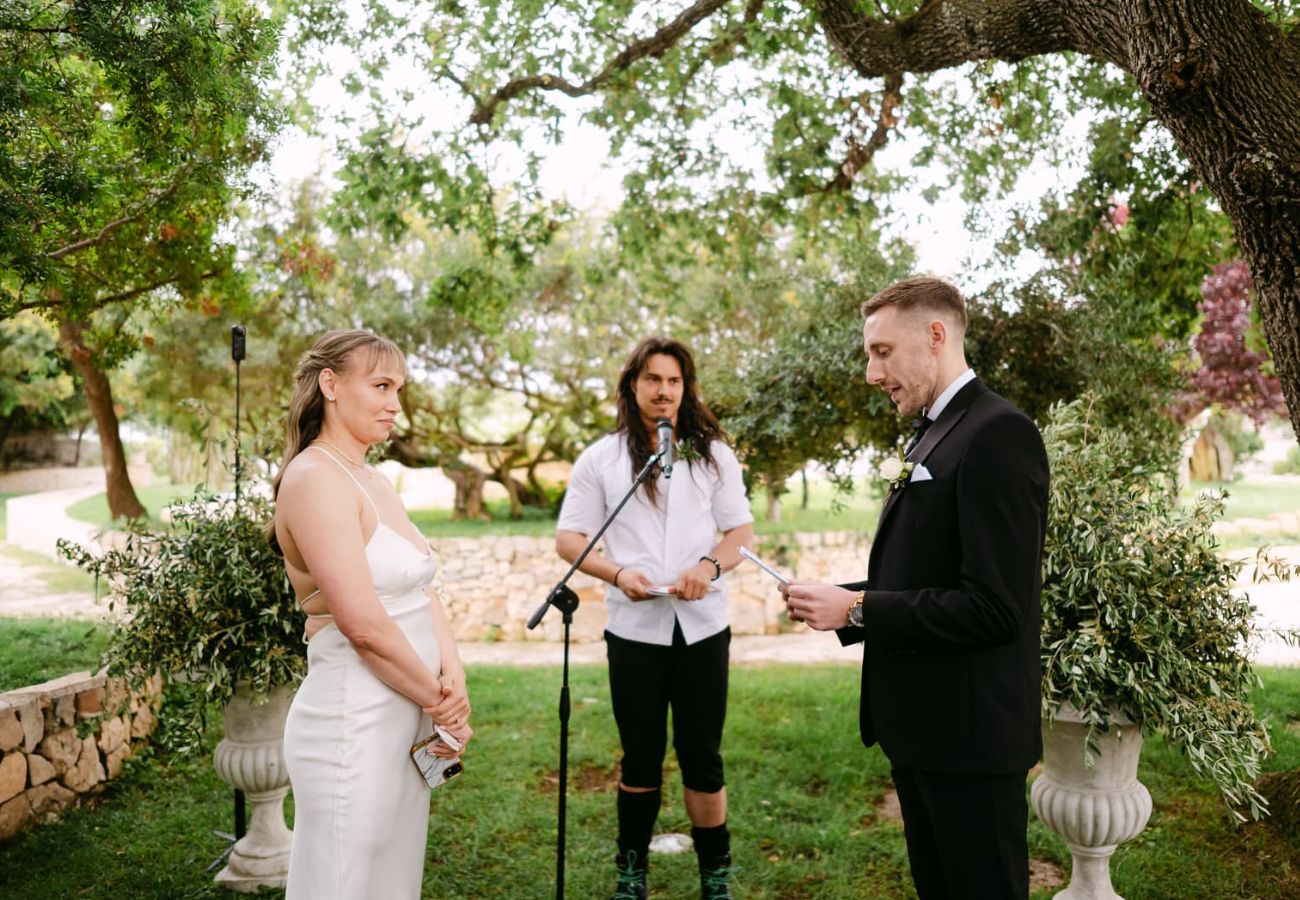
How Do You Select the Perfect Venue for Your Wedding?
Choosing the right venue is a pivotal element of your wedding planning, as it sets the stage for your entire celebration. Begin by considering the type of venue that aligns with your vision, whether it’s a rustic barn, a chic urban loft, or a picturesque garden. Your venue should reflect your personal style and complement the theme of your wedding.
When evaluating potential venues, keep your guest list and budget in mind. Ensure that the venue can comfortably accommodate your guests and that it offers the amenities you need, such as catering services, parking, and accessibility. Additionally, consider the location and whether it’s convenient for your guests to travel to and from the venue. A centrally located venue can simplify logistics and ensure that your guests arrive on time.
It’s also important to visit potential venues in person to get a sense of the space and its ambiance. Pay attention to details such as lighting, acoustics, and overall atmosphere. Ask questions about the venue’s policies, including any restrictions on decorations, noise levels, or event timing. By thoroughly vetting your options and considering all aspects of the venue, you can select a location that aligns with your vision and ensures a seamless and memorable celebration.

ow Do You Find the Right Vendors for Your Wedding, from Catering to Photography?
Selecting the right vendors is essential to bringing your wedding vision to life. Start by researching and compiling a list of potential vendors for key services, such as catering, photography, florals, and entertainment. Read reviews, ask for recommendations from friends and family, and check out vendors’ portfolios to get a sense of their style and quality of work.
Once you’ve narrowed down your options, schedule consultations with your top choices to discuss your vision and requirements. Prepare a list of questions to ask each vendor, including their availability, pricing, and any specific requests you may have. This is also an opportunity to gauge their professionalism and compatibility with your style and expectations. Trust your instincts and choose vendors who understand your vision and can deliver the level of service you desire.
After selecting your vendors, maintain clear and open communication throughout the planning process. Provide them with detailed information about your wedding timeline, preferences, and any special requests. Regular check-ins and updates will ensure that everyone is on the same page and that your vendors can deliver their best work on your big day. By carefully selecting and collaborating with your vendors, you can create a seamless and unforgettable wedding experience.
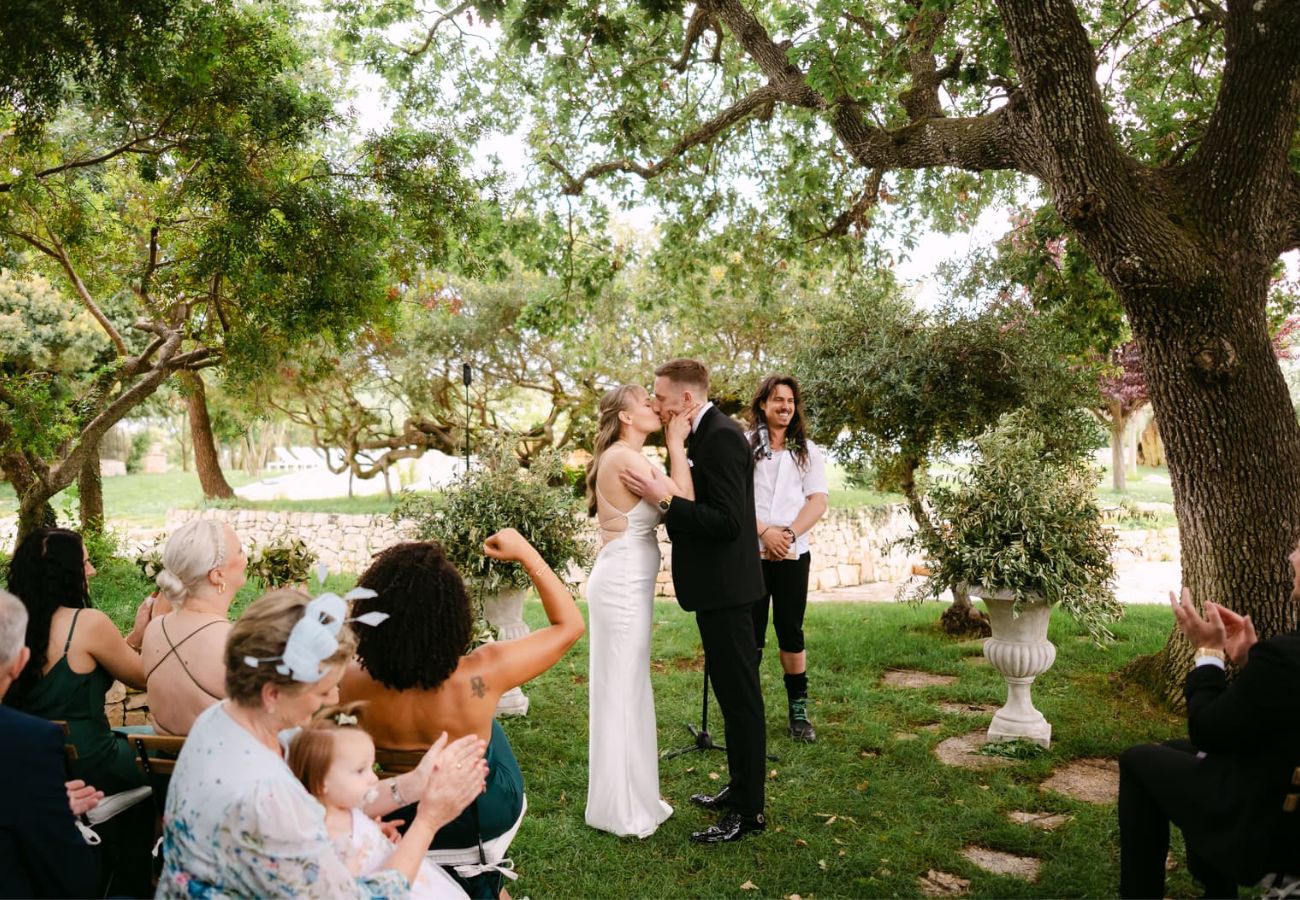
How Do You Choose the Perfect Wedding Attire, from Dress to Accessories?
Your wedding attire is a reflection of your personal style and sets the tone for your celebration. Whether you opt for a traditional gown, a modern suit, or something entirely unique, your outfit should make you feel confident and beautiful. Start by researching different styles and silhouettes to get a sense of what you like. Visit bridal boutiques and suit shops to try on various options and find the perfect fit.
When choosing your attire, consider the overall theme and formality of your wedding. A ballgown may be perfect for a grand, formal affair, while a sleek, minimalist dress might be better suited for a modern, urban celebration. Similarly, a classic tuxedo may be ideal for a black-tie event, while a tailored suit in a unique color or pattern can add a personal touch to a more casual wedding. Don’t forget to consider the season and venue, as these factors can influence your choice of fabric and style.
Accessories are the finishing touches that complete your wedding look. From shoes and jewelry to veils and cufflinks, these details should complement your attire and enhance your overall appearance. Choose accessories that reflect your personal style and add a touch of elegance to your outfit. Remember that comfort is key, so opt for pieces that you can wear with ease throughout the day. By selecting the perfect attire and accessories, you can create a stunning and cohesive look that makes you feel your best on your special day.
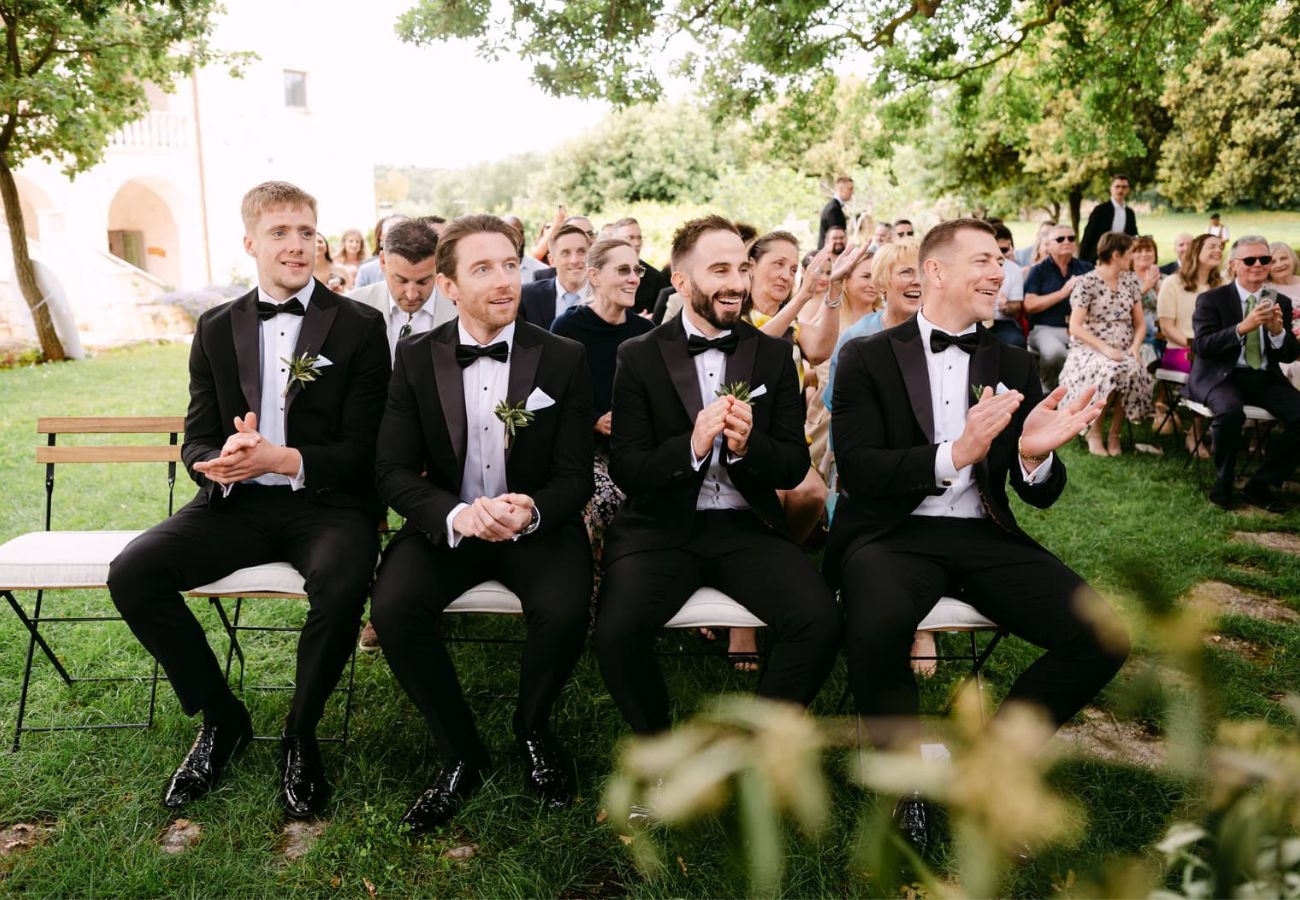
How Do You Plan a Wedding Ceremony That Balances Traditions and Personal Touches?
The wedding ceremony is the heart of your celebration, where you and your partner will exchange vows and commit to a lifetime together. Whether you choose a traditional ceremony or a more personalized approach, this moment should reflect your love and values. Begin by discussing your preferences with your partner and deciding on the type of ceremony you want, whether it’s religious, secular, or a blend of both.
Incorporating traditions can add meaning and depth to your ceremony, but don’t be afraid to put your own spin on things. Consider including readings, music, or rituals that hold special significance for you and your partner. Write your own vows to express your unique love story and make the ceremony truly personal. Collaborate with your officiant to ensure that the ceremony flows smoothly and aligns with your vision.
As you plan the ceremony, consider the logistics and details that will enhance the experience for you and your guests. Think about the seating arrangement, the processional and recessional order, and any special roles for family members or friends. Ensure that the ceremony space is beautifully decorated and that the ambiance reflects the mood you want to create. By thoughtfully planning the ceremony, you can create a meaningful and memorable experience that sets the tone for your entire wedding day.
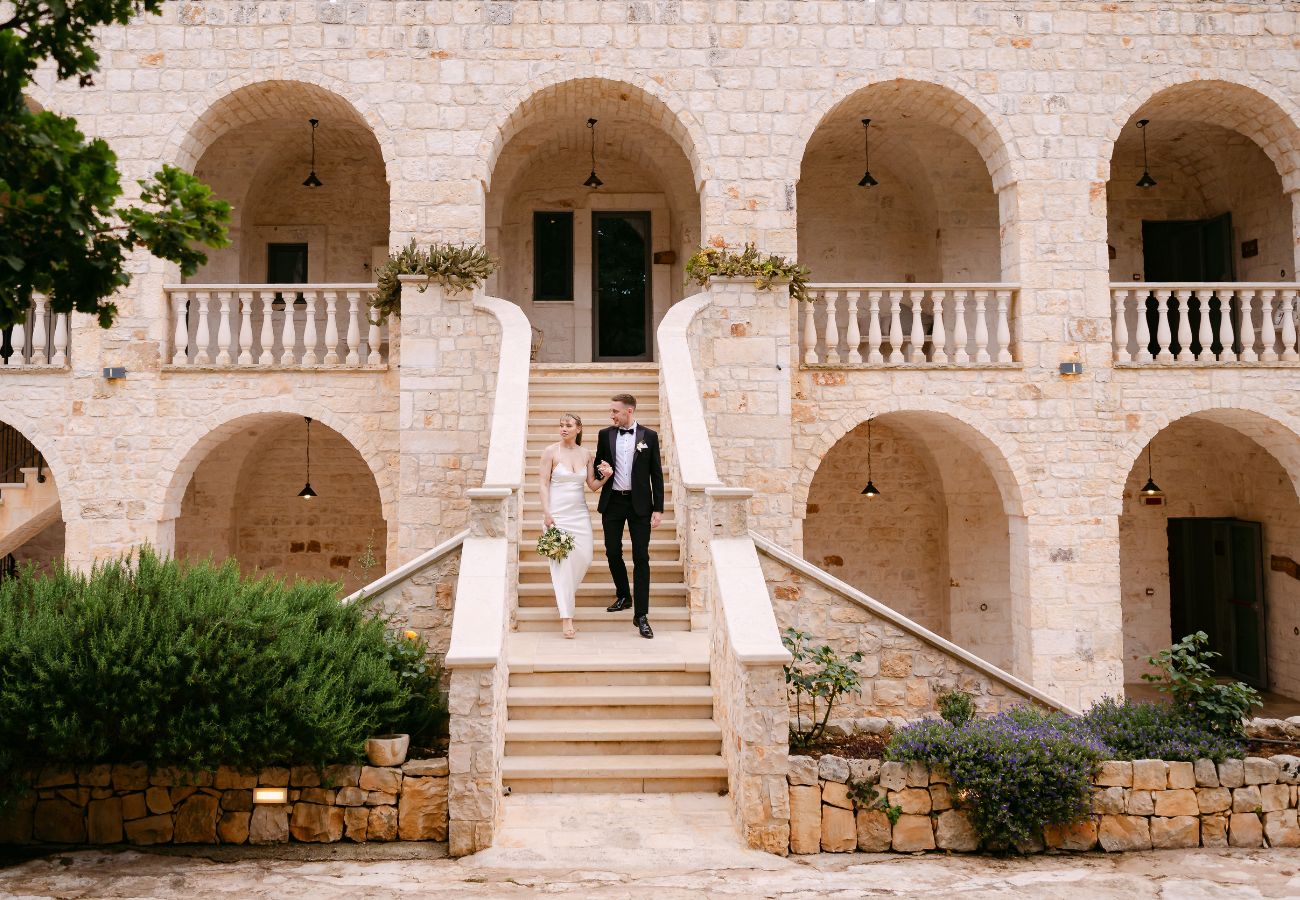
How Do You Organize a Wedding Reception That Balances Food, Music, and Entertainment?
The reception is where you and your guests will celebrate your union with food, music, and entertainment. This part of the wedding requires careful planning to ensure that everyone has a great time. Start by considering the overall theme and atmosphere you want to create, whether it’s an elegant dinner, a lively dance party, or a relaxed, casual gathering.
Food is a central element of the reception, so work closely with your caterer to design a menu that delights your guests. Consider offering a variety of options to accommodate different dietary preferences and restrictions. From passed hors d’oeuvres to a multi-course meal or a buffet, the dining experience should be enjoyable and reflective of your tastes. Don’t forget to plan for beverages, including a signature cocktail that adds a personal touch to the celebration.
Music and entertainment set the mood and keep the energy high throughout the reception. Choose a band or DJ that aligns with your musical preferences and can read the crowd to keep the dance floor lively. Plan a mix of music that appeals to different age groups and tastes, ensuring that everyone can join in the fun. Consider additional entertainment options, such as a photo booth, games, or a special performance, to keep guests engaged and entertained. By thoughtfully organizing the reception, you can create a joyous and memorable celebration for you and your guests.
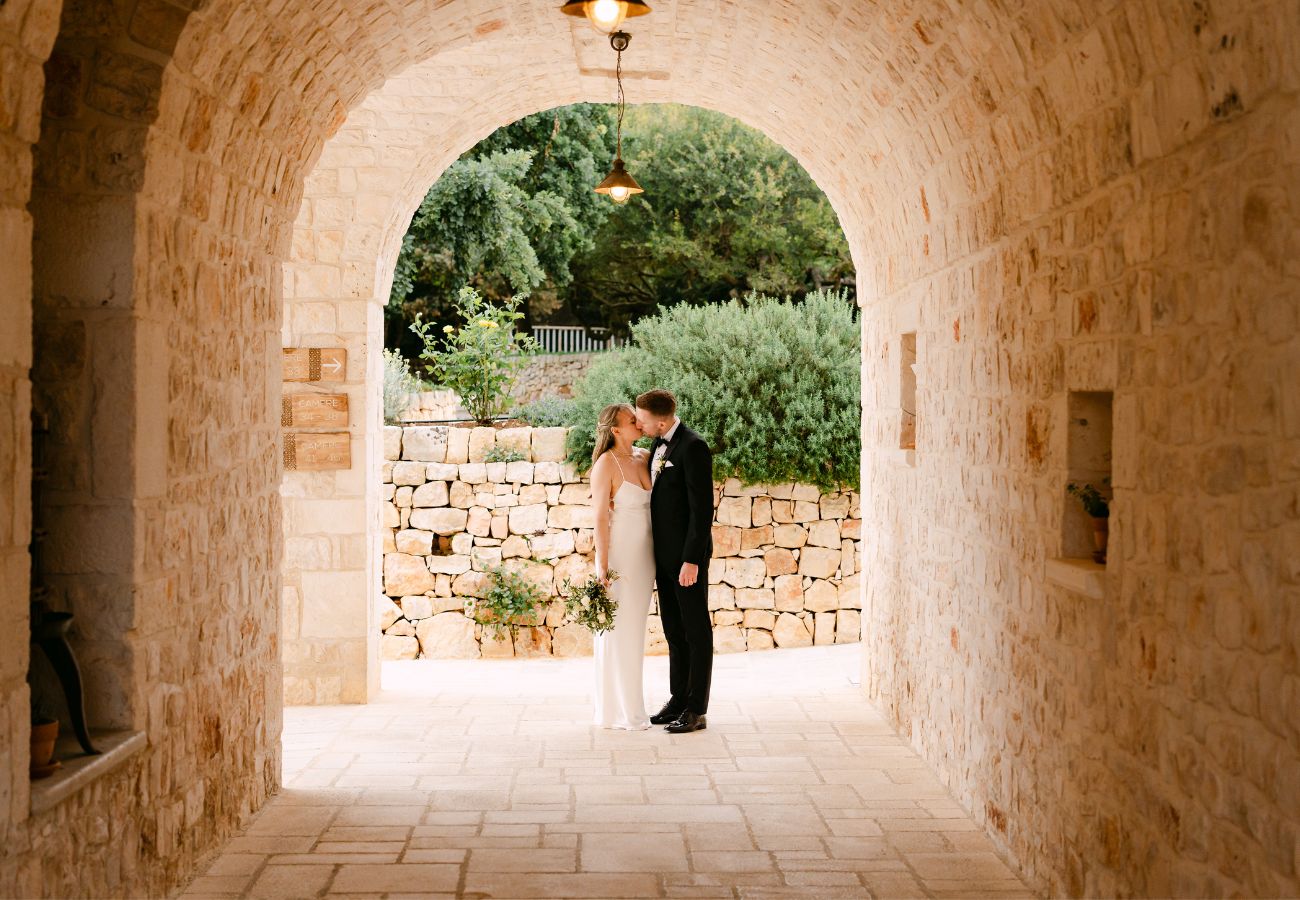
How Do You Finalize All the Details and Prepare for Your Wedding Day?
As your wedding day approaches, it’s time to finalize all the details and ensure that everything is in place for a seamless celebration. Start by creating a detailed timeline of the day’s events, from the ceremony to the reception, and share it with your wedding party, vendors, and key family members. This will help everyone stay on schedule and ensure that all aspects of the day run smoothly.
Confirm all arrangements with your vendors, including delivery times, set-up requirements, and any last-minute details. Make sure that everyone is clear on their responsibilities and that you have a point of contact for each vendor in case any issues arise. Prepare a list of emergency contacts and have a wedding day survival kit on hand with essentials like safety pins, tissues, and snacks.
Take time to relax and enjoy the final days leading up to your wedding. Delegate tasks to trusted friends and family members so that you can focus on being present and savoring the moment. Schedule time for self-care, whether it’s a spa day, a workout, or simply a quiet moment to reflect. By finalizing the details and taking care of yourself, you can approach your wedding day with confidence and joy, ready to celebrate your love with the people who matter most.
FAQ - Frequently Asked Questions About Wedding Planning
What is a wedding checklist and why do I need one for planning my wedding?
A wedding checklist is a step by step planning tool that helps you organize every detail of your big day, from budgeting to vendor bookings and timelines. It keeps you focused, reduces stress, and ensures you don’t miss essential tasks as your wedding date approaches.
How do I set a realistic wedding budget that works for us?
Start by determining how much you and your partner (and any contributing family members) are comfortable spending. Break the total into categories—like venue, catering, attire, entertainment—and track your expenses regularly. Allocating a contingency fund helps you handle unexpected costs without stress.
What should I consider when choosing a wedding date?
Think about your preferred season, venue availability, the schedules of key guests, and any meaningful dates for you as a couple. The time of year can also influence your wedding theme and logistical factors like weather and travel for out of town guests.
How do I create a wedding guest list that fits my budget and venue?
Start with a master list of everyone you’d love to invite, then adjust based on your venue’s capacity and your budget. Prioritize close family and friends and consider an A list / B list approach to manage invitations. Decide early on policies for plus ones and children to avoid confusion later.
How do I choose the perfect wedding venue?
Select a venue that fits your vision, guest count, and budget. Visit potential locations in person to evaluate layout, amenities, lighting, and accessibility. Confirm venue policies on décor, noise, and timing to avoid surprises on your big day.
How can I find the best wedding vendors (photography, catering, florals, etc.)?
Research online reviews, ask for recommendations, and review portfolios. Schedule consultations with top choices to discuss pricing, availability, and style. Effective communication with your chosen vendors ensures everyone understands your wedding vision and timeline.
What should I know when planning a destination wedding or wedding abroad?
For destination weddings, send save the dates earlier than usual to give guests time to plan travel and accommodation. Research local vendor options, legal requirements, and climate considerations. Destination weddings often benefit from a wedding planner with local expertise.
What does a typical wedding planning timeline look like?
Many couples start their wedding planning about 12–18 months before the big day. A good timeline breaks tasks down month by month—like booking your venue early, finalizing your guest list by 8–10 months out, and confirming final details in the last 1–2 months.
How do I plan a wedding ceremony that feels personal and meaningful?
Discuss with your partner what traditions matter most to you and where you want to personalize your vows, music, or rituals. Collaborate with your officiant to create a seamless flow that reflects your values and love story.
How do I prepare for the wedding reception with great food, music, and entertainment?
Work closely with your caterer to craft a menu that delights guests and accommodates dietary needs. Choose music or entertainment that keeps the vibe lively throughout the evening. Consider extras like photo booths or unique guest activities to make your reception unforgettable.
What last minute details should I finalize before the wedding day?
Create a detailed day of timeline, confirm vendor arrival times, and prepare an emergency kit (e.g., sewing kit, snacks, phone chargers). Share your final schedule with your wedding party and key family members so everyone knows their role.
Where can I find a printable or customizable wedding checklist?
There are many online tools that offer downloadable or interactive wedding checklists you can personalize—from basic timelines to full planning templates tailored to your wedding style and date.